
(What will be mentioned in this article is for advice and is not a substitute for consulting a doctor)
Scalp Care 101: How to Detox, Prevent Buildup, and Maintain Healthy Hair
Key Points:
Scalp detox removes residue, oil, and pollutants for a healthy foundation.
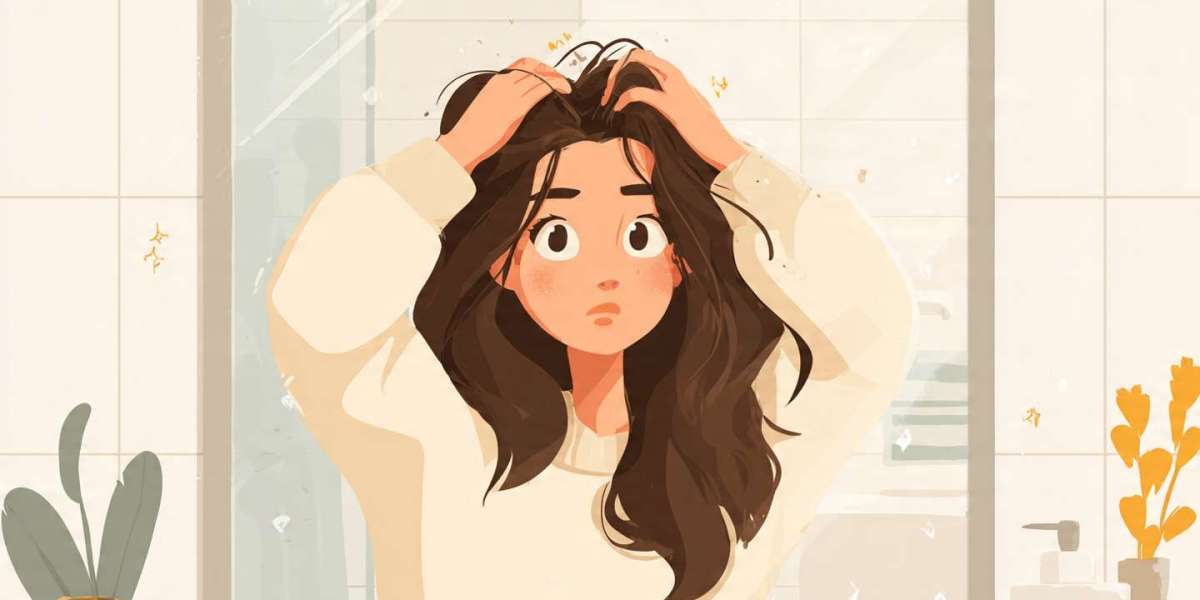
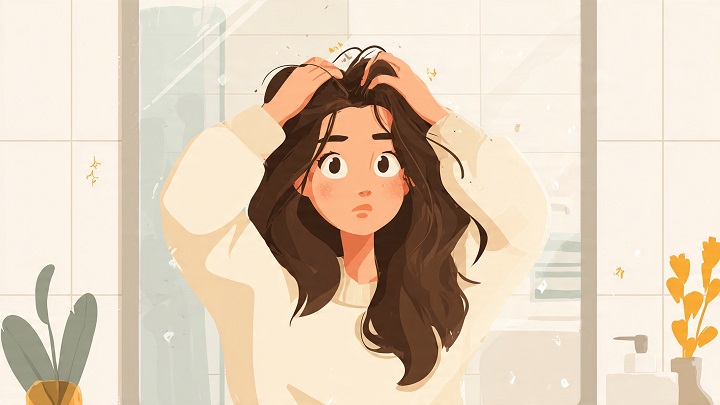
Signs of buildup include greasy roots, flakes, itchiness, and flat hair.
Proper cleansing, exfoliation, and hydration prevent long-term scalp issues.
advertisement
A healthy scalp is the foundation of beautiful, strong hair. Over time, oils, hair products, environmental pollutants, and even hard water minerals can accumulate, leading to scalp buildup that affects both the look and feel of your hair. Whether your hair feels flat, itchy, or coated with a waxy film, understanding scalp care and detoxification can transform your hair from dull to vibrant.
Scalp buildup occurs when sebum, sweat, styling products, silicones, heavy oils, and minerals from water or pollution layer on the scalp. This buildup can trap dead skin cells and debris, causing irritation, odor, or even clogged hair follicles. Certain skin conditions, such as seborrheic dermatitis or psoriasis, can worsen these symptoms, making it important to distinguish normal buildup from medical conditions.
Signs You Might Need a Scalp Detox
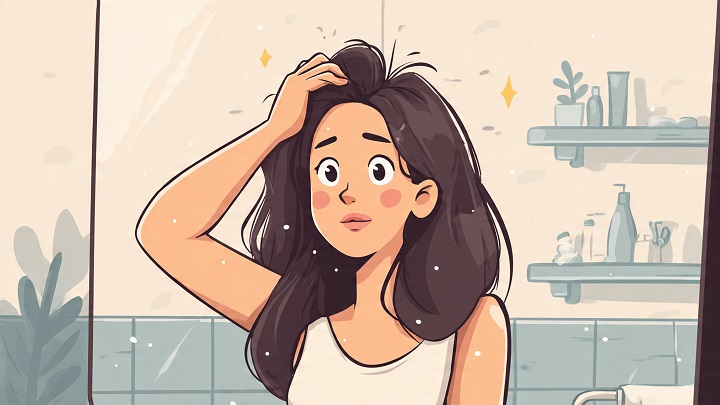
Hair becomes flat and lifeless shortly after washing
Waxy roots or dry, coated ends
Flakes or dandruff that reappear quickly
Persistent itch or odor
Hair products feel like they “sit on top” and require repeated application
Living Proof and Rhute Hair both emphasize that paying attention to these signs is key to timely scalp maintenance.
advertisement
Causes of Scalp Buildup
Natural Oils and Sweat: Normal sebum production mixes with sweat and daily pollutants.
Hair Products: Silicones, waxes, gels, heavy oils, and even sulfates can leave residue.
Environmental Pollutants: Particulate matter and chemicals in urban air settle on the scalp.
Hard Water: Calcium and magnesium deposits can make hair feel rough and dull.
Dead Skin Cells: Accelerated shedding can lead to flakes and irritation.
Inadequate Washing or Genetics: Improper cleansing routines or genetic predispositions can contribute to buildup.
advertisement
Effective Scalp Detox Methods
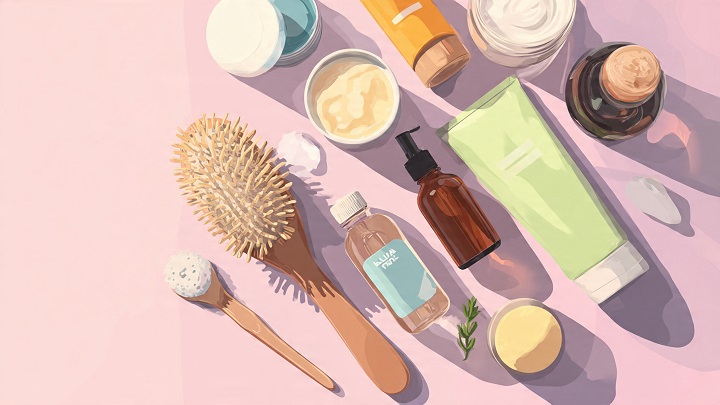
1. Chemical Exfoliants
AHAs (like glycolic acid) loosen dead skin, BHAs (salicylic acid) dissolve oils.
Best for oily scalps or heavy product buildup.
2. Mechanical Exfoliation
Gentle scalp scrubs or soft brushes remove residue physically.
Ideal for those sensitive to chemical exfoliants.
3. Clarifying Shampoos
Chelating or high-cleansing shampoos remove heavy oils, minerals, and product films.
Recommended for swimmers, hard-water users, and dry shampoo devotees.
4. Pre-wash Oils or Serums
Massage lightly into the scalp to loosen debris before shampooing.
Suitable for dry or curly hair needing gentler exfoliation.
5. Scalp Treatments and Hydration
Moisturizing treatments balance oil production and protect the scalp ecosystem.
Hyaluronic-based patches or lightweight serums can provide lasting relief.
Detox Frequency:
Oily or product-heavy scalps: every 3 months
Average scalp: every 3–4 weeks
Sensitive or dry scalp: as needed, monthly or less
Caution:
Avoid detoxing on active eczema, psoriasis, infected follicles, or broken skin without consulting a professional.
How to Perform a Scalp Detox at Home
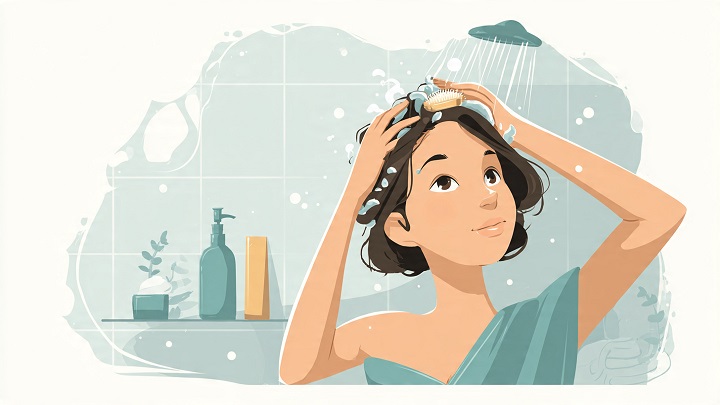
Brush hair to detangle.
Optional: Apply a light pre-wash oil/serum for 10–20 minutes.
Exfoliate gently with a scrub or soft brush.
Shampoo the scalp thoroughly, focusing on removal of residue.
Condition hair lengths only.
Rinse with cool water and gently towel-dry.
Maintain a regular, gentle cleansing routine on non-detox days.
advertisement
Preventing Scalp Buildup

Wash hair appropriately for your type (not too often, not too seldom).
Choose sulfate-free, silicone-free, and paraben-free products.
Protect from environmental pollutants with hats or protective sprays.
Brush hair to distribute oils and prevent follicle clogging.
Exfoliate or massage the scalp periodically to maintain circulation and cleanliness.
Benefits of a Healthy Scalp

A well-maintained scalp allows hair to grow stronger, appear fuller, and respond better to styling products. Detoxing doesn’t directly promote follicle activity, but by clearing blockages and balancing the scalp environment, hair looks healthier and behaves naturally. Proper scalp care pairs well with any evidence-based hair growth or maintenance plan recommended by a clinician.
Conclusion

Your scalp is more than just skin under your hair — it’s the foundation for healthy, vibrant hair. By understanding buildup, recognizing warning signs, and applying proper detox and care methods, you can prevent irritation, flakiness, and product residue from impacting your hair’s health. With consistent attention to cleansing, hydration, and protection, a balanced scalp leads to stronger, shinier, and more manageable hair. Take care of your scalp today, and it will reward you with the hair you’ve always desired.
Key Points Summary
Scalp buildup comes from oils, products, and environmental factors.
Detoxing can remove residue, improve scalp health, and enhance hair appearance.
Regular cleansing, exfoliation, and hydration prevent long-term scalp issues.
advertisement
Frequently Asked Questions (FAQ)
1. How do I know if I have scalp buildup?
Look for greasy roots, flat hair, flakes, itchiness, foul odor, dry hair, or scalp pimples.
2. How often should I detox my scalp?
Every 3–4 weeks for typical routines; more often for oily or hard-water-affected scalps. Sensitive scalps may need less frequent detoxing.
3. Can scalp detox promote hair growth?
Not directly, but clearing blockages and balancing your scalp environment allows hair to appear fuller and behave better.
4. Are there methods for sensitive scalps?
Yes, use mild chemical exfoliants or very gentle mechanical scrubs monthly, and patch-test before full use.
5. How can I prevent scalp buildup?
Use appropriate products for your hair type, wash correctly, exfoliate periodically, brush gently, and protect from pollution.
Sources
Rhute Hair – Clean Scalp, Healthy Hair: The Importance of Scalp Detoxification
https://rhutehair.com/blogs/rhute-answers/clean-scalp-healthy-hair-the-importance-of-scalp-detoxificationLiving Proof – 6 Ways to Get Rid of Scalp Buildup: Causes, Signs & Treatment
https://www.livingproof.com/blogs/hair-101/scalp-buildup
Thank you !