
Ancient Kangaroos: Giants of the Pleistocene That Could Still Hop
Key Points:
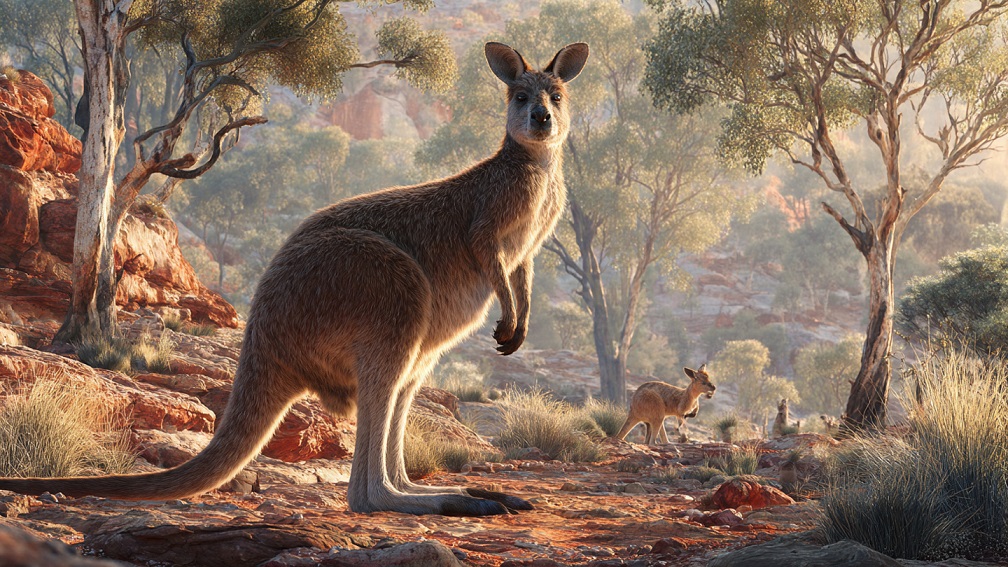
Some ancient kangaroos weighed up to 250 kilograms, larger than grizzly bears.
Their unique skeletal structure allowed them to hop despite their massive size.
Hopping was likely used for short bursts to navigate rough terrain or escape predators.
advertisement
Introduction
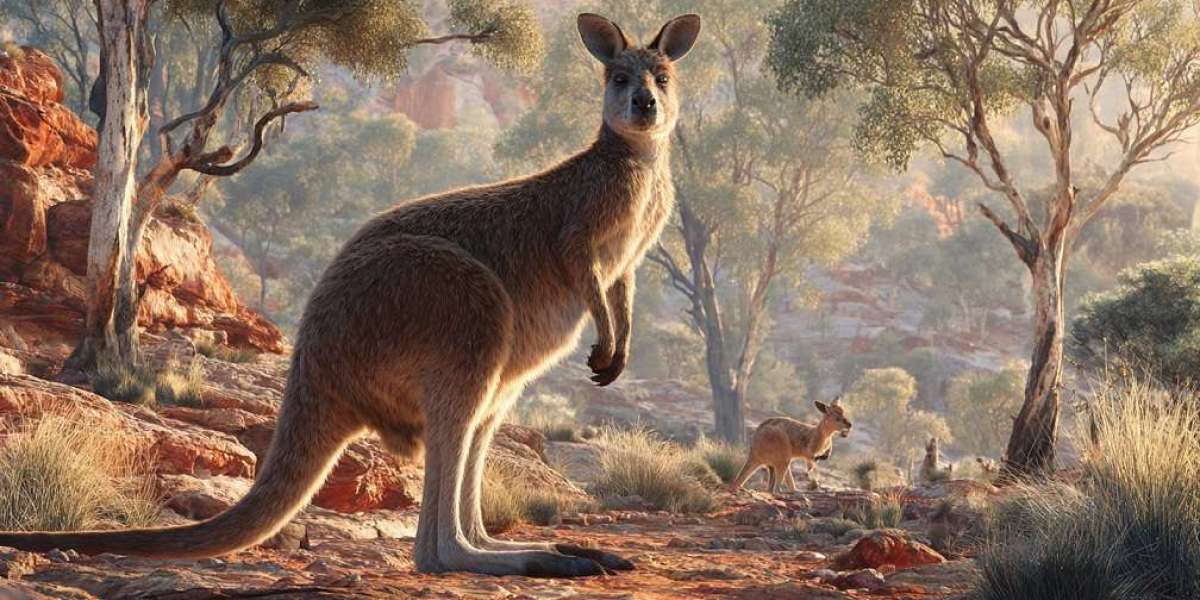
Millions of years ago, Australia was home to some of the largest kangaroos that ever existed. These Pleistocene giants, such as Procoptodon goliath, could reach up to two meters in height and weigh as much as 250 kilograms—far surpassing the size of today’s red kangaroos. For decades, scientists assumed these colossal marsupials couldn’t hop, as scaling up modern kangaroos suggested their tendons and bones would break under the stress. However, new research reveals that these ancient kangaroos were anatomically adapted to support hopping, offering a fascinating glimpse into how evolution balanced size with mobility.
Giant Kangaroos of the Pleistocene
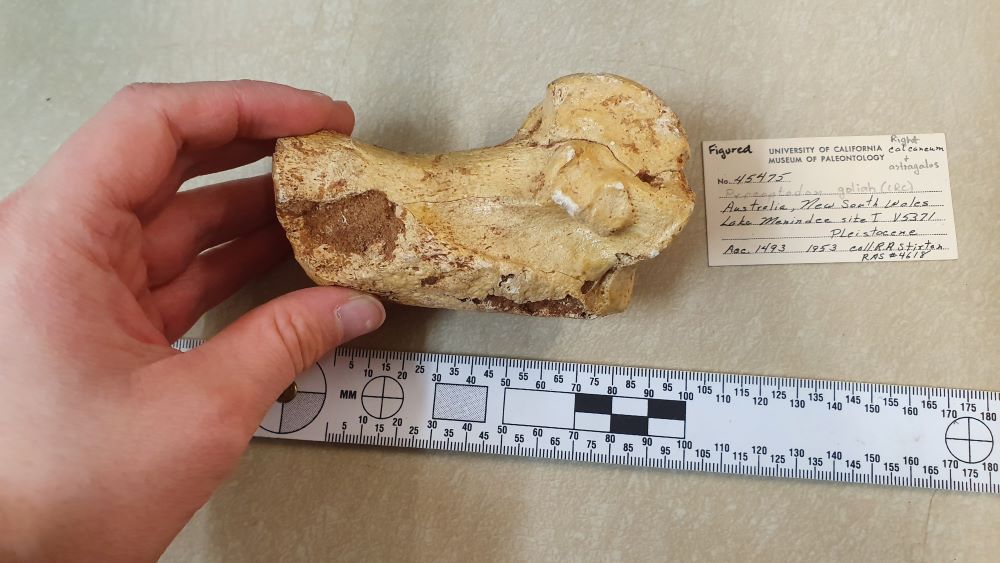
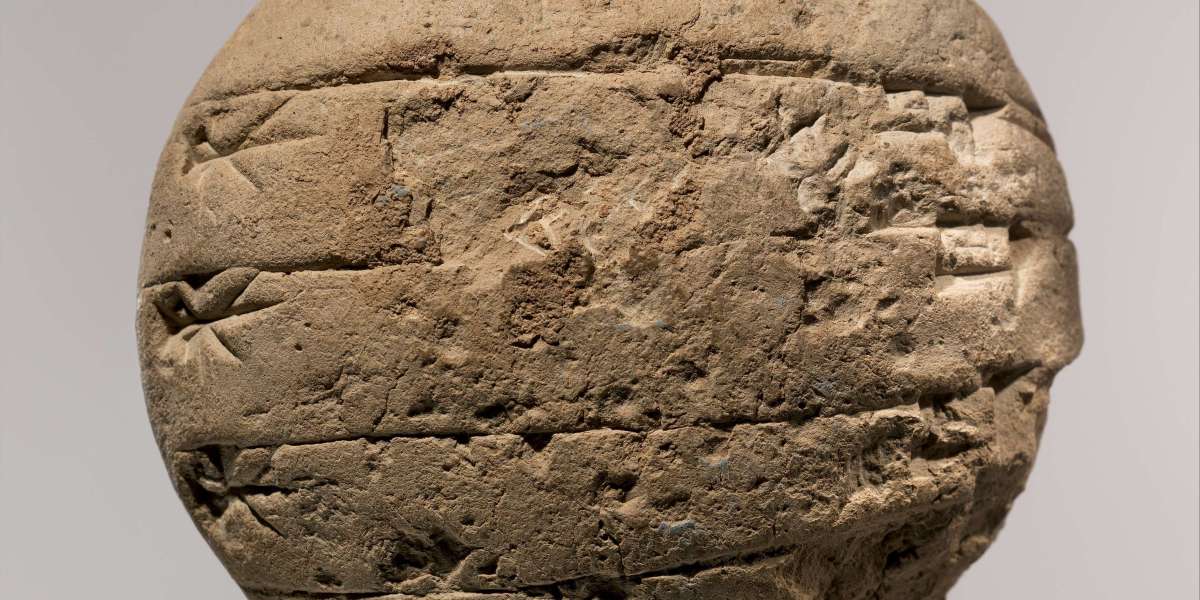
The heelbone of Procoptodon goliah. Photo: Pat Holroyd/UCMP
image source: explorersweb.com
During the Pleistocene era, roughly 2.6 million to 11,700 years ago, kangaroos were not the sleek, agile creatures we see today. Fossil evidence shows that species like Procoptodon goliath had stocky, muscular frames, short but thick foot bones, and broad heel bones. These anatomical features were crucial in allowing their massive bodies to manage landing forces and accommodate powerful Achilles tendons. Unlike simple scaled-up modern kangaroos, these giants evolved specific adaptations to maintain mobility despite their enormous size.
Could They Really Hop?
Researchers from the Universities of Manchester, Bristol, and Melbourne analyzed 94 modern specimens and 40 fossil specimens of kangaroos and wallabies. They measured limb bones, Achilles tendon attachment points, and metatarsals—the bones that bear the brunt of hopping stress. Their findings suggest that ancient kangaroos were theoretically capable of hopping.
However, their locomotion was likely different from modern kangaroos. While smaller kangaroos rely on hopping for long-distance travel, these giants probably used hopping in short bursts to escape danger or traverse rough terrain. Their thicker tendons, while stronger, stored less elastic energy, making them slower and less efficient hoppers. Walking may have remained their default mode of movement.
advertisement
Evolutionary Insights
The study highlights that ancient kangaroos were not merely oversized versions of modern species. They had distinct anatomical traits that reflected evolutionary pressures unique to their massive size. By developing thicker tendons and stronger foot bones, they maintained the ability to hop safely without compromising structural integrity. This discovery not only reshapes our understanding of Pleistocene fauna but also demonstrates nature’s ingenuity in balancing strength, mobility, and survival.
Conclusion
Ancient kangaroos were awe-inspiring examples of evolutionary adaptation. Weighing more than modern bears, yet built to hop, they remind us that size does not necessarily limit mobility. Their story enriches our understanding of prehistoric ecosystems and underscores the delicate interplay between anatomy and environment. By studying these giants, we gain a deeper appreciation for the resilience and innovation present in nature’s grand design.
Key Points Summary:
Pleistocene kangaroos could weigh up to 250 kg.
Unique bone and tendon structures allowed hopping.
Hopping likely used for short bursts, not long-distance travel.
advertisement
Frequently Asked Questions (FAQ):
How big were ancient kangaroos?
Some species, like Procoptodon goliath, reached 2 meters tall and weighed up to 250 kilograms.Could giant kangaroos really hop?
Yes, fossil evidence shows their heel bones, foot bones, and tendons could support hopping, though likely only in short bursts.How did they move most of the time?
Walking was probably their default mode, with hopping reserved for escaping predators or crossing uneven terrain.Were ancient kangaroos just larger versions of today’s kangaroos?
No, they had distinct anatomical adaptations like thicker tendons and shorter, sturdier foot bones to handle their massive size.When did these giant kangaroos live?
They thrived during the Pleistocene era, about 2.6 million to 11,700 years ago.
Sources:
VICE – Article discussing the anatomy and hopping capabilities of ancient kangaroos
https://www.vice.com/en/article/ancient-kangaroos-were-absolutely-humongous-but-they-could-still-hop/ExplorersWeb – Research on giant kangaroo fossils and movement
https://explorersweb.com/ancient-kangaroos-were-heavier-than-grizzly-bears-but-could-still-hop/
Thank you !