

(What will be mentioned in this article is for advice and is not a substitute for consulting a doctor)
Skin Barrier Repair Guide: How to Protect, Restore & Strengthen Your Skin Naturally

• Your skin barrier is your body’s first line of defense against pollution, bacteria, and moisture loss.
• A damaged skin barrier can cause dryness, acne, sensitivity, and inflammation.
• The right skincare routine, balanced pH, and natural remedies can help restore healthy, glowing skin.
advertisement
Your skin barrier plays a critical role in protecting your body from environmental damage while locking in essential hydration.
If you’re struggling with dryness, irritation, breakouts, or sensitivity, your skin barrier may be compromised.
Understanding how to repair and protect your skin barrier naturally is key to maintaining healthy, youthful-looking skin.
What Is the Skin Barrier and Why Is It Important?
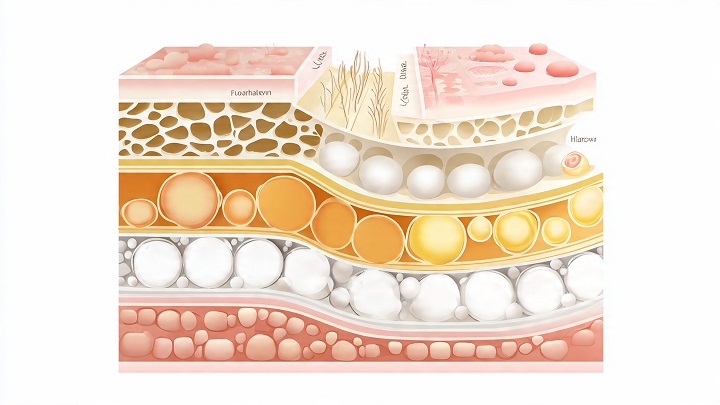
The skin barrier is the outermost layer of your skin, known scientifically as the stratum corneum.
Experts often describe it as a “brick wall” structure: tough skin cells (corneocytes) act as bricks, while lipids such as ceramides, cholesterol, and fatty acids function as the mortar holding everything together.
This protective layer serves two essential purposes:
It prevents harmful environmental toxins, irritants, bacteria, viruses, and fungi from entering the body.
It keeps water inside your body from evaporating, maintaining hydration and skin elasticity.
A healthy skin barrier keeps your skin soft, plump, and supple.
When damaged, the skin becomes dry, rough, dull, and more vulnerable to irritation and infection.
Another crucial element is the skin’s “acid mantle,” a slightly acidic surface layer (typically pH 4.0–5.8).
This acidity helps protect against harmful microbes and supports wound healing.
According to Healthline, cleansing with products in the pH range of 4.0–5.0 can help maintain this protective environment.
What Damages the Skin Barrier?
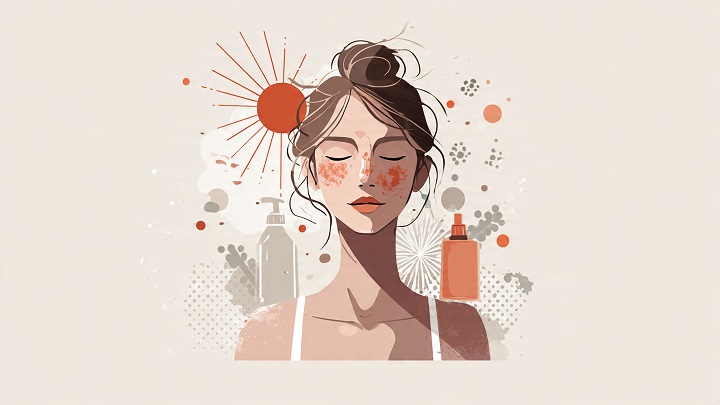
Both external and internal factors can weaken the skin barrier.
Environmental factors include:
Excessive sun exposure
Extremely dry or humid climates
Pollution, allergens, and irritants
Lifestyle factors include:
Poor diet and dehydration
Excess alcohol or caffeine consumption
Smoking
Skincare mistakes include:
Harsh chemicals (sulfates, alcohol, strong fragrances)
Overwashing or over-exfoliating
Using too many active ingredients at once (AHA, BHA, retinol, Vitamin C)
Alkaline cleansers that disrupt pH balance
Medical and biological factors include:
Skin conditions such as eczema, psoriasis, and rosacea
Hormonal changes
Aging (which slows natural repair processes)
Certain medications
Psychological stress and anxiety
When the barrier is compromised, symptoms may include dryness, itchiness, redness, hyperpigmentation, acne breakouts, inflammation, delayed wound healing, stinging sensations, and increased susceptibility to bacterial, viral, or fungal infections.
How to Repair and Protect Your Skin Barrier
Repairing a damaged skin barrier requires patience and consistency.
Depending on severity, it may take several weeks to several months for full recovery.
On average, adult skin renews itself in 28–42 days, and in individuals over 50, this process may take up to 84 days.
1. Simplify Your Skincare Routine
Less is often more.
Avoid layering multiple active ingredients.
Choose gentle, fragrance-free products and exfoliate only once or twice per week using mild methods.
Always use lukewarm water, as very hot or very cold water can irritate the skin.
2. Maintain Proper pH Balance
Use mild, pH-balanced cleansers (around 4.0–5.0).
Avoid alkaline soaps that strip natural oils and weaken the acid mantle.
3. Use Barrier-Repairing Ingredients
Look for moisturizers containing:
Ceramides – Restore lipid structure and improve hydration
Fatty acids and cholesterol – Strengthen the “mortar” between skin cells
Hyaluronic acid and glycerin – Draw water into the skin (humectants)
Petrolatum – An occlusive ingredient that can reduce water loss by up to 99%
Plant oils such as jojoba, coconut, almond, argan, sunflower, soybean, and borage oil – Many offer antibacterial, anti-inflammatory, and antioxidant benefits
Patch testing new products is always recommended to prevent adverse reactions.
Natural Remedies for Skin Barrier Repair
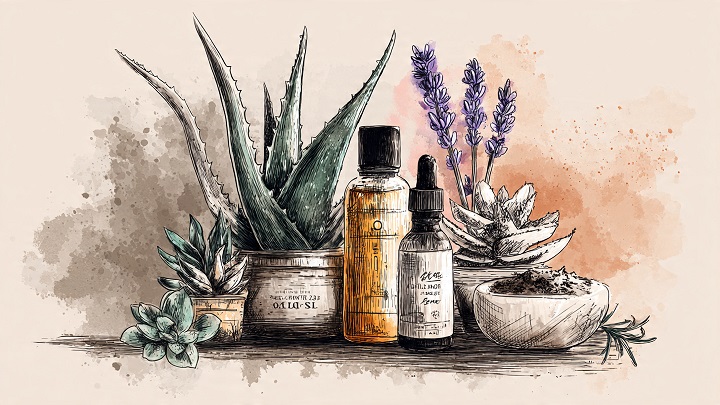
Ayurvedic approaches emphasize both external and internal healing.
Aloe vera soothes sunburn, reduces inflammation, and supports wound healing.
Lavender oil offers antibacterial and antifungal properties, useful for irritated skin.
Shea butter deeply hydrates and supports regeneration.
Jojoba oil helps soothe eczema-like irritation and supports hydration.
Vitamin C supports collagen production, brightening, and healing.
Ice therapy may calm inflammation and soothe irritation when used gently.
Ayurvedic Treatments
Traditional therapies aim to restore balance and hydration:
Abhyanga (oil massage with sesame or coconut oil)
Kumkumadi Tailam (herbal saffron oil blend)
Ubtan (herbal exfoliating paste with turmeric and sandalwood)
Nasya (herbal oil therapy through nasal passages)
Pizhichil (warm herbal oil therapy)
Lepam (herbal mask applications)
Takradhara (medicated buttermilk therapy)
These methods focus on calming inflammation, nourishing tissues, and strengthening the skin barrier from both inside and out.
The Role of Diet in Skin Barrier Health

Healthy skin begins internally.
Foods that may support repair include:
Ghee, almonds, walnuts, amla, leafy greens, turmeric, fresh vegetables, aloe vera juice, whole grains (barley, brown rice), flax seeds, sweet potatoes, sesame seeds, watermelon, pomegranate, and herbal teas.
Foods to limit:
Spicy foods, processed foods, excessive sugar, oily foods, alcohol, caffeine drinks, and excessive dairy.
Does a Damaged Skin Barrier Repair Itself?

The skin has a natural ability to regenerate.
However, recovery depends on the severity of damage and supportive care.
Consulting a dermatologist or qualified Ayurvedic specialist may help accelerate safe healing.
Conclusion
Your skin barrier is far more than a cosmetic concern—it is a vital protective shield that keeps harmful irritants out and essential moisture in.
When damaged, your skin sends clear signals: dryness, sensitivity, redness, breakouts, and inflammation.
The good news is that with mindful skincare, balanced pH products, barrier-supporting ingredients, natural remedies, and proper nutrition, the skin barrier can heal and regain its strength.
Repair takes patience, but every gentle step you take supports your skin’s remarkable ability to renew itself.
Protect your skin barrier today, and you’re not just improving your complexion—you’re strengthening your body’s first line of defense for years to come.
Key Points
The skin barrier is the outermost protective layer that prevents moisture loss and blocks irritants.
Damage can result from harsh skincare, environmental stress, poor lifestyle habits, or medical conditions.
Repair involves simplifying skincare, using pH-balanced products, moisturizing with ceramides and humectants, and supporting skin health internally.
advertisement
Frequently Asked Questions (FAQ)
1. How do I know if my skin barrier is damaged?
Common signs include dryness, itchiness, redness, acne, sensitivity, burning sensation when applying products, and slow healing.
2. How long does it take to repair a damaged skin barrier?
Mild damage may improve within 2–4 weeks. More severe cases may take several months. Skin renewal typically occurs every 28–42 days (longer after age 50).
3. Can I use active ingredients while repairing my barrier?
It’s best to pause strong actives like retinol or chemical exfoliants until your skin stabilizes.
4. Are natural remedies enough to repair the barrier?
They can support healing, but severe damage may require dermatological or clinical guidance.
5. Is moisturizing necessary for oily skin?
Yes. All skin types need hydration to maintain a strong barrier. Choose lightweight, non-comedogenic formulas.
Sources
- Healthline – Medical overview of skin barrier function, damage causes, and repair strategies
https://www.healthline.com/health/skin-barrier - AyurClinic – Ayurvedic perspective on repairing skin barrier naturally
https://www.ayurclinic.com.au/how-to-repair-skin-barrier
Thank you !