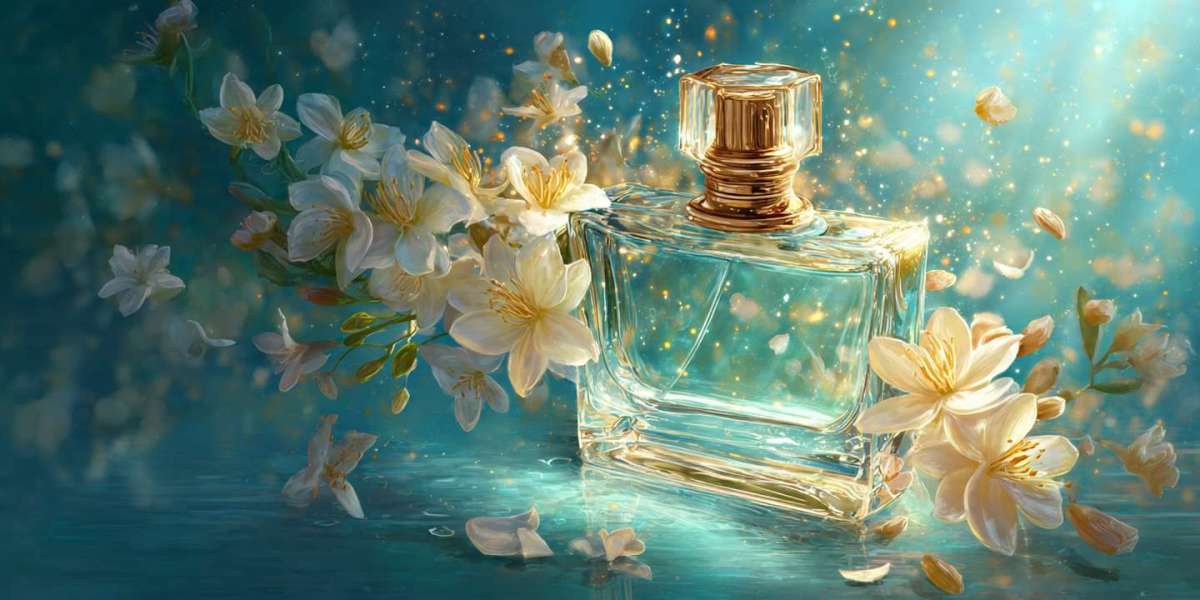

Why Some Perfumes Feel Irresistibly Addictive: The Science and Psychology Behind Scent Obsession
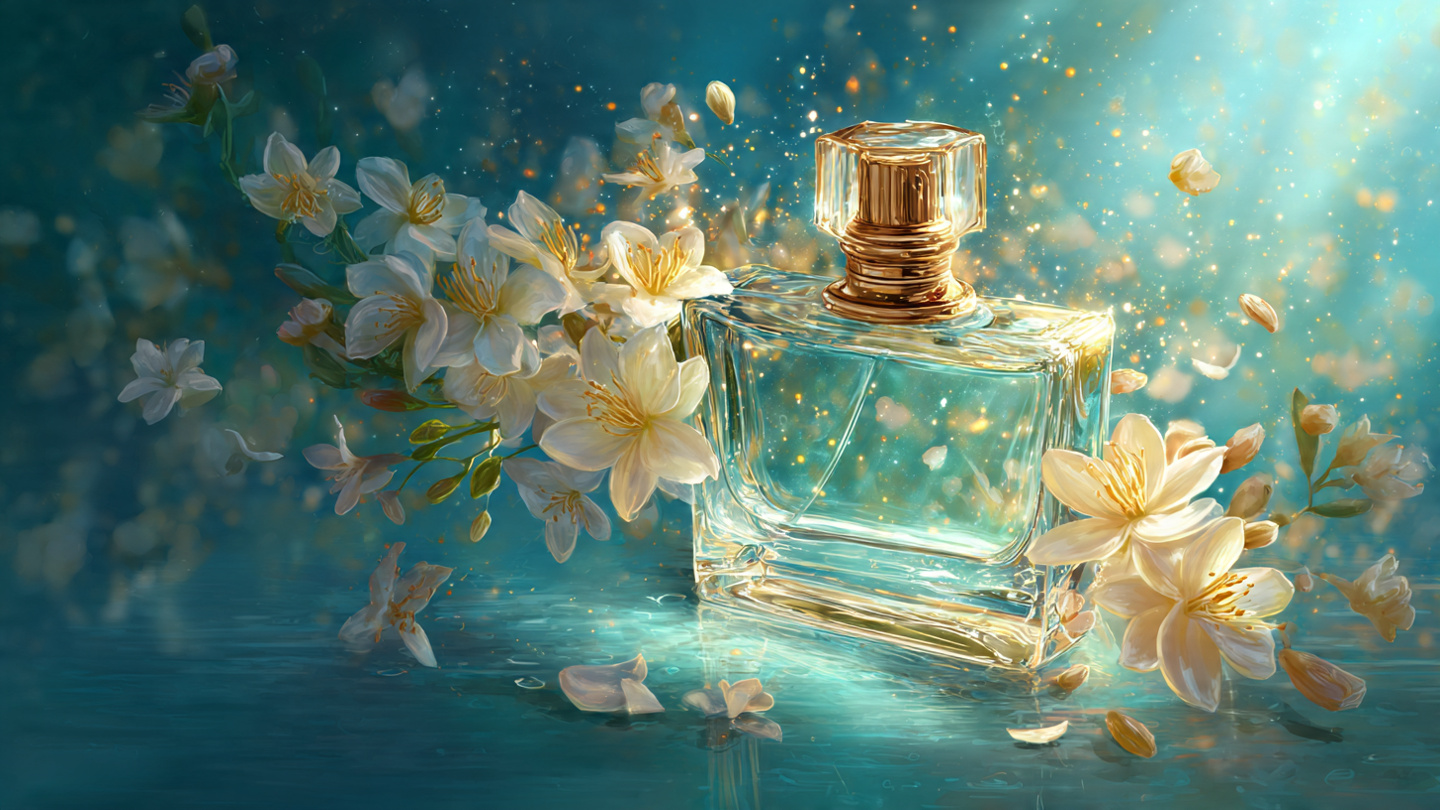
Key Points:
Perfumes tap into memory, emotion, and attraction.
Gourmand, floral, and ambery notes trigger irresistible cravings.
Signature scents are personal expressions of identity and allure.
advertisement
Perfumes are more than just pleasant aromas—they can become deeply addictive, lingering in memory and sparking emotions we can’t easily shake. From the cozy sweetness of caramel and vanilla to the heady intensity of jasmine or amber, certain fragrances have a unique ability to draw us in and keep us coming back. But what makes some perfumes feel so irresistible?
The answer lies at the intersection of psychology, chemistry, and sensory experience. Perfumes engage our brains in ways that trigger memory, emotion, and even attraction. This is why a scent can instantly evoke someone you know, a fond memory, or a feeling of desire. The phenomenon, often called “perfume addiction” or “fragrance obsession,” explains why the more we experience certain scents, the more we crave them.
The Psychology of Perfume: How Scent Influences Emotion and Behavior
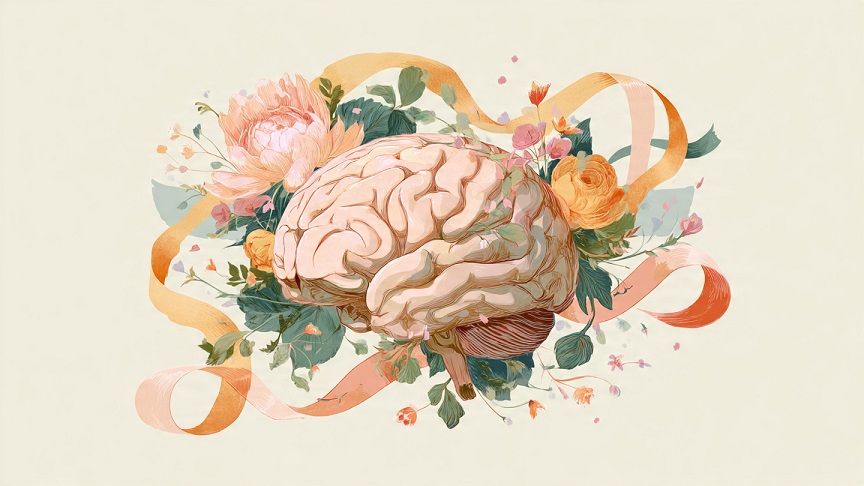
Perfumes aren’t just about smell—they tap directly into our emotional centers. The science of aromachology explores how specific fragrances affect mood, behavior, and memory. This is why retail spaces, hotels, and even casinos use signature scents to influence customers’ emotions and behavior. Studies show that ambient fragrance can boost comfort, evoke luxury, and even increase dwell time or spending in certain environments.
Gourmand Notes: Craving Comfort Through Fragrance
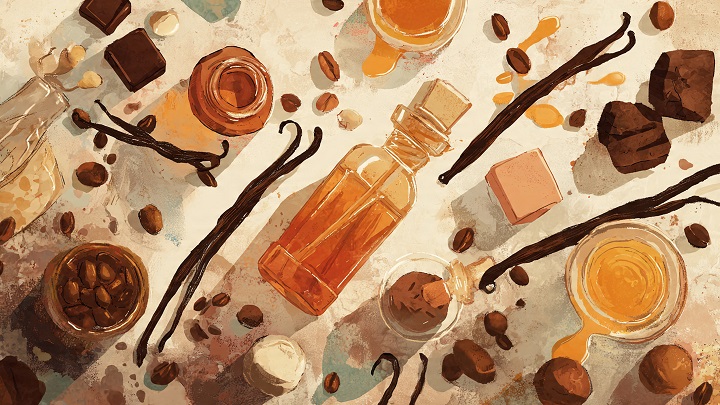
One of the most addictive elements in perfumes is gourmand notes—scents that mimic sweet, comforting foods. Think caramel, vanilla, chocolate, honey, coffee, or fruity lactonic accords like plum or raspberry. Even alcoholic notes, such as cognac or whiskey, can trigger cravings. These fragrances stimulate the brain’s reward system, creating feelings of warmth, nostalgia, and indulgence. The result is a perfume that feels cozy, familiar, and impossible to resist.
advertisement
Indolic Florals: Nature’s Seduction in a Bottle

Floral notes, particularly indolic flowers like jasmine, tuberose, ylang-ylang, and gardenia, are naturally designed to attract pollinators—but humans respond to them too. These compounds create an almost primal attraction, combining innocence with sensuality. Perfumes featuring lush florals often leave an unforgettable trail, enhancing allure and confidence while tapping into deep emotional responses.
How to Discover Your Addictive Scent
Finding a personal signature scent is about connecting with your emotions and personality. Experimenting with different perfume families—gourmand, floral, woody, ambery, or even alcoholic—helps identify which aromas resonate with your identity or desired mood. The most addictive fragrances often feel like a natural extension of yourself, enhancing confidence and self-expression.
For example, a scent like MAISON 21G’s Tuberose Tribute offers creamy, luxurious florals, while Leather Lust combines rich leather with bold cognac, evoking sophistication and sensuality. Signature perfumes don’t just smell good—they become part of your personal story.
advertisement
Sexy Perfumes for Men and Women: The Art of Attraction
Certain perfumes are specifically crafted to enhance allure. For women, seductive fragrances often blend floral, fruity, and ambery notes—vanilla, jasmine, tuberose, honey, raspberry, or tonka bean. Iconic examples include YSL Black Opium and Maison Francis Kurkdjian Baccarat Rouge 540.
For men, sexy fragrances often feature woody, oud, spicy, and ambery notes combined with aromatic herbs or leather. Classics like Dior Sauvage, Creed Aventus, and Tom Ford Oud Wood highlight confidence, charisma, and memory-inducing appeal.
The Takeaway: Why Perfumes Feel Addictive
Perfume addiction isn’t just a marketing term—it’s a real psychological and sensory experience. From comforting gourmand notes to heady florals and seductive blends, fragrances have the power to evoke memories, enhance emotions, and even influence attraction. Finding a scent that resonates with your identity can elevate daily life, boost confidence, and create lasting impressions.
In the end, perfumes are more than luxury items—they’re tools for self-expression, emotional connection, and unforgettable experiences. The next time a fragrance captures your attention, remember: there’s a fascinating mix of science and psychology behind that irresistible allure.
Key Points Summary
Perfume addiction stems from memory, emotion, and attraction triggers.
Gourmand, floral, and ambery notes evoke warmth, nostalgia, and desire.
Signature scents are personal, enhancing self-expression and confidence.
advertisement
Frequently Asked Questions (FAQ)
Q1: Why do some perfumes feel more addictive than others?
A1: Addictive perfumes often feature gourmand, floral, or ambery notes that stimulate emotional memory and the brain’s reward system.
Q2: Can scent influence mood and behavior?
A2: Yes, aromachology shows that scents can evoke emotions, trigger memories, and even influence consumer behavior.
Q3: How do I find my own addictive perfume?
A3: Experiment with different fragrance families and select scents that resonate with your personality, evoke positive memories, or reflect your desired mood.
Q4: Are there specific perfumes designed to attract others?
A4: Yes, seductive perfumes often use combinations of florals, spices, woods, amber, and gourmand notes to enhance allure and confidence.
Q5: Can men’s and women’s fragrances be equally addictive?
A5: Absolutely. Men’s fragrances often feature woody, spicy, and leathery notes, while women’s fragrances highlight florals, gourmand, and fruity accords.
Sources
Maison 21G – In-depth exploration of addictive perfumes and the psychology behind scent
https://www.maison21g.com/articles/why-do-certain-perfumes-feel-more-addictive-lets-uncover-the-mystery-behind-this
Thank you !