
article image source: phys.org (Link)
Engineered Bacteria Emit Hyperspectral Signals Detectable From 90 Meters Away — A New Frontier in Remote Biosensing
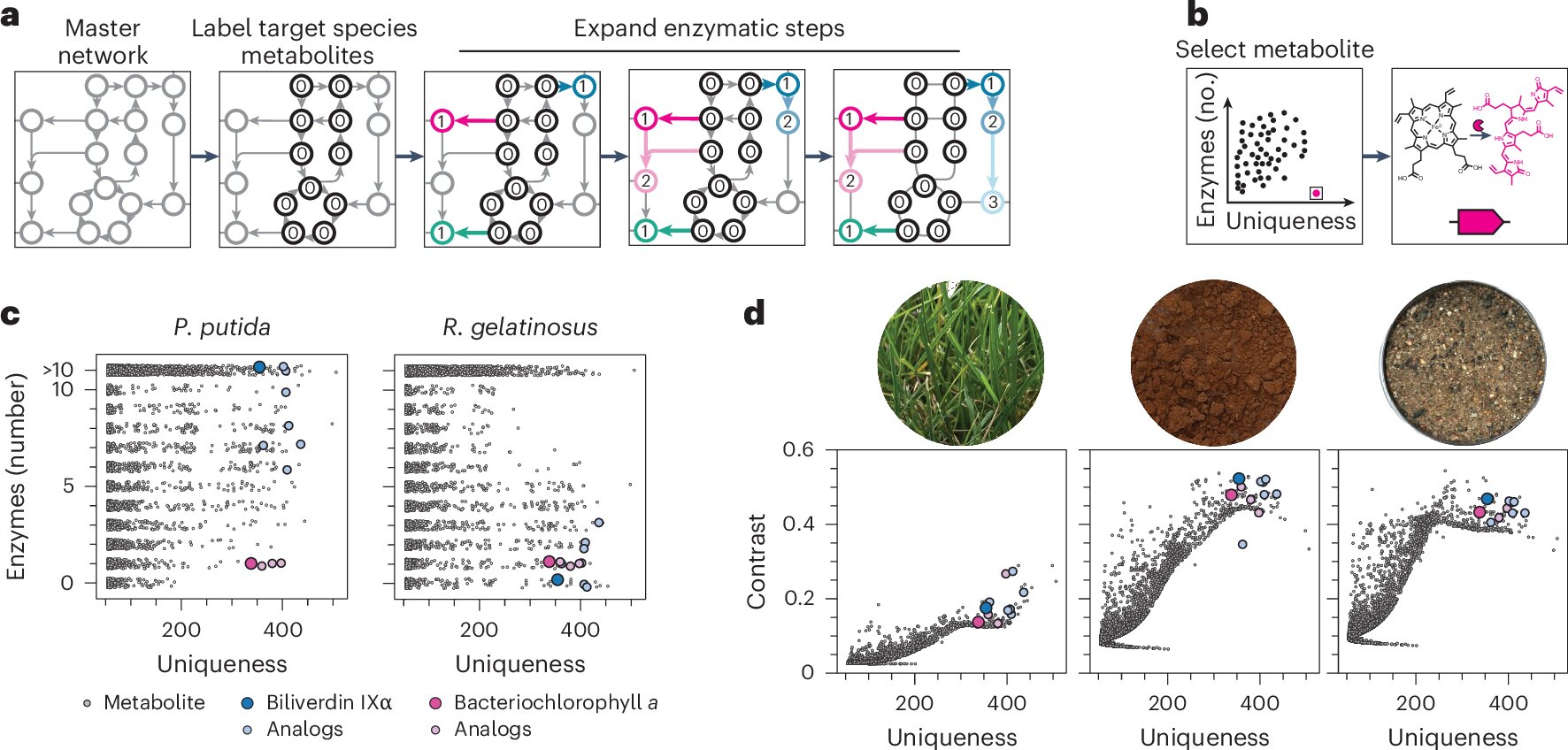
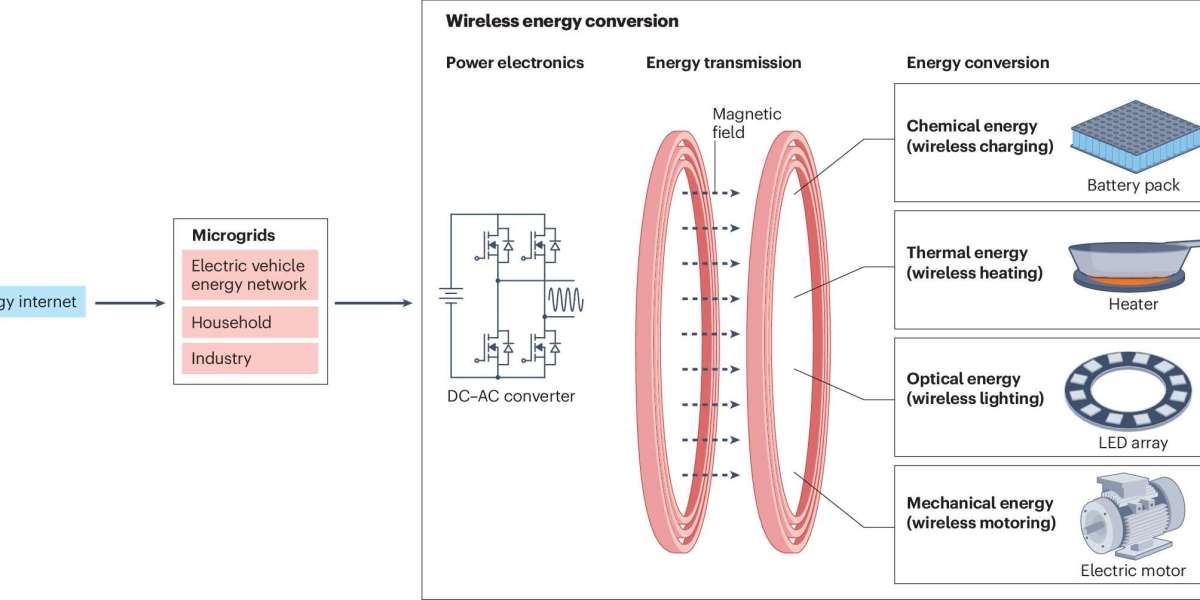
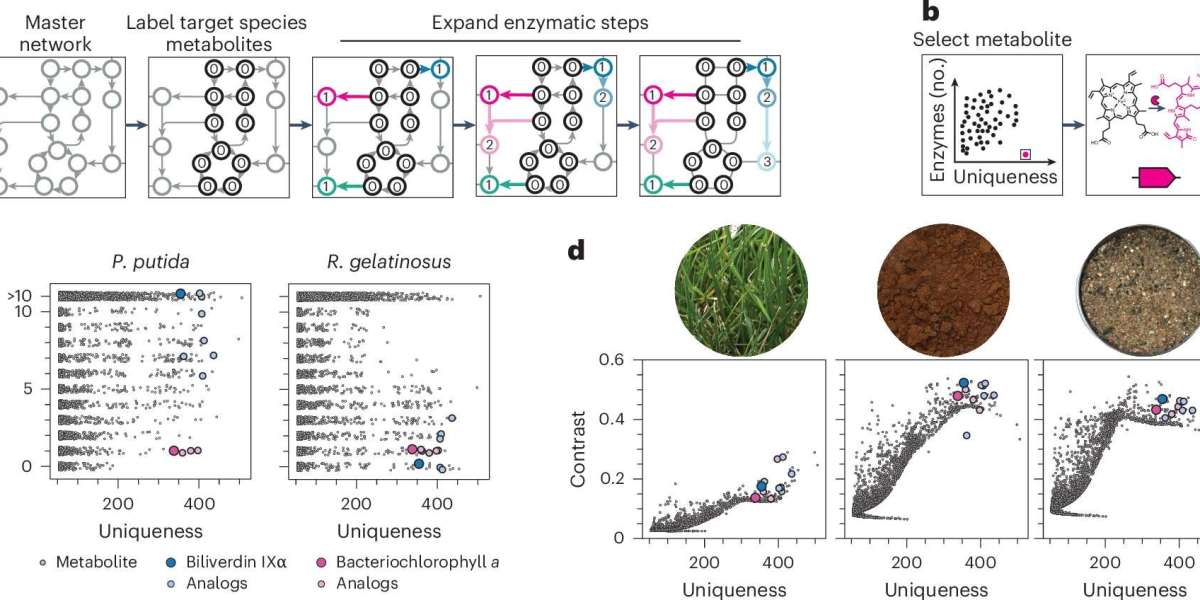
Computational HSR design. Credit: Nature Biotechnology (2025). DOI: 10.1038/s41587-025-02622-y
image source: phys.org
- Scientists engineered bacteria to produce unique color signatures that can be read from far away using hyperspectral cameras.
- This technology could enable drone- or satellite-based monitoring of soil nutrients, pollutants, and other environmental targets.
- The method relies on specially chosen reporter molecules and could be adapted to many existing bacterial sensors.
advertisement
Imagine a future where bacteria in the soil can silently “report” on nutrient levels, pollutants, or toxins — and drones or satellites can read those reports from a distance. That future is closer than you think. Researchers at MIT have engineered bacteria to emit hyperspectral signals that can be detected from up to 90 meters away, opening the door to large-scale environmental monitoring without the need for microscopes or lab equipment.
How the Bacteria “Speak” Through Light
Traditional engineered bacterial sensors often rely on outputs like green fluorescent protein (GFP), which are only visible under microscopes or sensitive lab instruments. This makes them impractical for real-world, large-scale applications. MIT’s new approach changes that by enabling bacteria to produce hyperspectral reporter molecules — substances that emit unique patterns of light across multiple wavelengths.
Hyperspectral cameras, invented in the 1970s, do not just see color — they capture detailed spectral signatures in each pixel. These cameras are already used in areas like radiation detection and agriculture, where they can identify subtle changes in plant chlorophyll caused by radiation or disease. MIT researchers realized this technology could also read engineered bacterial signals if the bacteria produced molecules with distinct spectral fingerprints.
Choosing the Best Reporter Molecules
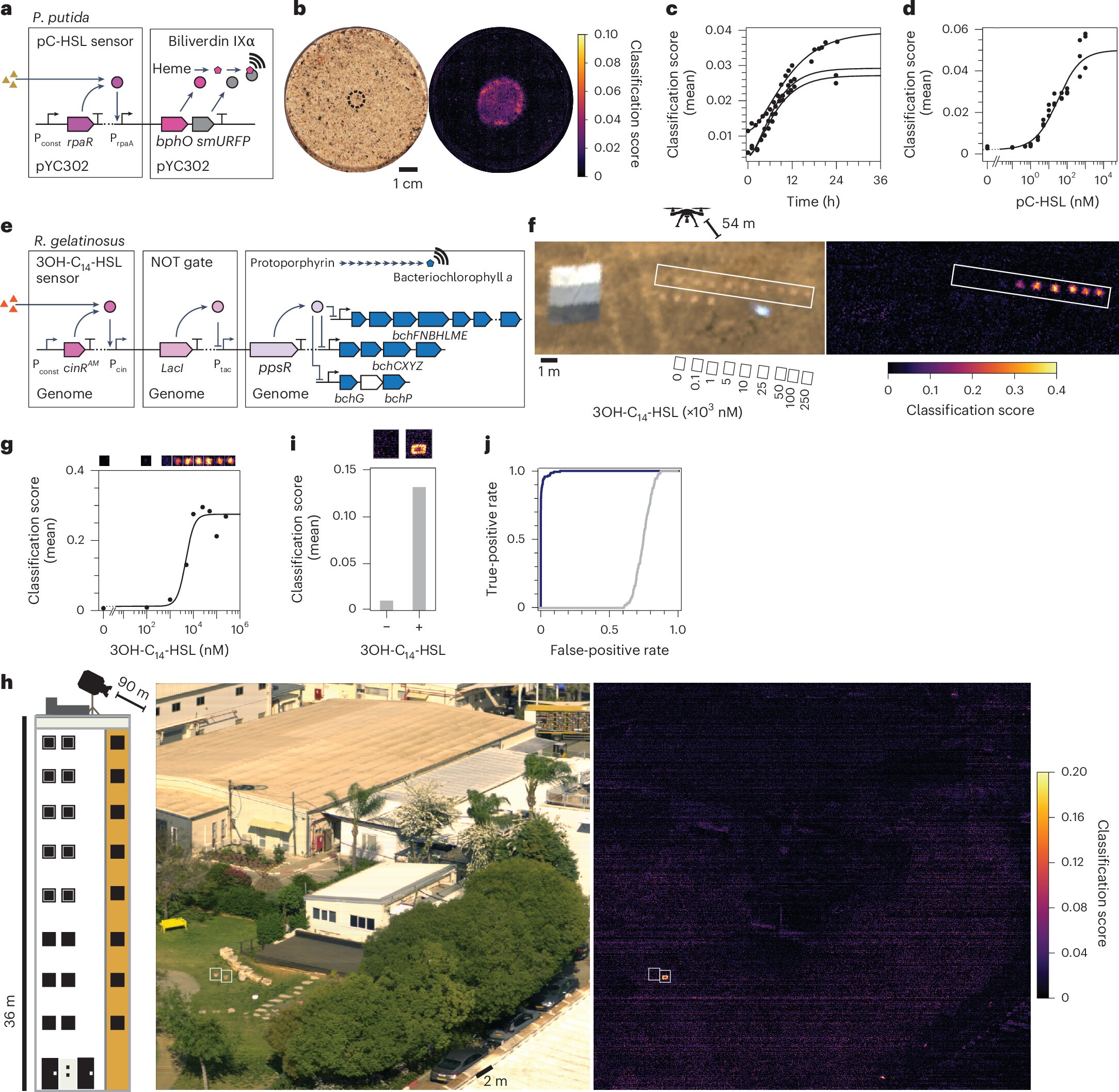
Remote detection of chemical signals using HSRs. Credit: Nature Biotechnology (2025). DOI: 10.1038/s41587-025-02622-y
image source: phys.org
The team screened roughly 20,000 naturally occurring molecules using quantum calculations to predict which ones would generate the most unique hyperspectral signatures. The ideal reporter molecule needed to:
Produce distinct spectral peaks across multiple wavelengths
Require few engineered enzymes to produce inside the cell
Be naturally compatible with the host bacterium
They identified two strong candidates:
Biliverdin for Pseudomonas putida (a soil bacterium)
Bacteriochlorophyll for Rubrivivax gelatinosus (an aquatic bacterium)
Each bacterium was engineered with the necessary enzymes to produce its reporter molecule. These enzymes were then linked to genetic circuits that activate when the bacteria detect specific stimuli.
From Lab to Field: Detecting Signals from 90 Meters Away
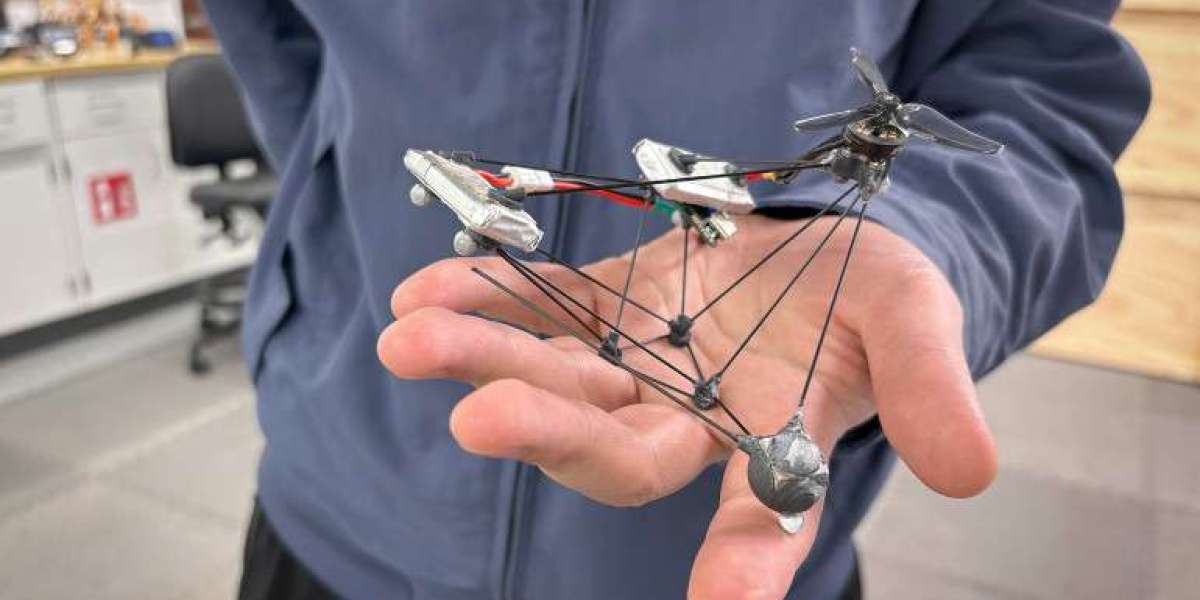
To test their system, researchers placed engineered bacteria in contained boxes in various environments such as fields, deserts, and rooftops. Hyperspectral cameras mounted on drones scanned the area for 20–30 seconds, and algorithms analyzed the data to detect the reporter signals.
The team successfully detected signals from up to 90 meters away in this study, and they are actively working to increase that distance. The current sensor circuits were designed for quorum sensing (detecting other bacteria), but the researchers emphasize that the same system can be adapted to detect chemicals such as arsenic, pollutants, or nutrient levels.
Potential Applications and Future Uses
The versatility of this technology means it could be applied in many fields:
Agriculture: Monitor soil nitrogen and nutrient levels at scale
Environmental cleanup: Detect pollutants or toxins remotely
Landmine detection: Identify chemical signatures in contaminated soil
Plant-based sensors: Engineering plants to emit hyperspectral signals for easier monitoring
The researchers stress that the system is designed to be plug-and-play — any existing genetically encoded sensor could be paired with these reporter molecules, making the approach adaptable to a wide range of targets.
advertisement
Regulatory and Safety Considerations
Before these engineered bacteria can be used outside the lab, they must pass regulatory approval from agencies such as the U.S. Environmental Protection Agency and the U.S. Department of Agriculture, especially for agricultural use. Researchers Christopher Voigt and Yonatan Chemla have been actively working with these agencies and stakeholders to address safety concerns and determine what evidence is needed for approval.
Chemla emphasized the importance of this step:
“We’ve been very busy in the past three years working to understand what are the regulatory landscapes and what are the safety concerns, what are the risks, what are the benefits of this kind of technology?”
Conclusion — A Bright Future for Remote Biosensing
This breakthrough marks a major leap toward practical, large-scale biological sensing. By converting bacterial responses into hyperspectral light signals, researchers have created a system that can be monitored remotely — without the need for expensive lab equipment or close proximity. The plug-and-play nature of the technology means it can potentially be adapted to detect many environmental and agricultural targets, from soil nutrients to pollutants.
As the researchers continue to extend detection distances and refine regulatory pathways, this approach could revolutionize how we monitor the world around us. From smarter farming to safer environments, engineered bacteria that “glow” from a distance could soon become a powerful tool for global sensing.
Key Points Summary
MIT engineers developed bacteria that emit unique hyperspectral signals.
Signals can be detected from up to 90 meters using hyperspectral cameras.
The system uses biliverdin and bacteriochlorophyll reporters in different bacteria.
Hyperspectral cameras read complex color signatures rather than simple fluorescent output.
Sensors can be adapted for pollutants, nutrients, and other environmental targets.
Applications include agriculture, pollution detection, and landmine identification.
Regulatory approval is required before real-world deployment.
advertisement
Frequently Asked Questions (FAQ)
Q1: What makes these bacteria different from typical engineered sensors?
A1: Traditional bacterial sensors rely on outputs like GFP, which require close-up lab equipment. These engineered bacteria produce hyperspectral reporter molecules that can be detected from far away using hyperspectral cameras.
Q2: How far can the signals be detected?
A2: The study reports detection from up to 90 meters, and researchers are working to extend this range further.
Q3: What is hyperspectral imaging?
A3: Hyperspectral cameras capture hundreds of light wavelengths per pixel, allowing detection of unique spectral signatures rather than just basic colors.
Q4: What are the reporter molecules used?
A4: The researchers used biliverdin in Pseudomonas putida and bacteriochlorophyll in Rubrivivax gelatinosus.
Q5: Can this technology be used for agriculture?
A5: Yes — it could monitor soil nutrients, nitrogen levels, or plant health from a distance.
Q6: What about safety and regulation?
A6: Deployment requires approval from agencies like the U.S. EPA and USDA, and researchers are actively working on safety and regulatory questions.
Sources
- Phys.org – News article on MIT’s engineered bacteria emitting signals detectable from 90 meters
https://phys.org/news/2025-04-bacteria-emit-distance.html
Thank you !