
article image source: medicalxpress.com (Link)
How Red Light Therapy Could Revolutionize Brain Protection Against CTE in Athletes
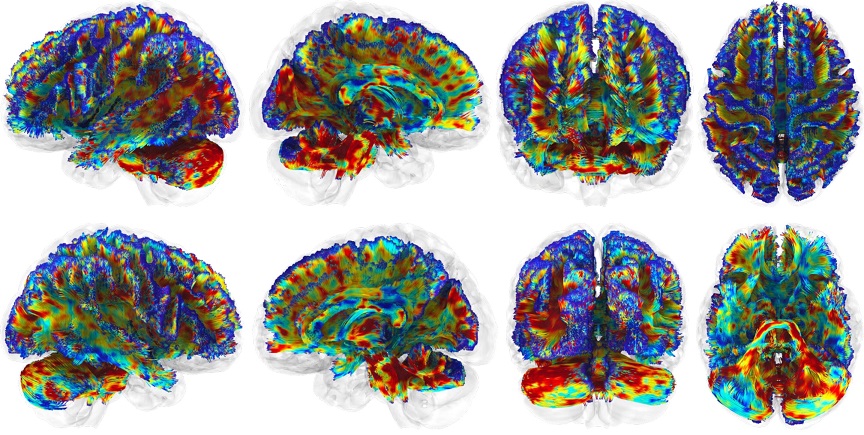
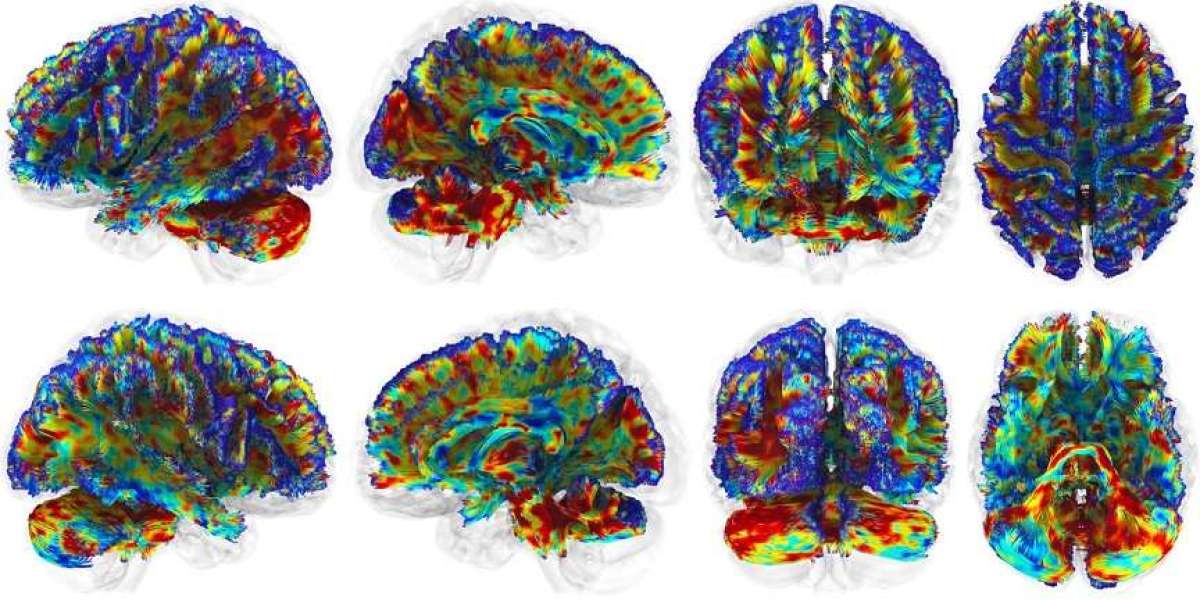
for football players on the placebo treatment.
Red corresponds to the greatest increase in inflammation. Credit: Hannah Lindsey, Ph.D.
image source: medicalxpress.com
Red light therapy shows potential in reducing brain inflammation from repeated head impacts.
CTE remains an incurable risk for contact sports athletes and military personnel.
Emerging studies suggest a non-invasive approach could help protect long-term brain health.
Introduction
Chronic Traumatic Encephalopathy (CTE) is a degenerative brain disease caused by repeated head injuries, often affecting athletes in contact sports like football and boxing, as well as military personnel exposed to blasts. Symptoms range from memory loss, confusion, and emotional instability to severe motor impairments in later stages.
Recent research points to a surprising ally in the fight against CTE: red light therapy, also known as photobiomodulation. Already popular in the U.S. for skin rejuvenation, pain relief, and tissue healing, this therapy may also reduce the brain inflammation that drives long-term damage from repeated head impacts.
What is CTE?
Progressive brain disease from repeated head injuries
Common in athletes and military personnel
Symptoms include memory loss, confusion, aggression, and difficulty with movement
advertisement
Red Light Therapy and Brain Health
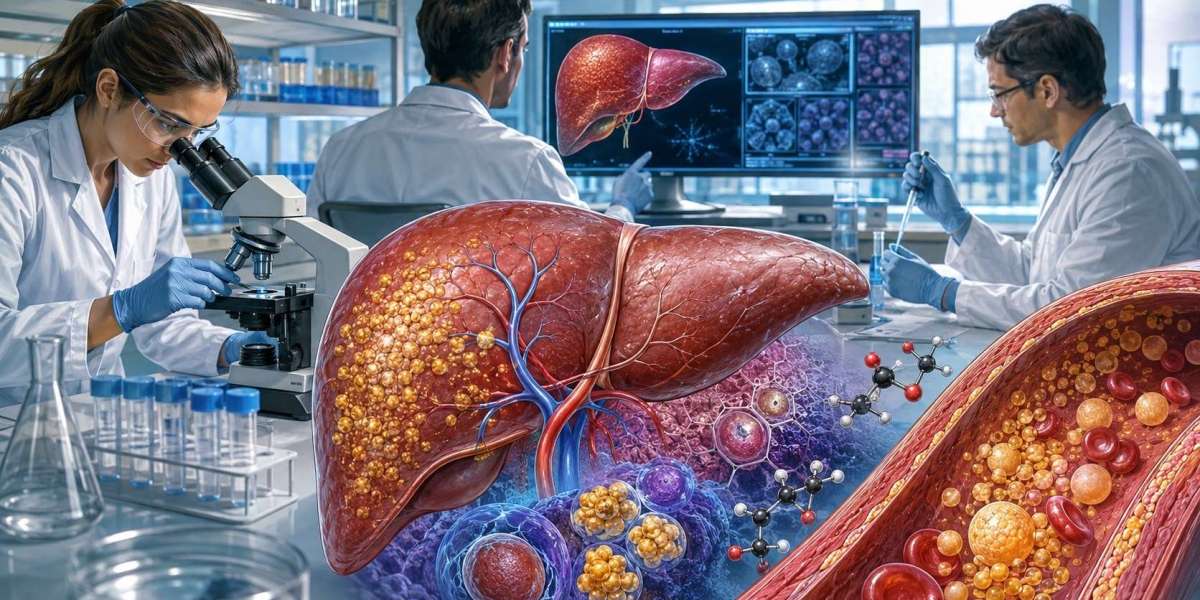
A groundbreaking study conducted by University of Utah Health investigated whether red light therapy could protect the brains of collegiate football players exposed to repetitive impacts over a full season. Twenty-six players were divided into two groups: one received active therapy via a specialized helmet and nasal device emitting near-infrared light, while the other group used a placebo device that emitted no light. Players self-administered the therapy three times a week for 20 minutes per session across the 16-week season.
MRI scans revealed striking differences. Players in the placebo group showed a significant increase in brain inflammation, while those who received red light therapy maintained stable inflammation levels across nearly all brain regions. According to Dr. Hannah Lindsey, research associate in neurology and first author of the study, the results were “so striking” they initially seemed unbelievable.
How Red Light Therapy Works
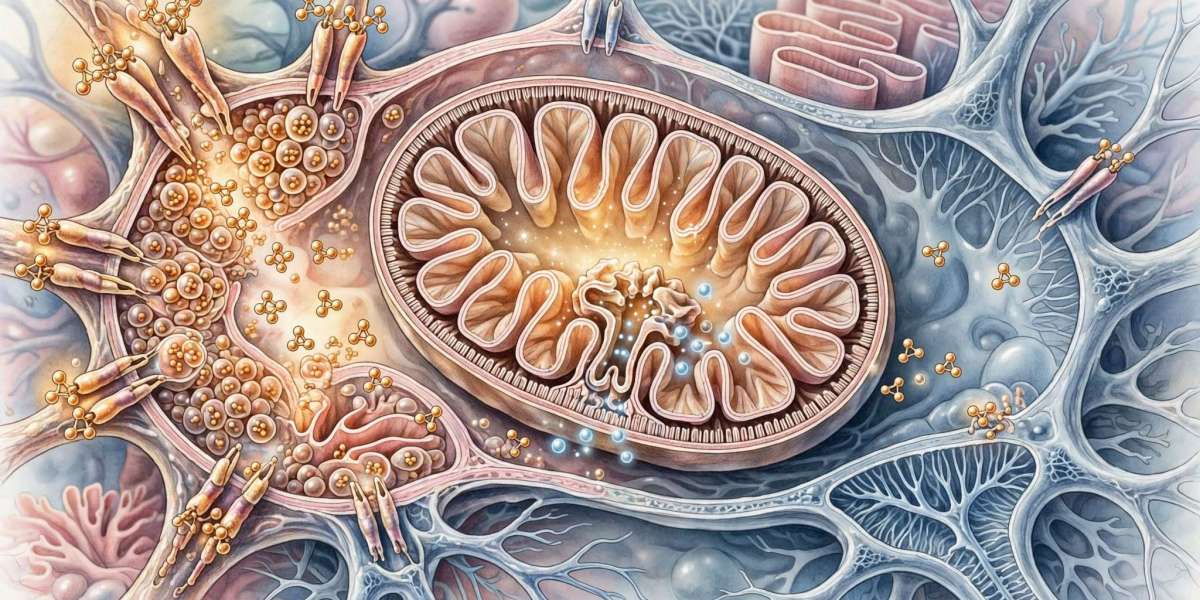
Near-infrared light penetrates the skull and reaches brain tissue
Boosts cellular energy and blood flow
Reduces inflammation molecules in the brain
Non-invasive with minimal side effects
Current Limitations and Future Research
Experts caution that red light therapy is still in its early stages for brain protection. The small sample size of the University of Utah study and variations in initial inflammation levels highlight the need for larger randomized clinical trials. A forthcoming study funded by the U.S. Department of Defense will involve 300 participants, including veterans, first responders, and active-duty military personnel with persistent concussion or traumatic brain injury symptoms.
While early results are promising, medical professionals emphasize that not all red light devices are effective. Specific wavelengths and power levels are required to penetrate the skull and affect brain tissue, meaning consumer-grade devices may not provide the same benefits. Safety remains a priority; no major side effects were reported in preliminary studies, but long-term effects are still being evaluated.
Future Research Goals
Confirm effectiveness in larger, diverse populations
Evaluate long-term safety of therapy
Explore potential use for athletes of all ages and military personnel
advertisement
The Broader Implications for Sports and Safety
Red light therapy’s potential goes beyond professional athletes. If future studies confirm its efficacy, it could provide a non-invasive tool to help protect the brains of players at all levels, from youth sports to the pros. Dr. Carrie Esopenko, associate professor of neurology at University of Utah Health, hopes the therapy will allow children and adults to enjoy sports safely while minimizing the long-term risks of brain injury.
CTE remains a formidable challenge, but therapies like photobiomodulation represent a hopeful shift toward prevention rather than reaction. Combining protective gear, safer training practices, and emerging treatments could help athletes maintain not just performance but lifelong neurological health.
Why It Matters
Protects long-term brain health
May reduce risk of memory loss and emotional instability
Could make sports and high-risk professions safer
Conclusion
CTE is one of the most serious consequences of repeated head impacts, yet innovation in brain health offers renewed hope. Red light therapy, a non-invasive approach already used for healing and pain relief, demonstrates the potential to reduce neuroinflammation, a key driver of CTE. While more research is needed to confirm these findings, the preliminary results are inspiring: a future where athletes and military personnel can pursue their passions without compromising long-term brain health may be closer than we think. By embracing emerging science, we can protect the brains of today while safeguarding the memories, personalities, and lives of tomorrow.
Key Points
Red light therapy (photobiomodulation) shows promise in reducing brain inflammation caused by repeated head impacts.
A University of Utah study demonstrated that athletes using red light therapy maintained stable brain inflammation levels compared to a placebo group.
Near-infrared light penetrates the skull, boosts cellular energy, and improves blood flow in the brain.
Therapy is non-invasive with minimal reported side effects, but device specifics (wavelength and power) are crucial for effectiveness.
Larger clinical trials are needed to confirm efficacy and evaluate long-term safety.
Potential applications extend beyond professional athletes to youth sports, military personnel, and high-risk occupations.
advertisement
Frequently Asked Questions (FAQ)
Q1: What is red light therapy and how does it help the brain?
A1: Red light therapy, also called photobiomodulation, uses near-infrared light to penetrate the skull, increase cellular energy, improve blood flow, and reduce inflammation molecules, potentially protecting brain tissue from damage due to repeated impacts.
Q2: Who might benefit from red light therapy?
A2: Athletes in contact sports, military personnel exposed to blasts or repeated concussions, and potentially youth or amateur athletes could benefit if ongoing studies confirm effectiveness.
Q3: Is red light therapy safe?
A3: Early studies report minimal side effects, but long-term safety is still under investigation. Proper devices with correct wavelengths and power levels are essential.
Q4: Can consumer red light devices protect the brain?
A4: Not necessarily. Many consumer-grade devices do not emit the specific wavelengths or power required to penetrate the skull effectively, meaning they may not provide the same neuroprotective benefits.
Q5: What are the next steps for research?
A5: Larger, diverse clinical trials are planned to confirm efficacy, evaluate long-term safety, and explore broader use among athletes of all ages and military personnel.
Sources
University of Utah Health Sciences – Research on red light therapy protecting football players’ brains
https://medicalxpress.com/news/2026-01-red-therapy-football-players-brains.htmlNew York Post – Coverage of red light therapy’s potential to prevent CTE in athletes
https://nypost.com/2026/01/22/health/already-available-therapy-could-protect-against-cte/
Thank you !