
article image source: sciencedaily.com (Link)
China’s “Artificial Sun”: Breaking Fusion Barriers for a Clean Energy Future

image source: sciencedaily.com
Key Points:
China’s EAST reactor achieved a groundbreaking density-free regime in fusion plasma.
Controlled plasma-wall interactions can prevent instabilities at extreme densities.
This breakthrough could accelerate the path to practical fusion energy.
advertisement
Introduction
China’s ambitious fusion project, nicknamed the “artificial sun,” has once again captured global attention. In early 2026, researchers at the Experimental Advanced Superconducting Tokamak (EAST) achieved a milestone many scientists thought impossible: stable plasma at densities previously considered unmanageable. This achievement is not just a technical triumph—it could reshape the future of clean, limitless energy.
What Makes the “Artificial Sun” Special
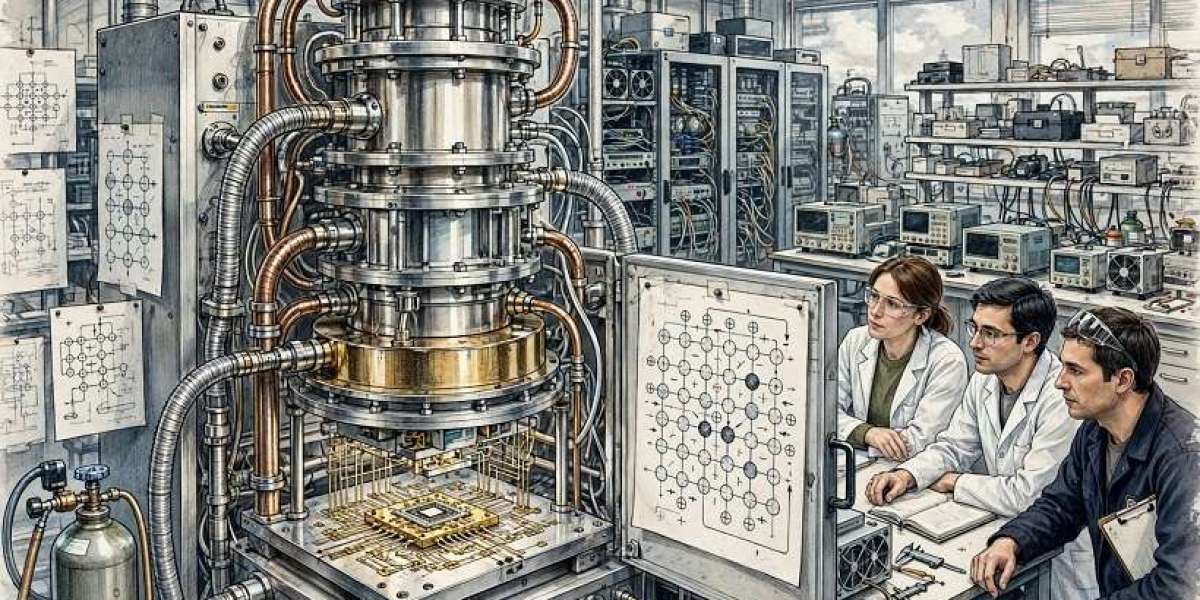
The EAST reactor is a fully superconducting tokamak, designed to mimic the processes that power the sun. By confining superheated plasma with magnetic fields, it aims to initiate nuclear fusion reactions. Unlike conventional energy sources, fusion produces energy without greenhouse gas emissions or long-lived radioactive waste.
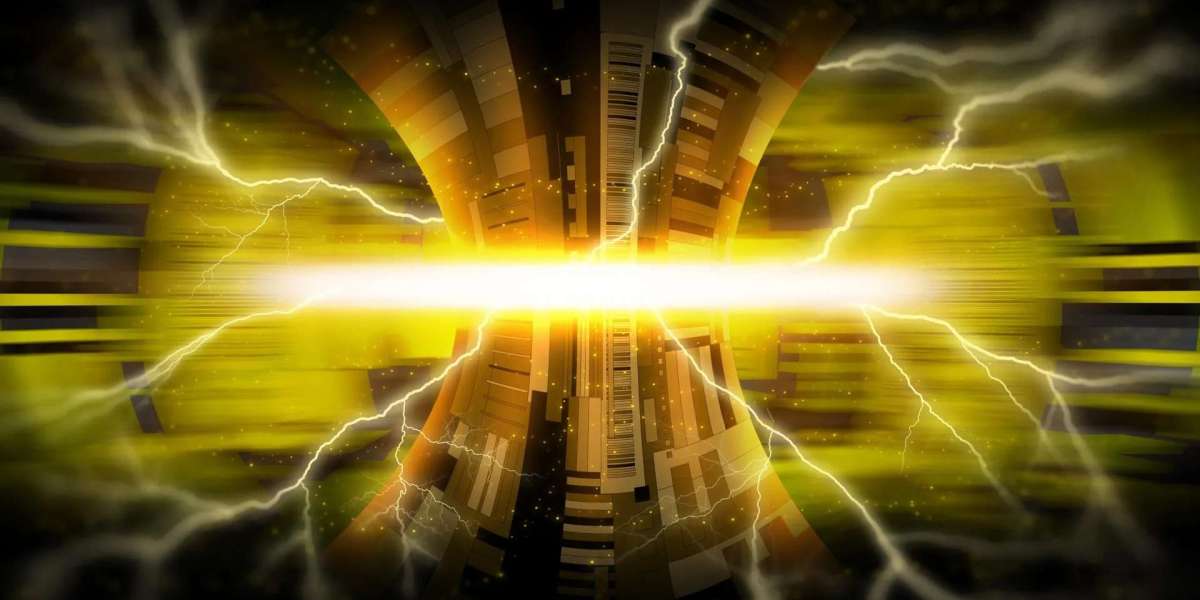
The recent breakthrough came when scientists successfully entered what is called a density-free regime. In this state, plasma remains stable even at extremely high densities, surpassing long-standing empirical limits. This was made possible by carefully controlling how the plasma interacts with the reactor walls—a factor previously underestimated in fusion research.
Why Density Limits Matter in Fusion
Nuclear fusion relies on heating deuterium and tritium to around 150 million kelvin, creating conditions where atomic nuclei can collide and release vast amounts of energy. The amount of fusion power increases with the square of plasma density. However, pushing density too high usually leads to instabilities, disrupting confinement and halting the reaction. These limits have been a key bottleneck in making fusion commercially viable.
The EAST team, co-led by Prof. Ping Zhu and Associate Prof. Ning Yan, used a new approach that carefully optimized fuel gas pressure and applied electron cyclotron resonance heating during startup. This minimized energy losses and impurities, allowing the plasma to stabilize at unprecedented densities.
Plasma-Wall Self Organization: Theoretical Insight
This achievement also confirmed a theoretical framework known as plasma-wall self organization (PWSO), initially proposed by researchers in France. According to PWSO theory, plasma can reach a stable, density-free state if interactions with reactor walls are balanced. The EAST experiments provided the first experimental proof of this concept, showing that high-density plasma operation is feasible without triggering disruptive instabilities.
Implications for Fusion Energy
The success of EAST represents more than just a scientific milestone. It suggests a practical and scalable path to increasing plasma density in tokamaks and next-generation fusion reactors. Prof. Zhu emphasized that these findings could accelerate progress toward fusion ignition, the point at which a reactor produces more energy than it consumes. Associate Prof. Yan highlighted plans to test this approach under high-performance plasma conditions, potentially paving the way for future commercial fusion plants.
Conclusion
China’s “artificial sun” has illuminated a new frontier in the quest for clean, sustainable energy. By pushing plasma beyond previously insurmountable density limits, EAST has not only validated critical theoretical models but also opened a pathway toward practical fusion power. As fusion research continues to advance, breakthroughs like this bring humanity closer to a future where abundant, carbon-free energy is a reality—a vision that once seemed almost impossible, now within reach.
Key Points Summary
EAST tokamak achieved a density-free regime, stabilizing plasma at extreme densities.
Plasma-wall interactions were carefully controlled to prevent instabilities.
Breakthrough accelerates the global pursuit of practical fusion energy.
advertisement
Frequently Asked Questions (FAQ)
Q1: What is China’s “artificial sun”?
A1: It is the Experimental Advanced Superconducting Tokamak (EAST), a reactor designed to replicate the sun’s fusion processes for clean energy.
Q2: What was the recent breakthrough?
A2: EAST achieved a density-free regime, allowing plasma to remain stable at densities previously considered impossible.
Q3: Why are density limits important in fusion?
A3: Fusion power increases with plasma density, but high densities usually cause instabilities that disrupt the reaction. Overcoming these limits is crucial for viable fusion energy.
Q4: How does this affect the future of energy?
A4: This breakthrough offers a path toward fusion ignition, potentially enabling limitless, carbon-free energy for the world.
Q5: Who led this research?
A5: Prof. Ping Zhu of Huazhong University of Science and Technology and Associate Prof. Ning Yan of the Chinese Academy of Sciences co-led the experiments.
Sources :
ScienceDaily – China’s “artificial sun” breaks a long-standing fusion density limit
https://www.sciencedaily.com/releases/2026/01/260101160855.htm
Thank you !