

Rumors and Gossip: How False Stories Spread, Why They Harm, and How to Stop Them

3 Key Takeaways (Quick Read)
Rumors spread fast because they tap into emotions like fear, curiosity, and the need to belong.
Being targeted by gossip can seriously affect mental health, confidence, and relationships.
Choosing respectful communication and setting boundaries can stop the cycle and restore trust.
advertisement
Introduction: Why Rumors Matter More Than We Think
Rumors and gossip are as old as human interaction itself. From school corridors to workplaces and online spaces, false or exaggerated stories can travel faster than facts. While some gossip may seem harmless, malicious rumors often carry serious consequences, affecting mental health, reputations, and entire communities. Understanding why rumors spread, how they harm, and what we can do to prevent them is the first step toward healthier communication and stronger social bonds.
What Are Rumors and Gossip?
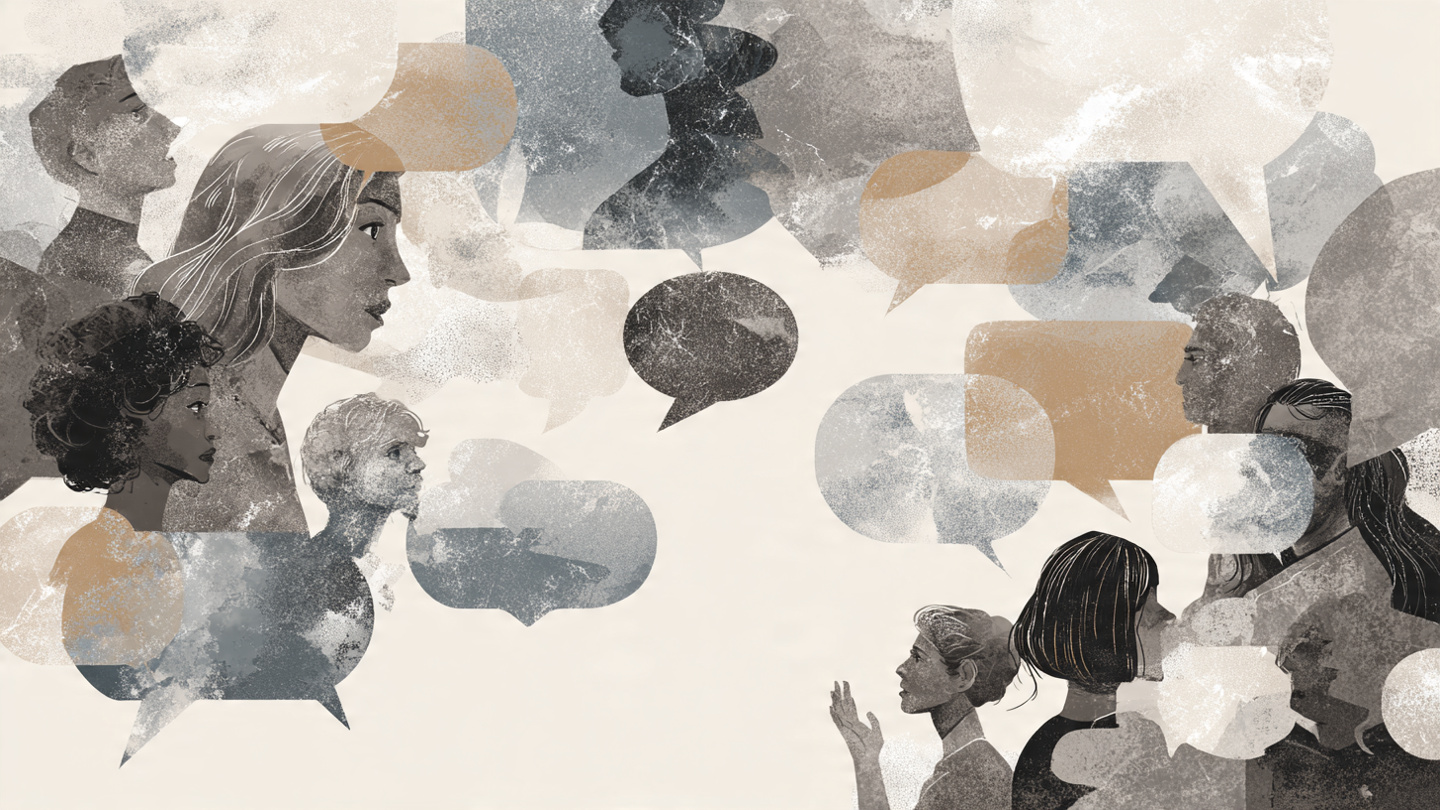
Gossip is commonly understood as informal talk about others, often involving unverified or exaggerated details. According to the Oxford Dictionary, gossip refers to casual conversation or reports about people, typically without confirmed truth. Rumors take this a step further by spreading information presented as fact, even when it may be false or distorted.
While positive gossip can highlight achievements and kindness, negative gossip and rumors tend to thrive on speculation and judgment, turning ordinary conversations into sources of harm.
Why Do People Spread Rumors?

People spread rumors for many reasons, and these motivations are not limited to any age group.
Social acceptance and belonging
Some individuals gossip to feel included. Being “in the know” can create a false sense of connection, especially in groups where fitting in feels uncertain.
Low self-esteem and comparison
Putting others down can temporarily boost self-confidence. Comparing oneself to others, especially through negative stories, can feel like a shortcut to feeling superior.
Boredom and drama
When routines feel dull, gossip can add excitement. Drama often fills emotional gaps left by monotony.
Anger, jealousy, or revenge
Rumors can be used as weapons. Exaggerating or inventing stories may feel like payback, even though it often escalates conflict.
Both Childline and Solutions for Resilience highlight that these behaviors are more about the person spreading the rumor than the person being targeted, even though the damage is very real.
The Emotional and Psychological Impact of Rumors

Being the subject of malicious gossip is not a minor inconvenience. It can deeply affect mental and emotional well-being.
Mental health consequences
Targets of rumors often experience anxiety, depression, paranoia, and low self-esteem. In severe cases, this distress can lead to suicidal thoughts or disordered eating.
Loss of confidence and identity
Repeated exposure to gossip can shatter self-confidence, making individuals question their worth and how others perceive them.
Isolation and exclusion
Rumors are a subtle form of bullying designed to socially exclude. Silence from bystanders can intensify feelings of loneliness and rejection.
Childline emphasizes that rumor-spreading is a form of bullying, especially powerful in group settings where few people speak up.
How Rumors Damage Communities and Workplaces

Beyond individual harm, rumors weaken the fabric of social and professional environments.
Erosion of trust
When gossip becomes common, people stop sharing openly. Trust, once broken, is difficult to rebuild.
Conflict and division
Misunderstandings fueled by rumors can escalate into arguments and long-term resentment.
Reduced productivity and morale
In workplaces, negative gossip distracts from goals, lowers morale, and damages collaboration.
Culture of negativity
When rumors go unchecked, they normalize toxic behavior, making disrespect seem acceptable.
Solutions for Resilience notes that these cumulative effects can even impact physical health by increasing stress and emotional exhaustion.
How to Defend Yourself Against Rumors

Responding to gossip takes courage, but it can shift you from self-protection to personal power.
Set clear boundaries
Decide what behavior you will and will not accept. Boundaries help define how others treat you.
Seek support
Talk to trusted friends, teachers, managers, or counselors. Support reduces isolation and validates your experience.
Document and gather proof
Keeping records can prevent gaslighting and help when reporting serious situations.
Limit exposure
Reducing contact with groups that thrive on gossip protects your mental health.
Report when necessary
In schools or workplaces, reporting rumors can be an important step toward accountability and safety.
How to Stop the Spread of Rumors

Everyone plays a role in breaking the gossip cycle.
Check your intentions
Before talking about others, ask whether your words serve truth and kindness.
Pause before passing information on
Remember how easily stories change, like the childhood “telephone game.”
Speak up respectfully
Simple responses such as “That’s not my experience” or “I’m uncomfortable discussing this” can stop gossip in its tracks.
Model positive gossip
Sharing achievements, integrity, and kindness helps build a culture of respect.
Conclusion: Choosing Integrity Over Rumors
Rumors may spread quickly, but so can empathy, truth, and respect. While we may not always control what others say, we can control how we respond and what we choose to pass along. By setting boundaries, supporting those targeted by gossip, and practicing thoughtful communication, we help create environments where trust replaces suspicion and connection replaces harm. Choosing integrity over rumors is not just a personal act; it’s a powerful contribution to healthier communities.
Key Points Summary
Rumors and gossip often stem from insecurity, boredom, or a desire for belonging.
Malicious gossip can severely impact mental health, confidence, and social inclusion.
Rumor-spreading is a form of bullying that thrives on silence.
Setting boundaries and seeking support restores personal power.
Respectful communication and positive gossip can change social culture.
advertisement
Frequently Asked Questions (FAQ)
Are rumors always harmful?
Not all gossip is harmful, but rumors that are false, exaggerated, or malicious can cause serious emotional and social damage.
Why is gossip considered a form of bullying?
Because it aims to exclude, shame, or control someone socially, often without direct confrontation.
Should I confront someone spreading rumors about me?
It depends on the situation. Consider your safety, emotional readiness, and whether confrontation is likely to help.
How can I support someone being targeted by gossip?
Speak up when you can, refuse to spread rumors, and offer emotional support.
Can positive gossip really make a difference?
Yes. Highlighting integrity and achievements helps shift group norms toward respect and trust.
Sources
Childline – Guidance on dealing with rumors and gossip and their mental health impact
https://www.childline.ie/how-to-deal-with-people-spreading-rumours-and-gossip-about-youSolutions for Resilience – Analysis of gossip, false rumors, and respectful communication
https://www.solutionsforresilience.com/gossip/
Thank you !