
Greenwich Time and the Origins of Modern Time Zones: How Railroads Changed the Way We Measure Time
Key Points:
Railroads were the driving force behind standardized time and time zones.
Greenwich Mean Time (GMT) became the global reference for time.
Standardized time improved safety, efficiency, and global communication.
advertisement
Introduction
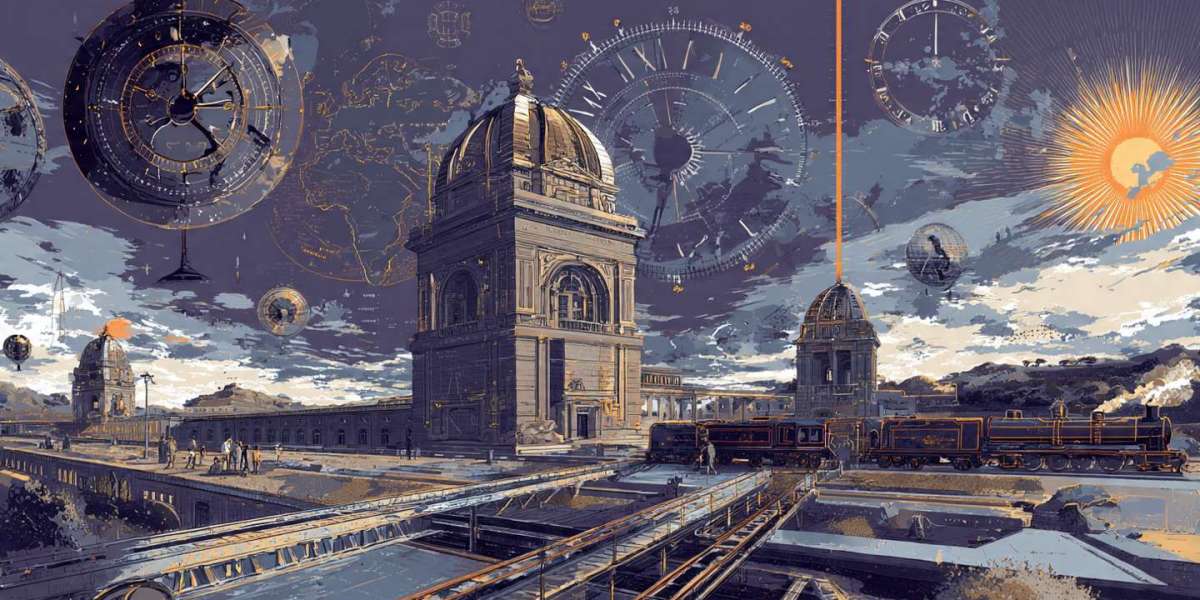
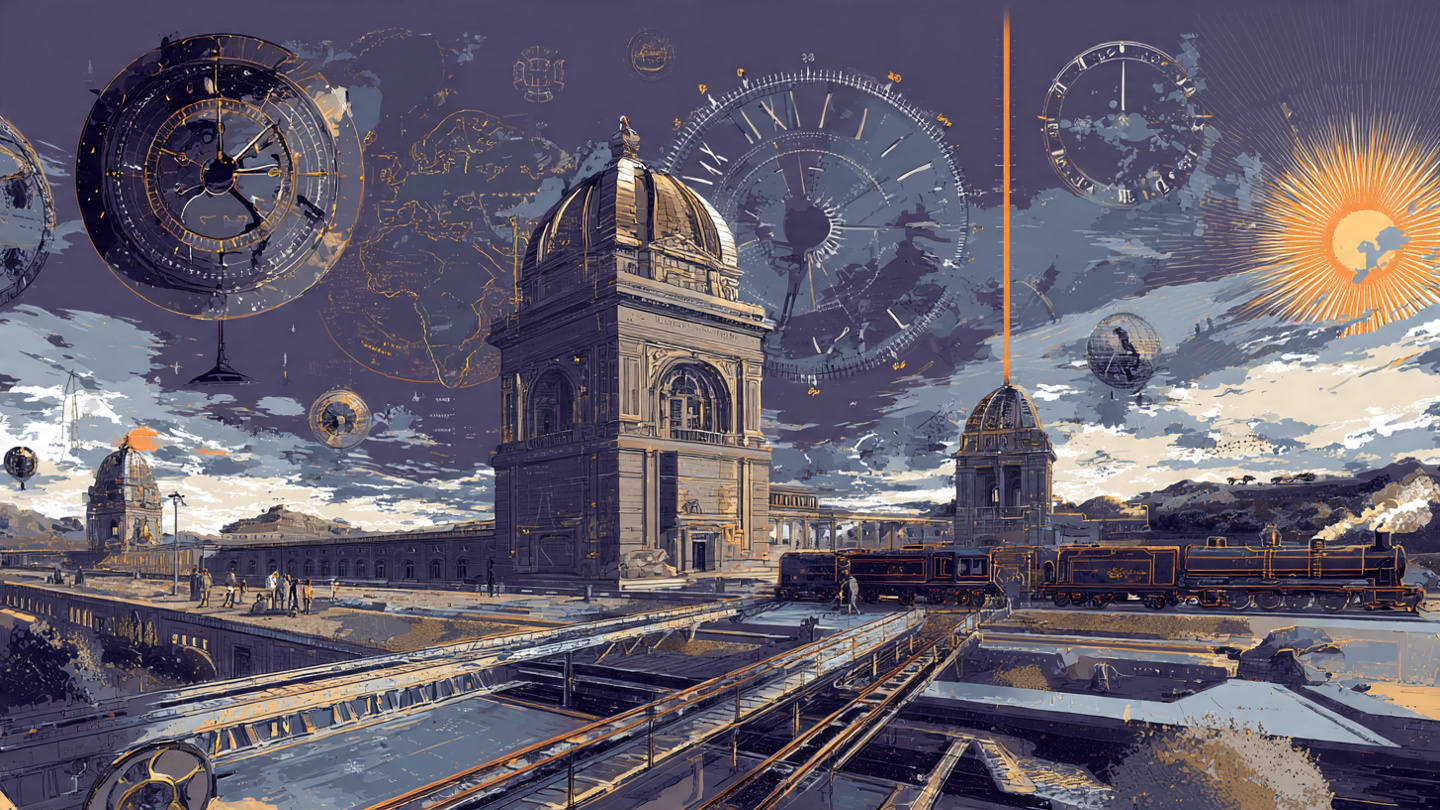
Have you ever wondered why clocks around the world are synchronized to Greenwich Mean Time (GMT) or why time zones exist? The story of modern timekeeping is a fascinating mix of science, travel, and human innovation. Long before standardization, each town set its own time based on the Sun, making travel and communication across regions chaotic. The invention of railroads, however, changed everything, leading to the creation of standardized time zones and the establishment of Greenwich as the "Centre of Time."
The Problem of Local Time
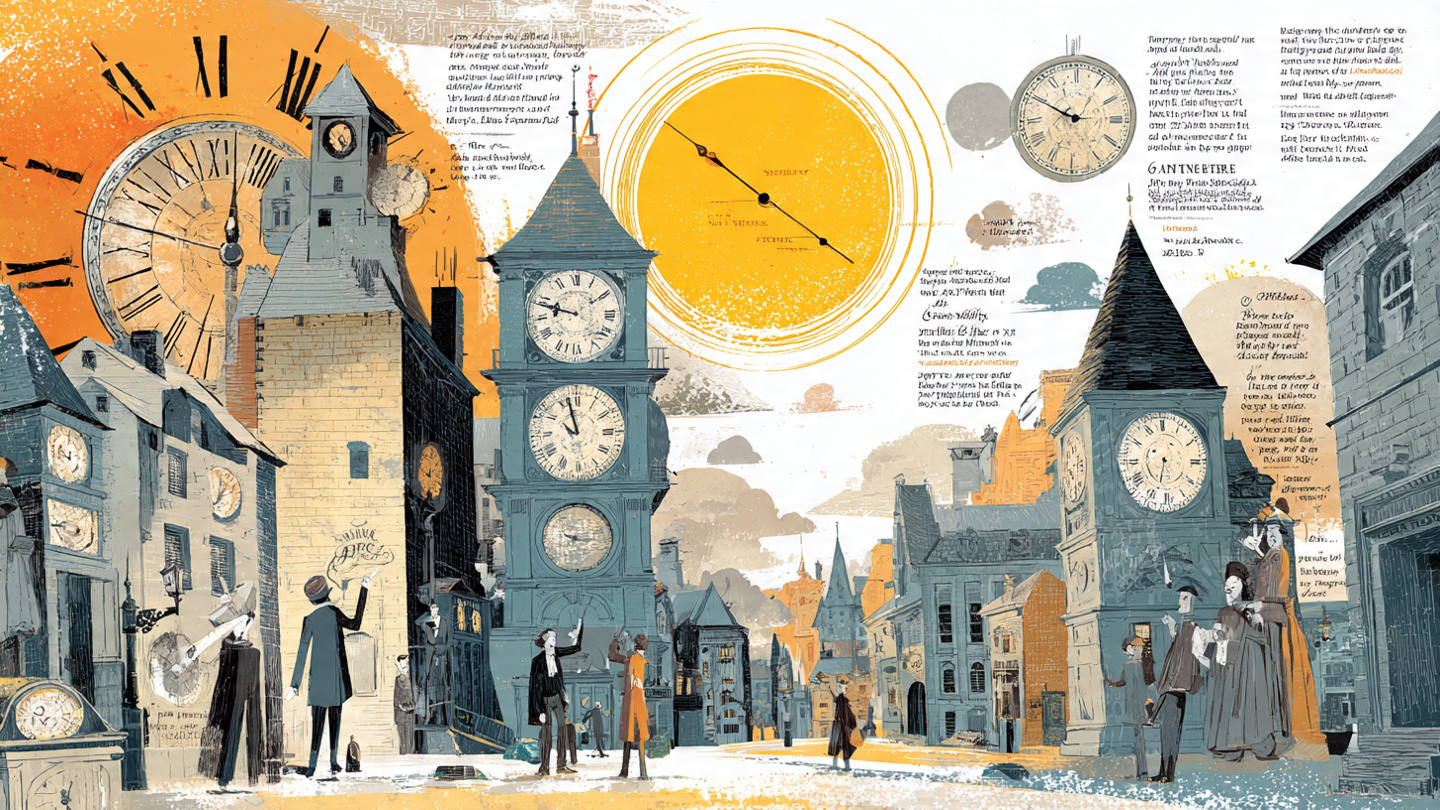
For centuries, people measured time locally. Midday was when the Sun was at its highest point in the sky over a specific town, and each community had slightly different clocks. Mechanical clocks gradually replaced sundials in the Middle Ages, yet this system persisted into the 1800s. In North America alone, there were at least 144 distinct local times.
This patchwork of timekeeping worked well when travel was slow—by horse, wagon, or camel. But as transportation advanced, particularly with the rapid expansion of railroads in the 19th century, local time zones became a major obstacle.
Railroads Drive the Need for Standard Time
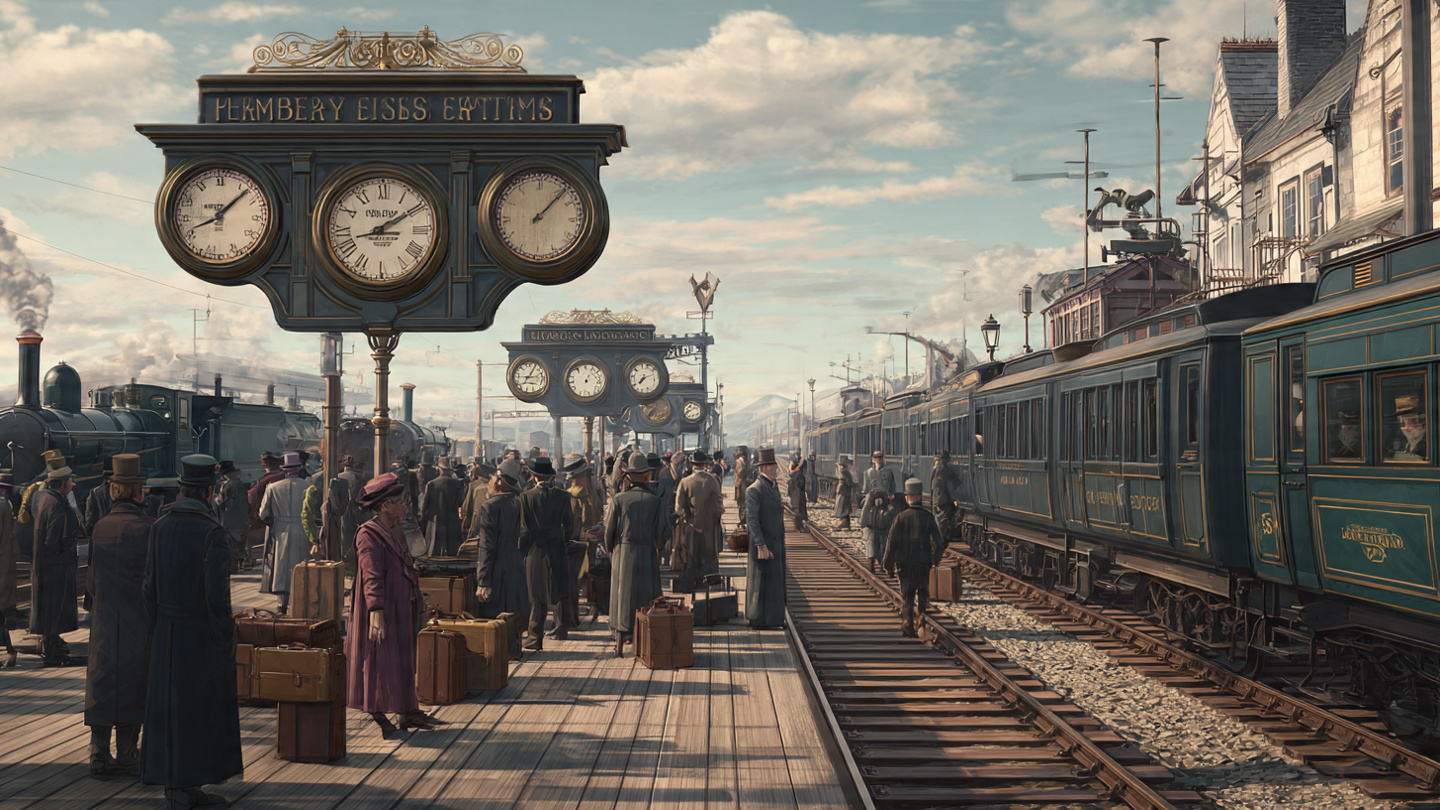
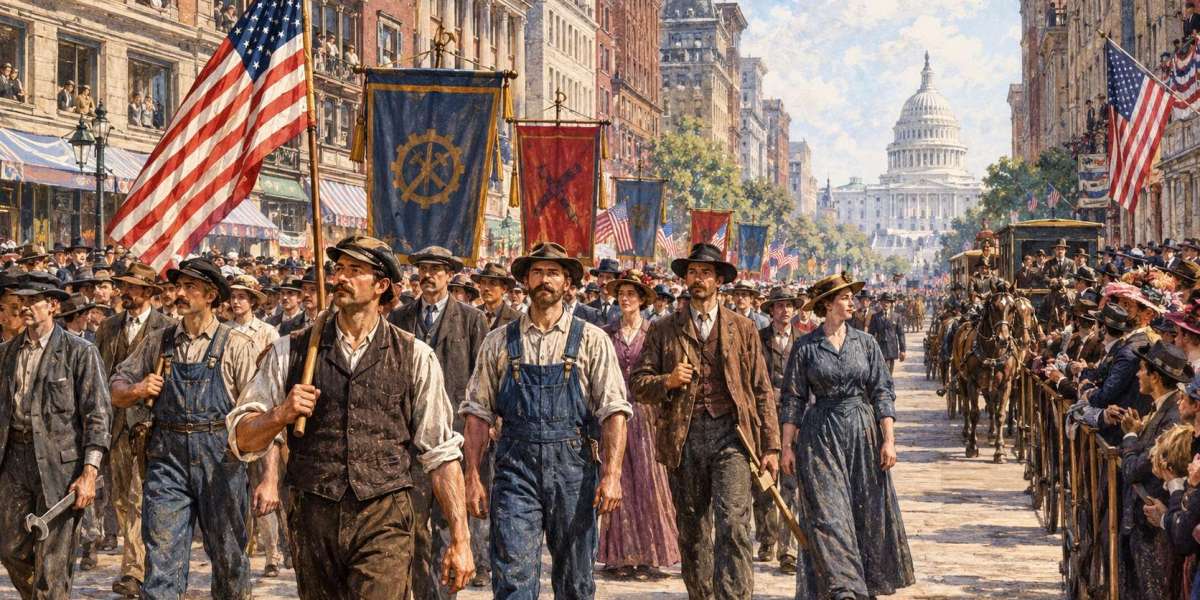
The spread of railroads in the United States, Canada, and the United Kingdom created an urgent need for consistent scheduling. According to Jon Goldman, chief curator at the B&O Railroad Museum, mismatched local times were not just inconvenient—they were dangerous. Trains could collide on single tracks or passengers could miss connections because every station kept its own time.
The UK faced this problem earlier. By 1847, all British railway companies had adopted a unified "Railway Time," which eventually evolved into Greenwich Mean Time (GMT) nationwide by 1880. GMT is based on the time at the Royal Observatory in Greenwich, London, where the Prime Meridian marks zero degrees longitude—the reference point for global timekeeping.
The Birth of Time Zones
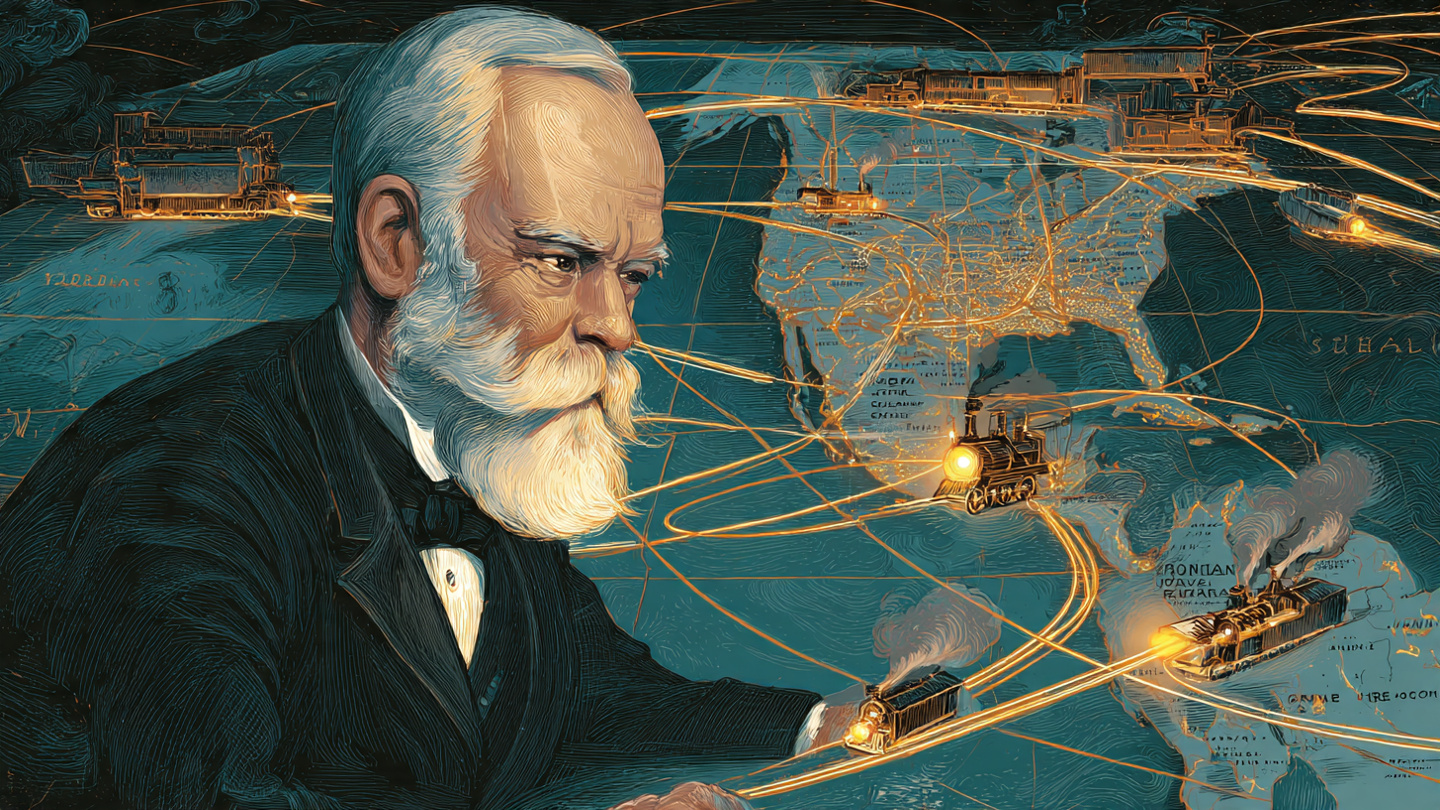
While Britain standardized time nationally, North America faced a larger challenge: synchronizing an entire continent. Canadian engineer Sir Sandford Fleming proposed a revolutionary solution after missing a train: dividing the continent into distinct time zones. On 18 November 1883, U.S. and Canadian railroads adopted Fleming’s system, creating four major time zones—Eastern, Central, Mountain, and Pacific—that largely remain today.
A year later, Fleming helped organize the International Prime Meridian Conference in Washington, D.C., where Greenwich was selected as the global zero meridian. This decision laid the foundation for modern world time, ensuring that clocks everywhere could be coordinated.
Beyond Railroads: Time and Global Communication
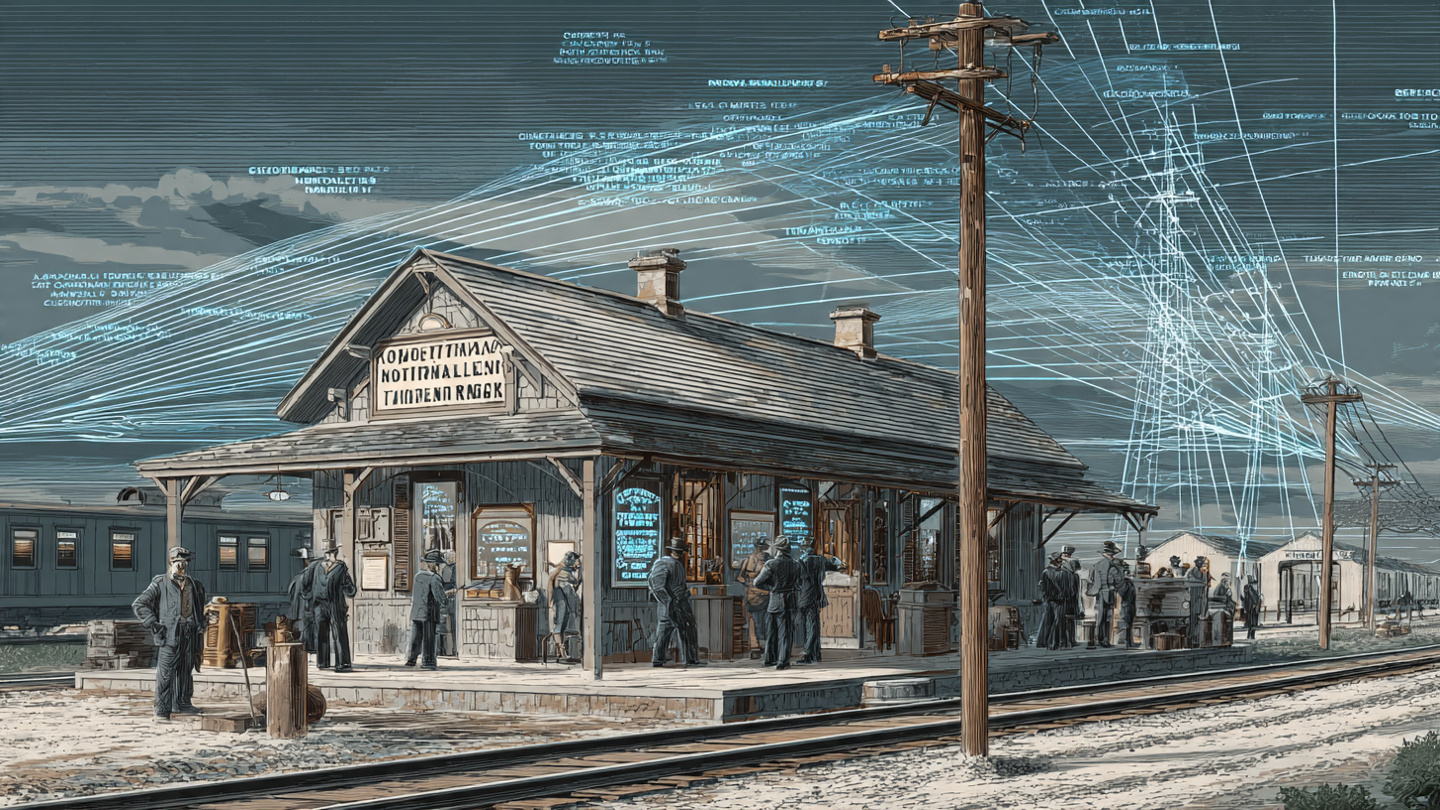
The advent of standardized time transformed society. Railroads didn’t just move people—they enabled the rapid spread of ideas and commerce. The telegraph, the first electronic messaging system, was first used to coordinate railroad operations in the United States. Today, museums like the B&O Railroad Museum allow visitors to explore the origins of rail travel, telegraphy, and timekeeping innovations.
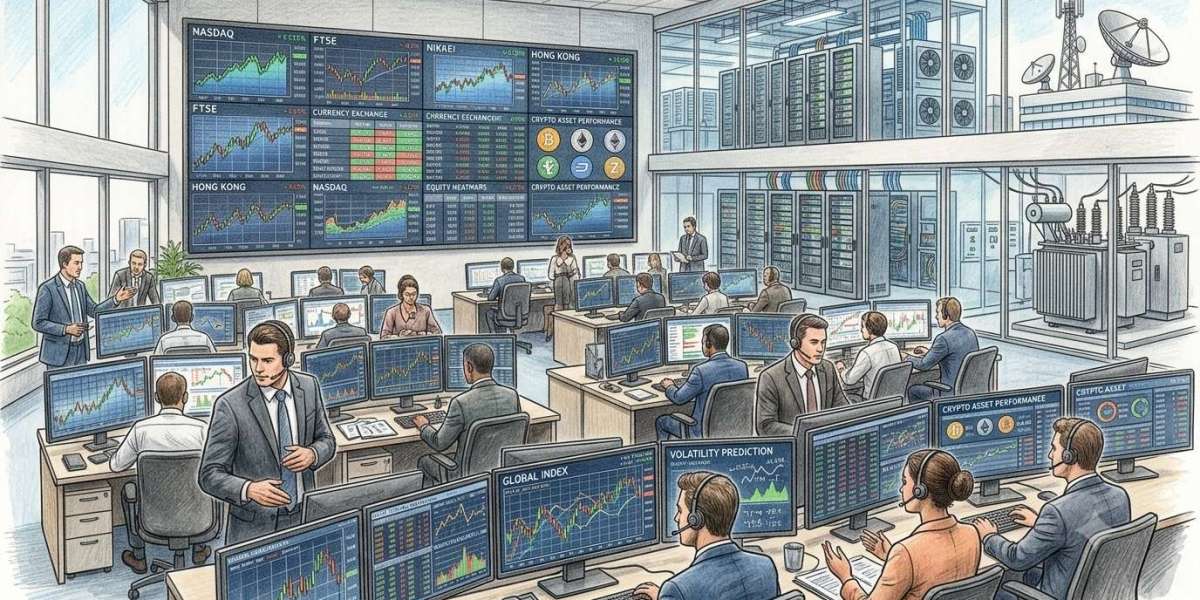
Standardized time remains crucial in our modern world—from international flights to global financial markets. The legacy of railroads and Greenwich Mean Time reminds us that human ingenuity often arises from practical needs, and the solutions can reshape the world.
Conclusion
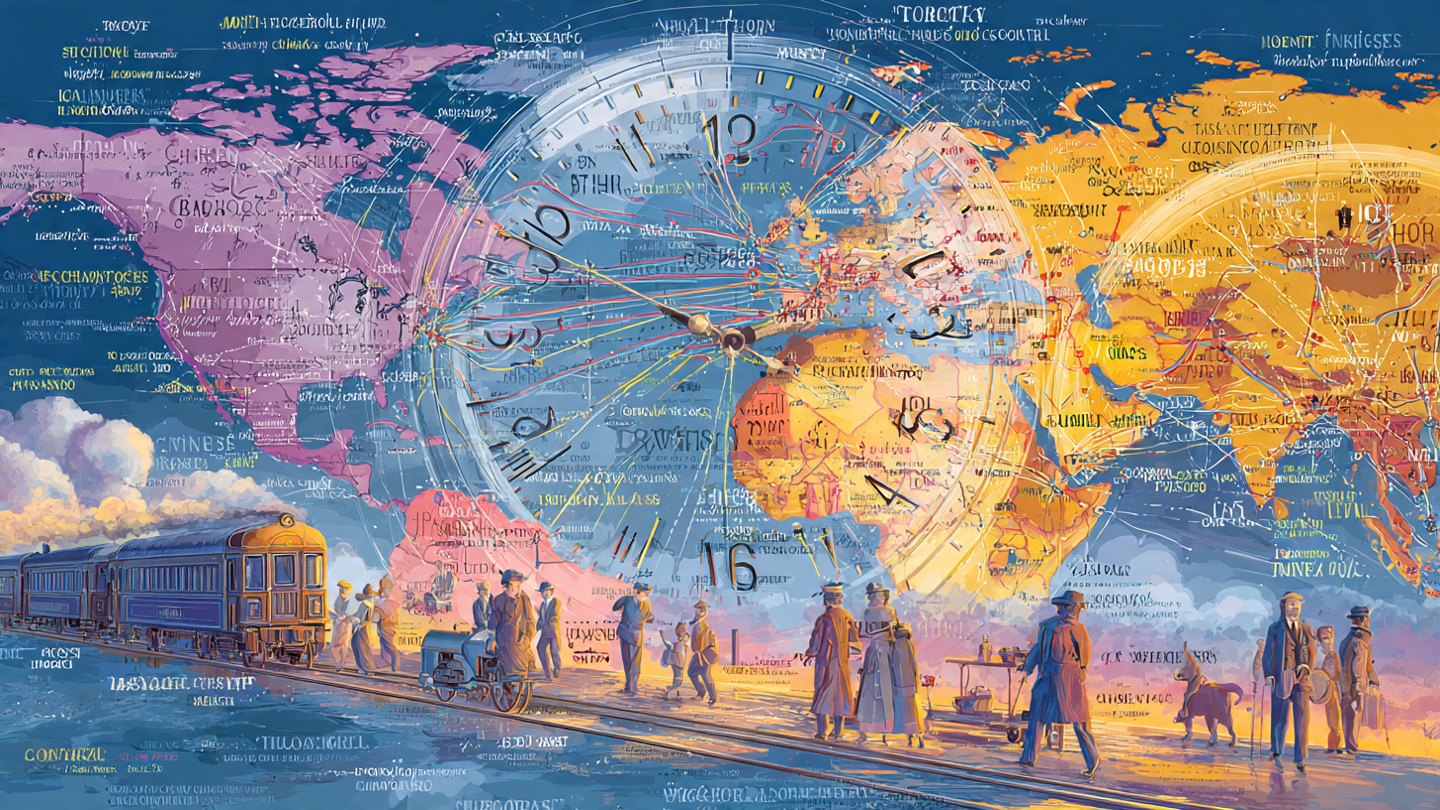
From local sun-based time to a globally synchronized system, the story of Greenwich Time and time zones shows how necessity sparks innovation. Railroads taught humanity that time is not just a measure of hours and minutes—it is a tool for safety, communication, and connection. As we glance at our clocks today, we are reminded that every tick represents centuries of ingenuity, collaboration, and progress. The Prime Meridian in Greenwich is more than a line on a map—it is a symbol of our shared temporal journey across the planet.
Key Points Summary
Railroads were essential in standardizing time across countries and continents.
Greenwich Mean Time (GMT) became the global reference point for all time zones.
Standardized time improved railway safety, scheduling, and international communication.
advertisement
Frequently Asked Questions (FAQ)
Q: Why is Greenwich Mean Time important?
A: GMT is the standard reference for time worldwide, based on the Prime Meridian at the Royal Observatory in Greenwich, London.
Q: Who invented time zones?
A: Canadian engineer Sir Sandford Fleming proposed the first modern time zone system, implemented by U.S. and Canadian railroads in 1883.
Q: Why did railroads need standardized time?
A: Different local times caused train collisions, scheduling confusion, and inefficiencies. Standardized time improved safety and coordination.
Q: When did the U.S. officially adopt time zones?
A: While railroads adopted time zones in 1883, the U.S. federal government officially recognized them in 1918.
Q: Can you visit the Prime Meridian today?
A: Yes, the Royal Observatory in Greenwich allows visitors to stand on the Prime Meridian line and learn about GMT.
Sources:
BBC – How railroads inspired the creation of time zones
https://www.bbc.com/travel/article/20241115-how-railroads-inspired-the-creation-of-time-zones
Thank you !