
10 Proven Techniques to Spot AI-Generated Videos in 2026
Key Points:
AI-generated videos are becoming increasingly realistic, but subtle cues can reveal them.
Pay attention to faces, hands, physics, and object interactions.
Longer videos and micro-expressions are often easier to analyze for authenticity.
advertisement
Introduction
With AI tools like OpenAI's Sora 2 and Google's Veo 3, creating hyper-realistic videos has never been easier. While this technology opens exciting creative possibilities, it also poses risks—from deepfake scams to misinformation campaigns. Learning how to spot AI-generated videos is becoming a vital skill for anyone consuming digital content.
In this article, we share 10 techniques to identify AI-generated videos, drawing from expert analyses and real-world examples. Whether you’re a casual viewer, journalist, or content creator, these insights will help you distinguish reality from artificiality.
1. Study Faces, Expressions, and Eyes
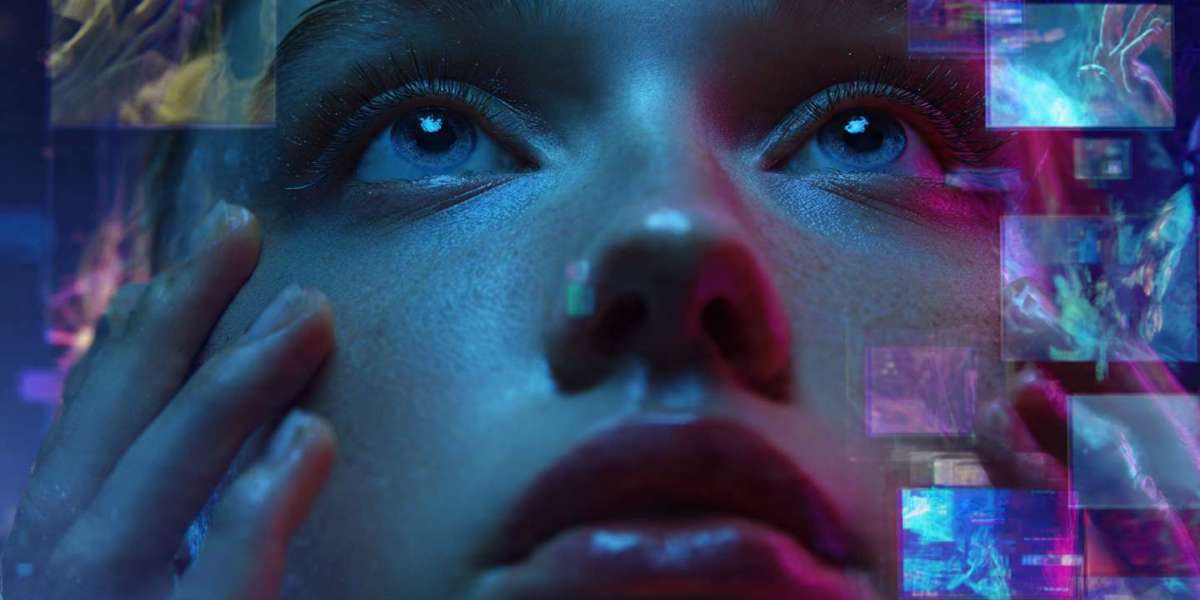
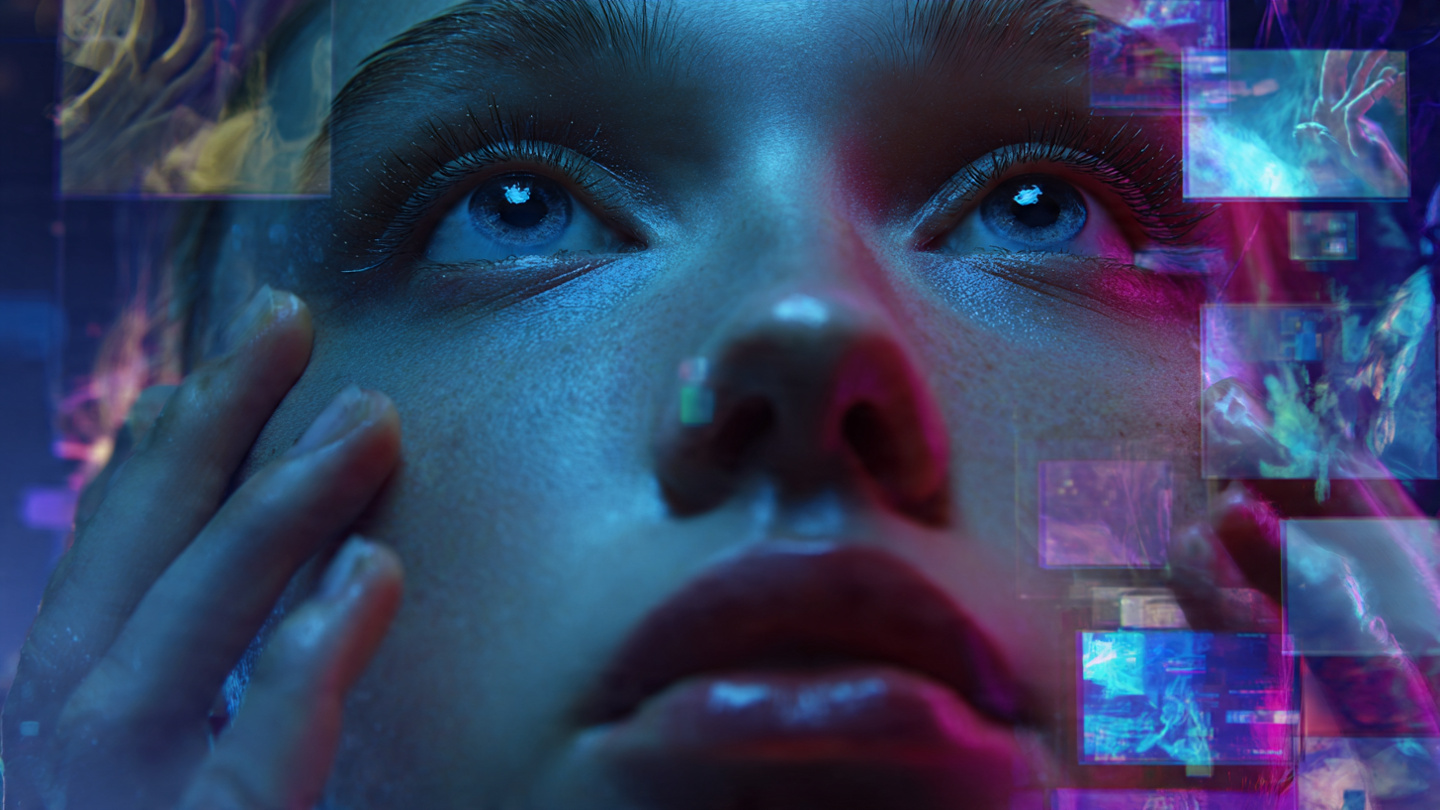
Faces are incredibly expressive, controlled by over 40 muscles, producing micro-expressions, subtle asymmetries, and natural rhythms. AI often struggles with these details. Look for unnatural eye movements, overly perfect symmetry, or subtle mismatches between facial micro-expressions and speech.
Even small inconsistencies in eye behavior or smiles can be a strong indicator of AI-generated content (Can I Phish, 2026).
2. Listen to the Voice Inside
The concept of the uncanny valley explains the discomfort we feel when something looks almost human but not quite right. In AI videos, voices may feel slightly off, misaligned with facial movements, or unnervingly smooth. Trusting your instincts when something feels “off” can be surprisingly effective.
3. Pay Attention to Hands
Human hands are notoriously difficult for AI to replicate due to their complexity and variety of movement. Watch for extra fingers, stiff gestures, or unnatural interactions with objects. Hands that seem to morph or move unrealistically often reveal AI manipulation.
4. Look for Actions That Don’t Make Sense
Humans perform countless unconscious actions—tapping a pen, scratching an arm, adjusting glasses—called adaptors. AI algorithms can mimic movement but often fail to understand the reason behind these small behaviors. Actions that appear awkward or misplaced may indicate AI generation.
5. Make Sure Objects Aren’t Passing Through Each Other
AI-generated videos sometimes ignore basic physics. If you notice objects or body parts moving through walls, furniture, or other people, it’s a clear red flag. Real-world interactions obey simple physical laws that AI may overlook.
6. Watch for Violations of Gravity and Momentum
Physics is another weak spot for AI. Check whether subjects float unnaturally, move too smoothly over surfaces, or objects fall at inconsistent speeds. Disregarding gravity or momentum can be a telltale sign of AI-generated footage.
7. Study How Objects and People Interact
Real-life interactions are seamless: forks line up with mouths, food behaves naturally, and objects respond accurately to touch. In AI videos, objects may appear stiff or disconnected from the scene, creating a sense that people and objects occupy separate worlds.
8. Look for Morphing
AI models often struggle with secondary elements like held objects. Items can appear warped, blended into hands, or even melt during movement. Observing these subtle distortions can help identify AI-generated content.
9. Look at the Lips
Humans are highly sensitive to audiovisual synchronization. Even slight delays between speech and lip movement can signal AI generation. Watch for mismatches in jaw, cheek, or micro-expression movements relative to audio, as AI still struggles to perfectly sync facial micro-movements with speech (Can I Phish, 2026).
10. Consider the Length of the Video
Short clips are easier for AI to generate convincingly, but longer videos often reveal small errors that accumulate over time—faces subtly shifting, expressions too uniform, or objects drifting unnaturally. Comparing the beginning and end of a clip can reveal inconsistencies.
Conclusion
AI-generated videos are here to stay, and their realism is improving rapidly. While detection is becoming more challenging, understanding the subtle cues—micro-expressions, hand movements, physics, object interactions, and synchronization—can help you navigate the digital world with confidence. By combining observation skills with intuition, you can stay one step ahead of deepfakes and misinformation, empowering yourself to discern truth from illusion.
Key Points Summary
AI videos often fail at micro-expressions, hand gestures, and physics.
Subtle mismatches in lip sync or object interactions reveal artificiality.
Longer videos increase the chance of spotting inconsistencies.
advertisement
Frequently Asked Questions (FAQ)
Q1: What is the easiest way to spot AI-generated videos?
Focus on faces, hands, and physics. Look for unnatural eye movements, overly perfect facial symmetry, or stiff gestures. Check if objects defy gravity or move strangely.
Q2: Can AI-generated videos be detected reliably?
Not always. Even advanced AI can produce near-perfect visuals. Trust your instincts when something feels off.
Q3: Will AI replace CGI effects in movies?
AI can make simple visual effects faster and cheaper, but high-end CGI remains superior for complex scenes. AI will likely complement rather than replace CGI.
Q4: How can I avoid scams using AI-generated videos?
Watch for subtle errors: morphing objects, stiff hand movements, physics violations, and lip-sync mismatches. Always trust your gut if something seems suspicious.
Sources:
Can I Phish – Techniques for spotting AI-generated videos and deepfakes
https://caniphish.com/blog/how-to-spot-ai-videos
Thank you !