
article image source: scientificamerican.com (Link)
Jellyfish and Sea Anemones Sleep Like Us: New Research Reveals an Ancient Origin of Sleep
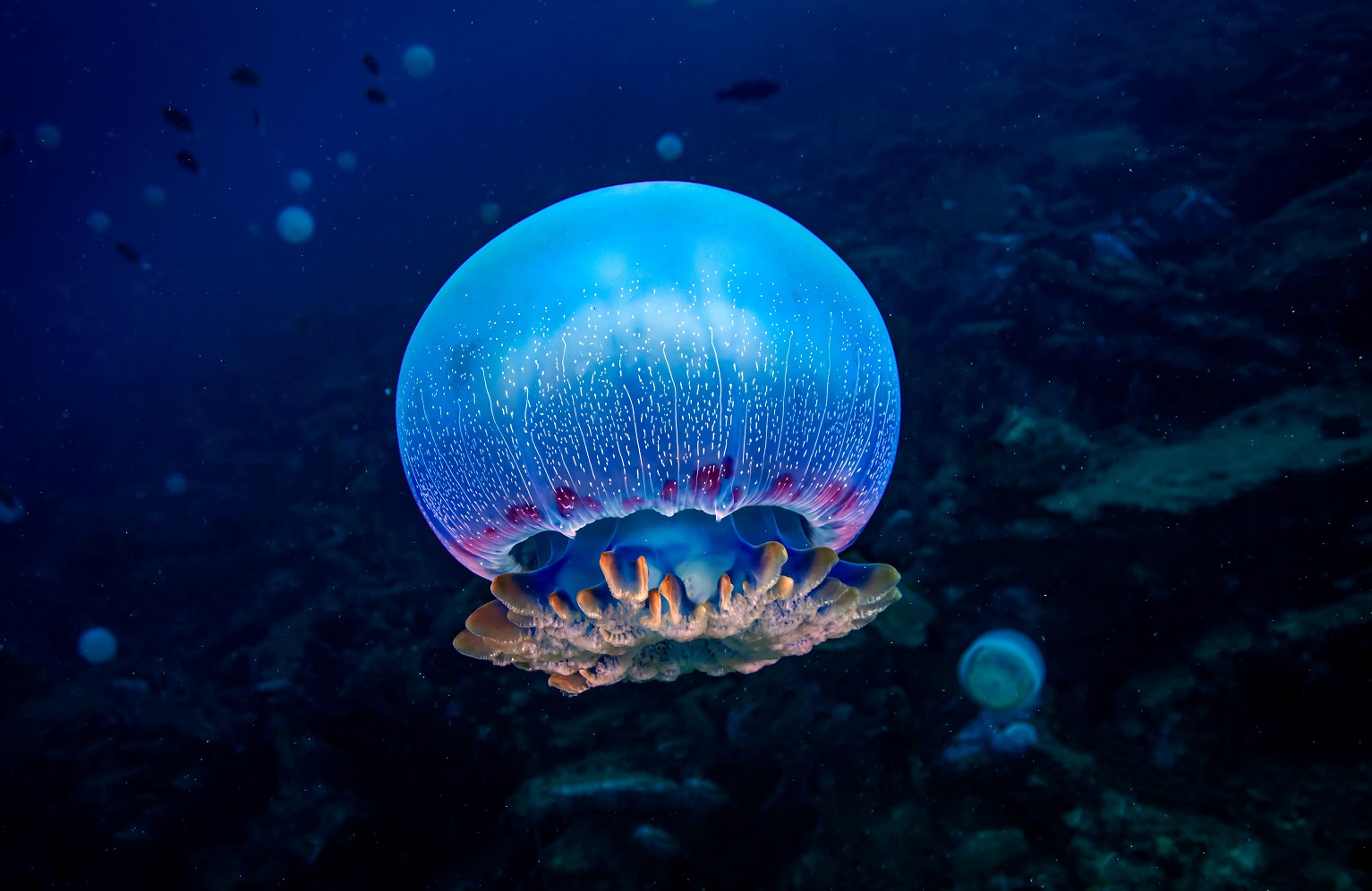
image source: scientificamerican.com
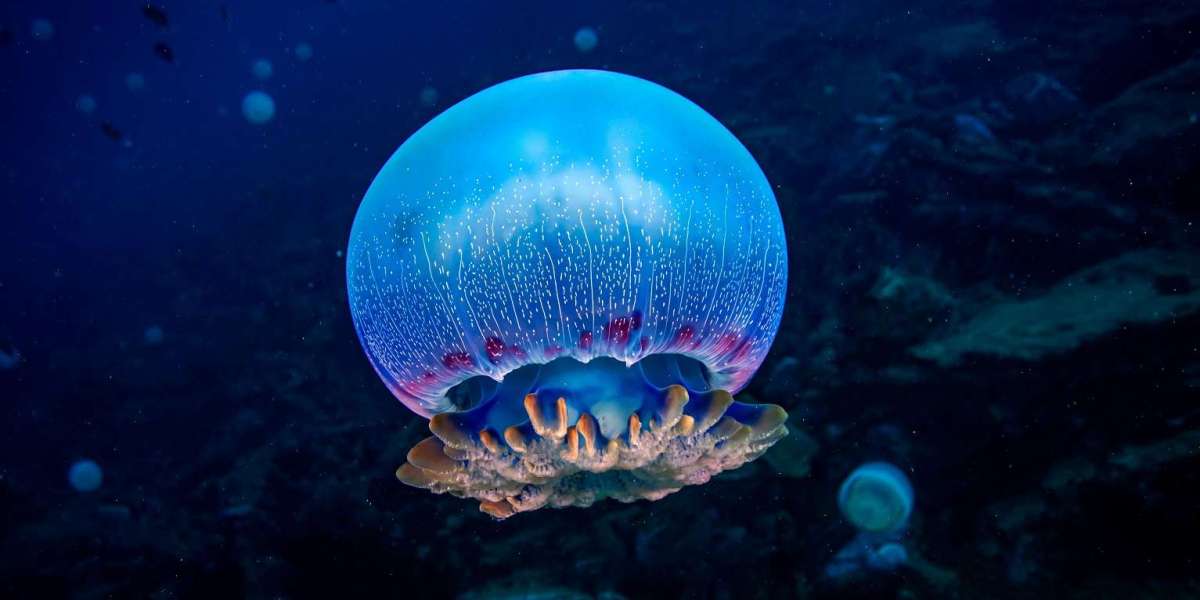
Sleep is often thought of as a complex process tied to having a brain. Yet new research shows that some of the ocean’s simplest animals—jellyfish and sea anemones—sleep in ways strikingly similar to humans. Despite lacking a brain, these creatures experience regular sleep-like states that may reveal why sleep exists at all and how deeply rooted it is in the evolution of life.
Key Points
Jellyfish and sea anemones sleep despite having no brain
Their sleep follows regular daily cycles similar to humans
Sleep increases when neuronal damage occurs
Findings suggest sleep evolved before complex brains
Sleep likely serves a basic maintenance and repair function
advertisement
Life Without a Brain—but Not Without Sleep
Jellyfish and sea anemones belong to a group of animals called cnidarians. They evolved hundreds of millions of years ago and never developed a centralized brain. Instead, their bodies contain networks of neurons spread throughout their tissues.
For years, scientists assumed that sleep required a brain to coordinate it. Recent studies, however, challenge that assumption. According to research published in Nature Communications, jellyfish and sea anemones enter clear sleep-like states even without a brain, suggesting that sleep predates complex nervous systems.
Surprisingly Human-Like Sleep Patterns
The study reveals patterns that feel oddly familiar. Jellyfish appear to rest for about eight hours each day, mostly during nighttime hours. Sea anemones, meanwhile, spend roughly one-third of their day in a sleep-like state.
These periods are not just moments of inactivity. The animals become less responsive to stimuli, a key characteristic scientists use to identify sleep across species. This regular cycle mirrors human circadian rhythms and strengthens the idea that sleep is a fundamental biological process rather than a luxury of advanced brains.
What Happens Inside Their Neurons
Although jellyfish and sea anemones lack brains, their neurons behave in meaningful ways during sleep. Researchers observed that when neuronal damage was artificially increased, the animals slept more. This response closely resembles what happens in humans and other animals, where sleep increases after stress or injury.
Philippe Mourrain, an associate professor of psychiatry and behavioral sciences at Stanford University who was not involved in the study, explains that this supports a long-standing theory: sleep provides time for essential “housekeeping” tasks. These include repairing DNA damage and maintaining the health of neurons throughout the body.
advertisement
Why This Matters for Understanding Sleep
One of biology’s biggest unanswered questions is why animals sleep at all. These findings suggest that sleep’s original purpose may not have been about dreams or memory, but about basic cellular maintenance. If animals without brains sleep to repair and protect their neurons, sleep may be a deeply conserved survival mechanism.
The research also suggests continuity across evolution. From primates with highly complex brains to jellyfish with none, sleep appears to serve a shared function. This challenges long-held beliefs about intelligence, consciousness, and rest—and reframes sleep as a universal biological need.
Implications Beyond the Ocean
Understanding sleep in simple animals could help scientists uncover the most fundamental triggers of sleep. By studying organisms with minimal nervous systems, researchers can strip sleep down to its core components, potentially offering insights into human sleep disorders and brain health.
As science continues to explore life at its simplest, jellyfish and sea anemones remind us that even the most basic forms of life follow rhythms that echo our own.
Conclusion: Sleep as an Ancient Survival Tool
The discovery that jellyfish and sea anemones sleep like humans reshapes our understanding of rest itself. Sleep is not a byproduct of complex brains, but a deeply rooted biological process that emerged early in evolution to protect and maintain living systems.
By revealing that sleep exists even without a brain, this research highlights sleep as one of life’s most essential and enduring strategies. It connects humans to some of the oldest animals on Earth and underscores a powerful truth: rest is not optional—it is fundamental to life.
advertisement
FAQ
Do jellyfish really sleep?
Yes. Studies show jellyfish enter sleep-like states marked by reduced responsiveness and regular daily cycles.
How can animals without brains sleep?
They rely on distributed networks of neurons rather than a centralized brain, showing that sleep does not require complex brain structures.
Why is this discovery important?
It suggests sleep is an ancient biological function essential for cellular maintenance, not just a feature of intelligent animals.
Do sea anemones sleep at night like humans?
Sea anemones sleep for about one-third of the day, though their timing may vary depending on environmental conditions.
Could this research help human sleep science?
Yes. Studying simple organisms may help identify the fundamental biological triggers and purposes of sleep.
Sources
Scientific American – Report on new research showing that jellyfish and sea anemones experience sleep-like states despite lacking brains
https://www.scientificamerican.com/article/jellyfish-and-sea-anemones-sleep-just-like-us/
Thank you !