
Chapped Lips in Winter: Causes, Prevention, and Science-Backed Care Tips

Cold weather does more than chill the air—it can seriously affect your skin, especially your lips. Chapped lips in winter are one of the most common seasonal skin complaints, causing dryness, flaking, irritation, and even changes in how lip color appears. Because the skin on the lips is thinner and more delicate than elsewhere on the body, it is especially vulnerable to environmental stress.
Understanding why lips become dry in winter and how to care for them properly can make all the difference. With the right routine and ingredients, it is possible not only to prevent winter lip damage but also to restore softness and comfort even in harsh conditions.
advertisement
Key Points
Cold air and indoor heating increase moisture loss from lips
Lips lack oil glands and have a weaker skin barrier
Humectants and emollients work best together for hydration
Gentle exfoliation can prevent flaking when used correctly
SPF is essential for lip health year-round
Consistent care is more effective than aggressive treatments
Why Chapped Lips Are So Common in Winter

Winter introduces several environmental factors that work together to strip moisture from the lips.
Cold outdoor air naturally holds less humidity, which increases moisture evaporation from the skin. At the same time, indoor heating systems further dry the air by lowering humidity levels, intensifying dehydration throughout the day. These conditions weaken the already fragile lip barrier, making it easier for moisture to escape.
Another contributing factor is lip licking. When lips feel dry, many people instinctively lick them for temporary relief. However, saliva evaporates quickly and removes even more moisture, worsening dryness and sensitivity over time.
According to skincare research shared by The Ordinary, all of these stressors disrupt the lip barrier, leading to visible flaking, rough texture, and persistent dryness during the winter months.
Why the Lip Barrier Matters

The lip barrier plays a critical role in keeping lips hydrated and smooth. Unlike other areas of skin, lips lack oil glands, which means they cannot naturally replenish moisture as effectively.
When hydration levels drop, the skin’s natural renewal and exfoliation cycle slows down. Dead skin cells begin to accumulate on the surface, appearing as flakes or peeling skin. This explains why dry lips often look rough and uneven rather than simply tight or uncomfortable.
Supporting the lip barrier is essential for both prevention and recovery during winter.
How to Prevent Chapped Lips in Winter
Prevention starts with small, consistent changes to your daily routine. Supporting hydration and protecting the lip barrier before damage occurs is more effective than trying to repair severely chapped lips later.
Take a Proactive Approach
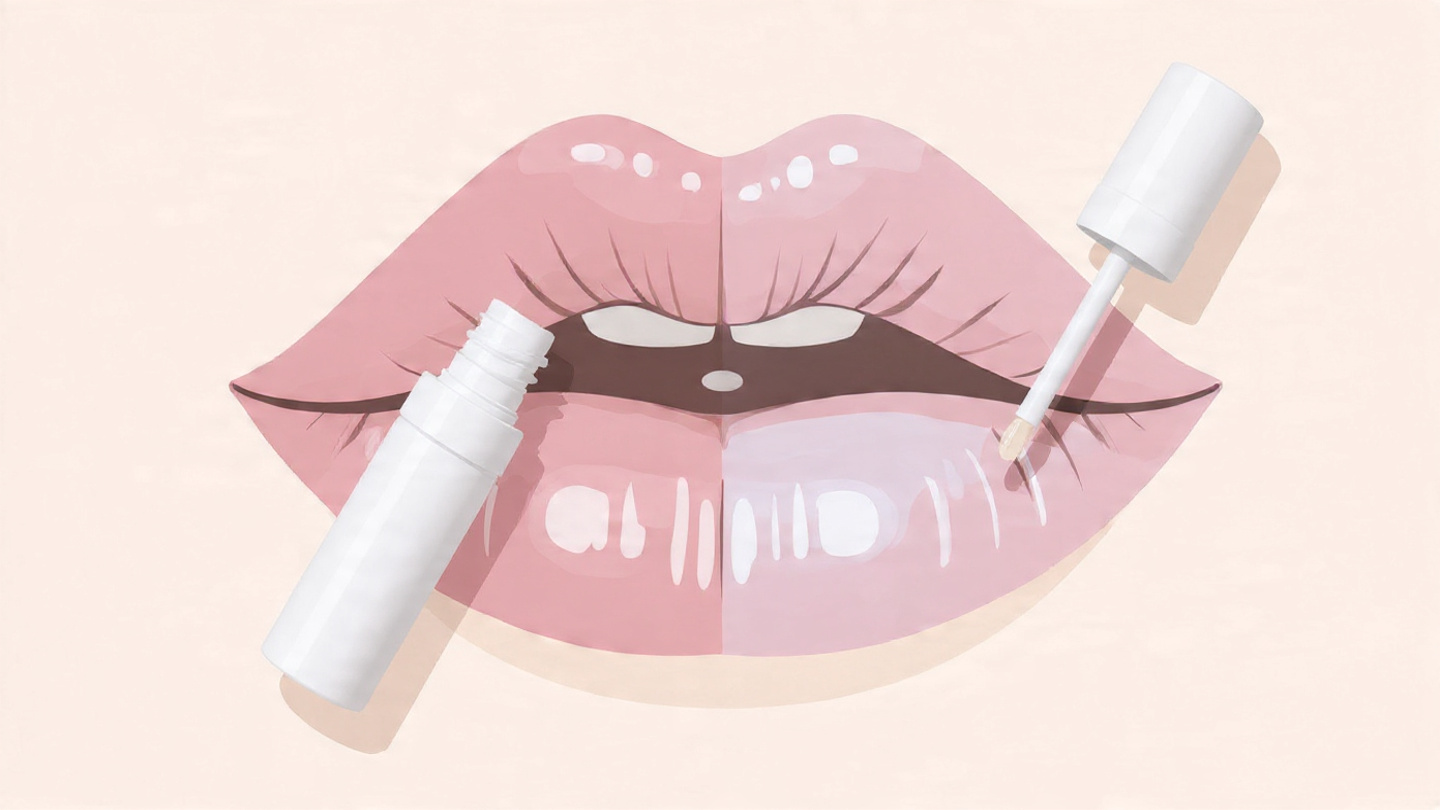
Because the lips are highly sensitive to environmental change, proactive care is key. Gentle exfoliation can help prevent dead skin buildup, but it must be done carefully.
Polyhydroxy acids (PHAs) are highlighted by The Ordinary as a gentle option for lip exfoliation. PHAs have a larger molecular size than traditional exfoliating acids, making them less irritating. They also function as humectants, meaning they attract and retain moisture while exfoliating, which helps maintain hydration rather than stripping it away.
Prioritize Hydration Inside and Out
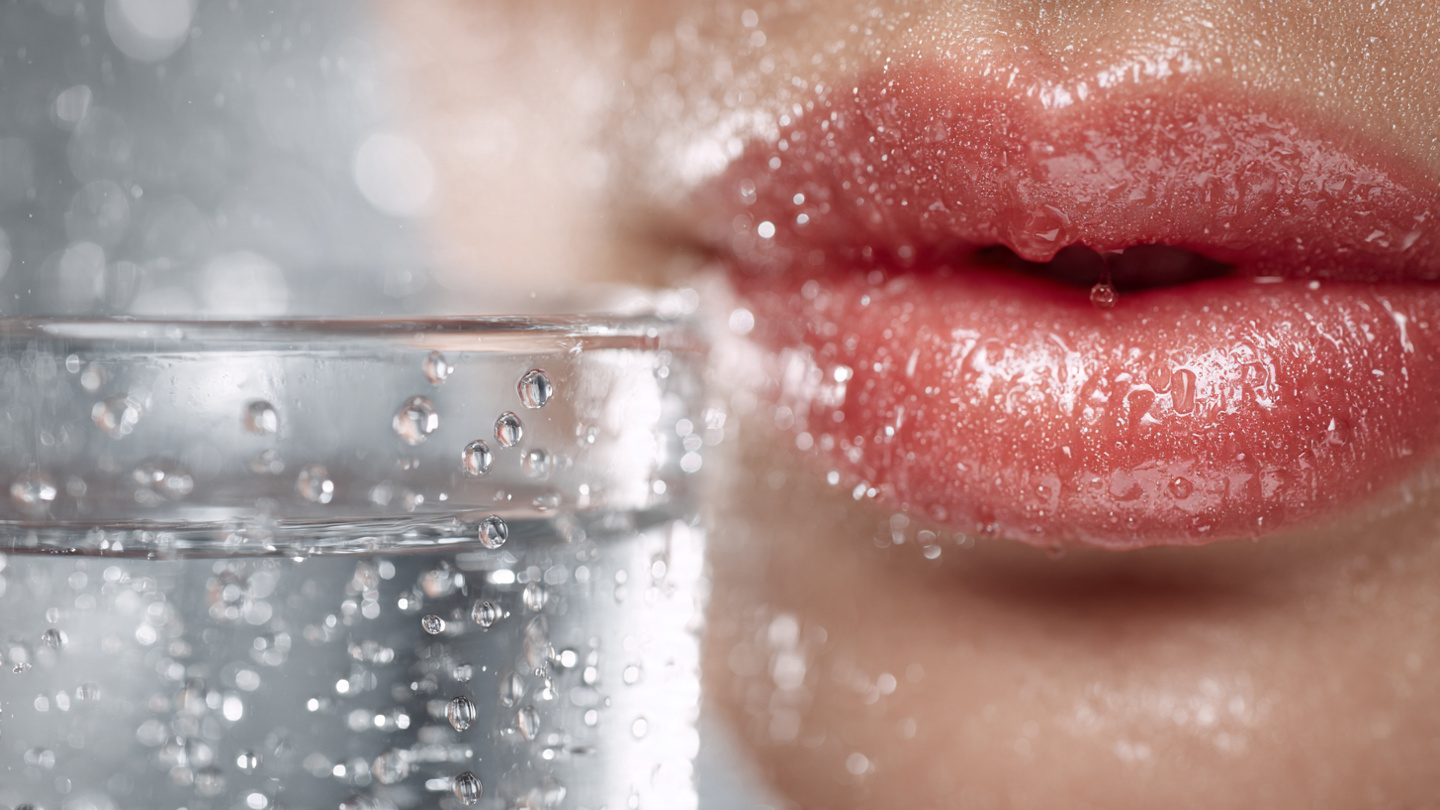
Topical hydration is essential for winter lip care. Ingredients such as hyaluronic acid and squalane are widely recognized for their ability to bind water and soften the skin when applied through lip balms or serums.
Applying hydrating products regularly can provide both immediate relief and longer-term barrier support. For added hydration, some skincare routines also include facial hydrating serums applied carefully to the lips.
Hydration is not only topical. While drinking water alone does not guarantee hydrated skin, maintaining adequate water intake—around 2 liters per day, as commonly recommended—can support overall skin function, including the lips.
Choose Barrier-Friendly Ingredients
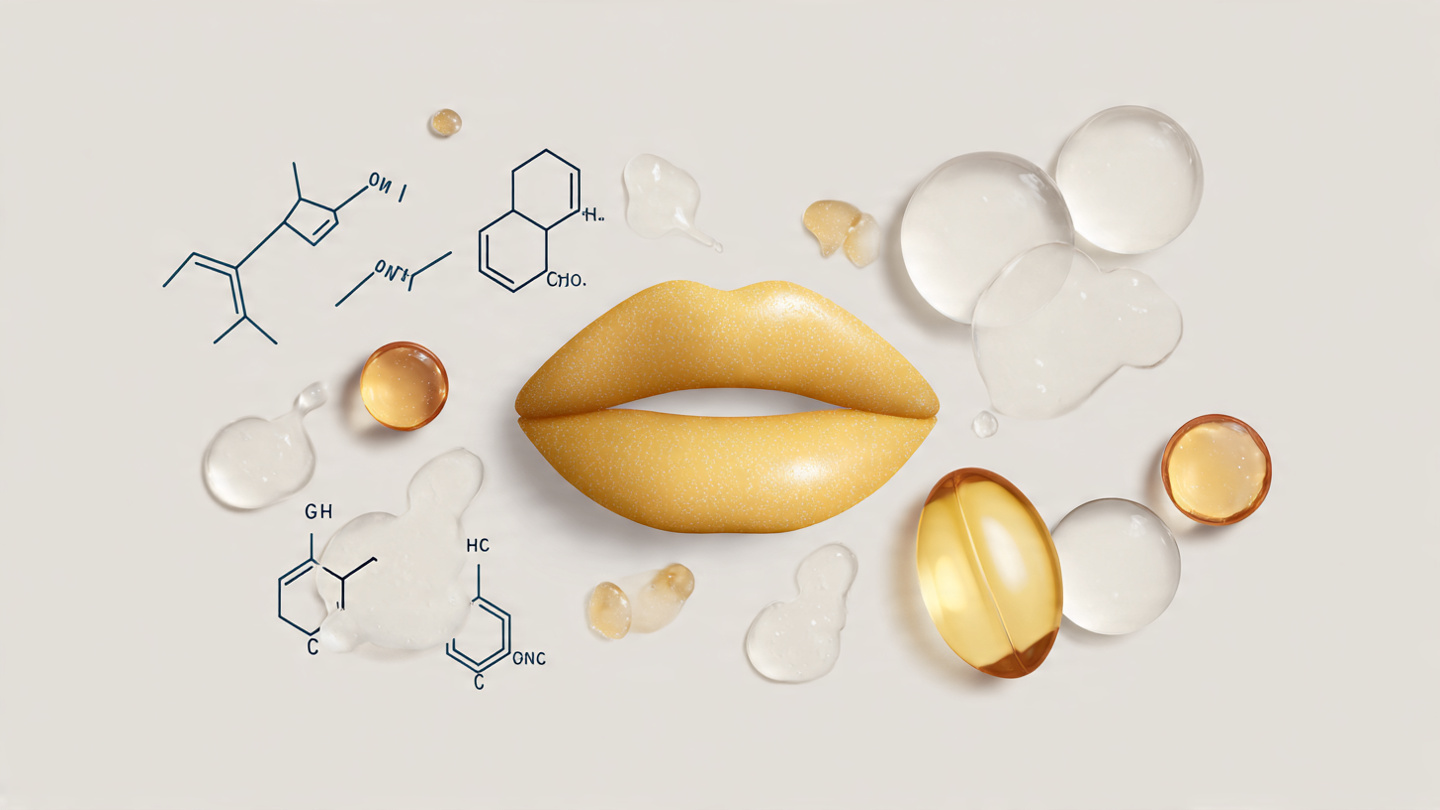
When the skin barrier is compromised, water escapes more easily through a process known as transepidermal water loss (TEWL). Certain ingredient types help prevent this:
Humectants, such as hyaluronic acid, glycerin, and PHAs, attract and hold water within the skin.
Emollients, such as squalane, help seal in moisture and keep lips soft and flexible.
Using products that combine both types of ingredients can significantly improve lip comfort during winter.
Do Not Skip Sunscreen—Even in Winter

Sun protection is often overlooked in cold or cloudy weather, but UV exposure remains a year-round concern. UV radiation can damage the natural lipids that form the protective lip barrier, increasing moisture loss and dryness.
Using a broad-spectrum lip balm with SPF daily helps protect against UV-related barrier damage and supports long-term lip health, even when the sun does not feel intense.
How to Repair Already Chapped Lips
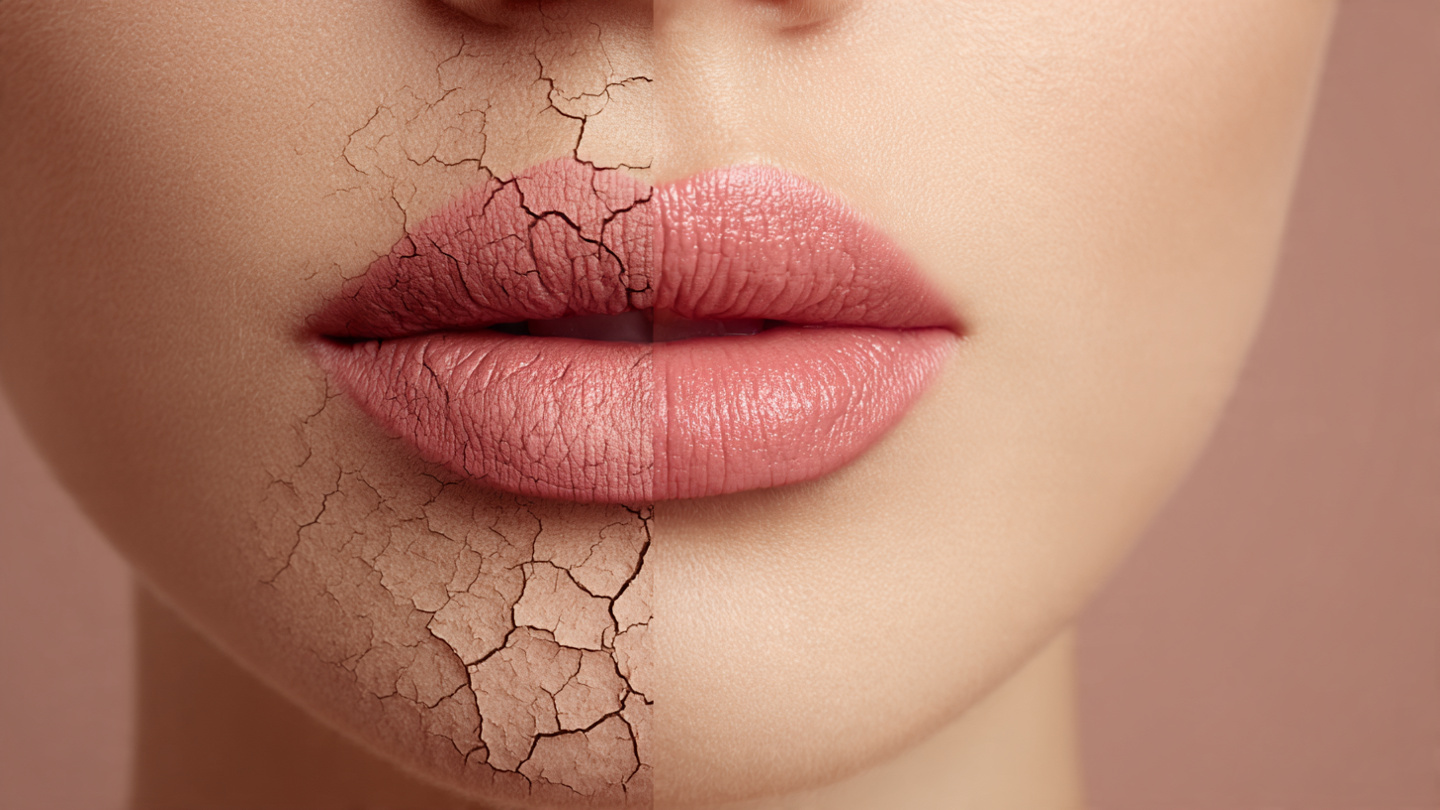
When lips are already irritated or cracked, the focus should shift from prevention to recovery. Active treatments and exfoliation should be paused in favor of gentle, restorative care.
A simple, effective routine includes:
Gently cleansing the lips with water or a very mild cleanser to remove makeup or debris.
Applying a moisturizing product rich in humectants and emollients to rehydrate and seal in moisture.
Consistency matters more than intensity. Avoid abrasive scrubs, picking at flakes, or using strong active ingredients during the healing phase. With daily care, lips can gradually return to a smoother, healthier state.
Lip Care Is Skincare—Especially in Winter
Lips deserve the same thoughtful, science-backed care as the rest of your skin. Their delicate structure makes them more susceptible to seasonal stress, but also more responsive to the right routine.
Rather than relying on lip balm alone, building a complete winter lip care routine—focused on hydration, barrier support, gentle exfoliation, and sun protection—can prevent recurring dryness and restore comfort. With patience and consistency, soft, healthy lips are achievable even during the coldest months.
Conclusion: Healthy Lips All Winter Long
Chapped lips in winter are not inevitable—they are manageable. By understanding how cold air, indoor heating, and daily habits affect the lip barrier, you can take informed steps to protect and restore your lips. Proactive hydration, barrier-friendly ingredients, daily SPF use, and gentle care form the foundation of effective winter lip health.
When lip care is treated as skincare, results follow. With a consistent, science-informed approach, winter can become a season of comfort rather than irritation, allowing your lips to stay smooth, resilient, and healthy well beyond the cold months.
advertisement
Frequently Asked Questions (FAQ)
Why do my lips crack more in winter than summer?
Cold, dry air and indoor heating reduce humidity, increasing moisture loss and weakening the lip barrier.
Is licking dry lips helpful?
No. Licking provides temporary relief but worsens dryness as saliva evaporates quickly.
Should I exfoliate chapped lips?
Gentle exfoliation can help prevent buildup, but it should be avoided when lips are irritated or cracked.
Do lips really need sunscreen in winter?
Yes. UV radiation damages the lip barrier year-round, even on cloudy days.
Can drinking water fix dry lips?
Water intake supports overall skin health but must be combined with topical hydration for best results.
Sources
The Ordinary – Scientific explanation of winter lip dryness and skincare-based prevention strategies
https://theordinary.com/en-us/blog/chapped-lips-winter.html
Thank you !