
Caffeine, Blood Levels, Body Fat, and Diabetes Risk: What Science Reveals About Metabolism and Health

Caffeine is one of the most widely consumed psychoactive substances in the world, commonly found in coffee, tea, and energy drinks. Beyond its well-known effect on alertness, emerging research suggests that caffeine levels in the blood may play a meaningful role in body fat regulation and type 2 diabetes risk. A recent genetic study offers new insight into how caffeine metabolism could influence long-term metabolic health.
advertisement
Key Points
Blood caffeine levels differ based on genetic metabolism, not just intake
Higher plasma caffeine concentrations are linked to lower BMI and body fat
Reduced type 2 diabetes risk appears partly mediated by lower body fat
No clear link was found between blood caffeine levels and cardiovascular disease
Long-term effects of caffeine intake still require further study
How Blood Caffeine Levels Differ From Caffeine Intake

Most discussions around caffeine focus on how much coffee or tea a person drinks. However, scientists are increasingly interested in plasma caffeine concentration—the amount of caffeine that remains in the bloodstream over time.
According to a 2023 study published in BMJ Medicine, individuals metabolize caffeine at different speeds due to genetic variations. People who break down caffeine more slowly tend to have higher caffeine levels in their blood, even though they often consume less caffeine overall. These genetic differences appear to influence body mass index (BMI), body fat levels, and diabetes risk.
The Genetic Link Between Caffeine and Body Fat
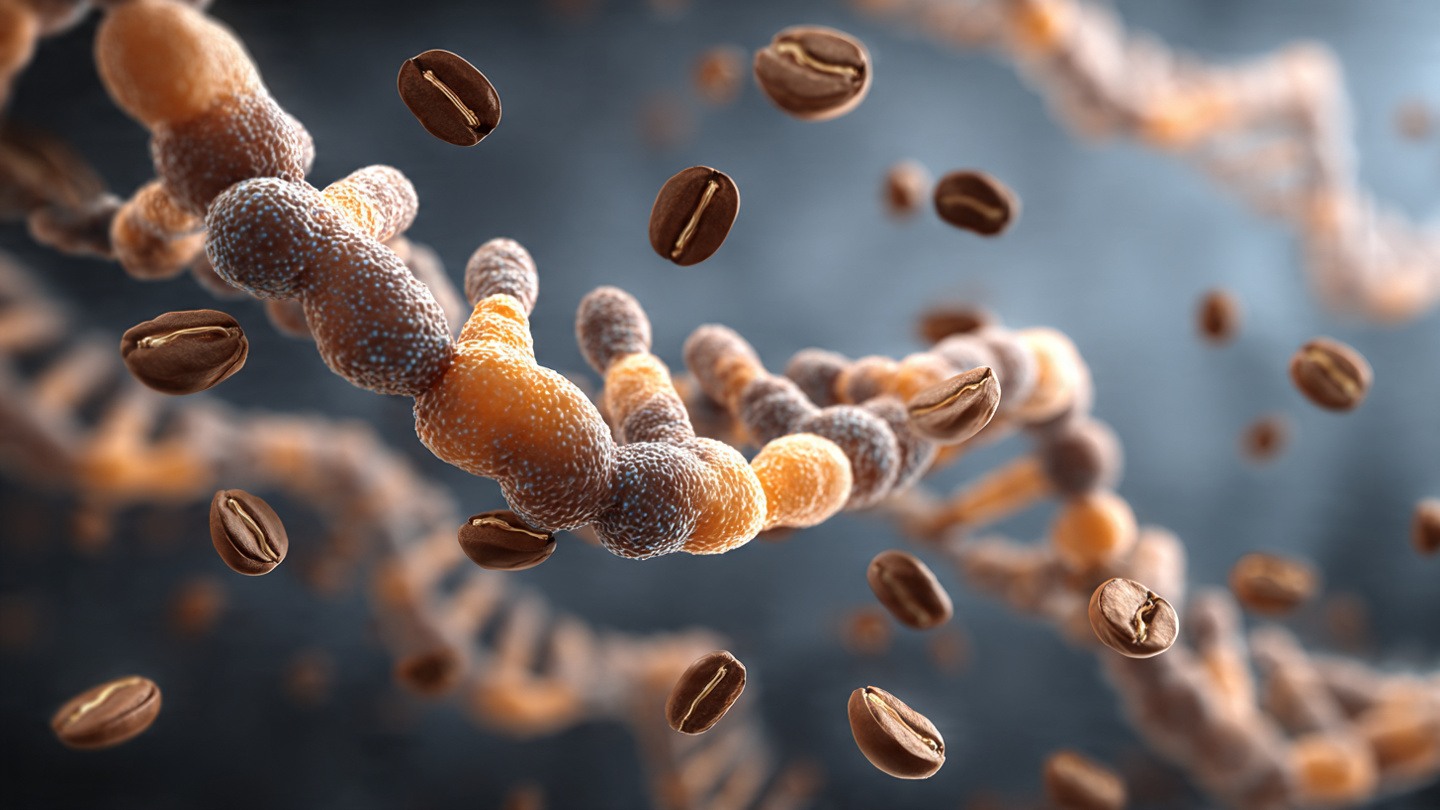
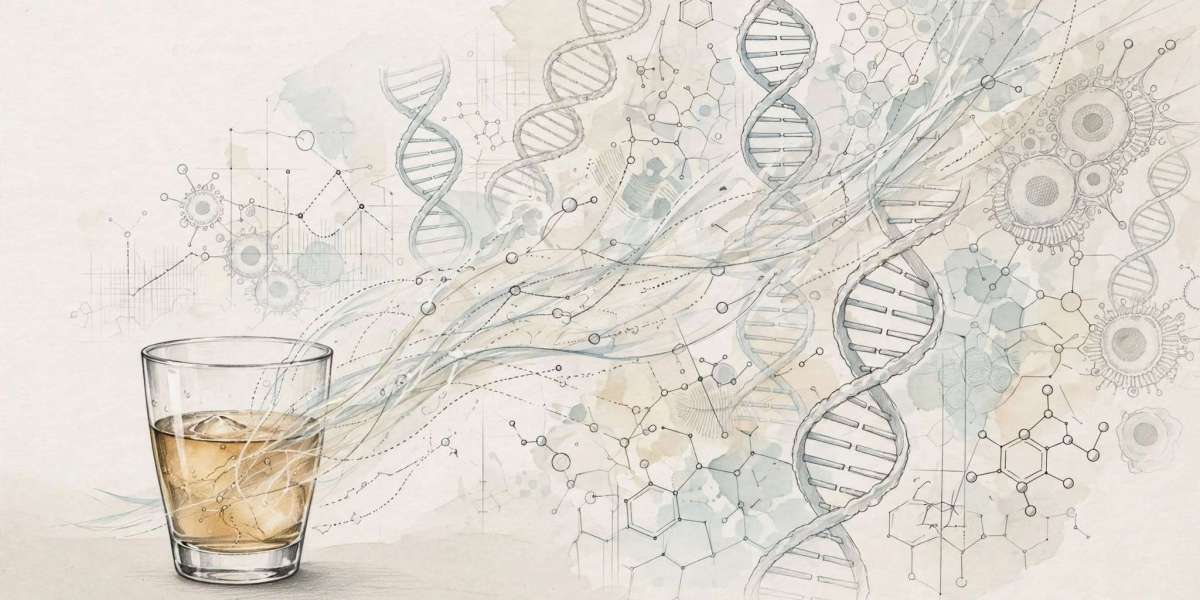
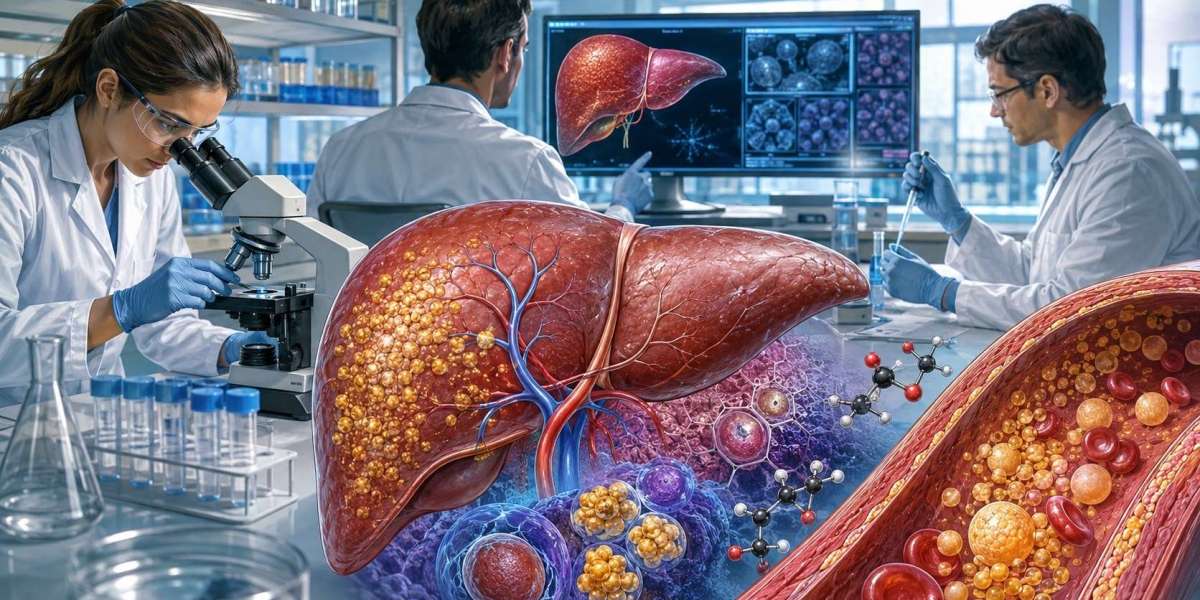
Researchers analyzed genetic data from nearly 10,000 participants using a method known as Mendelian randomization. This approach helps identify potential cause-and-effect relationships by examining naturally occurring genetic variations.
The study focused on genes such as CYP1A2 and AHR, which regulate how quickly caffeine is metabolized. Individuals with gene variants that slow caffeine breakdown had higher circulating caffeine levels. Importantly, these higher levels were associated with:
Lower BMI
Reduced total body fat mass
This suggests that caffeine’s metabolic effects may extend beyond short-term energy boosts and could influence long-term body composition.
Caffeine and Type 2 Diabetes Risk
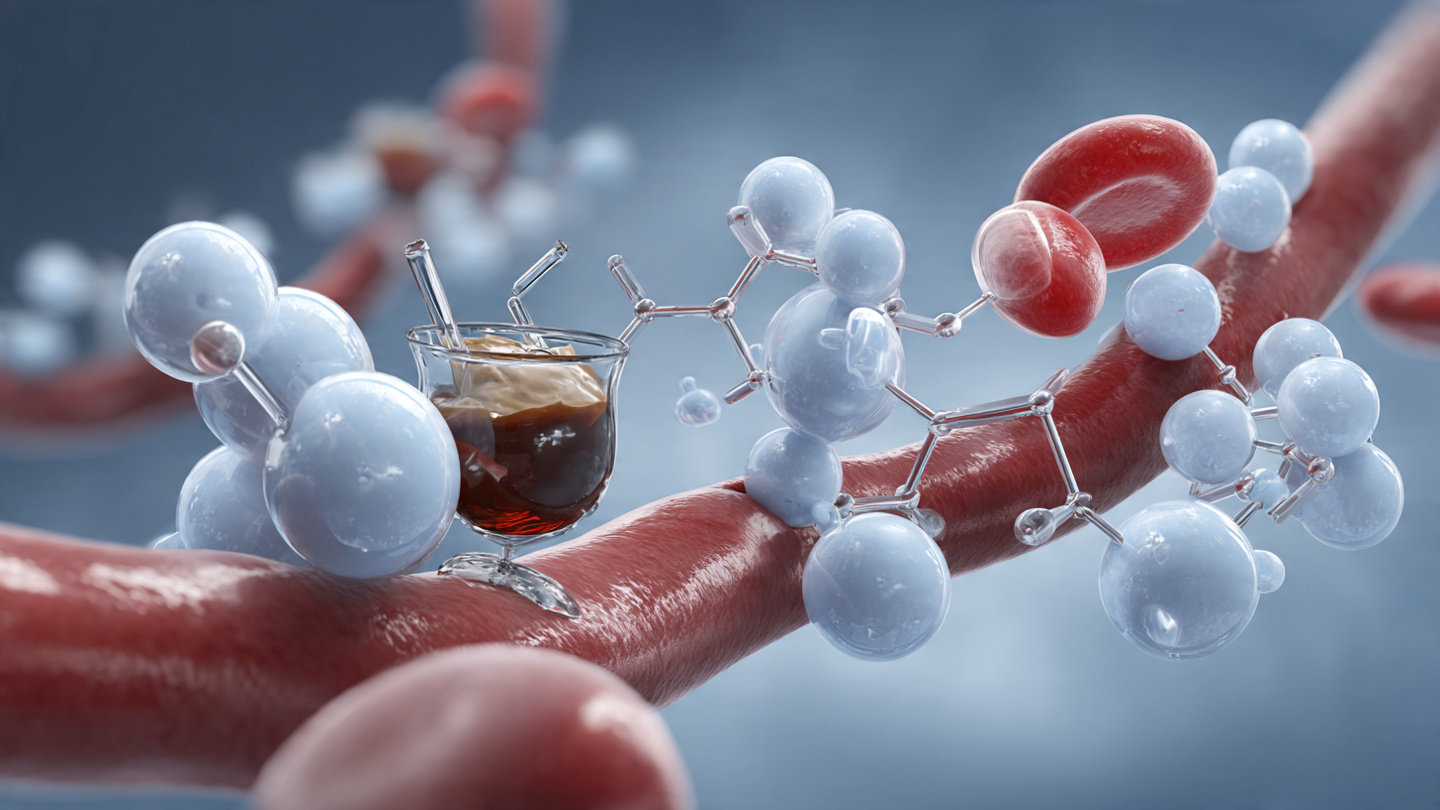
One of the most striking findings of the study was the relationship between blood caffeine levels and type 2 diabetes risk. Genetically predicted higher caffeine concentrations were associated with a lower likelihood of developing type 2 diabetes.
Approximately half of this protective effect appeared to be mediated through reductions in BMI. In other words, caffeine may indirectly lower diabetes risk by helping reduce body fat. This provides a potential biological explanation for earlier observational studies that linked moderate caffeine consumption with improved metabolic health.
What About Heart Health and Cardiovascular Disease?
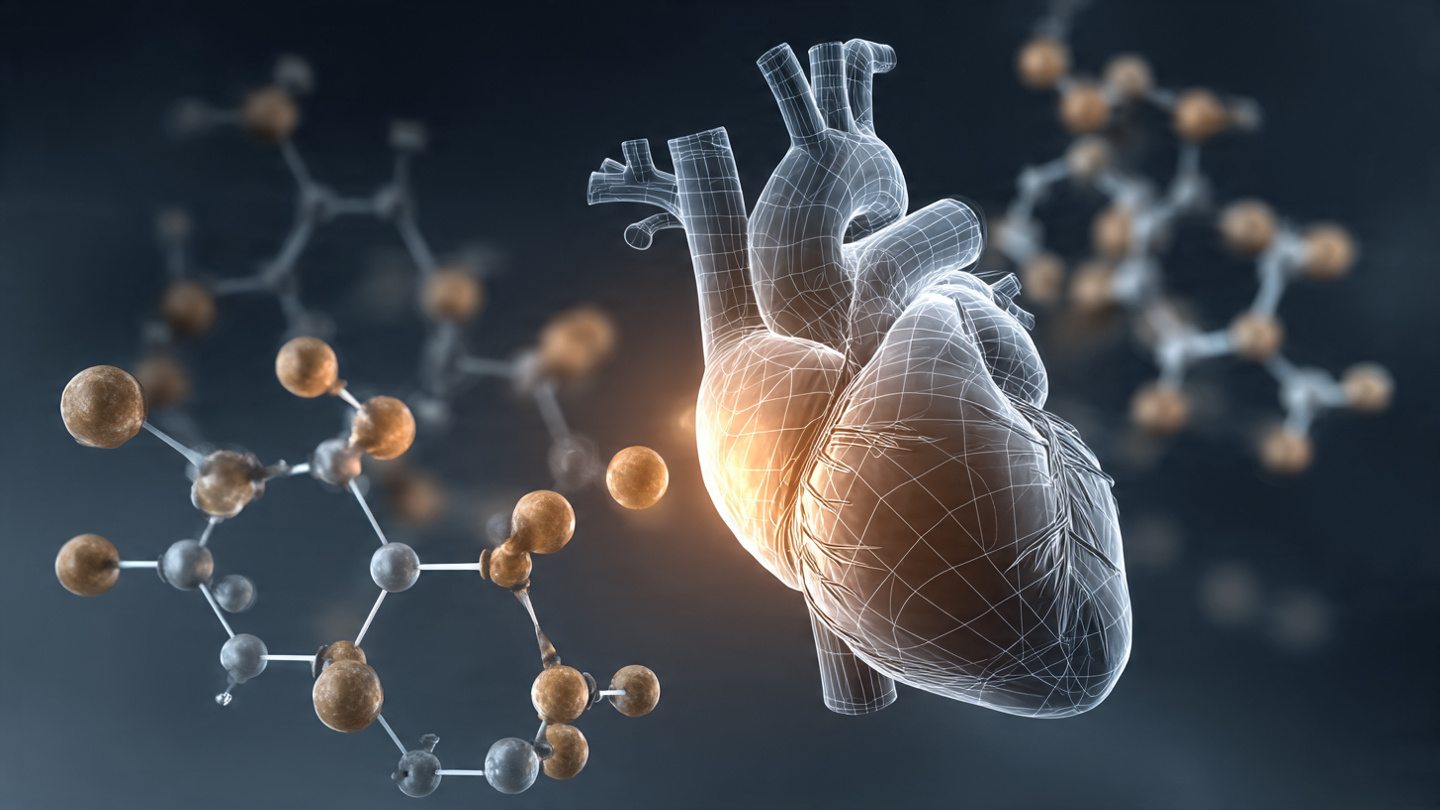
While previous research has often suggested cardiovascular benefits from moderate coffee consumption, this particular study found no significant association between blood caffeine levels and cardiovascular conditions such as:
Atrial fibrillation
Heart failure
Stroke
This highlights an important distinction: caffeine’s potential metabolic benefits may not necessarily translate into direct protection against all heart-related conditions.
Why Caffeine May Affect Fat Burning
Researchers believe caffeine’s influence on body fat may stem from its effects on metabolism. Caffeine is known to:
Increase thermogenesis, or heat production
Enhance fat oxidation, the process of turning fat into usable energy
Even small metabolic changes, when applied across large populations with widespread caffeine consumption, could have meaningful public health implications.
Limitations and Conflicting Considerations
While the findings are promising, the researchers emphasize caution. Mendelian randomization, although powerful, is not flawless. Other unmeasured factors could still influence the observed relationships.
Additionally, while short-term trials have shown that caffeine can reduce weight and fat mass, the long-term effects of sustained caffeine intake remain uncertain. Caffeine can also cause adverse effects for some individuals, including sleep disruption, anxiety, and increased heart rate.
For these reasons, experts stress that caffeine should not be viewed as a standalone solution for weight management or diabetes prevention.
Future Research and Practical Implications

The researchers suggest that non-caloric, caffeine-containing beverages could potentially play a role in obesity and diabetes prevention strategies. However, they also call for randomized controlled trials to confirm whether increasing caffeine exposure—without added sugar or calories—can safely deliver long-term metabolic benefits.
Conclusion: A Small Molecule With Big Metabolic Questions

Caffeine’s role in human health appears to be more complex than previously thought. This research adds compelling evidence that higher blood caffeine levels, influenced by genetics, may be linked to lower body fat and reduced type 2 diabetes risk. While caffeine is no miracle compound, its subtle metabolic effects could have significant implications when viewed at a population level.
As science continues to unravel how genetics, metabolism, and lifestyle intersect, caffeine stands out as a familiar substance with still-unfolding potential. Understanding how our bodies process it may help guide smarter, more personalized approaches to metabolic health in the future.
advertisement
Frequently Asked Question (FAQ):
Does drinking more coffee automatically reduce diabetes risk?
Not necessarily. The study focuses on blood caffeine levels influenced by genetics, not simply caffeine consumption.
Is caffeine safe for everyone?
No. Some people experience negative effects such as anxiety, insomnia, or heart palpitations.
Can caffeine replace diet and exercise for weight loss?
No. Caffeine may support metabolism, but healthy eating and physical activity remain essential.
Do decaffeinated drinks have the same effect?
No. The observed effects are linked specifically to caffeine.
Are energy drinks a good source of caffeine for health benefits?
Often no, as many contain added sugars that may increase diabetes risk.
Sources:
- ScienceAlert – News coverage of genetic research linking blood caffeine levels to body fat and diabetes risk
https://www.sciencealert.com/caffeine-in-your-blood-might-affect-body-fat-and-diabetes-risk-study-shows - BMJ Medicine – Original peer-reviewed study on genetically predicted caffeine levels, BMI, and type 2 diabetes
https://pmc.ncbi.nlm.nih.gov/articles/PMC9978685/
Thank you !