Understanding the Full Moon: Phases, Supermoons, and How to Watch the Wolf Moon
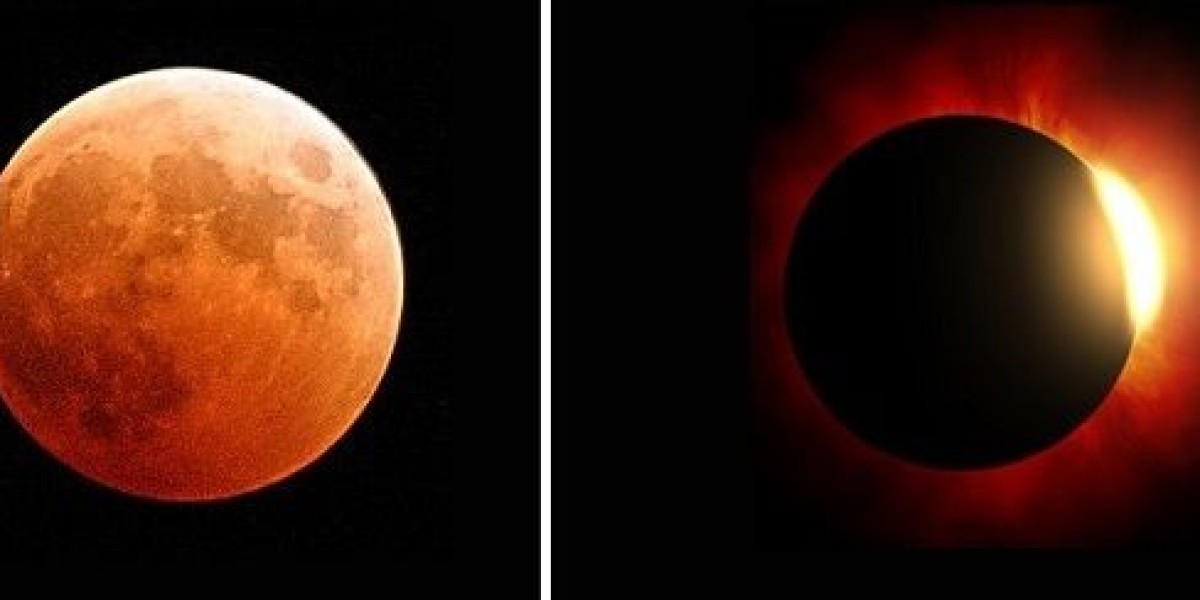
The full moon is one of the most iconic and awe-inspiring events in the night sky. When we see the moon glowing brightly, it's because the entire near side of the moon is being illuminated by the Sun. This happens during the full moon phase when the Earth is positioned between the Sun and the Moon.
The Moon itself doesn't produce its own light; instead, it reflects sunlight. A small amount of light also comes from Earth’s own reflection, called Earthshine, but the primary source of illumination is the Sun.
Image Prompt: "A glowing full moon in a clear night sky with Earthshine visible on the dark side of the moon."

Key Points Summary:
Full Moon: Occurs when the entire near side of the moon is illuminated by the Sun.
Phases: The Moon goes through a cycle of phases, from new to full, based on its position relative to Earth and the Sun.
Supermoons: A supermoon happens when the moon is at its closest to Earth, making it appear 14% larger and 30% brighter.
Wolf Moon: The January full moon is known as the "Wolf Moon," named for the winter howls of wolves in folklore.
Meteor Showers: The Wolf Moon coincides with the Quadrantid meteor shower, which can produce up to 100 fireball meteors per hour.
Best Viewing: The moon will be visible across the world, with peak illumination on January 3, 2026.
advertisement
Phases of the Moon: From New to Full
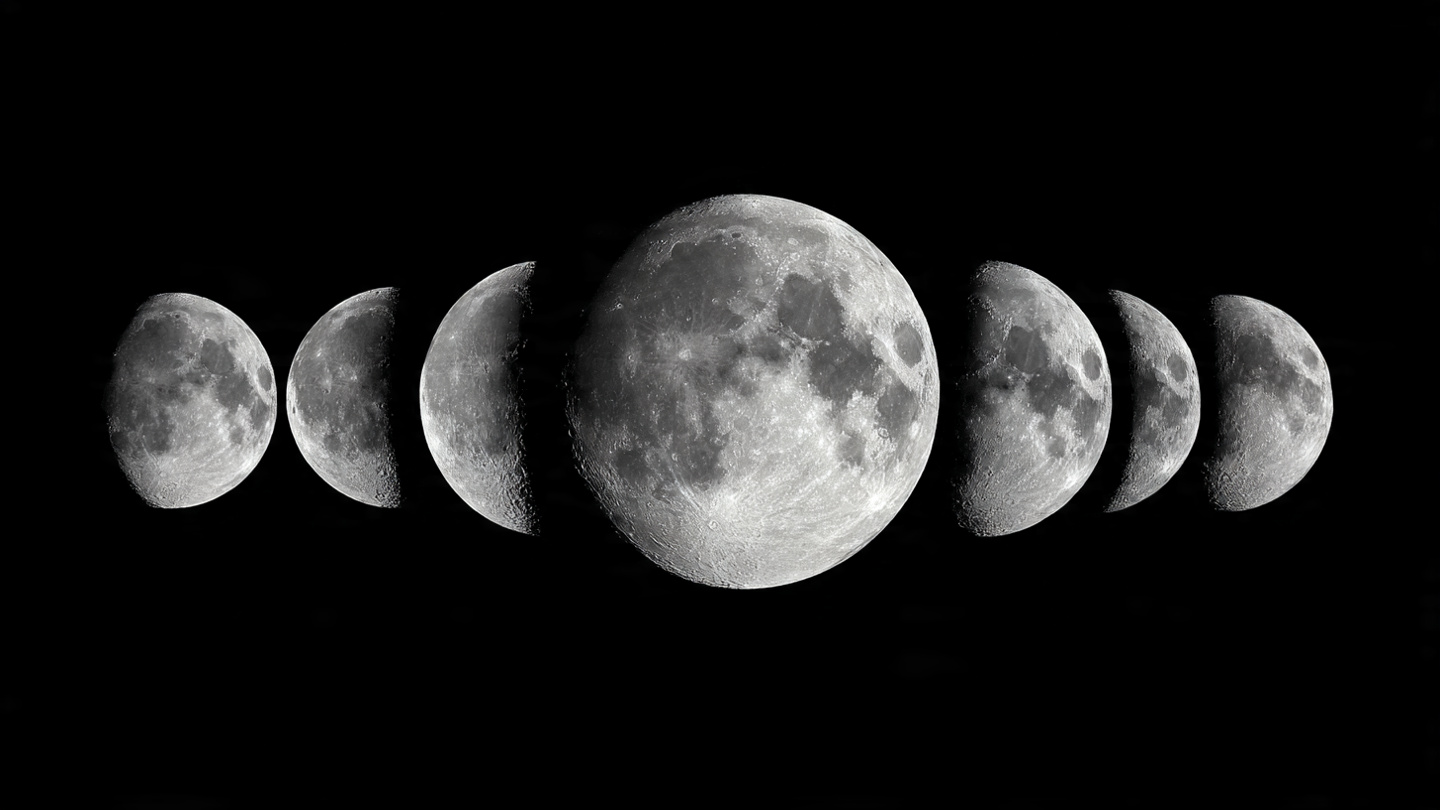
The Moon doesn’t stay in the full moon phase all the time. Instead, it goes through a cycle of phases, from new moon to waxing crescent, first quarter, waxing gibbous, full moon, waning gibbous, last quarter, and waning crescent. These phases occur as the Moon orbits Earth, and its appearance changes depending on the positions of the Sun, Earth, and Moon.
When the Moon is between the Earth and Sun, the side facing Earth is in shadow, creating the new moon. When the Moon is on the opposite side of Earth, the Sun lights up the entire side facing us, making it a full moon.
Image Prompt: "Illustration showing the different phases of the moon in a circular sequence."
Supermoons: A Closer Look at the Full Moon
A supermoon happens when the full moon coincides with the Moon’s perigee, the point in its orbit when it's closest to Earth. This makes the moon appear about 14% larger and 30% brighter than a typical full moon. Despite its name, the moon isn't physically larger, but it creates a striking visual effect, appearing unusually big and luminous in the sky.
The first supermoon of 2026 will be the "Wolf Moon," which occurs in January. This moon is not only special because it’s a supermoon but also because it marks the first full moon of the year. It will be visible on the evening of January 2-3 and will be particularly bright as it rises in the constellation Gemini.
Image Prompt: "A supermoon rising over a landscape, appearing large and glowing brightly in the night sky."

Why the January Full Moon is Called the "Wolf Moon"
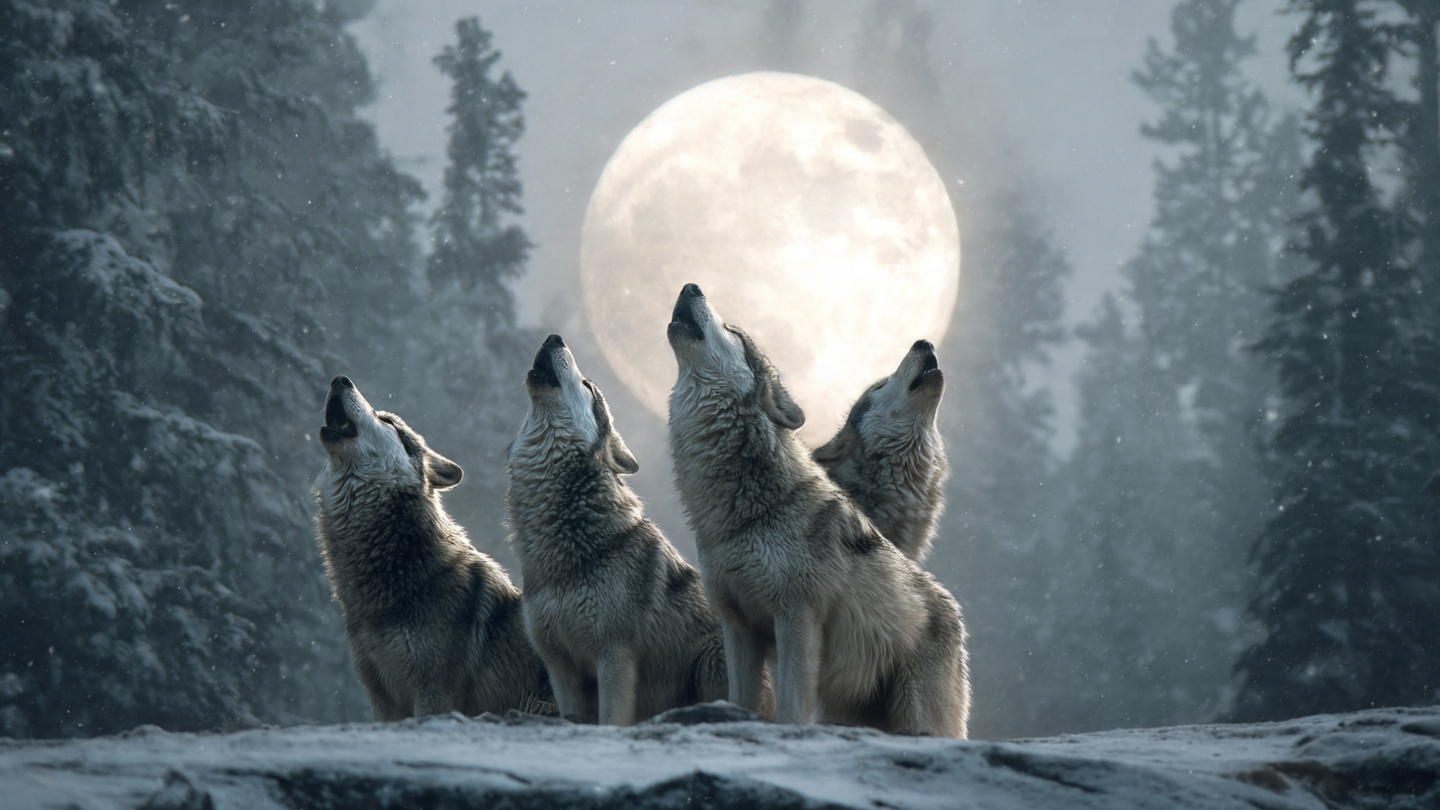
The January full moon is traditionally called the Wolf Moon. This name is rooted in folklore, where it was believed that wolves would howl more frequently during this time, possibly due to hunger or as a way to communicate. While this explanation is popular, scientists know that wolves primarily howl to communicate with each other, either to claim territory or organize a hunt.
Image Prompt: "A pack of wolves howling at the full moon in a snowy forest."
The Wolf Moon and Meteor Showers
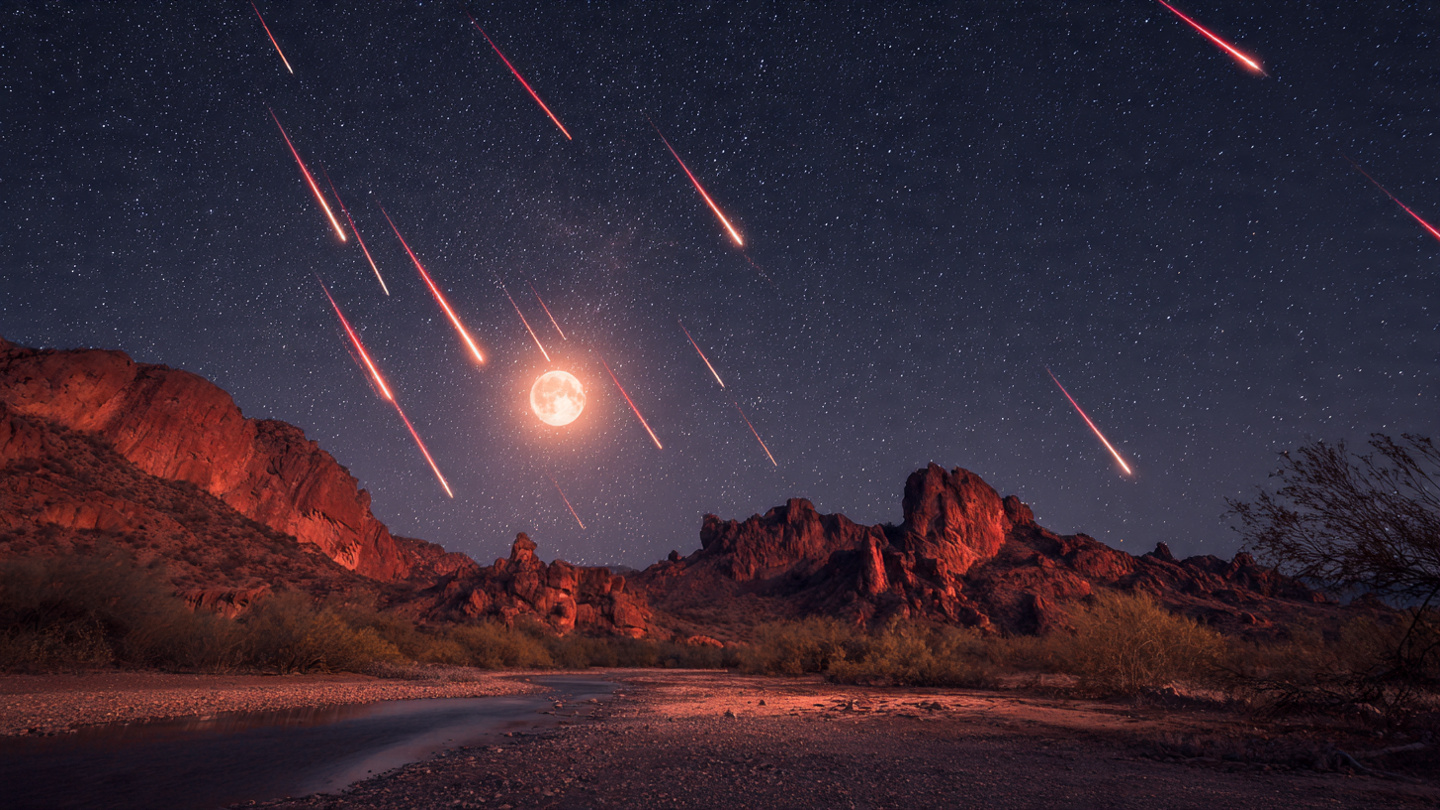
The Wolf Moon of January 2026 will also coincide with the peak of the Quadrantid meteor shower. This meteor shower, known for producing bright fireballs, will peak on the same night, making it a particularly exciting time for stargazers. However, the brightness of the full moon might obscure all but the brightest meteors.
To best enjoy meteor showers, it’s recommended to find dark skies far from city lights. Some of the best stargazing locations in the United States include Death Valley and Joshua Tree National Park in California, where you can get an unobstructed view of the celestial events.
Image Prompt: "Meteor shower with bright fireballs streaking across the sky above a desert landscape during a full moon."
When and Where to See the Wolf Moon in 2026
For those planning to witness the Wolf Moon, it will be visible across the globe, but the best viewing conditions depend on clear skies. In areas like Connecticut and California, the moon will rise on January 2-3 and will be visible to the naked eye. The peak illumination occurs around 5:03 AM ET on January 3, but the moon will remain visible for several nights before and after the peak.
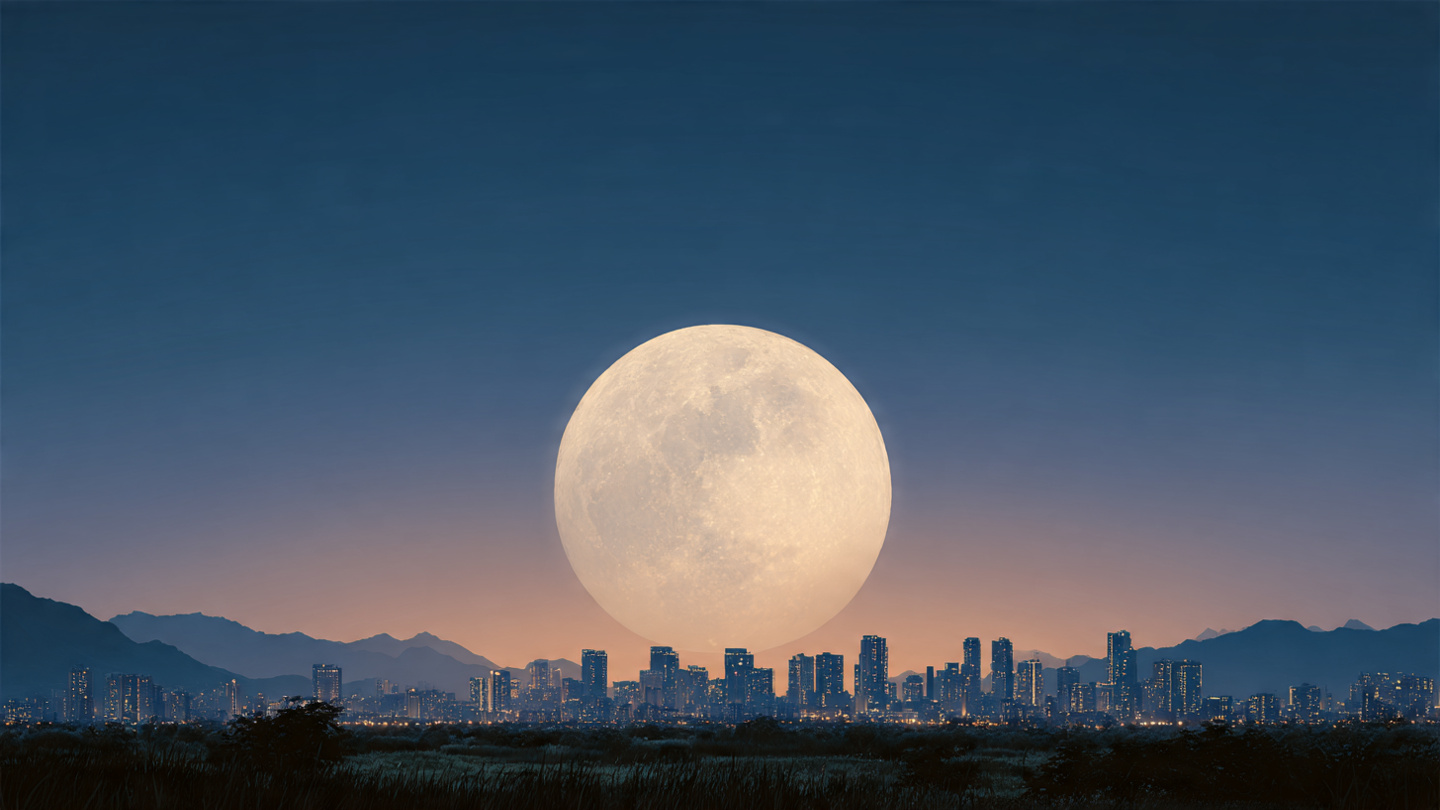
Image Prompt: "A clear night sky with the full moon rising over a city skyline or rural landscape."
Conclusion: The Magic of the Full Moon
The full moon, whether a supermoon or not, is a magnificent celestial event that brings both wonder and scientific interest. It marks the completion of a lunar cycle and offers a unique opportunity to observe the effects of our closest neighbor in space. Whether you’re watching the Wolf Moon or any other full moon, it’s an occasion to pause, reflect, and appreciate the mysteries of the night sky.
Image Prompt: "A breathtaking view of a full moon casting light on a calm ocean with a silhouette of a tree or mountain."

advertisement
FAQ:
What is a supermoon?
A supermoon occurs when the full moon coincides with the moon's perigee, or closest point to Earth, making it appear larger and brighter than usual.Why is the January full moon called the Wolf Moon?
The Wolf Moon is named after wolves, as they are more likely to howl during the cold winter months. This was traditionally seen as a sign of hunger or a rally call for a hunt.How often do supermoons happen?
Supermoons occur several times a year, but 2026 will have three, with the first occurring in January. The next two will happen in November and December 2026.When is the next full moon?
The next full moon is the Wolf Moon, which will occur on January 3, 2026.Where can I best view the Wolf Moon?
The Wolf Moon will be visible worldwide, but locations with clear, dark skies, like national parks or rural areas, offer the best viewing opportunities.
Sources:
Royal Observatory Greenwich – Full Moon Calendar 2026
Royal Observatory GreenwichDesert Sun – First Supermoon of 2026 and the Wolf Moon
The Desert SunCT Insider – January 2026 Full Moon in Connecticut
CT Insider
Thank You & Happy New Year!