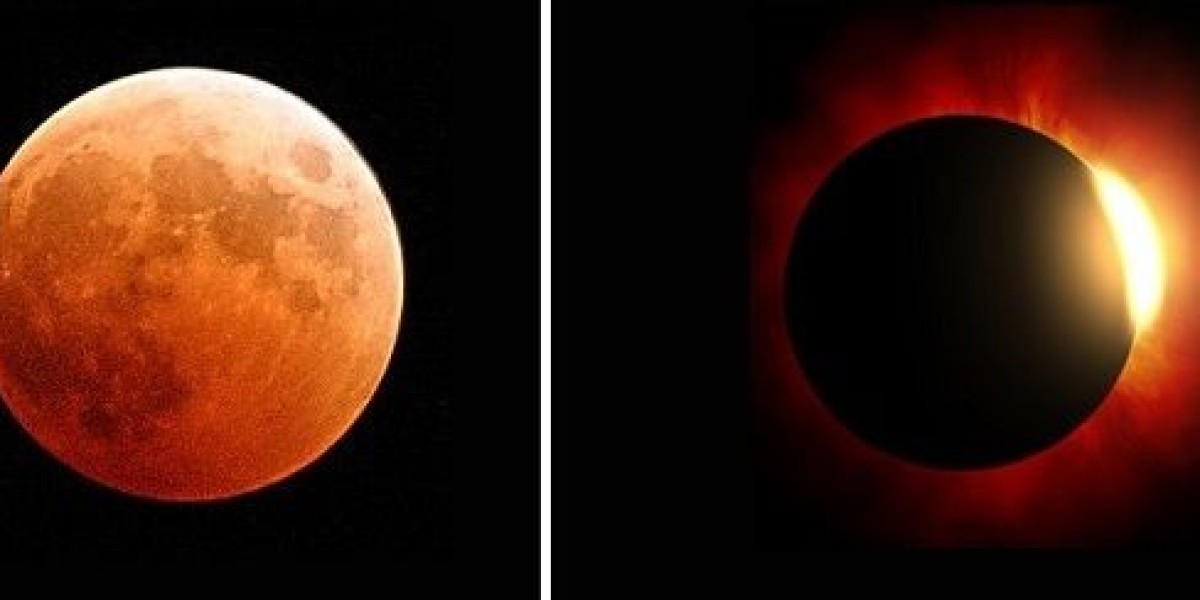
The Longest Solar Eclipse in 2027: A Spectacular Celestial Event You Can’t Miss

On August 2, 2027, a rare and extraordinary cosmic event will unfold, captivating sky-watchers around the world—the longest total solar eclipse of the 21st century. This eclipse, lasting over six minutes in some locations, promises an awe-inspiring spectacle as the Moon completely covers the Sun, turning midday into an eerie twilight along a narrow path crossing parts of Europe, North Africa, and the Middle East.
Key Points Summary
The longest solar eclipse of the 21st century occurs on August 2, 2027.
Totality lasts up to 6 minutes and 23 seconds near Luxor, Egypt.
The path crosses southern Europe, North Africa, and the Middle East.
Millions outside the path will see a partial eclipse.
The Moon’s proximity and Earth’s position make this eclipse unusually long.
Safe viewing requires certified eclipse glasses or indirect methods.
The event offers scientific, educational, and tourism opportunities.
No total eclipse of this length on land is expected until 2114.
Effects include a drop in temperature, visible solar corona, and twilight during the day.
Local regions are preparing for increased visitors and scientific studies.
advertisement
What Makes the 2027 Solar Eclipse So Special?
Total solar eclipses occur when the Moon moves directly between Earth and the Sun, casting a shadow that blocks the Sun’s bright disk. While most total eclipses last only two to three minutes, the 2027 eclipse stands out because in some areas, especially near Luxor in Egypt, totality will last around six minutes and twenty seconds. According to NASA and eclipse experts, this duration is exceptional and ranks as one of the longest total solar eclipses visible on land this century.
Several cosmic factors combine to create this extended period of darkness:
Moon’s proximity: The Moon will be near its closest point to Earth (perigee), making it appear larger in the sky.
Earth’s distance from the Sun: Around early August, Earth is farther from the Sun, so the Sun appears slightly smaller.
Path of totality alignment: The Moon’s shadow crosses near Earth’s equator, where the planet’s rotation slows the shadow’s movement relative to the ground, prolonging totality.
Where Can You Witness Totality and Partial Phases?
The narrow path of totality begins over the eastern Atlantic Ocean and moves eastward, touching southern Spain, crossing the Strait of Gibraltar into Morocco, then sweeping through northern Algeria, Tunisia, northern Libya, and central Egypt. From there, it continues toward Saudi Arabia, Yemen, and the Horn of Africa.
Key cities under the path of totality include Cádiz and Málaga in Spain, Tangier in Morocco, Oran in Algeria, Sfax in Tunisia, and in Egypt, cities like Sohag, Qena, and Luxor—where darkness will persist for more than six minutes.
Farther east, Jeddah and Mecca in Saudi Arabia, Sana’a in Yemen, and coastal towns in Somalia will experience the same extraordinary phenomenon.
Outside this narrow path, a broad region stretching across most of Africa, nearly all of Europe, parts of western and southern Asia, and even a sliver of northeastern North America will witness a partial eclipse. This means the Moon will cover a significant portion of the Sun but not completely, resulting in a fascinating but less dramatic effect.
advertisement
What Will You See During the Eclipse?
The experience depends on your location relative to the path of totality. Here's what to expect:
| Location Type | What the Sky Looks Like | Approximate Effect |
|---|---|---|
| Inside the path of totality | Sun completely hidden, corona visible, stars and planets appear | Sharp drop in light and temperature, deep twilight at midday |
| Near-total partial (95–99%) | Very thin solar crescent, odd light quality | Strange colors, long shadows, animals unsettled but no full darkness |
| Moderate partial (50–80%) | Large bite out of the Sun | Noticeable dimming, cooler air, but still clearly daytime |
In places like southern Sicily and southern Spain near the central shadow, the light may dim dramatically, with eerie colors and shadows, but it won’t become completely dark. Animals might behave as if night has fallen, and streetlights may flicker on in areas nearly under totality.
How to Watch the Eclipse Safely
Eye safety is paramount when observing any solar eclipse. Looking directly at the Sun without certified protection during partial phases can cause severe, permanent eye damage. The only safe ways to watch include:
Using certified eclipse glasses that meet international safety standards.
Employing handheld solar viewers or welding glass of appropriate shade.
Observing the eclipse indirectly through pinhole projectors or other projection techniques.
During totality, when the Sun is fully covered, it is safe to observe the eclipse with the naked eye—but only briefly. The moment any bright sunlight reappears, protective eyewear must be used again.
advertisement
The Broader Impact: Science, Tourism, and Education
This eclipse is not just a breathtaking spectacle; it also offers valuable scientific opportunities. The Sun’s corona, usually obscured by sunlight, becomes visible for direct study, allowing astronomers to analyze solar magnetic fields and atmospheric structures. The rapid cooling during totality can also influence local weather patterns, providing climate researchers with unique data.
Regions along the path, including parts of Spain, Morocco, Egypt, and Saudi Arabia, are preparing for an influx of tourists, eclipse chasers, and scientists. This event will boost local economies but also require careful planning to accommodate visitors.
For educators and families outside the path of totality, the eclipse is an excellent chance to engage in simple science activities like building pinhole projectors or measuring temperature changes, turning a natural event into a hands-on learning experience.
Conclusion: A Once-in-a-Lifetime Celestial Marvel
The August 2, 2027, solar eclipse is poised to be one of the most memorable astronomical events of this century. Its unusually long duration of totality, sweeping across historically and culturally rich regions, offers a unique blend of natural wonder, scientific discovery, and human connection.
Whether you are a seasoned astronomer or a casual observer, this eclipse invites everyone to look up and experience the profound beauty of our cosmos. It reminds us of the intricate dance between Earth, Moon, and Sun—a celestial performance that has inspired humanity for millennia and continues to unite us in awe.
Mark your calendars, prepare your safe viewing gear, and be ready to witness the sky darken in the middle of the day—because the 2027 eclipse is not just an event; it’s a cosmic celebration of nature’s grandeur.
advertisement
Frequently Asked Questions (FAQ)
Q: When and where will the longest solar eclipse of 2027 be visible?
A: On August 2, 2027, the longest total solar eclipse of the century will be visible along a narrow path from southern Spain across North Africa and the Middle East, with maximum totality near Luxor, Egypt.
Q: How long will the total eclipse last?
A: Near Luxor, totality will last approximately 6 minutes and 23 seconds, making it one of the longest on land in recent history.
Q: Can I see the eclipse if I’m outside the path of totality?
A: Yes, many parts of Europe, Africa, and Asia will witness a partial eclipse where the Moon covers part of the Sun.
Q: Is it safe to look at the eclipse directly?
A: Only during the brief totality phase is it safe to view the eclipse without protection. For all other phases, use certified eclipse glasses or indirect viewing methods.
Q: Why does the eclipse last so long in 2027?
A: The combination of the Moon’s close distance to Earth, Earth’s position farther from the Sun, and the eclipse path near the equator slows the shadow’s movement, lengthening totality.
Q: Will animals react to the eclipse?
A: Yes, during totality and near-total phases, animals may behave as if night has fallen due to the sudden darkness and temperature drop.
Q: What scientific studies will the eclipse enable?
A: Scientists will study the solar corona, magnetic fields, and atmospheric changes caused by the rapid cooling during totality.
Sources
Ecoticias: The longest solar eclipse of the century is coming in 2027
Alice Ada Bridal: The world braces for the eclipse of the century
Thank you !