
article image source: mit.edu (Link)
Concrete Battery Breakthrough at MIT: A Revolutionary Development with 10x the Power
Key Points:
MIT researchers have developed a concrete battery (ec3) that stores 10 times the energy of previous versions.
The technology works by using a carbon nanonetwork inside the concrete that enables it to store and release electrical energy.
The latest improvements allow the same energy storage capacity to be achieved with less material—reducing the volume of concrete needed for large-scale energy storage.
Ec3 has potential applications in buildings, roads, and even offshore structures, contributing to sustainable energy solutions.
With ongoing research, ec3 could help power off-grid homes, electric vehicles, and urban infrastructure in the future.
advertisement
Concrete has long been the backbone of our cities, forming the walls, bridges, and sidewalks that make up our built environment. But now, thanks to a groundbreaking development at MIT, this ubiquitous material might just have a new purpose: energy storage. In an exciting new advancement, MIT researchers have enhanced the energy storage capacity of concrete batteries, allowing them to hold 10 times more power than before. This could unlock a future where everyday structures not only provide shelter but also store and release energy, contributing to sustainable, off-grid living.
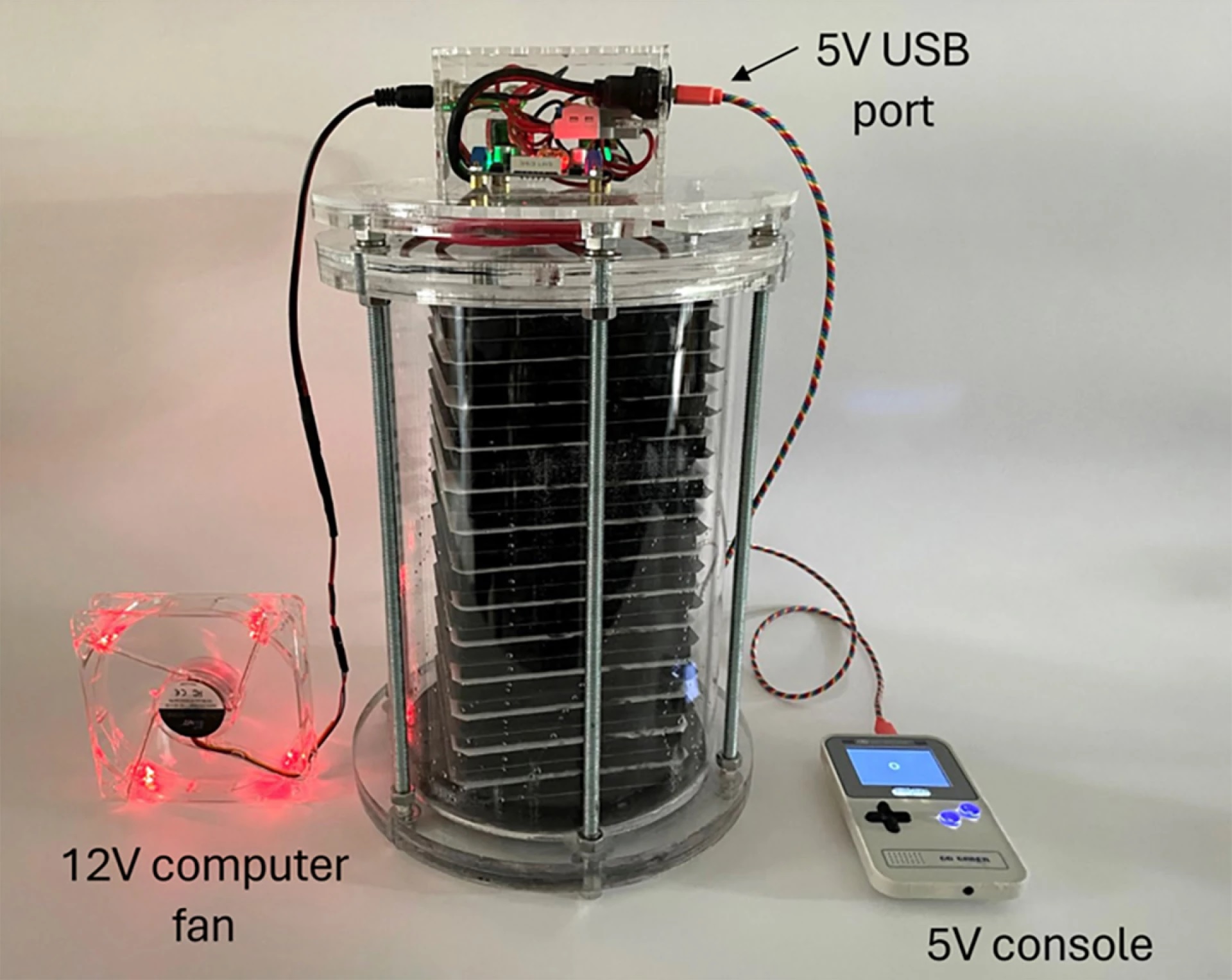
The Emergence of Concrete as a Supercapacitor
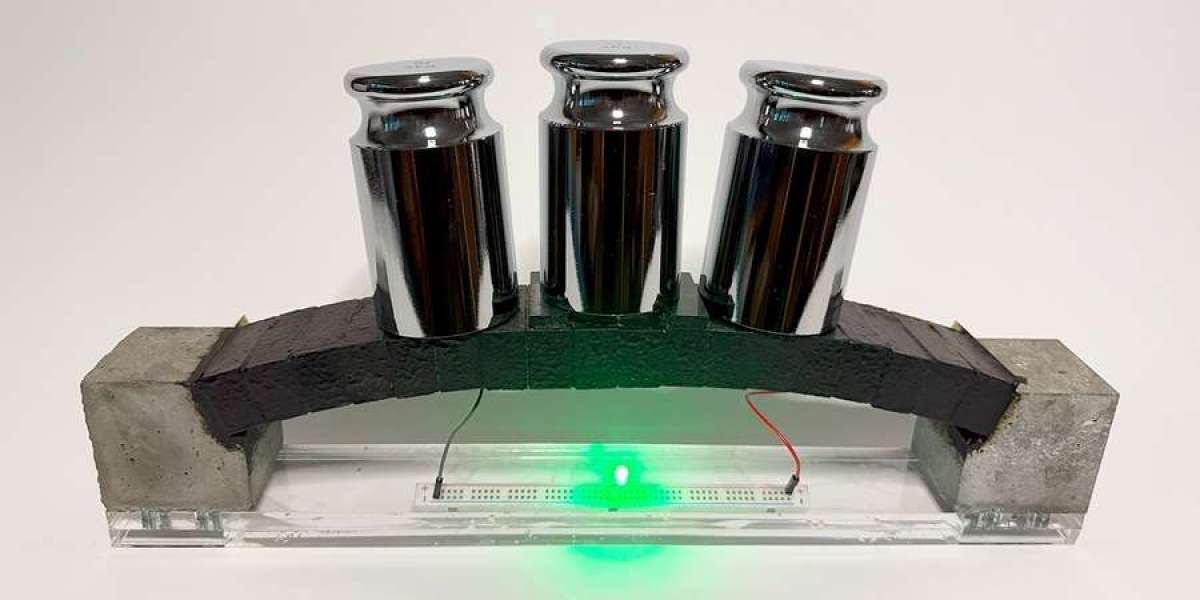
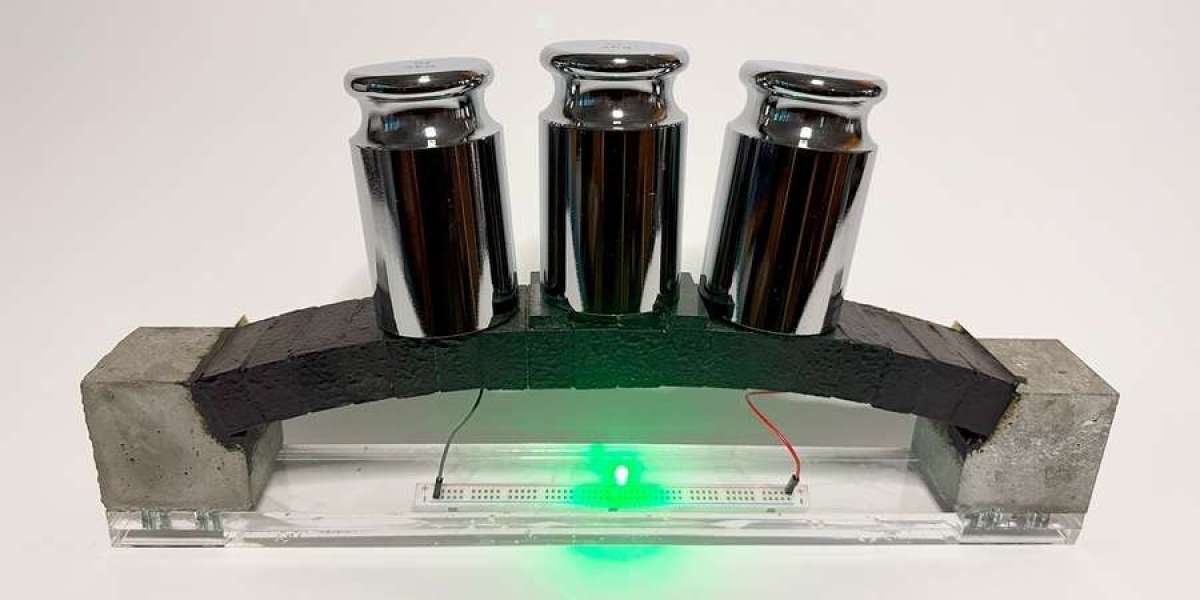
The concrete battery, officially known as Electron-Conducting Carbon-Cement (ec3), works by integrating ultra-fine carbon black particles into the cement mix. These particles form a "nanonetwork" inside the concrete, allowing it to conduct electricity. With the addition of electrolytes, the concrete can store and release electrical energy—essentially transforming a wall or a bridge into a massive energy storage system.
The potential for this innovation is vast. Imagine sidewalks, buildings, and roads that not only serve their structural purpose but also contribute to energy storage. This could reduce reliance on conventional batteries and pave the way for more sustainable energy solutions.
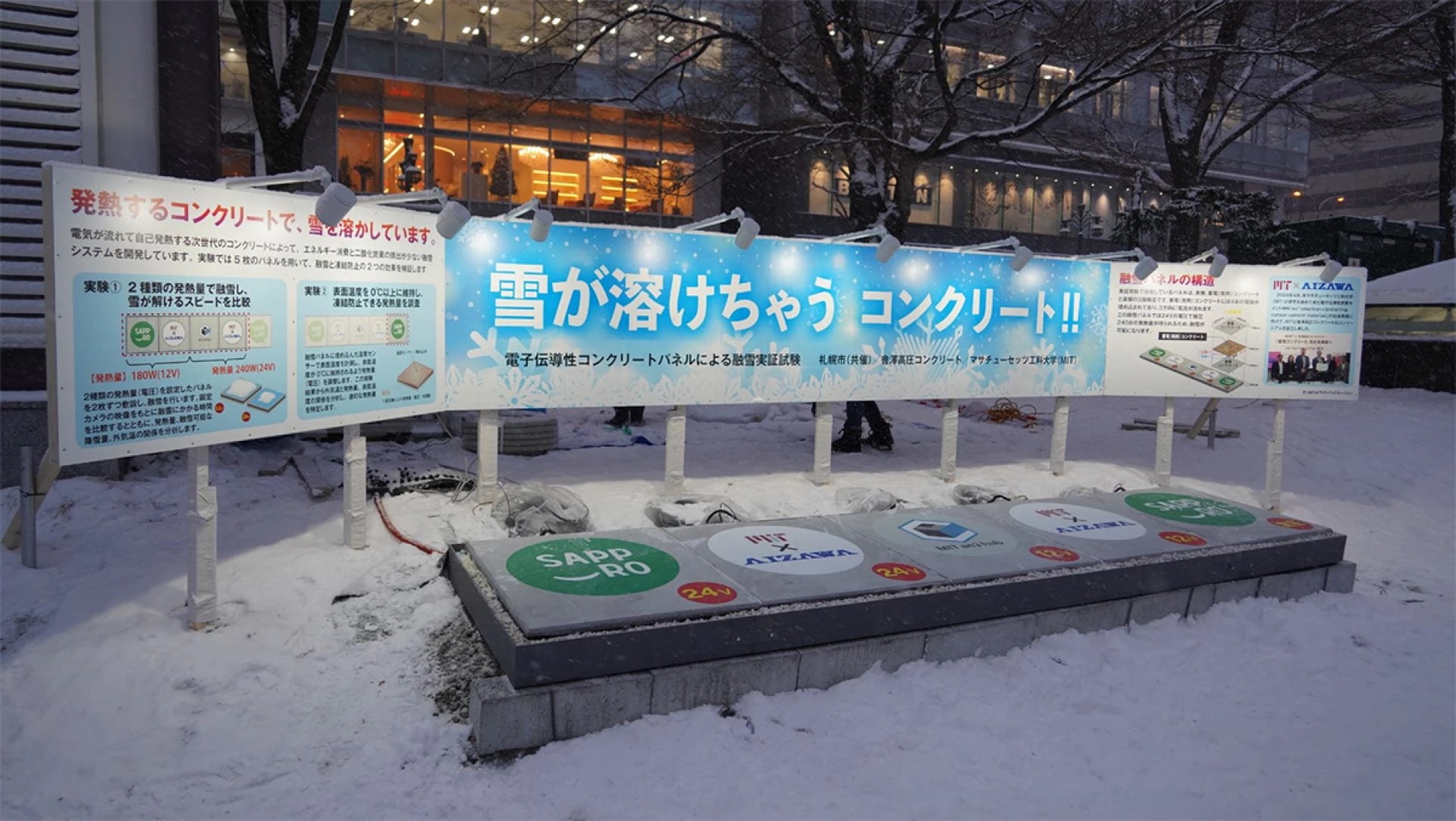
ec3 has previously been used to heat sidewalk slabs in Sapporo, Japan, due to its thermally conductive properties
Image courtesy of the MIT ec³ hub
image source: newatlas.com
10 Times the Power: The Latest Breakthrough
A recent paper published by MIT researchers in Proceedings of the National Academy of Sciences (PNAS) details their latest findings on ec3. By refining the electrolyte mix and manufacturing processes, the team was able to increase the energy storage capacity of ec3 by an order of magnitude. What once required 45 cubic meters of concrete to power a home for a day can now be accomplished with just 5 cubic meters—the size of a typical basement wall.
This improvement in energy density was made possible by a deeper understanding of how the nanocarbon network inside ec3 functions. Using advanced imaging techniques like Focused Ion Beam Scanning Electron Microscopy (FIB-SEM), the team was able to map the material at an unprecedented level of detail. They discovered that the network forms a fractal-like "web" around the concrete’s pores, allowing for better electrolyte infiltration and more efficient energy flow.
advertisement
Versatility and Applications
One of the key advantages of ec3 is its versatility. Unlike traditional batteries, which rely on specific chemical materials and often require periodic replacements, ec3 can be incorporated directly into the structure of buildings and infrastructure. It’s a solution that can last as long as the building itself, eliminating the need for separate energy storage devices.
Moreover, the research team has explored a variety of electrolytes, including seawater, which could make ec3 an ideal material for coastal or marine applications, such as supporting offshore wind farms. The potential for ec3 to power everything from parking lots to homes and even electric vehicles is truly revolutionary.
A Step Toward a Sustainable Future
While traditional batteries often rely on scarce or environmentally harmful materials, ec3 presents an eco-friendly alternative that could be integrated into the very fabric of our urban landscapes. This aligns with the growing need for energy solutions that are not only sustainable but also scalable.
Admir Masic, the lead author of the study and co-director of MIT's Electron-Conducting Carbon-Cement-Based Materials Hub (EC³ Hub), envisions a future where concrete doesn’t just support our buildings—it powers them. As he notes, “The Ancient Romans made great advances in concrete construction... If we continue to innovate, we could be on the verge of a new architectural revolution.”
One inspiring application is the use of ec3 to create self-sustaining, off-the-grid homes. These homes could be equipped with energy-storing walls, roads that charge electric vehicles, and infrastructure that dynamically adjusts to energy needs. The team is also exploring how ec3 could be used to power streetlights or provide backup energy during blackouts, further reducing our reliance on traditional energy sources.
advertisement
The Road Ahead
This breakthrough is just the beginning. The research team is working to make ec3 more efficient and accessible, with an eye toward real-world scalability. Already, the material has been used to heat sidewalk slabs in Japan, showing its practical potential. With continued innovation, the vision of multifunctional concrete that not only builds but powers the world could soon be a reality.
As James Weaver, a co-author of the paper and associate professor of design technology, puts it, "We’re opening a door to infrastructure that doesn’t just support our lives, it powers them."
Conclusion: A Future Powered by Concrete
The development of concrete-based supercapacitors like ec3 represents a monumental leap toward a sustainable, energy-efficient future. As we continue to refine this technology, the dream of self-sustaining cities powered by the very buildings that make them up may become a reality. The marriage of ancient material science with modern nanotechnology promises a new era in which concrete is not just a building block of civilization, but a vital part of the energy solutions of tomorrow.
FAQ:
Q1: What is a concrete battery?
A concrete battery, or ec3, is a material that allows concrete to store and release electrical energy. It uses carbon-based nanoparticles embedded in the concrete to form a conductive network, enabling it to function like a supercapacitor.
Q2: How does this new development improve energy storage?
Recent improvements in electrolyte mixing and manufacturing processes have boosted the energy storage capacity of ec3 by tenfold, making it more efficient and practical for large-scale use.
Q3: What are the potential uses for concrete batteries?
Ec3 could be used in a variety of applications, including powering buildings, electric vehicles, and even offshore wind farms. Its ability to store energy in structures like walls and roads makes it a versatile and sustainable energy solution.
Q4: Is ec3 better than traditional batteries?
While traditional batteries have higher energy density, ec3 offers a unique advantage: it can be integrated directly into the architecture of buildings, lasting as long as the structure itself without the need for separate, replaceable batteries.
Q5: How sustainable is this technology?
Ec3 offers an environmentally friendly alternative to traditional energy storage solutions, reducing the need for harmful materials commonly found in conventional batteries. Its integration into buildings also reduces the carbon footprint of energy storage systems.
Sources:
Thank you !