
Elon Musk’s Space-Based Data Centers: The Future of AI Computing
Key Points
AI growth is driving an unprecedented demand for data centers.
Space-based data centers could leverage solar energy, reduce cooling costs, and minimize environmental impact.
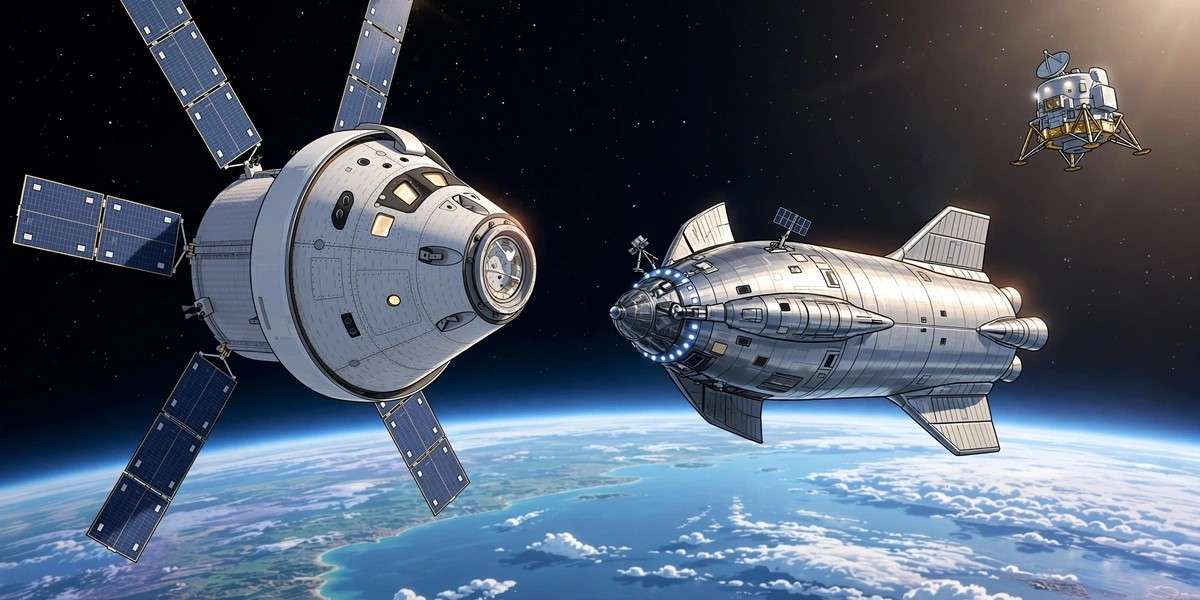
SpaceX plans to use upgraded Starlink V3 satellites for orbital computing.
Other companies like Starcloud, Google, and Axiom Space are testing space-based infrastructure.
Challenges include radiation, space debris, maintenance, and high launch costs.
Widespread adoption is expected within the next decade, with enormous potential for sustainable AI.
advertisement
Introduction
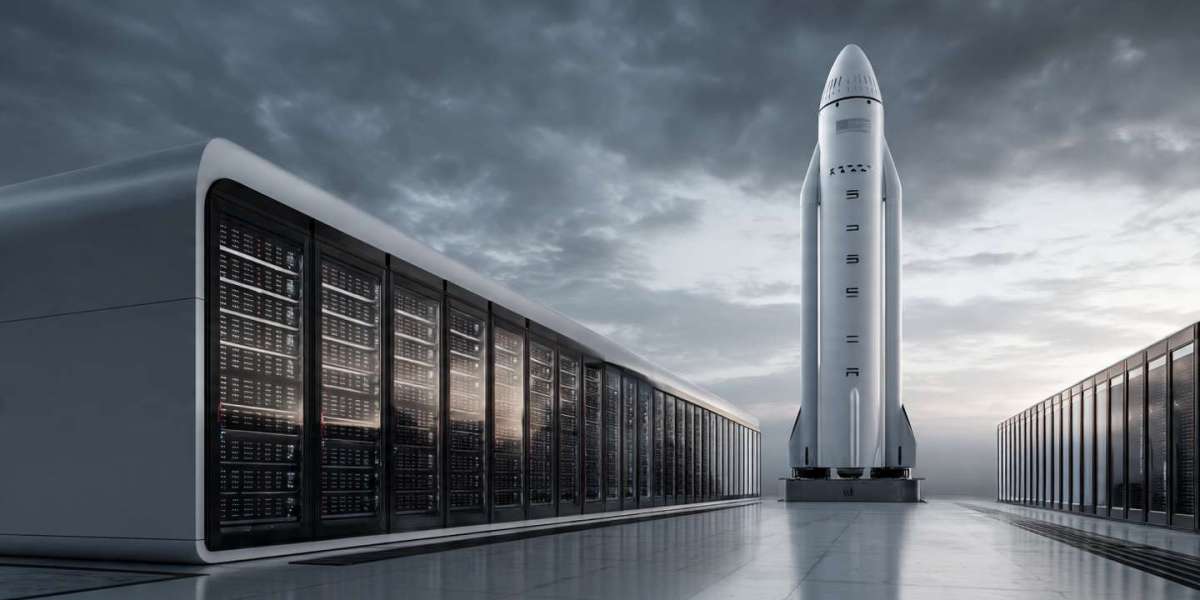
As artificial intelligence (AI) continues its rapid expansion, demand for data centers has surged to unprecedented levels. These facilities, which store, process, and manage massive amounts of information, are critical for AI development but also come with high energy consumption, cooling challenges, and environmental concerns. Visionaries like Elon Musk and other tech leaders are exploring a radical solution: moving data centers into outer space.
Why Data Centers in Space?
Data centers on Earth already consume significant electricity. In 2014, they accounted for 1.8% of total U.S. energy use—a number projected to rise to nearly 9% by 2030. The AI boom has only intensified the pressure to find sustainable solutions.
Space-based data centers could offer several advantages:
Abundant solar energy: Solar panels in space can be up to eight times more productive than on Earth.
Lower cooling costs: Space provides natural cold conditions, reducing the need for expensive cooling systems.
Fewer regulatory obstacles: Companies could bypass community resistance and bureaucratic hurdles that often delay terrestrial projects.
Environmental benefits: After the launch, space-based facilities may produce significantly lower carbon emissions than ground-based centers.
Elon Musk has argued that solar-powered AI satellites could become the most cost-effective way to run AI computations. He envisions using upgraded Starlink V3 satellites to host computing infrastructure, enabling SpaceX to deploy data centers in orbit within the next five years.
advertisement
Current Developments and Industry Players
Several companies and startups are already experimenting with orbital computing:
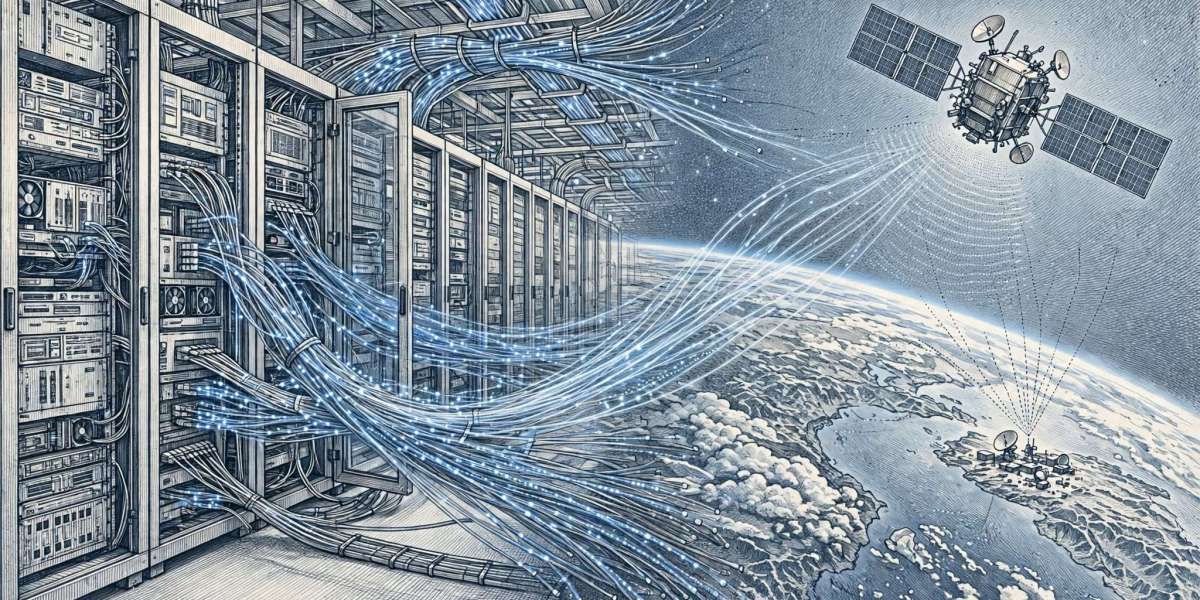
SpaceX plans to scale up its third-generation Starlink satellites to host data centers, leveraging high-speed laser links and low-latency connections (around 25 milliseconds) for efficient AI processing.
Starcloud, a startup based in Redmond, Washington, aims to launch satellites equipped with powerful Nvidia H100 GPUs. Their goal is to eventually build orbital data centers generating multi-gigawatt computing power, reducing carbon emissions compared to Earth-based facilities.
Google’s Project Suncatcher intends to deploy compact constellations of solar-powered satellites with tensor processing units. Prototype satellites are planned for launch by early 2027.
Axiom Space and Lonestar Data Holdings have already tested orbital and lunar data-center prototypes, demonstrating the growing feasibility of extraterrestrial infrastructure.
OpenAI CEO Sam Altman has also speculated about the potential of space-based data centers, highlighting the possibility of mitigating terrestrial limitations while addressing the skyrocketing need for AI compute resources.
Challenges and Criticisms
Despite the exciting potential, moving data centers to space comes with formidable challenges:
Radiation and space debris: Satellites must be shielded from cosmic radiation and collisions with orbital debris.
Maintenance and hardware upgrades: Repairs in space are far more difficult than on Earth.
High launch costs: Currently, transporting equipment to orbit is expensive. Economically viable solutions may require launch costs to drop below $200 per kilogram—a threshold anticipated within the next decade.
Environmental considerations: Although space-based data centers can reduce operational emissions, launch vehicles themselves need to become far more environmentally friendly to achieve net benefits.
Experts emphasize that while the concept is promising, widespread adoption is likely at least a decade away.
advertisement
Looking Ahead
Despite the hurdles, tech leaders remain optimistic. Jeff Bezos, founder of Amazon and Blue Origin, predicts that space will eventually play a key role in improving Earth’s technological and environmental landscape. Elon Musk’s vision of orbiting data centers represents a bold step toward sustainable AI growth, combining innovation with environmental consciousness.
As AI continues to evolve, space-based data centers could redefine how humanity approaches computing, energy consumption, and planetary stewardship. With ongoing research, technological advancements, and declining launch costs, the dream of orbiting AI hubs may soon move from science fiction to reality.
Conclusion
Space-based data centers are no longer just a futuristic concept—they are rapidly moving toward feasibility. While technical and economic challenges remain, the potential benefits are enormous: sustainable energy use, reduced environmental impact, and expanded computational capabilities for AI. Elon Musk and other visionary leaders are paving the way for a new era where computing transcends the limits of Earth, opening doors to innovation that could reshape technology, science, and society itself.
FAQ
Q: Why put data centers in space?
A: Space offers abundant solar energy, natural cooling, fewer regulatory obstacles, and lower long-term carbon emissions compared to Earth-based facilities.
Q: How will Starlink satellites be used?
A: Upgraded Starlink V3 satellites could host AI compute infrastructure, providing low-latency connections and high-speed computing in orbit.
Q: When could space-based data centers become feasible?
A: Experts estimate economic and technical feasibility could arrive within the next 10–15 years, depending on launch cost reductions and technological advancements.
Q: Are there other companies besides SpaceX pursuing this idea?
A: Yes, Starcloud, Google (Project Suncatcher), Axiom Space, and Lonestar Data Holdings are actively experimenting with orbital or lunar data centers.
Q: What are the main challenges?
A: Radiation, space debris, hardware maintenance, launch costs, and environmental impact of rockets are the main hurdles to overcome.
Sources
Thank you !