
Why Do We Always Have Room for Dessert, Even When We're Full? The Science Behind Our Sweet Cravings
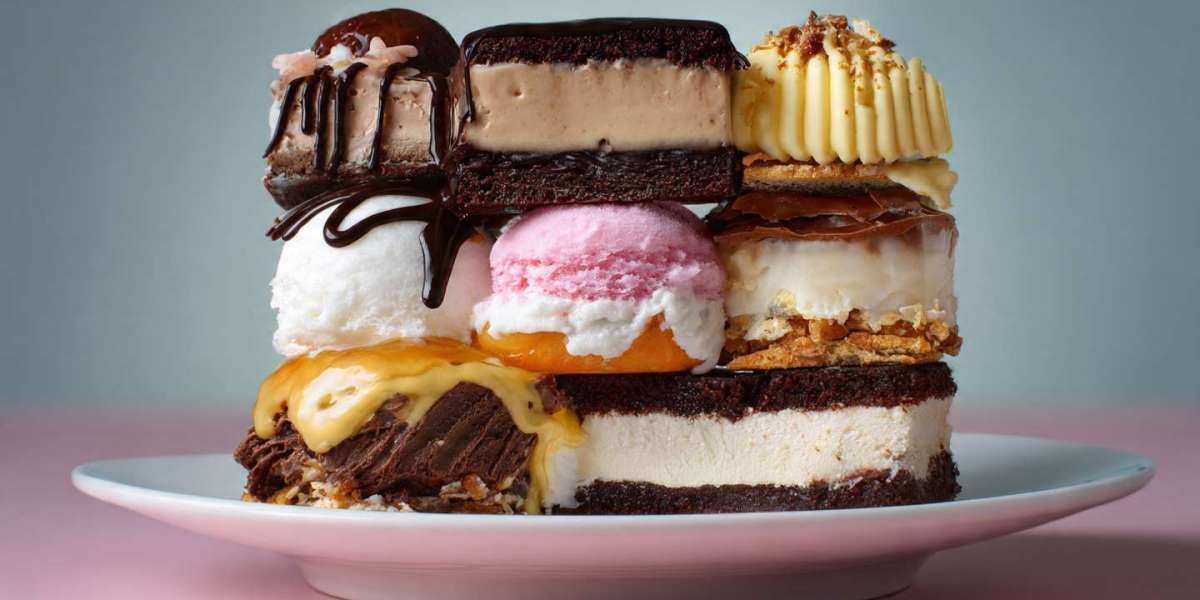
It’s a familiar scenario: you’ve just finished a hearty meal, your stomach feels comfortably full, yet somehow, there’s still room for dessert. Whether it’s a slice of cake, a scoop of ice cream, or a piece of chocolate, you find yourself reaching for something sweet despite feeling satisfied from the main course. But why does this happen? Is there really room for dessert, or is it all just a trick of the mind? Turns out, science has an answer.
advertisement
The Stomach: Stretching and Adapting
While we often think of our stomach as a fixed-size bag, it’s actually designed to stretch and adapt. When we begin eating, the stomach undergoes a process called gastric accommodation. This means that the smooth muscles in the stomach relax, creating extra space without causing major discomfort. In fact, your stomach can accommodate more food than you might expect, especially if that food is light and easy to digest.
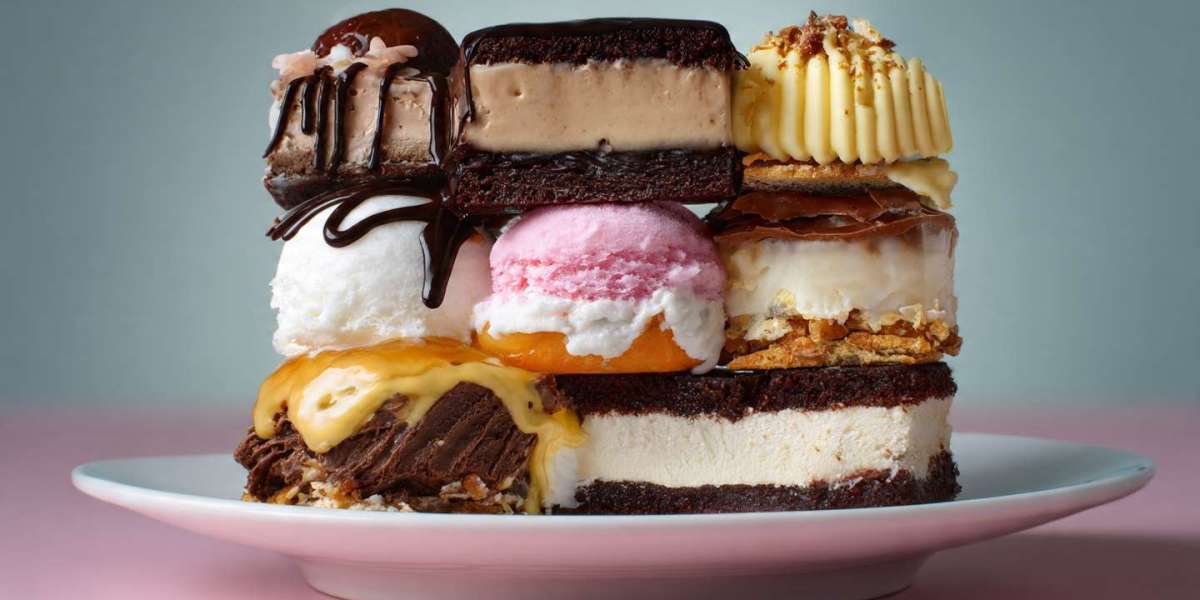
This is where dessert comes in. Unlike a heavy, protein-rich main course, sweet treats like ice cream or mousse require very little mechanical digestion. These lighter foods barely challenge the stomach’s workload, allowing it to relax even more and create space for that delicious slice of cake.
Hedonic Hunger: The Desire for Pleasure
But the physical capacity of your stomach isn’t the only factor at play. Another key component is the brain’s role in food choices. Hunger isn’t driven solely by physical needs—there’s also something called hedonic hunger. This refers to the craving for food driven by pleasure rather than necessity. And when it comes to sweets, our brain reacts in a powerful way.
Sweet foods activate the brain’s mesolimbic dopamine system, which is responsible for pleasure and reward. When we eat something sugary, our brain releases dopamine, a chemical associated with pleasure, motivation, and reward. This creates a strong desire to keep eating, even when our stomach has already been filled with other food.
So, after enjoying a satisfying meal, our body may no longer feel physically hungry, but the brain is still craving that sweet reward. This desire for a sweet treat becomes a separate, reward-driven motivation to continue eating.
advertisement
Sensory-Specific Satiety: The Role of Novelty
Another reason we crave dessert even when we’re full is the phenomenon of sensory-specific satiety. As we eat, our brain gradually becomes less responsive to the flavors and textures of the food we’re consuming. In other words, the longer we eat the same thing, the less satisfying it becomes.
Enter dessert. The unique flavors of sweet, creamy, or tart foods are a new sensory experience that refreshes the brain’s reward system. This variety re-engages our desire to eat, even when we feel full from the main course. A change in flavor—like switching from savory to sweet—can reactivate our appetite and make room for more.
Timing and Hormonal Signals
Interestingly, the signals that tell us we’re full don’t respond immediately. After a meal, hormones such as cholecystokinin, GLP-1, and peptide YY gradually rise to signal fullness. However, this process takes time—usually between 20 to 40 minutes. This delay means we often make decisions about dessert before the hormonal shift has fully kicked in.
Because of this, many people find themselves reaching for dessert during this window, where the brain's reward system has a stronger influence on behavior than the gut’s signals of fullness. Restaurants and social settings often capitalize on this timing, offering dessert just as we’re beginning to feel satisfied but before the full satiety hormones kick in.
advertisement
Social and Cultural Influences
Finally, it’s worth noting that social conditioning plays a role in our dessert cravings. From a young age, we’re taught to associate sweets with celebration, reward, and comfort. Holidays, birthdays, and special occasions are often marked by the presence of dessert, which creates an emotional connection to these foods.
Studies show that people tend to eat more in social settings, especially when food is offered freely or when they’re celebrating. This cultural and emotional conditioning can trigger anticipatory pleasure, making us more likely to indulge in dessert even when we’re already full.
Conclusion: The Sweet Science Behind Dessert Cravings
So, the next time you feel like there's always room for dessert, remember—it’s not just in your head. A combination of physiological, psychological, and social factors work together to create that irresistible desire for something sweet. From the way our stomachs stretch to the pleasure signals in our brains, dessert cravings are a natural, almost automatic response to the end of a meal.
While the urge to indulge may seem mysterious, it’s really a sophisticated process rooted in our biology and our cultural experiences. And hey, when it’s time for dessert, why not enjoy the sweet treat that rounds off a meal so nicely?
Sources:
Thank you and Merry Christmas!