
article image source: asm.org (Link)
Good Sleep Starts in the Gut: The Surprising Role of Your Microbiome
Sleep—something we all know we need but often struggle to get enough of. While many factors contribute to poor sleep, such as stress, diet, and screen time, there’s an often-overlooked connection between sleep and our gut health. In fact, the health of your gut microbiome—the trillions of microbes living in your digestive system—plays a crucial role in determining how well you sleep.
advertisement
The Gut-Brain Connection: How Your Gut Affects Sleep
We often think of sleep as being controlled by the brain, but research is showing that the gut plays an equally important role. The gut and brain are in constant communication through the gut-brain axis. This network involves nerves, hormones, and immune signals, all of which allow the gut to influence how the brain regulates mood, stress, and sleep. One of the most well-known players in this system is the vagus nerve, which serves as a two-way communication line between the gut and brain. While the exact role of the vagus nerve in sleep is still being studied, early research suggests that stronger vagal activity may support more restful sleep by calming the nervous system.

Gut Microbes: More Than Just Digestion
Your gut microbes don’t just help break down food—they also produce important chemicals that affect sleep. For example, the gut plays a key role in producing serotonin, a neurotransmitter that regulates mood and helps set your sleep-wake cycle. Surprisingly, the majority of serotonin in the body is produced in the gut, and a healthy microbiome helps maintain steady serotonin production. Furthermore, melatonin, the hormone that helps you feel sleepy at night, is produced in both the pineal gland in the brain and throughout the gut. A healthy gut microbiome can support the efficient conversion of serotonin into melatonin, promoting a smoother transition to sleep.
Another important sleep-related chemical is GABA (gamma-aminobutyric acid), a neurotransmitter produced by beneficial microbes. GABA helps calm the nervous system, signaling that it’s time to relax. These chemicals play a significant role in regulating the body’s internal clock, known as the circadian rhythm. Disruptions to this rhythm, caused by an unhealthy gut, can lead to insomnia, anxiety, and fragmented sleep.

Inflammation: The Hidden Sleep Disruptor
Chronic low-grade inflammation is another way an unhealthy gut can interfere with sleep. When the gut microbiome becomes imbalanced, a condition known as dysbiosis, it can cause gaps in the intestinal wall, allowing inflammatory molecules to enter the bloodstream. This inflammation can disrupt the brain’s ability to regulate sleep by affecting the regions responsible for sleep-wake transitions.
Moreover, inflammation raises the levels of cortisol, a stress hormone that keeps the body in a “fight or flight” state, rather than a relaxed, sleep-ready state. Conditions like irritable bowel syndrome (IBS) or leaky gut are often associated with increased inflammation and poor sleep. Stress, in turn, can also affect the gut microbiome, making it harder to break this vicious cycle.
Microbes and Sleep: A Two-Way Relationship
Research suggests that the relationship between the gut microbiome and sleep is bidirectional. Not only can an unhealthy gut lead to poor sleep, but poor sleep itself can disrupt the microbiome. Studies have shown that when the microbiome is altered, such as through antibiotic use, it can lead to fragmented, poor-quality sleep. Additionally, a more diverse microbiome—one with a greater variety of beneficial bacteria—is often associated with better sleep quality.
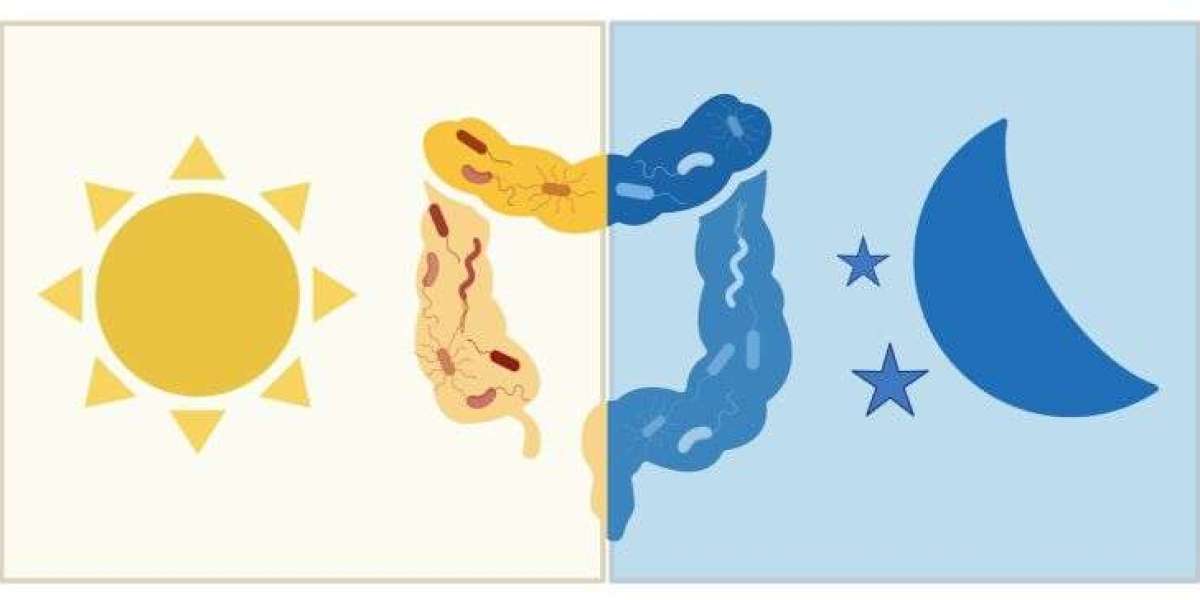
Interestingly, the composition of the microbiome naturally fluctuates throughout the day, which is tied to your circadian rhythm. Altering sleep patterns, such as experiencing jet lag or working night shifts, can throw off this delicate balance, creating even more challenges for your sleep.
advertisement
The Science of Sleep: Microbes in the Brain
One of the fascinating discoveries about the gut’s impact on sleep is the role of microbial peptides in the brain. In a recent study, researchers discovered that compounds produced by gut bacteria, such as muramyl peptides, can enter the bloodstream and cross the blood-brain barrier. Once in the brain, these peptides trigger sleep-inducing responses. This research highlights the intricate connection between the immune system, gut microbes, and sleep regulation. Even when brain regions responsible for sleep are disrupted, the presence of these peptides can still induce sleep, suggesting that microbes have a more direct role in sleep regulation than previously thought.
How to Support Your Gut for Better Sleep
The good news is that you can support your gut health with simple lifestyle changes that may improve sleep. Here are some tips:
Eat a Balanced Diet: Incorporate prebiotic and probiotic-rich foods, such as fermented foods like yogurt, kefir, and kimchi, to support a healthy microbiome.
Manage Stress: Stress negatively impacts both your gut and sleep. Practices like mindfulness, meditation, or gentle exercise can help lower stress levels.
Stay Hydrated: Drinking enough water is crucial for digestive health, nutrient absorption, and protecting the gut lining.
Reduce Sugar and Processed Foods: These can promote harmful bacteria that contribute to gut imbalance and inflammation, which can disrupt sleep.
Maintain Consistent Meal Times: Keeping a regular eating schedule supports the gut’s natural rhythm, which can improve sleep.
Consider Probiotics: Certain probiotic strains, such as Lactobacillus and Bifidobacterium, have been linked to improved sleep quality in some studies.
advertisement
Conclusion: A Gut Feeling for Better Sleep
The more we learn about the gut-brain connection, the clearer it becomes that good sleep starts in the gut. By nurturing your microbiome, you can support the natural processes that regulate sleep, mood, and overall well-being. While sleep is a complex process influenced by many factors, including stress and diet, paying attention to gut health can make a real difference. So, the next time you're struggling to get a good night’s sleep, consider looking after your gut—it could be the missing link to better rest.
Sources:
Thank you !