
How Pterosaurs Evolved Flight: A Rapid Leap into the Skies
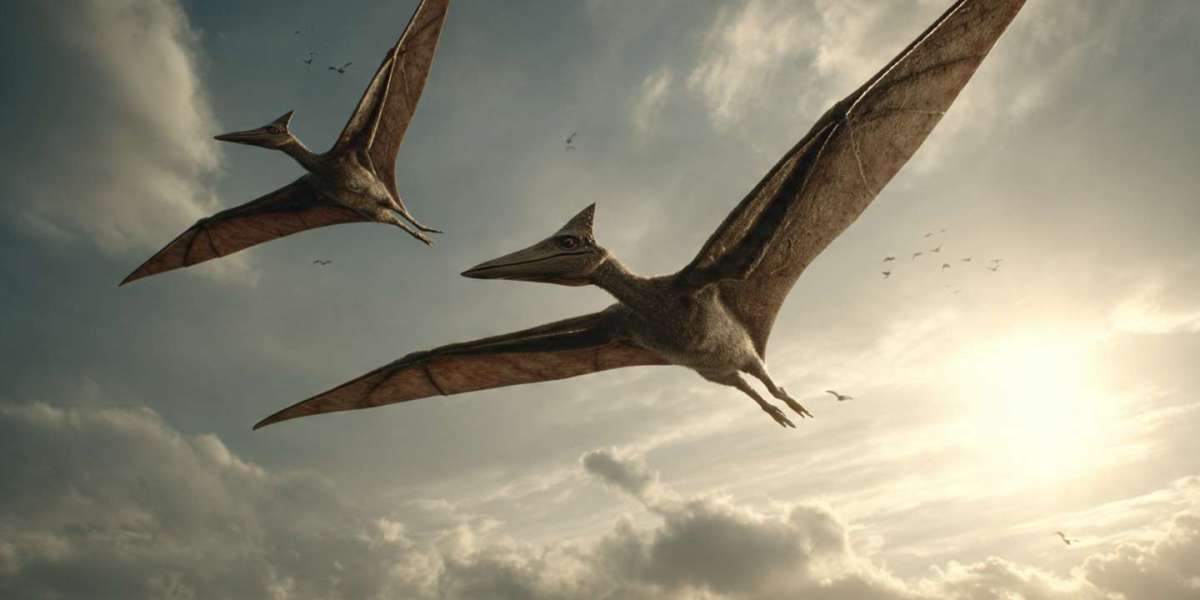
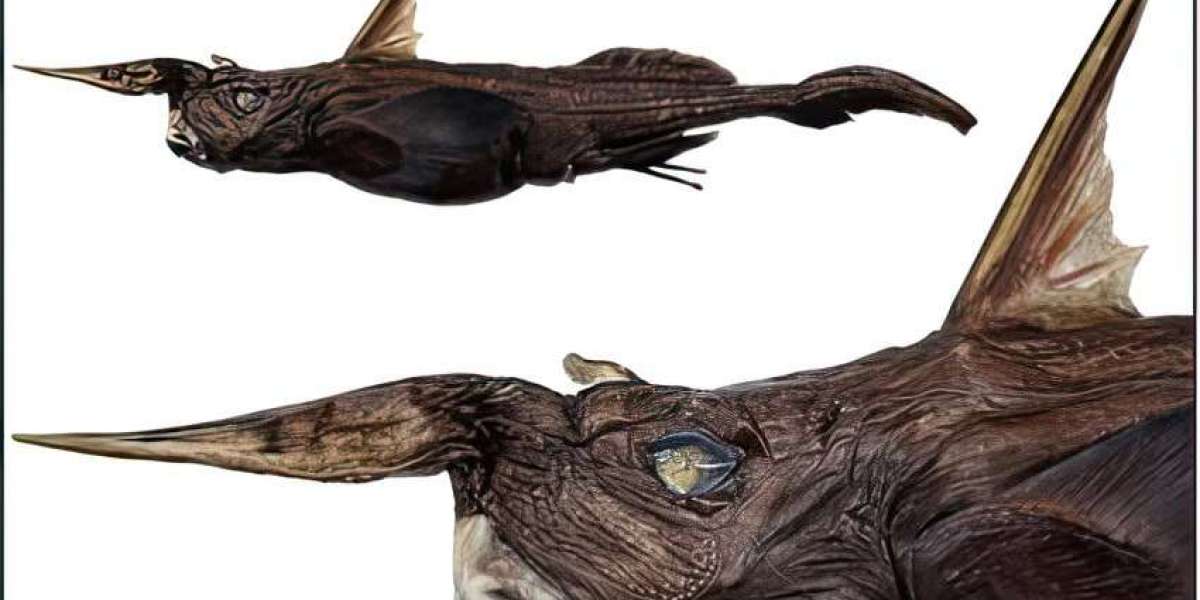
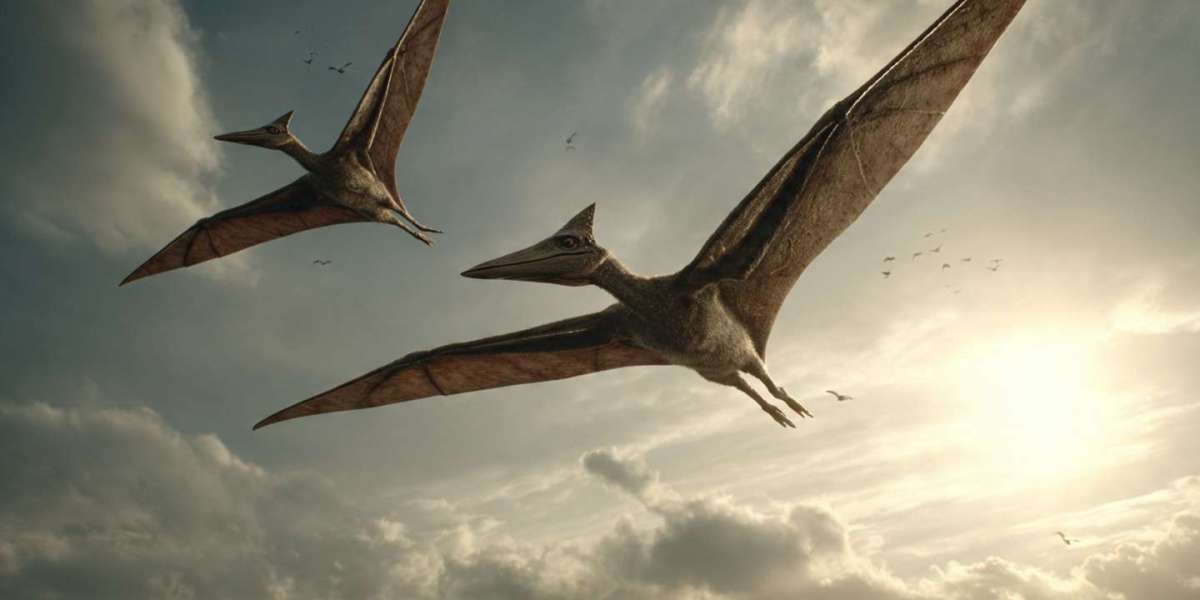
For millions of years, the skies were dominated by flying giants known as pterosaurs. These remarkable creatures, which lived alongside the dinosaurs, were the first vertebrates to achieve powered flight. A recent breakthrough in fossil research has uncovered new and surprising details about how pterosaurs evolved this extraordinary ability—much faster and more explosively than previously thought.
advertisement
Flight in a Flash: A Surprising Discovery
For a long time, scientists believed that pterosaurs developed flight over a gradual period, similar to the slow evolution seen in birds. However, new studies have turned this idea upside down. Using advanced imaging techniques like microCT scanning, researchers have reconstructed the brain cavities of pterosaurs and their closest relatives, revealing fascinating insights into the rapid evolution of flight.
Pterosaurs lived as far back as 220 million years ago, and while they were already capable of powered flight at the start of their evolution, their brains were surprisingly small—much smaller than those of modern birds. According to Dr. Matteo Fabbri, a leading researcher from Johns Hopkins University, these findings suggest that the brain enlargement seen in birds over time did not play a role in the pterosaur's ability to take to the skies.
"The pterosaurs did not need a larger brain to fly," says Dr. Fabbri. "Their flight capability emerged very quickly in their evolutionary history, with their brain structure being more like that of non-flying dinosaurs."
Key Features for Flight: The Role of the Optic Lobe
One of the most significant discoveries is the role of the optic lobe, the part of the brain associated with vision. Scientists found that pterosaurs, like their close relatives, had enlarged optic lobes—an important feature linked to flight. The lagerpetid, a small, tree-climbing creature from the Triassic period, is thought to be one of the closest relatives to pterosaurs. This animal's brain already displayed features that helped improve vision, a crucial sense for flying animals.
In pterosaurs, the optic lobe was similarly enlarged, suggesting that enhanced vision played a vital role in their ability to take flight almost immediately after their appearance. Unlike birds, which underwent a gradual evolution of flight and brain development, pterosaurs seem to have experienced a "burst" of evolutionary change at their origin, acquiring everything necessary for flight in a relatively short period.
advertisement
A Comparison with Birds: A More Gradual Path
In contrast, birds evolved flight over a much longer time. While early bird ancestors had smaller brains, they gradually developed larger cerebrums, cerebellums, and optic lobes to help them with flight. These expansions supported the complex coordination of muscles needed for controlled flight. This step-by-step evolution stands in stark contrast to the rapid development seen in pterosaurs.
Dr. Mario Bronzati, one of the study's co-authors, explains that while pterosaurs' brains were smaller and simpler compared to modern birds, they were perfectly suited for the immediate demands of flight. The team’s analysis of fossilized brain cavities also revealed that pterosaurs had moderately enlarged brain hemispheres, a feature shared with other dinosaur groups but distinct from the much larger brain cavities found in modern birds.
What the Future Holds: Unraveling the Secrets of Flight
This study opens up exciting new possibilities for understanding how flight evolved in different species. Future research will focus on investigating how the internal structure of the brain, rather than its size alone, contributed to the pterosaurs’ ability to take to the skies. Understanding these mechanisms could help uncover the biological principles that govern the evolution of flight, offering new insights into the complex relationship between brain structure and behavior.
The team of scientists who conducted this groundbreaking research included experts from Johns Hopkins University, the University of Tübingen, the Federal University of Santa Maria, and several other institutions. Their work has already reshaped how we think about pterosaur evolution and the origins of powered flight.
advertisement
Conclusion: A New Vision of Evolution
The discovery that pterosaurs evolved flight so rapidly challenges much of what we know about the evolutionary processes that lead to such extraordinary abilities. By looking at the brain structure of these ancient reptiles, scientists have shown that the path to flight was not always slow and gradual. In the case of pterosaurs, it was a “flash” of evolution, where everything they needed to soar through the skies appeared almost overnight. This insight into the rapid evolution of flight highlights how the natural world can take unexpected paths, driven by both necessity and opportunity. As we continue to explore the mysteries of evolution, one thing is clear: the skies were truly an open frontier for creatures as remarkable as the pterosaurs.
Sources:
Thank you !