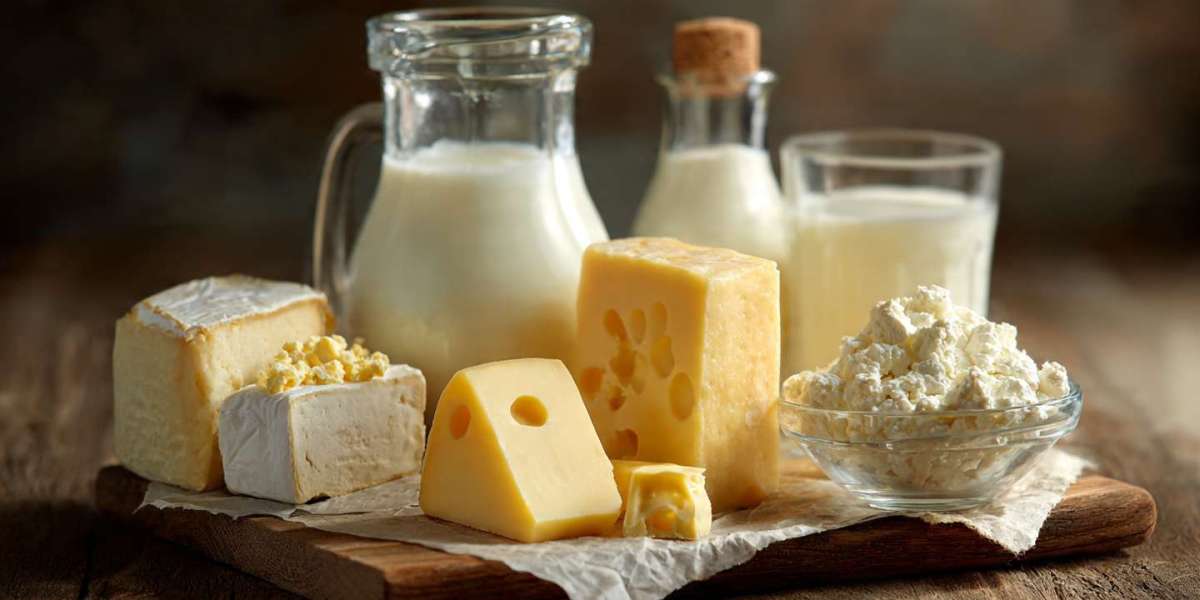

Eating Full-Fat Cheese and Cream: A Surprising Link to Lower Dementia Risk
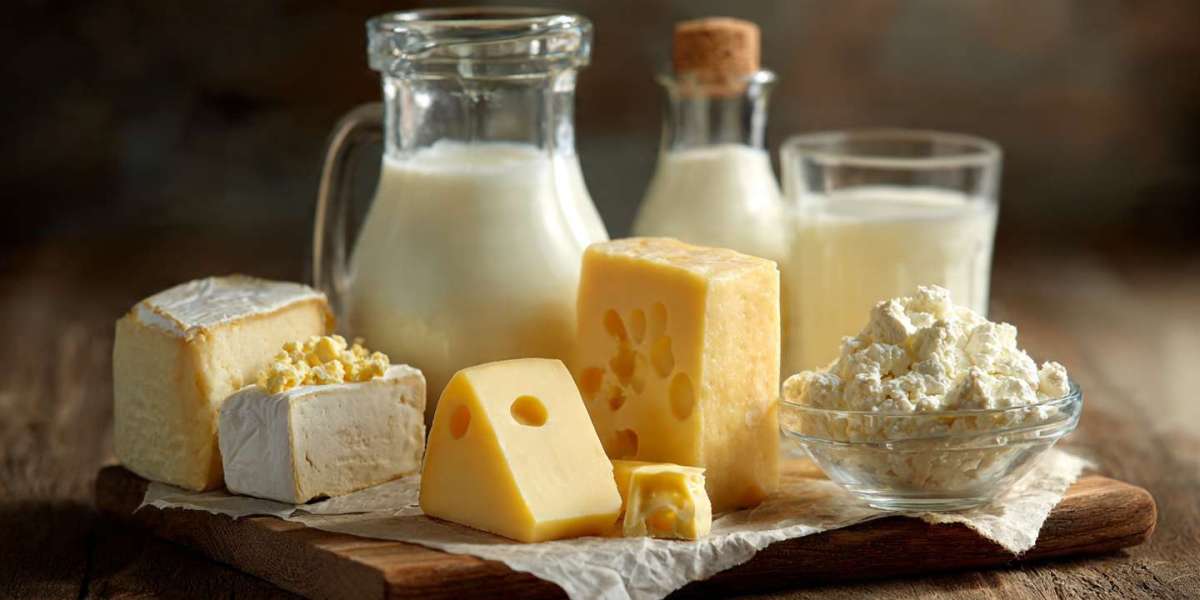
Recent studies have sparked a fascinating conversation about the role of full-fat dairy, specifically cheese and cream, in supporting brain health. Despite long-standing concerns about the effects of saturated fats on health, new research suggests that consuming full-fat cheese and cream may reduce the risk of developing dementia, including Alzheimer's and vascular dementia.
advertisement
The Swedish Study: A Long-Term Investigation
A Swedish study published in the journal Neurology tracked the health of 27,670 adults over a period of 25 years. The participants, who were on average 58 years old at the start of the study, provided detailed information about their dietary habits, including their consumption of dairy products. After following them for decades, the researchers found that those who ate higher amounts of high-fat cheese had a 13% lower risk of dementia. People who consumed at least two slices of cheese a day, such as cheddar, Brie, or Gouda, were particularly protected against vascular dementia, showing a 29% lower risk compared to those who consumed less.
Interestingly, the study also revealed that daily consumption of full-fat cream was associated with a 16% lower risk of dementia. The high-fat content in both cheese (over 20% fat) and cream (30-40% fat) seems to play a role in this protective effect.
The Benefits of Full-Fat Dairy: What's Behind the Findings?
These findings challenge traditional advice to limit dietary fats, particularly saturated fats found in dairy products. The results suggest that not all fats are harmful, and certain high-fat dairy items could actually help preserve brain health. High-fat dairy products like cheese may contain beneficial nutrients that contribute to cognitive function, although the exact mechanisms are not fully understood.
However, the study also made it clear that not all dairy shows the same benefits. While full-fat cheese and cream were linked to a reduced risk of dementia, other dairy products like low-fat cheese, butter, and fermented milk (including yogurt and kefir) did not show similar results.
Dr. Emily Sonestedt, the lead researcher from Lund University, emphasized that these findings should not be interpreted as a guarantee that eating full-fat cheese prevents dementia. The study only shows an association, not causality. As she points out, a healthy lifestyle, including regular physical activity, a balanced diet, and avoiding smoking, remains key to protecting the brain.
advertisement
Experts Weigh In: Mixed Opinions on the Results
While the Swedish study is promising, some experts remain cautious. Dr. Walter Willett, a leading nutritionist at Harvard University, pointed out that the link between full-fat cheese and dementia risk was "on the margin of statistical significance," meaning the results could be due to chance. Other scientists, like Dr. Tian-Shin Yeh, have also noted that the study's limited data and the absence of follow-up over the years weakens its conclusions.
Dr. Yeh also suggested that the benefits of full-fat cheese might not be about the fat itself, but rather about substituting less healthy foods—like processed or high-fat red meats—with a more nutritious option like cheese. This could explain why people who eat more cheese are less likely to develop dementia.
Omega-3 Fatty Acids and Regional Differences
Another important consideration is that dairy cows in Sweden are often grass-fed, which means that their milk and cheese are richer in omega-3 fatty acids, which are known to benefit brain health. In countries like the United States, where dairy cows are typically grain-fed, the fat composition of dairy products differs. This could affect how these findings translate to other regions.
Neurologist Dr. Richard Isaacson, who studies Alzheimer's disease, also highlighted the role of the APOE4 gene in dementia risk. People with this gene variant may benefit from omega-3 fatty acids, but the Swedish study found a protective effect mainly in those without the APOE4 gene. This discrepancy adds complexity to the interpretation of the results.
advertisement
The Bigger Picture: More Research Is Needed
As experts agree, while these findings are intriguing, they are far from conclusive. The Swedish study is observational, meaning it cannot prove that high-fat cheese or cream directly prevents dementia. More research is needed to confirm whether these dairy products offer real protection for the brain.
However, the study does suggest that we might need to rethink our understanding of fats in the diet, particularly when it comes to brain health. While we should always prioritize a well-rounded, nutritious diet, this research adds to the growing body of evidence showing that some fats, especially those found in full-fat dairy, might not be as harmful as once thought.
Conclusion: A New Perspective on Full-Fat Dairy and Brain Health
The emerging link between full-fat cheese and a reduced risk of dementia offers a fresh perspective on how our diets affect brain health. While it's important not to jump to conclusions based on one study, the idea that full-fat cheese and cream might help lower dementia risk is certainly intriguing. As we continue to learn more about the relationship between fats, nutrition, and brain function, it's clear that maintaining a healthy lifestyle, including a balanced diet, exercise, and mental stimulation, is still the best approach to keeping our brains sharp as we age.
If you're a fan of cheese, this research might give you a reason to feel good about adding a few more slices to your plate—though, of course, moderation remains key.
Sources:
Thank you !