
article image info & copyrights:
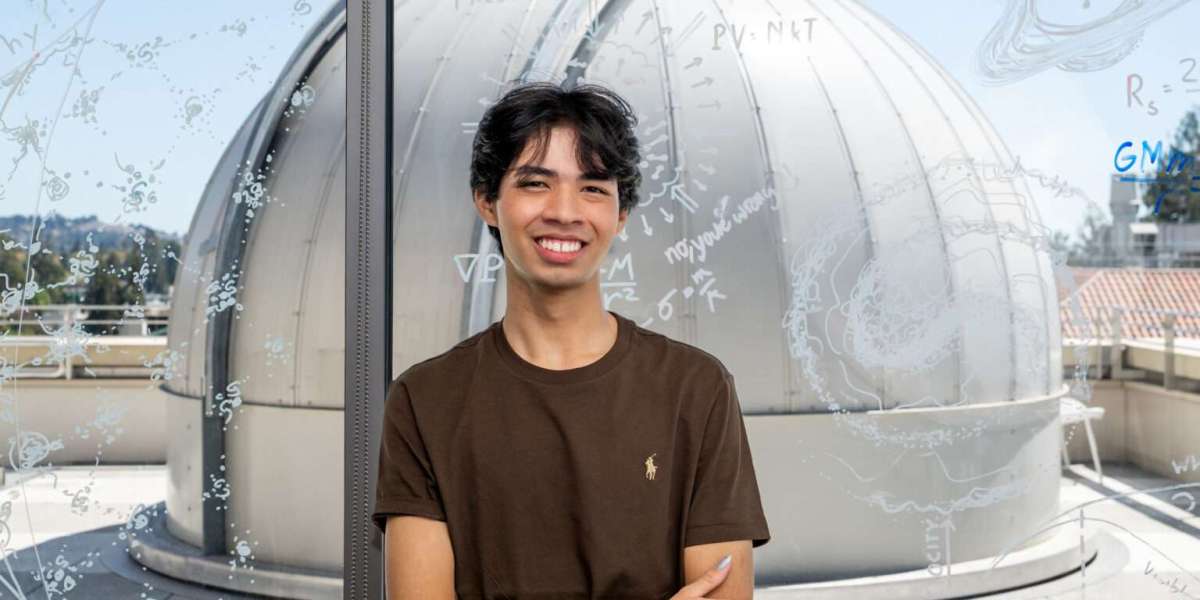
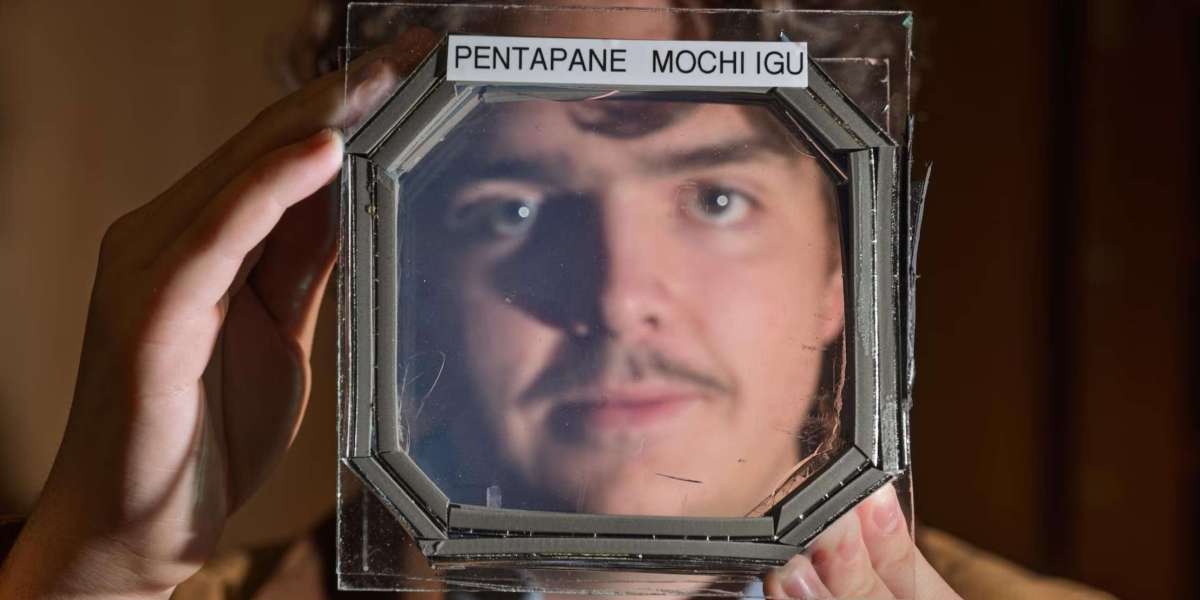
Abram Fluckiger, a CU Boulder undergrad, holds a block with five MOCHI layers sandwiched between two glass panes. (CREDIT: Glenn Asakawa/CU Boulder)
article image source: thebrighterside.news (Link)
Revolutionary Window Material: MOCHI — The Future of Energy-Efficient Building Design
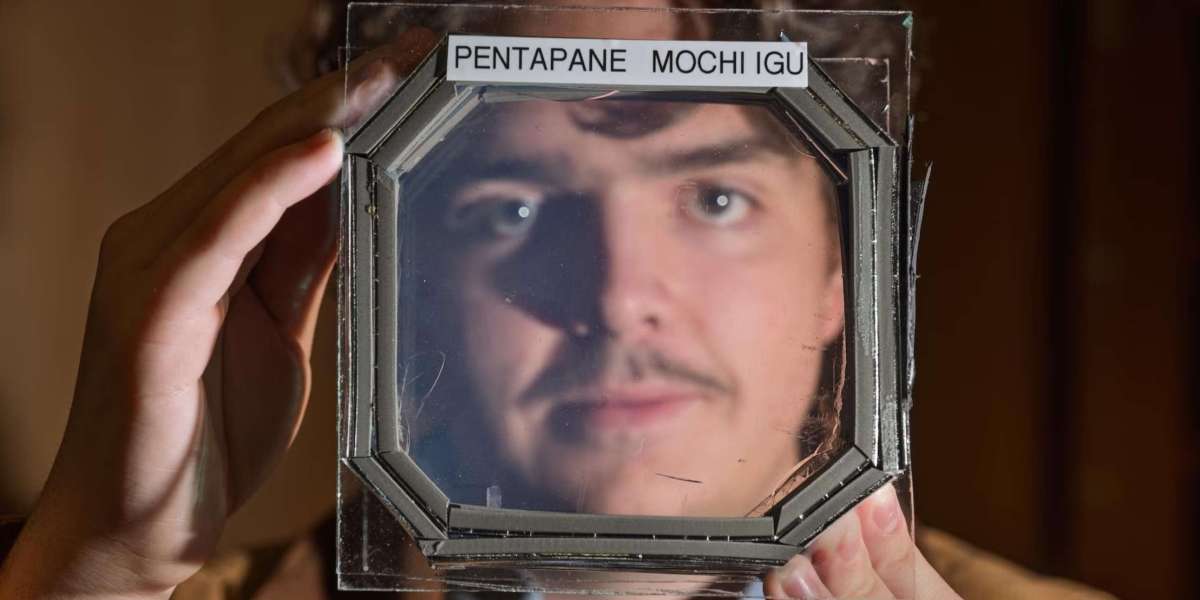
image source: thebrighterside.news
As energy costs continue to rise and sustainability becomes an increasingly urgent global concern, innovative solutions to reduce energy consumption in buildings are more important than ever. A promising breakthrough from the University of Colorado Boulder is shaping the future of energy-efficient architecture. This new material, known as Mesoporous Optically Clear Heat Insulator, or MOCHI, offers a potential game-changer for the construction industry by improving insulation in windows without compromising visibility or natural light.
advertisement
What is MOCHI?
MOCHI is a cutting-edge, transparent material designed to insulate windows as effectively as walls, significantly reducing heat loss. Developed by a team of researchers at CU Boulder, MOCHI is composed of over 90% air, trapped within tiny, highly structured pores. These pores are thinner than a human hair and form a network that functions as an incredibly efficient thermal barrier. Despite its high insulation properties, MOCHI remains almost completely transparent, allowing over 99% of visible light to pass through — much more than regular window glass, which typically transmits around 92%.

Eldho Abraham, left, and Taewoo Lee, right, hold up a thin sheet of MOCHI affixed to clear plastic.(CREDIT: Glenn J. Asakawa/CU Boulder)
image source: thebrighterside.news
How Does MOCHI Work?
The magic behind MOCHI lies in its structure. The material is often described as a "high-tech version of bubble wrap," with its network of tiny air-filled channels. Unlike traditional insulating materials, which scatter light and lose clarity as they thicken, MOCHI remains clear even in sheets several millimeters thick. This transparency is essential for its use in windows, which need to maintain both light transmission and energy efficiency.
The material's ability to block heat comes from its unique method of heat transfer. In most insulating materials, heat is transferred through direct contact between particles. However, in MOCHI’s tiny air pockets, heat transfer is significantly slowed because gas molecules don't have enough space to collide with one another. Instead, they bounce off the walls of the pores, effectively preventing the flow of heat. This innovative mechanism means that MOCHI can block thermal radiation while allowing visible light to pass through, creating a perfect balance for energy-efficient windows.

Shakshi Bhardwaj holds up blocks of MOCHI in different sizes. (CREDIT: Glenn Asakawa/CU Boulder)
image source: thebrighterside.news
Applications Beyond Windows
While the primary application of MOCHI is for windows, its potential extends far beyond that. Engineers envision using MOCHI in a variety of building materials and devices, such as solar thermal systems, where the material could help trap solar heat for use in heating water or building interiors. Thanks to its transparent nature, it could also be applied in greenhouses to regulate temperature without blocking sunlight.
The material could also play a significant role in reducing energy waste in other sectors. In buildings, where windows often account for nearly half of the heat lost, MOCHI’s insulation could drastically reduce heating and cooling demands, leading to lower energy bills and a smaller carbon footprint. Even when the outside temperatures are extreme, MOCHI could help maintain a comfortable indoor climate without the need for excessive energy consumption.
advertisement
The Manufacturing Process
MOCHI’s creation begins with a simple yet sophisticated process. The researchers mix surfactant molecules in a liquid solution, which naturally clump together to form thin filaments. Silicone molecules are then added to coat these filaments, and the resulting structure is gradually transformed into a dense network of microscopic, air-filled channels. This meticulous process allows MOCHI to maintain both high transparency and excellent insulating properties.
While MOCHI’s production is still relatively time-intensive and not yet available to the general public, the team at CU Boulder is optimistic about its future. With further refinement, the manufacturing process could become more efficient, and MOCHI could be mass-produced using inexpensive materials.
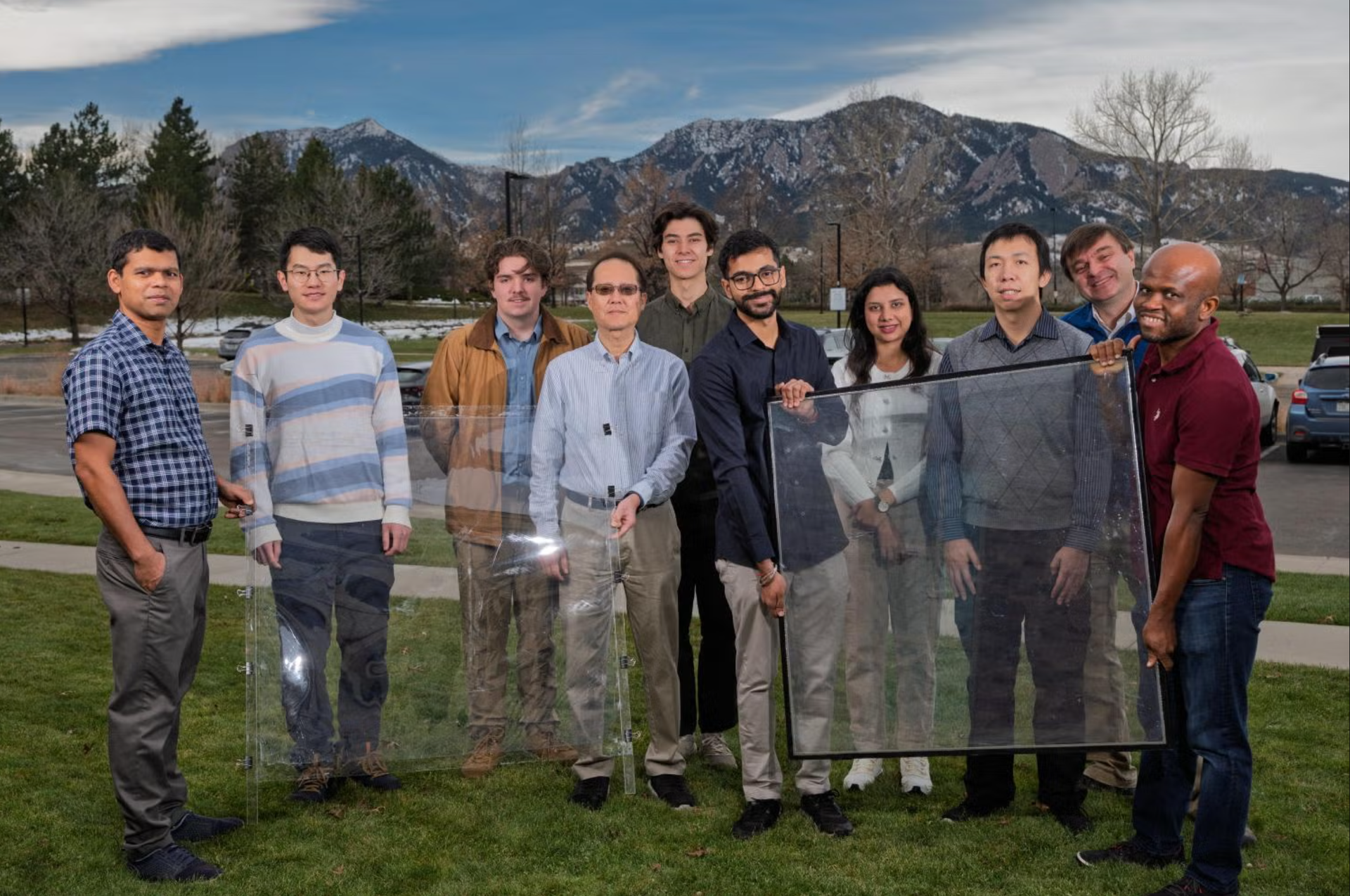
From left to right, Eldho Abraham, Gewei (Gary) Chen, Abram Fluckiger, Taewoo Lee, Keita Richardson, Shiva Singh, Shakshi Bhardwaj, Hanqing Zhao, Ivan Smalyukh, and Alex Adaka. (CREDIT: Glenn Asakawa/CU Boulder)
image source: thebrighterside.news
The Future of MOCHI: Energy-Efficient Windows and More
The potential applications of MOCHI are vast, with possible uses ranging from energy-efficient windows to energy-generating systems. The material could eventually be integrated into buildings worldwide, helping to reduce the overall energy consumption of the construction industry, which accounts for roughly 40% of total energy use globally. Furthermore, MOCHI’s durability and resistance to environmental factors like dust, rain, and chemicals suggest that it could last for decades, making it a long-term solution for sustainable building design.
Perhaps most exciting is the possibility of MOCHI helping buildings not only reduce energy consumption but also generate energy. When paired with dark absorbers, MOCHI can trap sunlight and convert it into usable heat, even on cloudy days. This dual function — insulation and energy generation — could revolutionize how buildings interact with the environment, offering a sustainable and cost-effective solution for both heating and cooling needs.
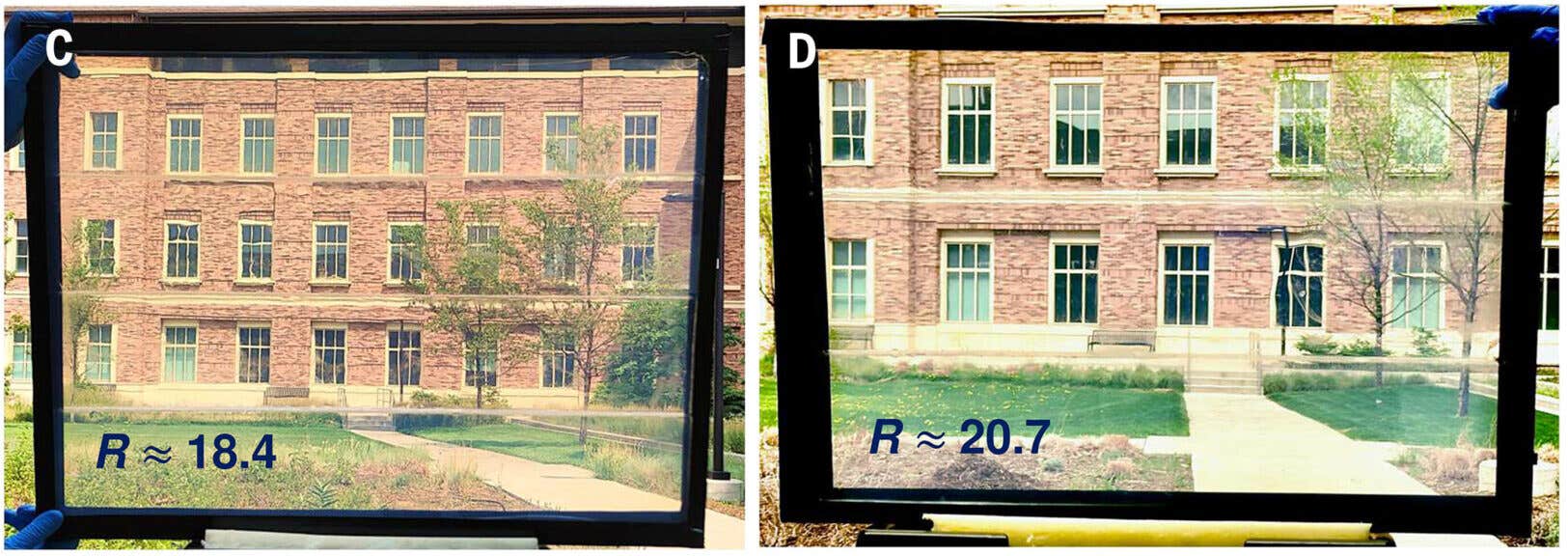
Optical photographs illustrating high transparency and color rendering of MOCHI-IGUs. (C) 52.5 by 65 cm of 35 mm thickness with R ≈ 3.24 m2 K W−1 and (D) 35 by 50 cm of 37.5 mm thickness with R ≈ 3.65 m2 K W−1 (24), as measured for external and internal temperatures of –4° and 16°C, respectively. (CREDIT: Science)
image source: thebrighterside.news
Conclusion: A Glimpse Into a Sustainable Future
MOCHI represents a bold step forward in the quest for more energy-efficient buildings and sustainable architecture. By providing an effective means of insulating windows without sacrificing natural light, this transparent material has the potential to transform the way we design and live in our homes and workplaces. As global efforts to reduce carbon emissions intensify, innovations like MOCHI will play a crucial role in creating a more energy-efficient and sustainable future for everyone.
Whether it’s reducing heating costs in winter or preventing excessive heat buildup in the summer, MOCHI could be the answer to some of the most pressing energy challenges of our time. As research and development continue, this remarkable material may soon become a cornerstone of modern, energy-efficient building design.
Sources:
Thank you !