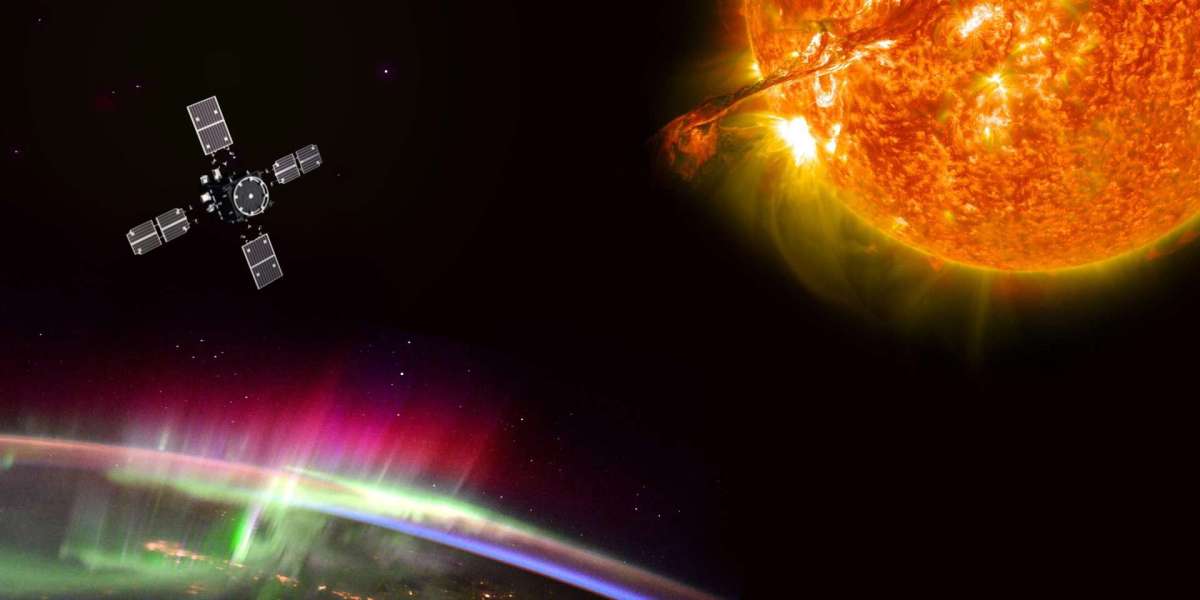

article image source: scitechdaily.com (Link)
Solar Superstorm Gannon: The Day Earth’s Plasmasphere Collapsed to Record Lows
Solar Superstorm Gannon -The Day Earth’s Plasmasphere Collapsed to Record Lows
A clear and engaging deep dive into the 2024 solar superstorm “Gannon,” explaining how it crushed Earth’s plasmasphere to unprecedented levels, slowed atmospheric recovery, pushed auroras to the tropics, and revealed new insights that could shape the future of space-weather forecasting.
advertisement
Introduction
In May 2024, Earth faced one of the most powerful solar storms seen in more than two decades. Known as Solar Superstorm Gannon — or the Mother’s Day Storm — this rare event dramatically compressed Earth’s protective plasma bubble and disrupted technologies that rely on stable space weather.
Thanks to a stroke of scientific luck, one satellite was in exactly the right place at exactly the right time, allowing researchers to witness the collapse and slow rebirth of the plasmasphere in unprecedented detail.
What Made Superstorm Gannon So Extreme?
Geomagnetic superstorms occur when the Sun unleashes enormous bursts of energy and charged particles toward Earth. These events are uncommon, typically emerging only once every 20–25 years.
On May 10–11, 2024, multiple solar eruptions sent massive waves of particles crashing into Earth’s magnetic field. Gannon became the strongest event of its kind in more than 20 years — powerful enough to disrupt satellites, affect radio communications, and trigger auroras thousands of kilometers farther south than usual.
Both sources you provided agree that the storm’s intensity was fueled by several major solar eruptions that arrived in rapid succession, amplifying their combined impact.
Arase: The Satellite That Captured History
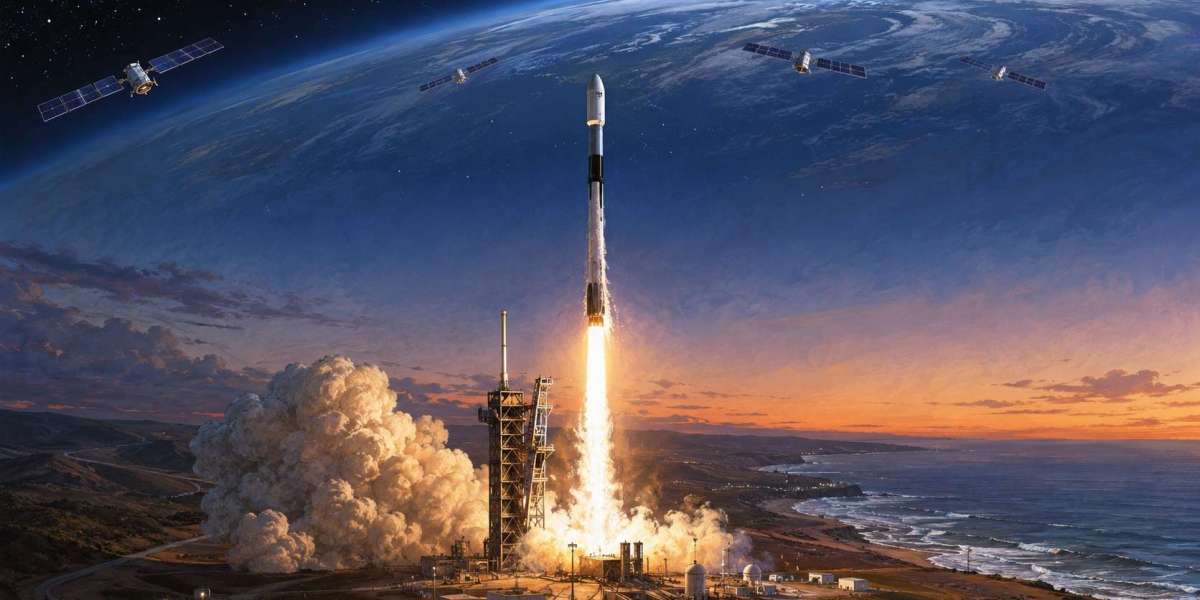
Launched by JAXA in 2016, the Arase satellite routinely travels through the plasmasphere, measuring plasma waves and magnetic fields. During the Gannon storm, it happened to be perfectly positioned to witness the collapse of Earth’s plasma shield from start to finish.
Scientists describe this as the first time they obtained continuous, direct measurements of the plasmasphere shrinking to such a low altitude during a superstorm — a coincidence of timing that opened a new window into space-weather physics.
The Plasmasphere Shrinks to One-Fifth Its Size
Under normal conditions, the plasmasphere extends roughly 44,000 km above Earth’s surface. During the height of Gannon, that boundary was crushed inward to only about 9,600 km — a record low.
Both texts highlight similar numbers, and both attribute the compression to the immense energy delivered by solar eruptions.
Within just nine hours, the plasma bubble surrounding Earth had shrunk to about one-fifth of its usual size. This collapse temporarily reduced Earth’s natural protection against harmful charged particles and contributed to GPS inaccuracies, satellite issues, and radio interference.
Auroras Drift Toward the Equator
One of the most visible signs of Gannon’s power came from the sky.
As Earth’s magnetic field was squeezed, charged particles were funneled deeper along magnetic lines than usual. This caused auroras — typically confined to polar regions — to appear in places that rarely experience them.
Reports from both sources confirm sightings in:
Japan
Mexico
Southern Europe
These regions sit far outside the typical auroral zones, highlighting just how forceful the storm became.
The Invisible Culprit: Negative Storms
Although the plasmasphere usually recovers within one or two days, Gannon’s effects lingered far longer. Scientists observed that it took more than four days to refill — the slowest recovery recorded since Arase began monitoring in 2017.
The reason? A phenomenon known as a negative storm.
During a negative storm:
intense heating alters atmospheric chemistry
ionospheric particle levels drop sharply
oxygen ions — essential for creating hydrogen particles — diminish
the plasmasphere loses its main supply of replenishing particles
Both texts emphasize the unusual severity of this negative storm and note that this was the first time its impact on plasmasphere recovery had been so clearly documented.
Why These Observations Matter
Gannon’s unprecedented data offers scientists a rare chance to understand how extreme solar storms damage or disrupt technology we rely on every day, including:
satellites
GPS systems
aviation navigation
radio communications
By studying how and why the plasmasphere collapses — and what slows its recovery — researchers hope to improve forecasts and better prepare for future superstorms.
One text notes that several satellites experienced electrical problems during Gannon; another mentions temporary signal losses. While details differ slightly, both indicate that the storm directly impacted orbiting technology.
Conclusion
The Gannon superstorm wasn’t just a dramatic celestial event — it was a turning point in our understanding of Earth’s plasma environment.
It revealed how fragile our protective layers can be, how interconnected solar and atmospheric processes truly are, and how vital it is to anticipate the impacts of extreme space weather.
As our dependence on satellites and global communication systems continues to grow, so does the importance of understanding storms like Gannon.
This event showed us that while our planet is shielded by invisible forces, those shields are not unbreakable.
And when they falter, science — and a bit of fortunate timing — can illuminate the path to greater resilience.
Sources
ScienceDaily: https://www.sciencedaily.com/releases/2025/11/251122234723.htm
EurekAlert: https://www.eurekalert.org/news-releases/1106633
Thank you !