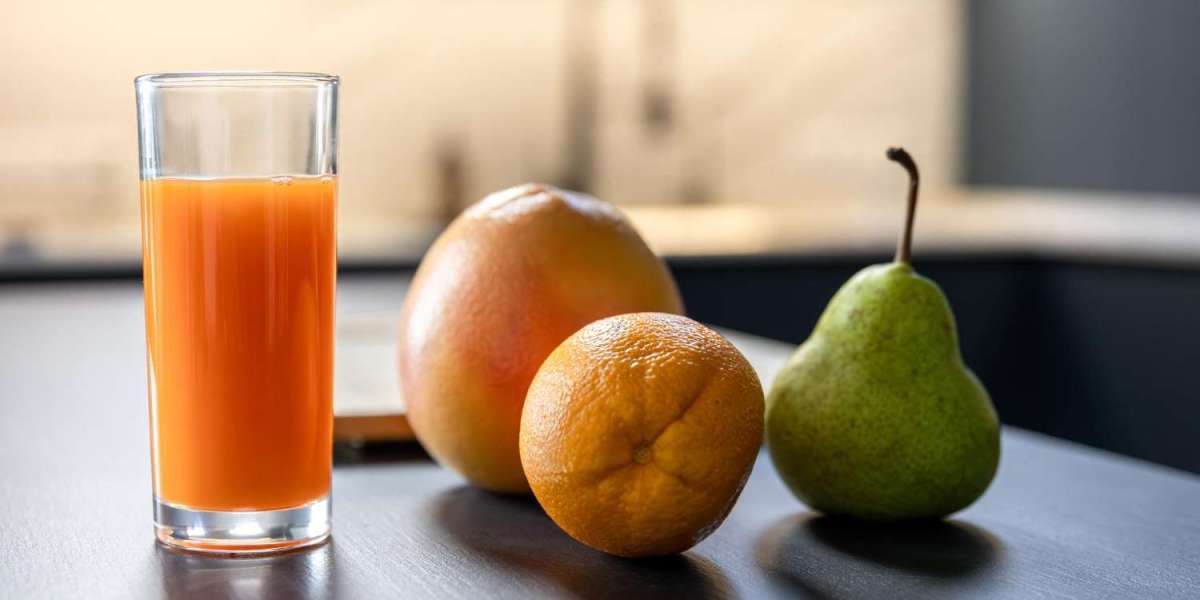

article image source: freepik.com (Link)
Eating Fruit Instead of Drinking Fruit Juice: Why It Matters More Than You Think
“Choose whole fruit, not fruit juice — your body will thank you ” ?✨
Choosing whole fruit over fruit juice may seem like a small dietary decision, but research shows it can have a meaningful impact on long-term health. While fruit juice—especially 100% fruit juice—may appear natural and nutritious, it behaves very differently in the body compared with whole, fresh fruit.
advertisement
How Fruit Juice Affects the Body
Fruit juice, even when labeled 100% juice, contains a concentrated amount of natural sugar with almost no fiber. According to Stanford Children’s Health, a typical six-ounce serving of fruit juice may contain 15–30 grams of sugar and 60–120 calories. Without fiber to slow digestion, this sugar is absorbed quickly, leading to rapid spikes in blood sugar and increased appetite. Over time, these effects can contribute to weight gain and metabolic strain.
Research involving nearly 50,000 postmenopausal women found that daily fruit juice consumption was linked to weight gain comparable to drinking sugary sodas. Similarly, a Harvard study found that drinking one serving of fruit juice every day was associated with up to a 21% increased risk of developing diabetes. The loss of beneficial phytochemicals and fiber during the juicing process may be part of the reason, as explained by Dr. Qi Sun of the Harvard School of Public Health.
The Whole Fruit Advantage
Whole fruit offers a dramatically different physiological experience. Its natural fiber slows the absorption of sugars, helps control appetite, and supports healthier blood sugar regulation. Fiber-rich fruits also contribute to heart health by helping reduce cholesterol levels.
Research supports these benefits: increasing whole fruit intake by one serving per day was associated with about a pound of weight loss over three years, while eating at least two servings of certain fruits—such as blueberries, grapes, and apples—was linked to a 23% lower risk of developing diabetes. These findings highlight how even small, consistent changes in fruit habits can influence long-term health.
Different Perspectives, Same Message
Both sources agree on the superiority of whole fruit over fruit juice, although they highlight different outcomes:
Harvard’s research focuses primarily on diabetes risk, emphasizing how the rapid absorption of juice impacts insulin and blood sugar regulation.
Stanford Children’s Health highlights weight gain and appetite changes, describing how the low fiber and high sugar content of juice mimic the effects of other sugary drinks.
Together, these perspectives form a more complete picture: fruit juice may not be harmful in moderation, but replacing it with whole fruit offers far greater health protection.
How to Add More Whole Fruit to Your Diet
Incorporating fruit doesn’t have to be complicated. Try:
Adding berries or sliced fruit to cereals, oatmeal, or pancake batter
Mixing fresh fruit into salads
Pairing apples or bananas with peanut butter
Snacking on small portions of dried fruit like apricots or raisins
These simple habits make it easier to enjoy fruit in ways that support overall health.
Conclusion
Choosing whole fruit over fruit juice is a simple shift with powerful benefits. Whole fruits nourish the body with fiber, slow-release sugars, vitamins, and protective compounds that juice processing simply cannot preserve. Whether your goal is better blood sugar control, weight management, or general wellness, making whole fruit a daily habit is an investment in long-term health.
Let each bite be a reminder that small decisions—like choosing an orange instead of a glass of orange juice—can create meaningful change over time. Your future health will thank you.
Sources
Harvard Health Publishing – Eating fruit is better for you than drinking fruit juice:
https://www.health.harvard.edu/staying-healthy/news-briefs-eating-fruit-is-better-for-you-than-drinking-fruit-juiceStanford Children’s Health – Fruit vs. Fruit Juice: What’s the Difference?
https://www.stanfordchildrens.org/en/topic/default?id=fruit-vs-fruit-juice-whats-the-difference-197-30060
Thank you !