
What Happens If a Tiny Black Hole Passes Through a Human Body?
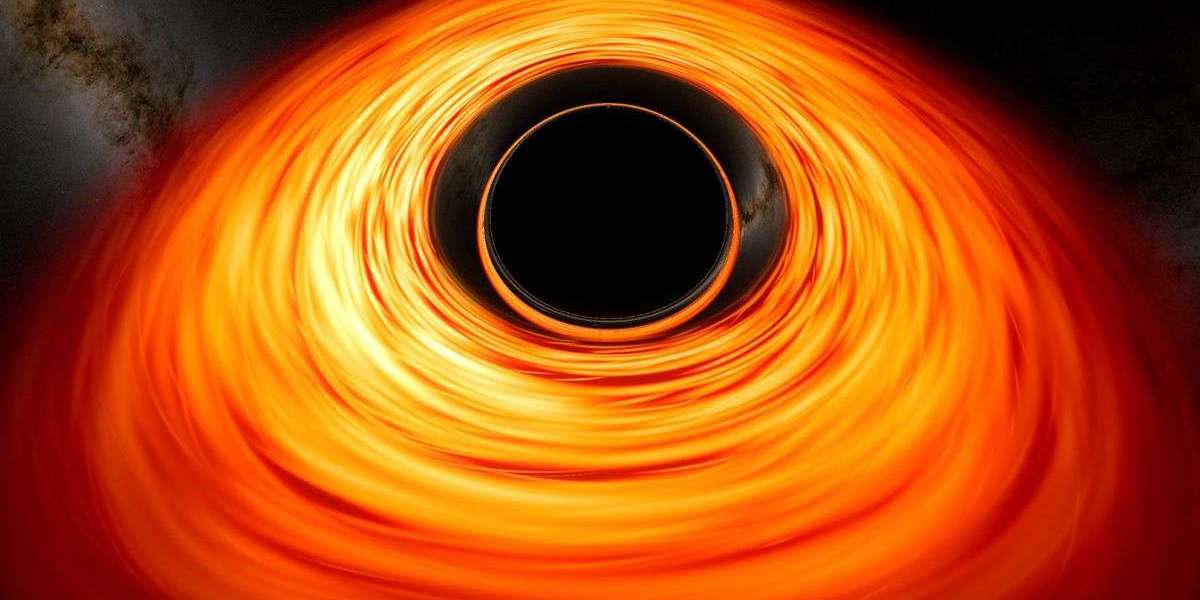
image source: sciencealert.com
Introduction
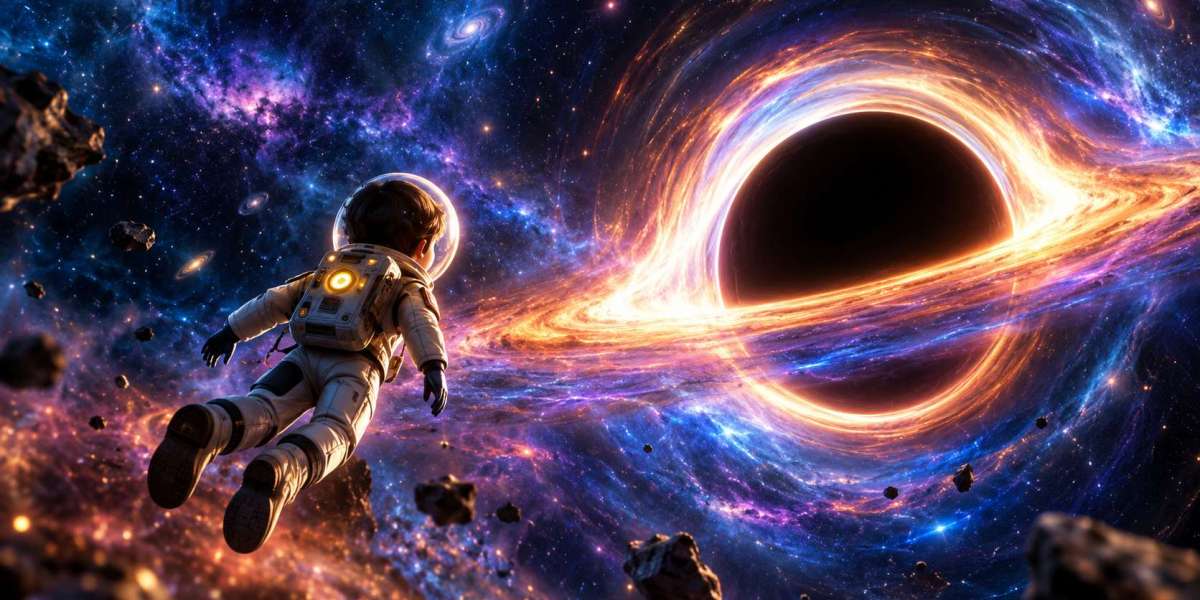
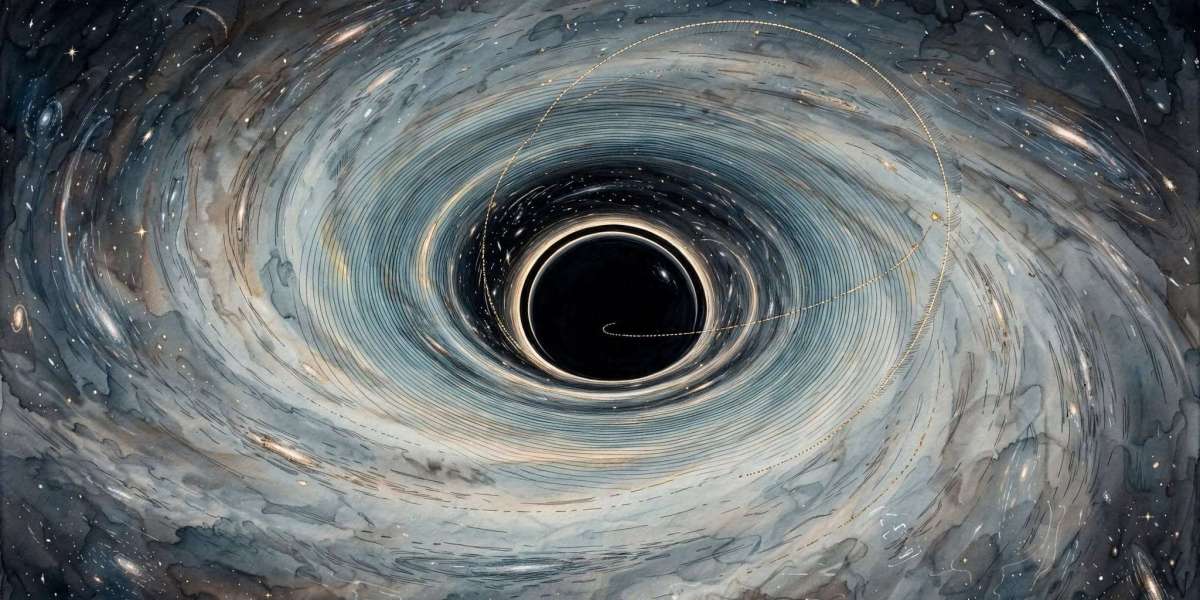
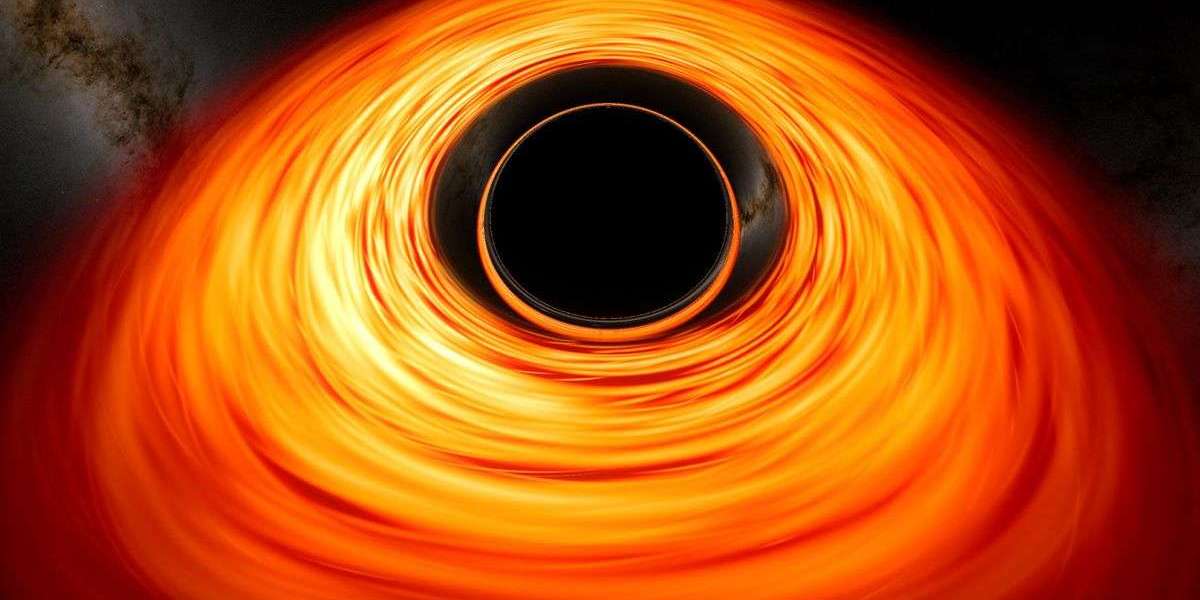
Black holes often appear in science fiction as cosmic monsters capable of swallowing stars, planets, and anything unfortunate enough to cross their path. But what if the black hole in question were microscopic—so small you could never see it, yet so dense it carries the mass of mountains? Could such an exotic object ever pass through a human body, and if so, what would really happen?
Recent work by physicist Robert Scherrer from Vanderbilt University explores this unusual scenario. His study takes the idea out of science fiction and into mathematical physics, revealing surprising—and sometimes counterintuitive—details about just how dangerous (or harmless) a tiny black hole might be.
advertisement
Understanding Tiny Primordial Black Holes
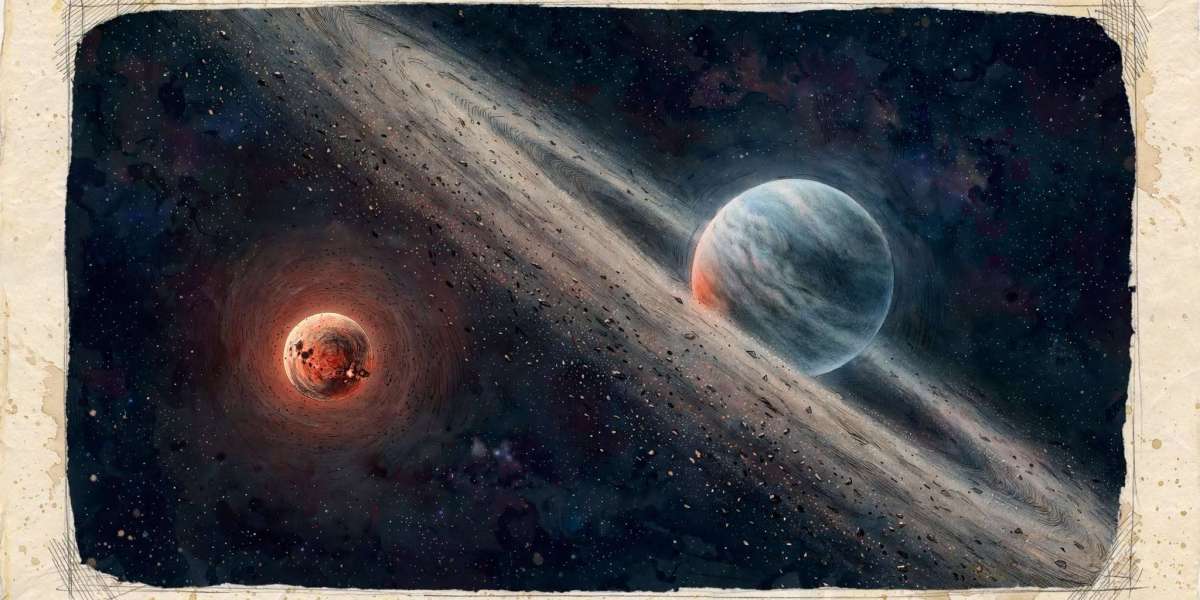
Primordial black holes are hypothetical objects thought to have formed shortly after the Big Bang. Unlike the black holes created by collapsed stars, these would result from brief but extreme density fluctuations in the early Universe.
Scientists do not consider primordial black holes a leading explanation for dark matter, mostly because the right conditions to form such objects would have been extremely rare. Still, they remain possible, and if they do exist, they could range widely in mass—from minuscule to asteroid-sized.
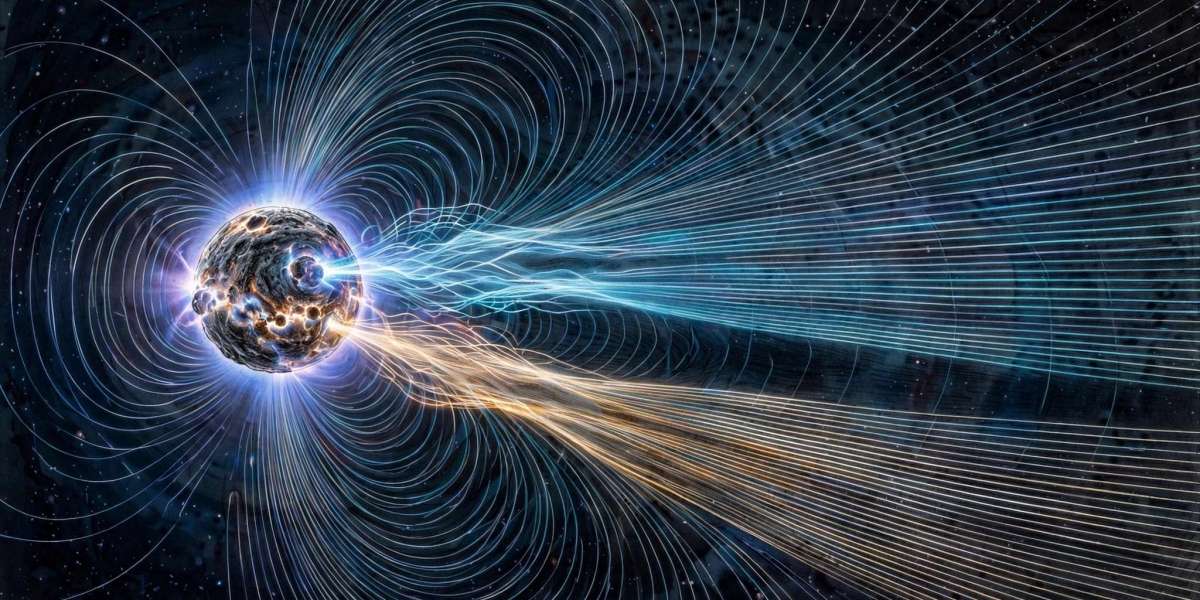
Even though primordial black holes would be astonishingly dense, their physical size could be unbelievably small. For example, a black hole with the mass of 140 billion metric tons would have a diameter of only about 0.4 picometers—far smaller than a single hydrogen atom.
Would a Tiny Black Hole Rip You Apart?
This question has fascinated scientists, writers, and curious thinkers for decades. Scherrer performed detailed calculations to examine two main types of damage: shock-wave effects and tidal (spaghettification) forces.
1. Supersonic Shock Waves
A small black hole traveling at typical galactic speeds—around 200 km per second—would easily move faster than the speed of sound in air or tissue. As it pierces the body, it would generate a shock wave similar to that created by a bullet.
Scherrer's analysis shows that a black hole weighing 100 billion tons would inflict damage comparable to a 0.22-caliber round. In other words, extremely destructive on a local scale, but far from the catastrophic “body devouring” scenario many imagine. The shock wave would cause tearing and trauma, not instantaneous consumption.
2. Tidal Forces (Spaghettification)
Tidal forces occur when one side of an object feels stronger gravity than the other. This stretching effect is often associated with the dramatic fate of matter falling into large black holes. But in the case of tiny primordial ones, gravity at extremely small distances must compete with the strong forces holding atoms and tissue together.
According to Scherrer:
A black hole must reach a mass of at least 7 trillion metric tons before its tidal forces can seriously damage human tissue.
At this threshold, the brain—our most sensitive organ—could experience stretching strong enough to become catastrophic.
This mass is comparable to asteroid Iris, which demonstrates just how massive a “dangerous” primordial black hole would need to be.
Below that mass, tidal effects are weaker than the shock wave itself.
Could a Black Hole Pass Through You Without You Knowing?
Surprisingly—yes.
Scherrer notes that if a primordial black hole is sufficiently small, it could theoretically pass straight through your body without you ever noticing. No shock wave, no tidal stretching—nothing more than an imperceptible gravitational whisper.
This possibility highlights how counterintuitive black hole physics can be. Something with the mass of a mountain condensed to subatomic size could move through ordinary matter almost undisturbed.
Should You Worry About Any of This?
The short answer: absolutely not.
Even assuming primordial black holes exist (which is still uncertain), Scherrer estimates that the chance of one colliding with a human is around once every quintillion years—a time span far exceeding both the age of the Universe and the likely lifetime of humanity.
In other words, the scenario is mathematically interesting but practically irrelevant. As Scherrer puts it, these objects are so incredibly rare that “such an encounter is essentially never going to happen.”
Conclusion
The idea of a black hole passing through a human body blends fear, fascination, and cosmic mystery. Yet, physics paints a much more nuanced picture. Instead of instant annihilation, a sufficiently small primordial black hole might inflict nothing more than a brief shock—comparable to a gunshot wound—or, if even smaller, pass unnoticed.
This scenario reminds us of the astonishing range of scales and forces in our Universe. It also shows how science can transform wild speculation into concrete understanding. Whether or not primordial black holes exist, the very fact that their hypothetical behavior can be calculated with such precision is a testament to human curiosity and the power of physics.
Ultimately, this exploration isn’t about fear—it’s about wonder. It invites us to imagine the unseen possibilities scattered across the cosmos, reminding us that even the smallest objects can hold the deepest mysteries.
Sources
ScienceAlert – What if a Tiny Black Hole Shot Through Your Body? A Physicist Did The Math
https://www.sciencealert.com/what-if-a-tiny-black-hole-shot-through-your-body-a-physicist-did-the-math
Thank you !