
article image source: commons.wikimedia.org (Link)
Smart Parking: How Technology Is Transforming the Way We Park
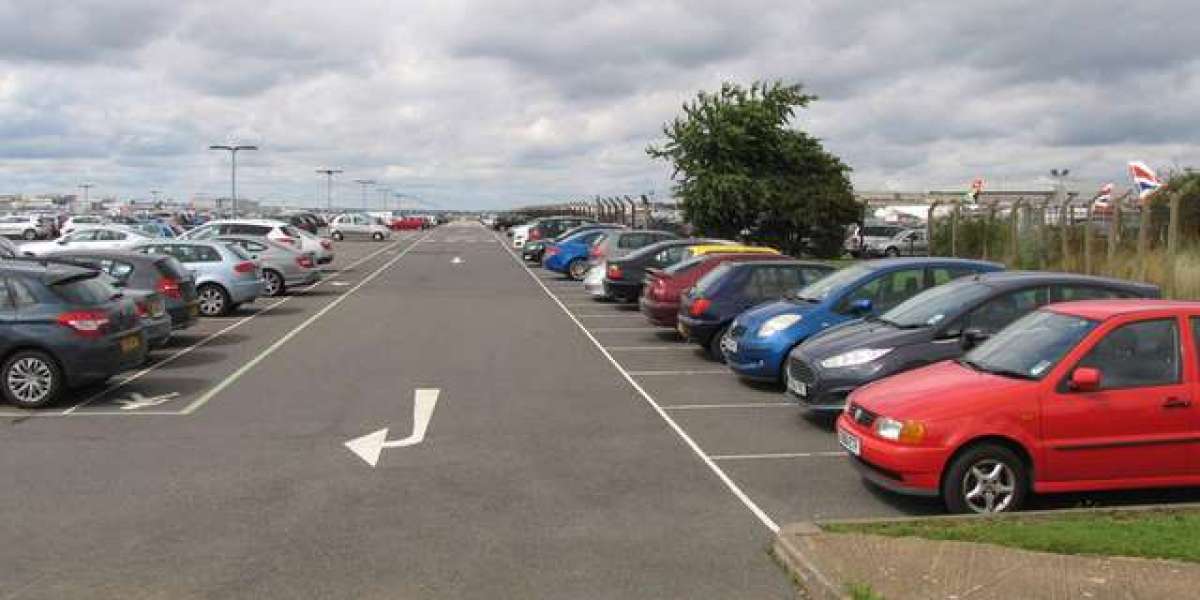
image source: commons.wikimedia.org
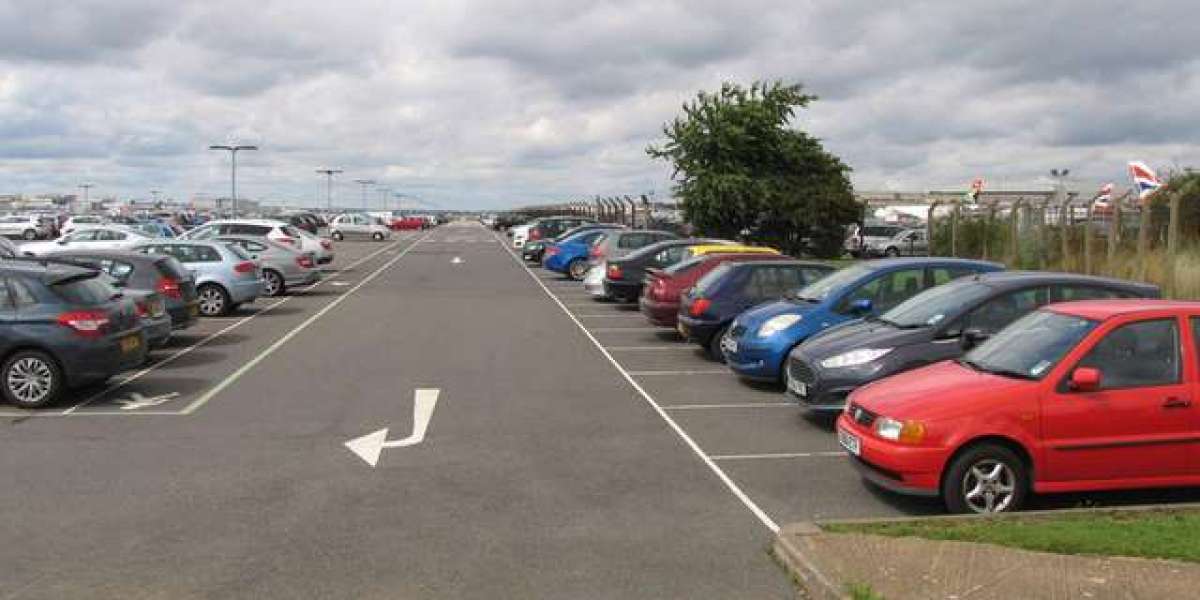
Parking has long been one of the most frustrating parts of urban life. Drivers circle busy blocks, search for cryptic signage, or pay high prices for spaces far from their destination. But a new wave of technology—known as smart parking—is reshaping this everyday experience. From real-time sensors to automated garages, smart parking is turning an age-old hassle into a smoother, faster, and more sustainable part of modern mobility.
advertisement
What Is Smart Parking?
Smart parking uses a combination of sensors, cameras, mobile apps, automation, and artificial intelligence to help drivers locate, reserve, and pay for parking more efficiently. It functions almost like a personal parking assistant—minus the small talk—guiding drivers to available spaces, enabling digital payments, and even handling the parking process through robotics in some systems.
Why Traditional Parking Falls Short
For decades, finding a parking spot has been tied to wasted time, unnecessary fuel consumption, and driver stress. Studies cited in industry discussions highlight that U.S. drivers spend many hours each year searching for spaces, contributing to significant emissions. The struggle is familiar: full garages, unexpectedly high fees, and long walks from distant lots. Smart parking emerges as a response to these inefficiencies, offering solutions aimed at reducing time, cost, and environmental impact.
How Smart Parking Works
Sensors and IoT
Many smart systems rely on small ground or overhead sensors that detect whether a space is occupied. This information feeds into a central system that updates in real-time. In some cities—such as San Francisco’s SFpark program—sensor data is even tied to dynamic pricing, where rates increase during high demand and decrease when spaces open up.
Mobile Apps
Apps such as SpotHero, ParkMobile, and ParkWhiz allow users to search for available parking, compare prices, and reserve spaces in advance. This eliminates the need for aimless circling and allows drivers to proceed straight to their spot. Some platforms process millions of transactions annually, illustrating widespread adoption.
Automated Parking Systems
Cutting-edge systems go a step further by using robotics and AI to park vehicles automatically. Drivers simply leave their car in a designated entry zone, and the system stores the vehicle efficiently, often doubling capacity compared to traditional garages. Cities like New York and Dubai have already adopted such solutions.
License Plate Recognition and Cashless Payments
Modern parking systems increasingly rely on license plate recognition to track vehicles and automate payment. Cashless parking has become common in many European cities and is steadily expanding in North America. Drivers can often pay directly through an app or receive automated billing.
Aggregated Parking: A Smarter Way to Access Airport Parking
One emerging model—aggregated parking—offers a cost-effective alternative to traditional airport parking. Platforms like OneStopParking connect travelers with nearby hotels that rent out unused parking spaces. This setup typically includes shuttle services to the airport, allowing travelers to reserve spaces in advance and avoid airport-lot congestion.
Prices can be significantly lower—sometimes dropping from around $30 per day at an airport lot to just a few dollars at a partner hotel. This approach also uses existing infrastructure more efficiently, reducing the need for new construction and minimizing environmental impact.
The Measurable Benefits of Smart Parking
1. Saves Time
Smart parking dramatically cuts the time needed to locate an available spot. With real-time updates and reservations, drivers spend less time searching and more time focusing on what matters.
2. Reduces Traffic and Emissions
Research indicates that traditional parking searches involve long travel distances and unnecessary fuel use. In comparative studies, smart parking systems reduced search time by around 80%, along with similar reductions in fuel consumption and CO₂ emissions. This shift represents a meaningful step toward cleaner and less congested cities.
3. Maximizes Urban Space
Dynamic pricing and automated systems make better use of limited space. By encouraging turnover and packing cars more efficiently, cities can reduce crowding without expanding parking footprints.
4. Enhances Convenience
Smart parking offers conveniences such as app-based reservations, remote payments, reminders, and, in automated systems, hands-free vehicle storage. For many drivers, the reduction in stress is one of the greatest advantages.
The Future of Smart Parking
Smart parking is evolving alongside broader trends in mobility and urban design. Several emerging directions include:
Autonomous vehicle integration: Future self-driving cars may drop off passengers and park themselves.
AI-led forecasting: Predictive models may use historic and real-time data to forecast parking availability before drivers even begin their trip.
Smart city integration: Parking systems will increasingly connect with public transportation, traffic controls, and urban infrastructure to create seamless travel experiences.
Conclusion
Smart parking represents more than technological progress—it symbolizes a shift toward smoother, more sustainable, and more connected urban living. It saves time, cuts emissions, lowers costs, and helps cities operate more intelligently. As sensors become smarter, apps become more intuitive, and automation becomes more widespread, parking will no longer be a dreaded part of the journey. Instead, it will become an efficient, almost invisible component of a future where technology clears the path—one parking spot at a time.
Sources
OneStopParking – The Rise of Smart Parking
https://onestopparking.com/articles/the-rise-of-smart-parking
Thank you !