
article image source: freepik.com (Link)
AI Demand Surges as OpenAI and Google Tighten Free Access

In recent weeks, both OpenAI and Google have scaled back free access to some of their most popular AI tools, responding to unprecedented demand that is straining their computing resources. The shift reflects a broader industry trend: as generative AI becomes more powerful and more widely used, the cost of delivering these services at scale is becoming harder to ignore.
advertisement
OpenAI’s Sora Limits Tighten
OpenAI has significantly reduced the number of daily free video generations available in its Sora model, cutting the cap to just six per day for non-paying users. According to Bill Peebles, who leads Sora at OpenAI, the system has been struggling under “overwhelming demand”. In a light-hearted but telling comment shared on X, he joked that “our GPUs are melting.”
While OpenAI has enacted temporary usage caps in the past, Peebles did not indicate that this new restriction would be lifted. Instead, OpenAI is leaning toward a more structured monetization approach, allowing users to purchase additional video generations if they exceed their free allotment. Limits for ChatGPT Plus and Pro subscribers remain unchanged, though OpenAI has not publicly disclosed the exact numbers.
This move underscores a clear shift: as demand for high-quality generative video grows, OpenAI is balancing accessibility with the escalating cost of computational power.
Google Restricts Nano Banana Pro Access
Google is experiencing similar pressure. The company has reduced free daily image generations in its Nano Banana Pro tool from three to two. The change was first noticed by 9to5Google and later confirmed directly in the tool’s interface, where users are warned that limits “may change frequently and without notice.”
Beyond image generation, Google also appears to be scaling back free access to Gemini 3 Pro. This follows a consistent pattern in which heavy usage periods lead to temporary or dynamic caps—particularly when powerful new models roll out and attract spikes in traffic.
Shared Pressures Across the Industry
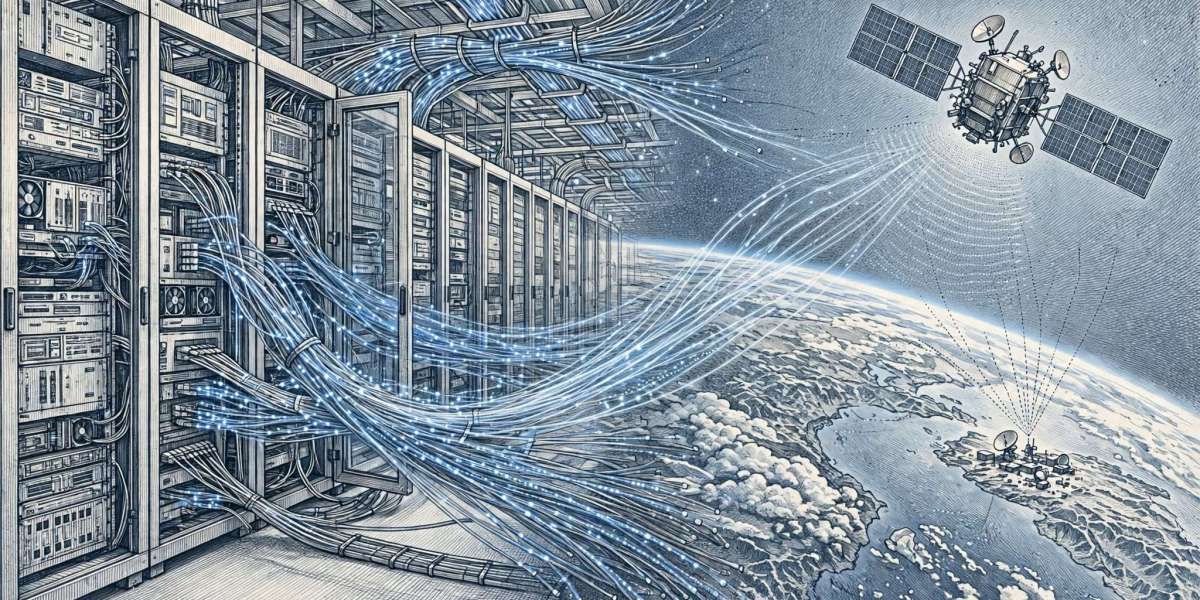
Both OpenAI and Google are navigating intense resource demands. The recent surge in user activity—partly driven by the holiday weekend and the upcoming festive season—has made these limitations especially visible to casual users who rely on free tiers. As more people explore generative video and image tools, infrastructure strain becomes more pronounced.
For now, paid users on both platforms remain unaffected. But the companies have made it clear, implicitly or explicitly, that usage policies may continue to shift as demand evolves and as monetization strategies mature.
Conclusion
The latest restrictions from OpenAI and Google highlight a critical moment in the evolution of consumer AI. As models become more advanced and more widely adopted, the challenge of providing high-performance access at scale intensifies. These limitations are not simply technical hurdles—they reflect a balancing act between innovation, accessibility, sustainability, and business strategy.
The situation also underscores an important truth: AI is entering a phase where user expectations are rising just as fast as computational demands. And while free access may continue to tighten, the rapid pace of development suggests a future where generative tools become more efficient, more creative, and perhaps even more accessible—if supported by sustainable models.
In many ways, this moment signals not a slowdown, but the beginning of the next chapter in AI: one shaped by smarter resource management, evolving business models, and a community eager to push the boundaries of what these systems can do.
Sources
NotebookCheck – “Our GPUs are melting”: OpenAI and Google restrict free AI access amid high demand
https://www.notebookcheck.net/Our-GPUs-are-melting-OpenAI-and-Google-restrict-free-AI-access-amid-high-demand.1173964.0.html
Thank you !