
Tokenization Explained: How Blockchain Is Transforming Finance, Stocks, and Real-World Assets
Key Takeaways
Tokenization is turning real-world assets like stocks and real estate into blockchain-based digital tokens.
Major institutions and stock exchanges are rapidly adopting tokenization, signaling a financial shift already underway.
The technology promises faster settlement, lower costs, 24/7 markets, and broader global access to investments.
advertisement
Introduction: What Is Tokenization and Why It Matters
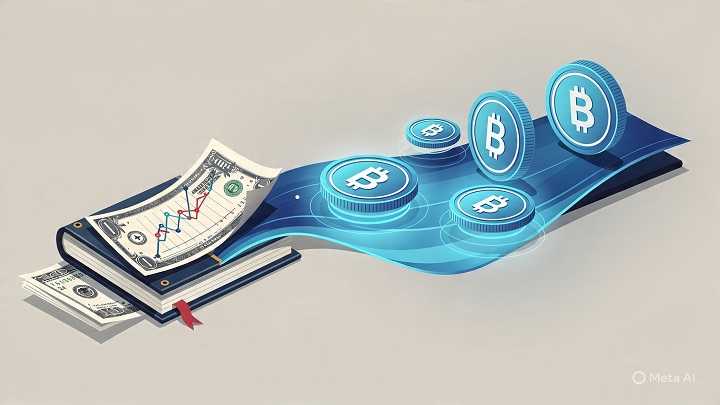
Tokenization is quickly becoming one of the most important innovations in modern finance.
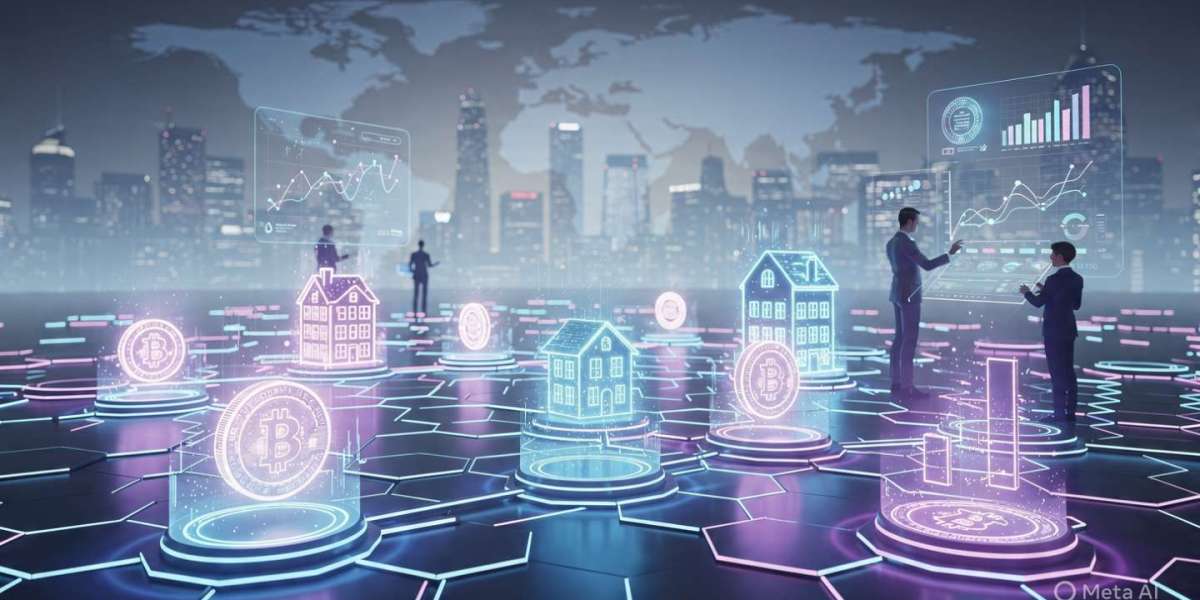
At its core, tokenization means converting real-world assets—such as stocks, real estate, or bonds—into digital tokens that exist on a blockchain.
These tokens can represent ownership rights, be traded more efficiently, and unlock new opportunities for investors worldwide.
What was once considered a futuristic concept is now becoming reality, as global financial institutions, stock exchanges, and regulators actively embrace blockchain-based systems.
Understanding Tokenization: A Simple Explanation
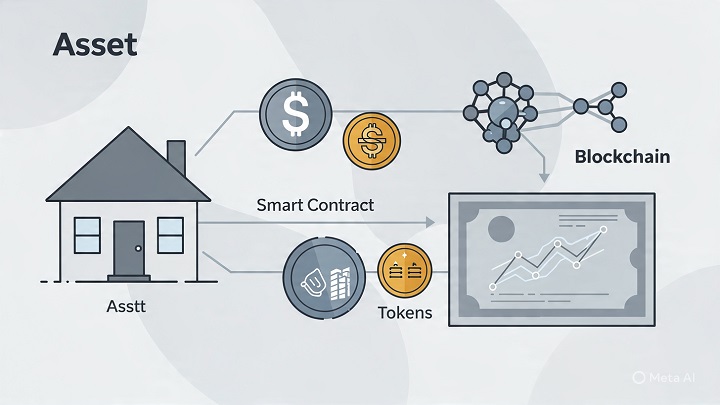
Tokenization involves creating a digital representation of an asset on a blockchain.
According to insights from Securitize, this process includes:
Recording ownership digitally
Using smart contracts to automate transactions
Removing or reducing the need for intermediaries
This results in faster, cheaper, and more efficient financial operations compared to traditional systems.
In simple terms, tokenization transforms physical or traditional financial assets into programmable digital assets.
Tokenized Stocks: A New Era for Equity Markets
One of the most impactful applications of tokenization is in stock markets.
Nasdaq’s CEO has described tokenization as the next major evolution in securities trading.
Under this model:
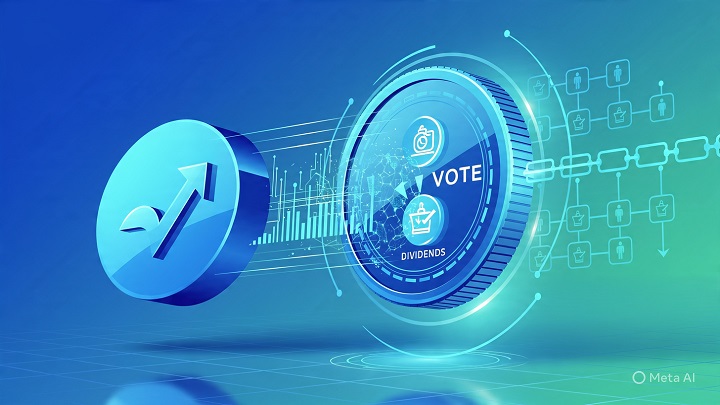
A stock is represented as a blockchain-based token
The token carries the same rights as traditional shares (voting, dividends, ownership)
It trades alongside traditional shares using the same ticker and identifiers
This means investors are not buying a “synthetic” version—they are owning the real asset in digital form.
This approach differs from some platforms that only provide price exposure without legal ownership or voting rights.
Faster Settlement and Lower Costs
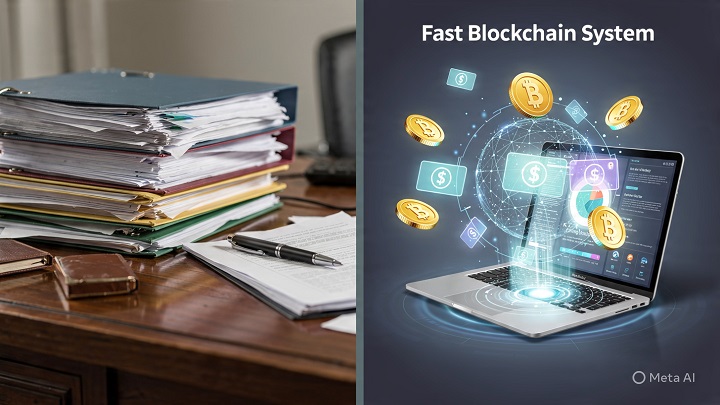
Traditional stock trading relies on complex infrastructure involving multiple intermediaries.
For example:
Trades typically settle on a T+1 basis (one business day later)
Corporate actions involve extensive manual processes
Industry-wide costs exceed tens of billions of dollars annually
Tokenization changes this by:
Enabling near-instant settlement
Automating dividends, voting, and recordkeeping
Reducing duplication and reconciliation across systems
The result is a more efficient financial system with reduced friction and cost.
24/7 Markets: The Rise of “Always-On” Finance
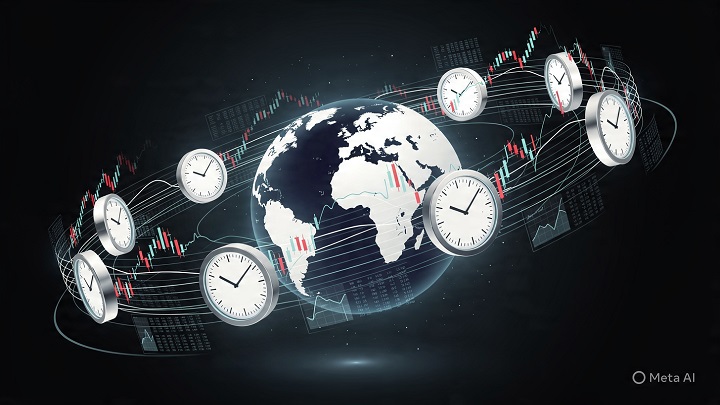
Blockchain technology operates continuously—without opening or closing hours.
This introduces a major shift:
Markets can operate nearly 24/7
Investors gain access outside traditional trading windows
Global participation becomes easier
Nasdaq plans to extend trading hours to 23 hours a day, five days a week, with tokenization playing a key role in enabling this transformation.
This aligns traditional finance with the always-on nature of crypto markets.
Institutional Adoption: From Skepticism to Commitment
A major turning point in tokenization is the rapid adoption by institutional players.
Organizations such as major banks, exchanges, and asset managers are now actively investing in blockchain infrastructure.
Industry events like Consensus 2026 highlight this shift, with participation from:
Global financial institutions
Payment networks
Technology companies
Crypto-native firms
What was once experimental is now a strategic priority.
The focus has shifted from “if” tokenization will happen to “how fast” it will scale.
Real-World Assets (RWAs): The Biggest Opportunity
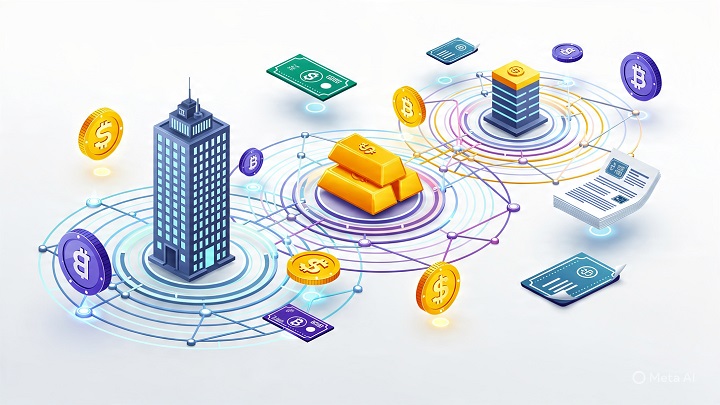
Tokenization is not limited to stocks.
It extends to a wide range of real-world assets, including:
Government bonds (tokenized treasuries)
Private credit
Real estate (fractional ownership)
These tokenized assets are already live products with growing assets under management.
Current estimates suggest:
The tokenized RWA market is around $30 billion (excluding stablecoins)
Some projections expect it to grow to hundreds of billions—or more
This expansion is driven by the combination of:
Tokenized assets (supply)
Stablecoins (liquidity)
Digital platforms (access)
The Role of Stablecoins and Infrastructure
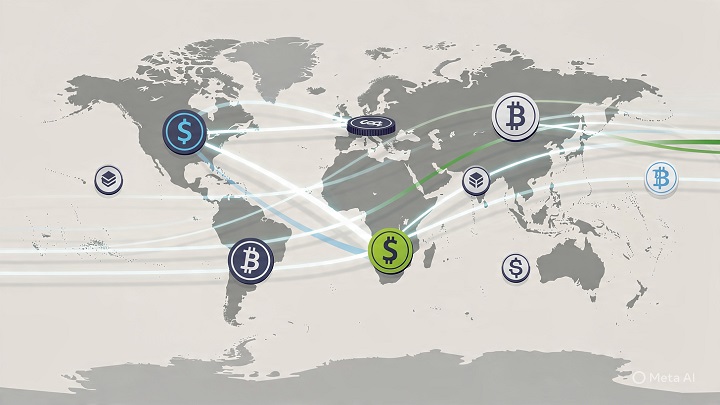
Stablecoins have evolved from simple crypto tools into critical financial infrastructure.
They now serve as:
Settlement layers for global payments
Liquidity providers for tokenized assets
Alternatives to traditional systems like SWIFT
This infrastructure allows value to move as easily as data—fast, borderless, and programmable.
How Companies Like Computershare and Securitize Are Leading the Shift

Traditional financial service providers are also embracing tokenization.
Computershare, a major transfer agent serving thousands of companies, is partnering with Securitize to enable blockchain-based shares.
Their approach includes:
Issuer-Sponsored Tokens (ISTs)
Full ownership rights for investors
Integration with existing systems
This strategy allows companies to adopt tokenization without disrupting their current operations.
Securitize, in particular, is positioning itself as a key player by:
Partnering with institutions
Providing tokenization infrastructure
Targeting large-scale growth in assets and revenue
Regulation: A Key Driver and Risk
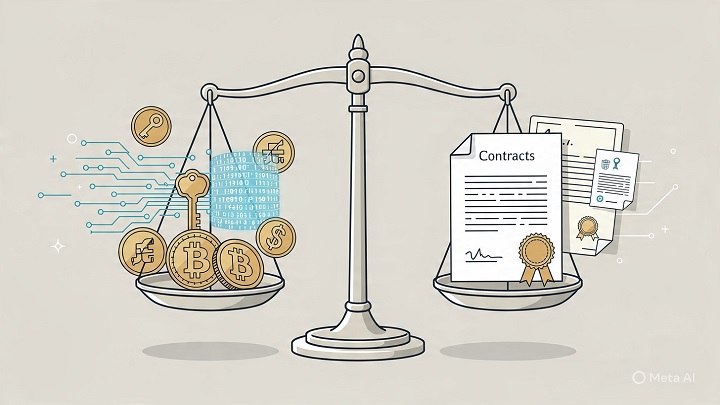
Regulation plays a critical role in tokenization’s future.
Recent developments include:
Approval for tokenized securities trading by regulators
Proposed “innovation exemptions” to accelerate adoption
These changes could act as major growth catalysts.
However, risks remain:
Political divisions may slow regulatory progress
Market adoption depends on clear and stable rules
Different sources emphasize that while the environment is becoming more supportive, uncertainty still exists.
Conflicting Perspectives and Considerations

While most sources highlight strong growth potential, there are differing viewpoints:
Optimistic outlook (Securitize perspective):
Tokenization could generate massive revenue, scale rapidly, and reshape finance.Cautious view (regulatory and market risks):
Growth depends on political alignment, regulatory clarity, and adoption by institutions.Infrastructure-focused view (Nasdaq & industry):
Success will depend on execution, interoperability, and solving challenges like digital identity verification.
These perspectives show that tokenization is promising—but not without challenges.
Conclusion: A Financial Transformation Already in Motion

Tokenization is no longer a distant vision—it is actively reshaping global finance.
From stock exchanges enabling real-time settlement to institutions bringing trillions of dollars in assets on-chain, the shift is undeniable.
The technology offers a powerful combination of efficiency, accessibility, and innovation.
Yet its success will depend on execution, regulation, and trust.
If these elements align, tokenization could redefine how the world owns, trades, and interacts with value—creating a more open, efficient, and inclusive financial system for the future.
Key Points Summary
Tokenization converts real-world assets into blockchain-based digital tokens.
It enables faster settlement, lower costs, and automated financial processes.
Stock markets are adopting tokenization with full ownership rights preserved.
Institutions are rapidly entering the space, accelerating adoption.
Real-world assets and stablecoins are key drivers of growth.
Regulation remains both a catalyst and a risk factor.
advertisement
Frequently Asked Questions (FAQ)
1. What is tokenization in simple terms?
Tokenization is the process of converting real-world assets into digital tokens on a blockchain that represent ownership.
2. Are tokenized stocks real shares?
Yes, in many models they carry the same legal rights as traditional shares, including voting and dividends.
3. What are the benefits of tokenization?
Faster settlement, lower costs, transparency, automation, and global accessibility.
4. What are real-world assets (RWAs)?
They are physical or traditional financial assets—like real estate or bonds—converted into blockchain tokens.
5. Is tokenization widely adopted?
Yes, adoption is growing rapidly among financial institutions, exchanges, and asset managers.
6. What are the risks?
Regulatory uncertainty, market volatility, and infrastructure challenges.
Sources
- Forbes – Partnership between Computershare and Securitize enabling tokenized shares
https://www.forbes.com/sites/digital-assets/2026/04/29/worlds-largest-stock-transfer-agent-is-moving-into-tokenization-through-partnership-with-securitize/ - CoinDesk – Institutional adoption and “tokenization of everything” trend
https://www.coindesk.com/opinion/2026/04/29/the-tokenization-of-everything-is-no-longer-a-theory - Seeking Alpha – Analysis of Securitize and tokenization growth potential
https://seekingalpha.com/article/4895597-securitize-tokenization-is-upon-us - TheStreet – Nasdaq’s roadmap for tokenized stock trading and market transformation
https://www.thestreet.com/personal-finance/nasdaqs-ceo-declared-the-stock-market-is-about-to-change-forever
Disclaimer:
This material may contain third-party opinions, none of the data and information on this webpage constitutes investment advice
The content shared in economics articles is solely for research and informational purposes.
We are not a financial advisory service, and the information provided should not be considered investment or trading advice.
Thank you !