
article image source: bornastheearth.com (Link)
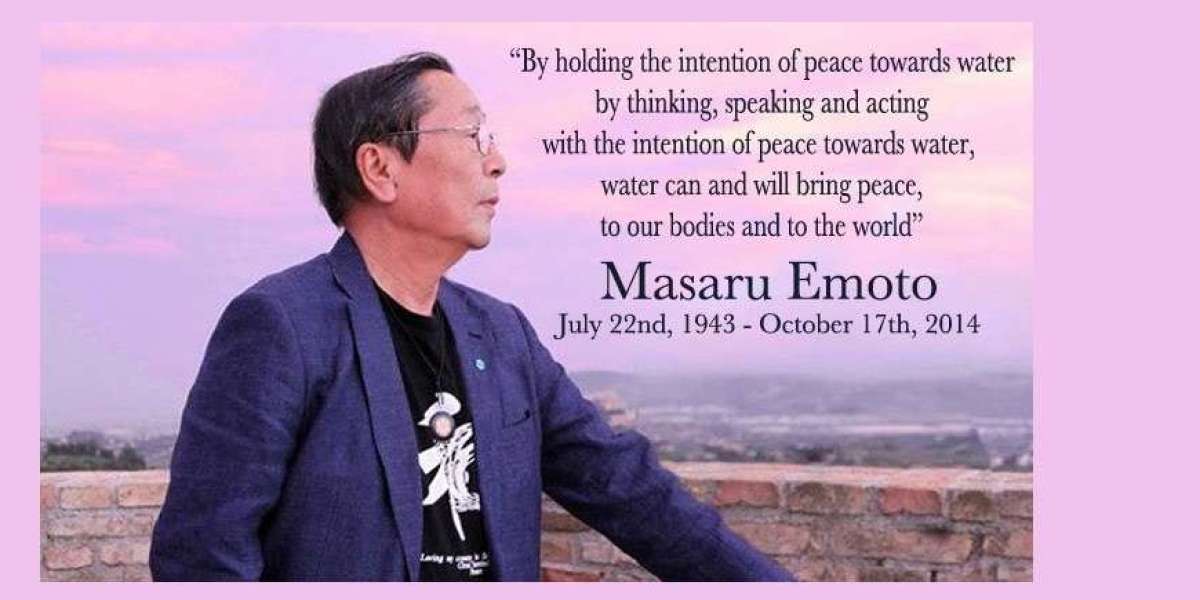
Dr. Masaru Emoto and the Memory of Water: How Human Emotions May Influence Water Structure
Water Has Memory! Dr. Masaru Emoto's Water Experiment! - Mr Scientific
Key Insights:
Human emotions like love and gratitude were claimed to create harmonious water crystal structures.
Negative emotions such as fear and anger were associated with distorted formations.
Scientific communities remain skeptical, but the idea continues to influence wellness and spirituality.
advertisement
Water is fundamental to life, yet beyond its biological importance, theories such as the memory of water suggest it may respond to human emotions and intentions. Popularized by Masaru Emoto, this concept proposes that water can retain information from its environment, including thoughts, words, and feelings. While widely debated, the idea has inspired both scientific curiosity and spiritual exploration, raising questions about the connection between human consciousness and the natural world.
Water is not only essential for survival but also deeply intertwined with human experience, culture, and well-being. From ancient traditions of blessing water to modern alternative wellness practices, the belief that water can carry energetic imprints has persisted across time.
The concept of water memory suggests that water has the ability to store and respond to information from its surroundings, a theory brought into public attention by Masaru Emoto, who claimed that emotional and environmental stimuli could influence water at a molecular level.
Through a series of experiments, Emoto exposed water samples to different words, music, and intentions, then froze the samples and examined the resulting crystals under a microscope. He reported that water exposed to positive expressions such as love, gratitude, and joy formed symmetrical and aesthetically pleasing crystal structures, whereas water subjected to negative emotions like anger, hate, and fear produced irregular and chaotic patterns. These observations led to the idea that human consciousness might directly influence physical matter, particularly water.
This perspective extends beyond laboratory settings into everyday life. If water can indeed respond to emotional energy, it raises questions about how our thoughts and feelings may influence not only the water we consume but also our own bodies, which are largely composed of water. Supporters of Emoto’s work suggest that cultivating positive emotions and intentions could contribute to improved well-being and internal harmony. Practices such as expressing gratitude toward drinking water, offering blessings, or visualizing purity are often recommended as simple ways to apply these ideas.
At the same time, the scientific community has expressed significant skepticism regarding these claims. Critics argue that Emoto’s experiments lack rigorous methodology, reproducibility, and peer-reviewed validation, which are essential for establishing scientific credibility. As a result, the theory of water memory remains unproven within mainstream science. Furthermore, the widespread belief that Emoto received a Nobel Prize is incorrect; he was neither nominated nor awarded such recognition.
Despite these criticisms, the concept has had a lasting cultural and psychological impact. It has inspired discussions about the relationship between emotions, environment, and physical health, and has influenced fields such as holistic healing and personal development. Rather than being dismissed outright, the theory often serves as a starting point for broader reflection on how human perception and intention interact with the natural world.
Beyond the debate over water memory, there is strong scientific evidence supporting the positive effects of water-rich environments on human well-being. Natural “blue spaces,” including rivers, waterfalls, and oceans, have been linked to reduced stress, improved mood, and enhanced mental clarity. Activities such as swimming, rafting, kayaking, or canyoning combine physical movement with immersion in nature, promoting the release of endorphins and fostering a sense of connection and presence.
Direct interaction with water—such as feeling cold جریان on the skin, listening to flowing streams, or engaging in water-based adventures—can lower cortisol levels, improve circulation, and increase focus. These benefits are widely recognized and do not depend on the validity of water memory theories. Instead, they highlight the tangible and measurable ways water contributes to both physical and psychological health.
Ultimately, whether viewed through a scientific, philosophical, or spiritual lens, water remains a powerful symbol of life and transformation. The discussions sparked by Emoto’s work encourage curiosity, mindfulness, and a deeper appreciation for the subtle connections between our inner experiences and the external world.
Conclusion
The idea that water can store memories and respond to human emotions continues to captivate global interest, largely due to the work of Masaru Emoto. While his experiments lack scientific validation and remain controversial, they have opened meaningful conversations about the influence of thoughts, intentions, and emotional states on our environment and ourselves.
More importantly, both perspectives—scientific skepticism and holistic interpretation—offer valuable insights. Science reminds us to seek evidence and maintain critical thinking, while the philosophical view encourages mindfulness, emotional awareness, and intentional living.
Regardless of where one stands, one truth remains clear: water plays a profound role in human life, not only biologically but also psychologically and experientially. By engaging with water consciously—whether through nature, daily hydration, or reflective practices—we can enhance our sense of balance, presence, and well-being. In this way, the legacy of Emoto’s ideas lies not in definitive proof, but in their ability to inspire a deeper connection with ourselves, others, and the natural world.
Key Points
The memory of water suggests water can retain emotional and environmental information.
Masaru Emoto’s experiments linked positive emotions to beautiful crystal formations and negative emotions to distorted ones.
Scientific communities question the validity and reproducibility of these findings.
The theory has influenced holistic health, mindfulness, and spiritual practices.
Natural water environments are scientifically proven to improve mental and physical well-being.
advertisement
Frequently Asked Questions (FAQ)
1. What is the memory of water?
It is the theory that water can retain information from emotions, thoughts, and environmental influences.
2. Who was Masaru Emoto?
A Japanese researcher known for experiments on how emotions may influence water crystal formation.
3. Are Emoto’s experiments scientifically proven?
No, they are widely criticized for lacking rigorous scientific methodology and reproducibility.
4. Can emotions really affect water?
According to Emoto’s claims, yes—but this is not confirmed by mainstream science.
5. How can I apply these ideas in daily life?
You can practice mindfulness, express gratitude, and maintain positive emotions, especially around daily habits like drinking water.
Sources
- Avalancha – Overview of water memory, Emoto experiments, and wellness connection
https://www.avalancha.org/en/blog/the-memory-of-water/ - Born As The Earth – Detailed explanation of Emoto’s theories, emotional influence, and daily applications
https://bornastheearth.com/dr-masaru-emoto/
Thank you !