
(What will be mentioned in this article is for advice and is not a substitute for consulting a doctor)
Gel Sunscreen or Cream? A Complete Guide to Choosing the Best Sunscreen for Your Skin Type
Key Takeaways (Quick Read)
Sunscreen effectiveness depends on SPF and UV filters—not whether it’s gel or cream.
Gel sunscreens suit oily and acne-prone skin, while creams are best for dry and sensitive skin.
The best sunscreen is the one that matches your skin type, climate, and comfort preference.
advertisement
Choosing between gel sunscreen vs cream sunscreen can feel confusing, especially with so many formulas claiming to be “the best sunscreen for skin protection.” The truth is, sunscreen is not just a skincare step—it is a daily essential that helps prevent sunburn, premature aging, pigmentation, and long-term skin damage caused by UV radiation.
But here’s the key insight many dermatology and skincare experts agree on: the texture of sunscreen (gel or cream) does not determine its protection level. Instead, protection depends on SPF, UVA/UVB filters, and whether the formula is broad-spectrum.
What does matter is how the sunscreen feels on your skin, how well it fits your routine, and whether it suits your skin type and environment.
Let’s break it down in a simple, practical way.
What Really Matters in Sunscreen (More Than Texture)
Before choosing between gel or cream sunscreen, it’s important to understand what actually defines protection:
SPF (Sun Protection Factor): Measures protection against UVB rays that cause sunburn.
SPF 30 blocks ~97% UVB
SPF 50 blocks ~98% UVB
PA Rating (PA+, PA++, PA+++): Indicates UVA protection (aging rays)
Broad-spectrum protection: Shields against both UVA and UVB rays
Active UV filters: Determine how the sunscreen works, not its texture
According to the sources, SPF and UV filters matter far more than whether sunscreen is gel or cream.
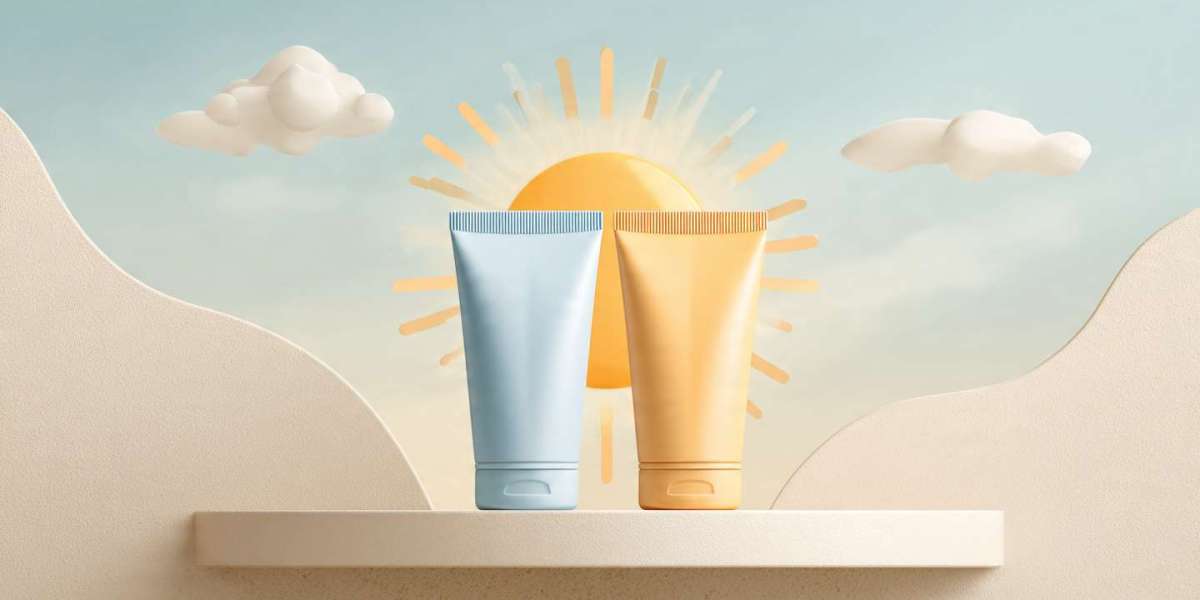
Gel Sunscreen: Lightweight Protection for Oily and Acne-Prone Skin

Gel sunscreen is typically water-based or alcohol-based, making it lightweight, fast-absorbing, and non-greasy.
Key Features of Gel Sunscreen
Lightweight, non-sticky texture
Absorbs quickly into skin
No heavy residue or greasy feel
Often leaves no white cast
Ideal for humid or hot weather
Usually non-comedogenic (won’t clog pores)
Why Dermatologists Recommend It
Experts highlight gel sunscreens as especially beneficial for:
Oily skin
Acne-prone skin
Humid climates
Active outdoor lifestyles
Because of their light texture, gel sunscreens reduce the risk of clogged pores and shine, making them ideal for daily wear.
Best Use Case
If your skin feels oily within hours of skincare or breaks out easily, gel sunscreen is usually the better match.
Cream Sunscreen: Deep Hydration and Strong Barrier Protection

Cream sunscreens are emollient-based, meaning they are richer, thicker, and more moisturizing.
Key Features of Cream Sunscreen
Thick, nourishing texture
Provides deep hydration
Strong protective barrier on skin
Often includes moisturizing ingredients
Ideal for dry or sensitive skin
Why Cream Sunscreens Work Well
Cream formulas help lock in moisture, making them especially useful in:
Cold or dry climates
Dry skin conditions
Sensitive or dehydrated skin
They tend to stay longer on the skin and provide a more “shield-like” layer of protection.
Best Use Case
If your skin feels tight, flaky, or dry after cleansing, cream sunscreen is usually the better option.
Gel vs Cream Sunscreen: Direct Comparison
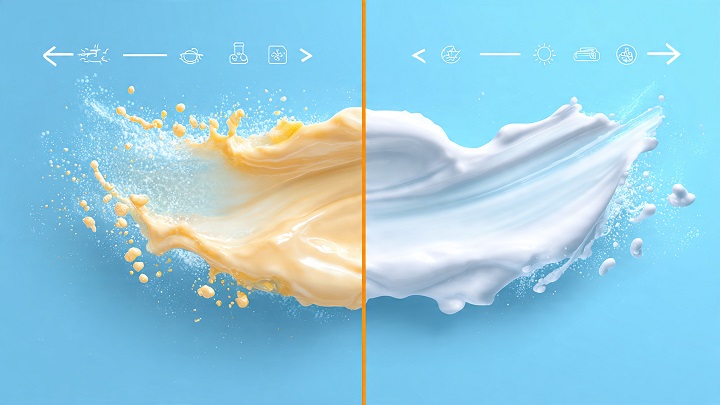
1. Skin Type Suitability
Gel sunscreen → oily, acne-prone, combination skin
Cream sunscreen → dry, sensitive, dehydrated skin
2. Texture & Feel
Gel → light, cooling, non-greasy
Cream → rich, moisturizing, heavier
3. Weather Compatibility
Gel → hot, humid climates
Cream → cold, dry climates
4. Pore Compatibility
Gel → usually non-comedogenic
Cream → may clog pores for some oily skin types
5. Sun Protection Level
Both are equal if SPF and filters are the same. Texture does NOT affect UV protection.
Important Insight: Protection Is NOT About Gel vs Cream
One of the most important points from experts is this:
Gel sunscreen and cream sunscreen provide equal UV protection when SPF and formulation are the same.
That means:
A gel SPF 50 is not “stronger” than a cream SPF 50
A cream SPF 30 is not “weaker” because it’s cream
Protection depends on formulation, not texture
How to Choose the Right Sunscreen for You
Instead of asking “gel or cream?”, ask these:
What is my skin type?
Do I need hydration or oil control?
What is the climate like where I live?
Do I prefer lightweight or rich textures?
Is it broad-spectrum SPF 30–50 or higher?
Experts suggest that comfort and consistency with daily use matter just as much as SPF protection.
How to Apply Sunscreen Properly (Very Important)
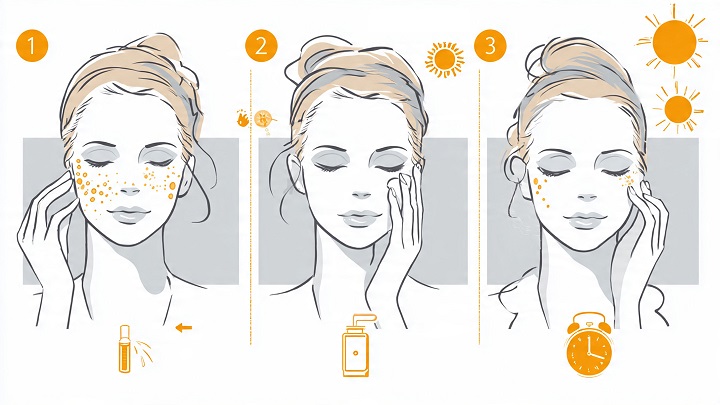
Even the best sunscreen fails if not applied correctly:
Apply 15–30 minutes before sun exposure
Use enough quantity (face: about 2–3 finger lengths)
Reapply every 2 hours
Reapply after swimming or sweating
Use sunscreen as the final skincare step
Conclusion

The “gel sunscreen vs cream sunscreen” debate doesn’t have a single winner—because the best sunscreen is not about texture, but about fit, consistency, and protection level.
If your skin is oily, gel sunscreen offers a breathable, lightweight shield that keeps shine and breakouts under control. If your skin is dry or sensitive, cream sunscreen provides the hydration and comfort your skin needs while still delivering strong UV protection.
What truly matters is not choosing between gel or cream as “better,” but choosing the one you will actually wear every single day. Because in skincare, consistency beats complexity—and sunscreen is your most powerful daily defense against long-term skin damage.
advertisement
Frequently Asked Questions (FAQ)
1. Is gel sunscreen better than cream sunscreen?
Neither is universally better. Gel suits oily skin, while cream suits dry skin. Protection depends on SPF, not texture.
2. Does gel sunscreen provide less protection than cream?
No. Both provide equal protection if they have the same SPF and broad-spectrum filters.
3. Which sunscreen is best for oily skin?
Gel sunscreen is generally recommended because it is lightweight, non-greasy, and non-comedogenic.
4. Which sunscreen is best for dry skin?
Cream sunscreen is better because it provides hydration and helps prevent moisture loss.
5. Can I use gel sunscreen in winter?
Yes, but dry skin may prefer cream sunscreen in cold weather for added hydration.
6. How often should I reapply sunscreen?
Every 2 hours, or immediately after sweating or swimming.
Sources
- Dewique – Guide to Gel vs Cream Sunscreen
A breakdown of sunscreen types, skin suitability, and SPF considerations
https://dewique.com/blogs/gel-sunscreen-or-cream-guide-to-picking-sunscreen/
- Cosmosafe Healthcare – Sunscreen Types Explained (Stick, Spray, Cream, Gel)
Comparison of sunscreen formats, application methods, and skin benefits
https://cosmosafehealthcare.com/the-ultimate-sunscreen-showdown-stick-spray-cream-or-gel-which-is-best-for-your-skin/
- Skin Functional – Gel Sunscreens vs Other Sunscreens
Expert insights on texture, skin compatibility, and UV protection
https://skinfunctional.com/blogs/sun-protection/gel-sunscreens-vs-the-rest-know-the-difference/
Disclaimer:
What is mentioned in this article is for advice and is not a substitute for consulting a doctor
Thank you !