
article image info and credits:
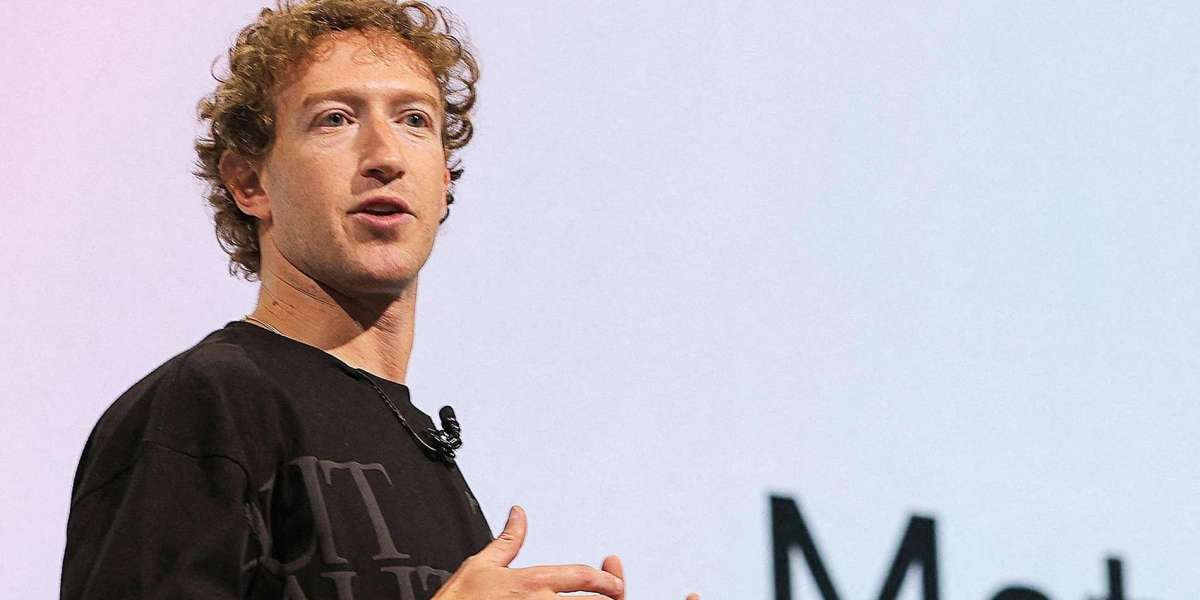
The real Mark Zuckerberg speaks at the Meta Connect event in California. Photograph: Manuel Orbegozo/Reuters
source: theguardian.com (Link)
Meta AI Clone of Mark Zuckerberg: How a “Digital CEO” Could Transform the Future of Work
Meta to create AI clone of Mark Zuckerberg to help employees feel [more connected] to company - FOX NASHVILLE
Key Highlights:
Meta is building a photorealistic AI clone of Mark Zuckerberg to interact with employees.
The project could reshape workplace communication, leadership, and even job structures.
Critics warn of ethical concerns, job risks, and the loss of human connection at work.
advertisement
Introduction
Meta is pushing the boundaries of artificial intelligence with a bold—and controversial—idea: creating an AI-powered clone of its CEO, Mark Zuckerberg.
This digital version of Zuckerberg is designed to communicate with employees, answer questions, and reflect his thinking on company strategy.
While the concept may sound futuristic—or even unsettling—it signals a deeper shift in how companies could operate in the age of AI.
A “Photorealistic” AI Version of Zuckerberg

According to reports, Meta is developing a highly realistic 3D avatar of Zuckerberg that can mimic his voice, tone, and mannerisms.
The AI is being trained using his public statements, past communications, and strategic insights, allowing it to respond to employees as if they were speaking directly to the CEO.
Zuckerberg himself is reportedly involved in shaping this digital counterpart, ensuring it reflects both his personality and current thinking.
The goal is simple: make employees feel more connected to leadership—even in a company with nearly 79,000 workers worldwide.
Why Meta Is Building a Digital CEO

The project is part of a broader effort by Meta to integrate AI into its operations.
Internally, the company believes that a digital CEO could:
Provide instant access to leadership insights
Improve communication across large teams
Deliver consistent messaging at scale
This aligns with Meta’s larger strategy to streamline workflows, flatten organizational structures, and increase efficiency.
Zuckerberg has already been encouraging employees to adopt AI tools and even build their own “agents” to automate daily tasks.
A Glimpse Into the Future of Work
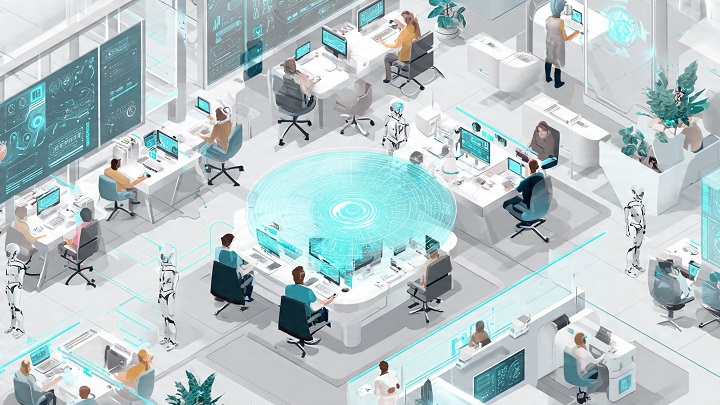
Meta’s experiment reflects a growing trend across the tech industry. Companies like OpenAI, Google, and Anthropic are investing heavily in AI systems capable of mimicking human communication and decision-making.
If successful, AI replicas of leaders could fundamentally change workplace dynamics.
Instead of waiting for meetings or emails, employees could interact with always-available digital executives—systems that never sleep and respond instantly.
However, this convenience comes with trade-offs. Human interactions—mentorship, nuance, and emotional intelligence—could become less central in daily work.
Efficiency Gains vs. Job Risks
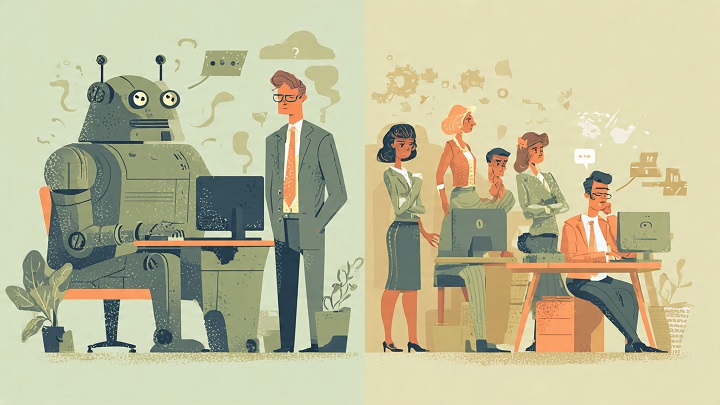
One of the biggest questions is how companies will use such technology.
AI systems are already handling routine communication, administrative tasks, and decision support. As these systems improve, fewer human roles may be needed in certain areas.
A study from Digital Future at Tufts University estimates that around 6% of the U.S. workforce could be vulnerable to AI-driven job cuts, particularly in information, finance, and technical services.
At the same time, roles requiring creativity, judgment, and complex problem-solving—such as healthcare and skilled trades—remain harder to automate.
The message for workers is clear: adapt, learn AI tools, and focus on uniquely human skills.
Public Reaction: Fascination and Fear
The idea of an AI-powered Zuckerberg has sparked mixed reactions online.
Some users mocked the concept, referencing Zuckerberg’s often awkward public persona. Others described the project as “creepy” or compared it to a science fiction scenario.
Comments ranged from humorous—suggesting the AI might be “less weird than the real version”—to deeply critical, with concerns about over-reliance on technology.
Not Zuckerberg’s First Digital Avatar
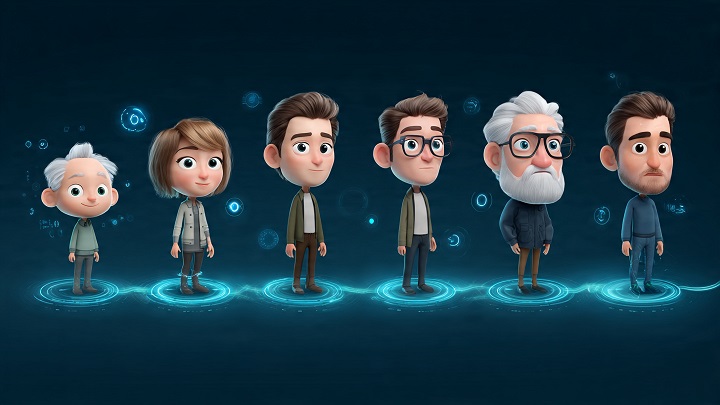
This isn’t the first time Zuckerberg has experimented with digital versions of himself.
In 2022, he introduced an avatar in Meta’s metaverse project, which faced widespread criticism for its appearance and realism.
Since then, Meta has scaled back its metaverse ambitions and shifted focus toward AI-driven characters capable of more natural interaction.
Expanding AI Ambitions at Meta

The AI clone is just one part of a much larger push.
Meta is investing heavily in artificial intelligence, with plans to spend up to $135 billion in a single year to stay competitive.
The company is racing against rivals while also developing advanced tools, including:
A “CEO agent” to assist Zuckerberg in his role
AI models capable of complex tasks like travel planning and image analysis
Systems aimed at achieving “superintelligence”—AI that surpasses human cognitive abilities
Zuckerberg himself has reportedly been coding several hours each week to stay closely involved in these developments.
Ethical Concerns and Regulatory Pressure

Meta’s AI ambitions are not without controversy.
The company has faced criticism in the past over its AI systems, including concerns about chatbots engaging in inappropriate conversations with minors.
It has since restricted teen access to such tools while working on safer versions.
Additionally, Meta has recently faced legal challenges and growing scrutiny over platform safety, including rulings related to user harm and addictive design features.
Global regulators are increasingly focusing on social media companies, with discussions around limiting access for younger users and curbing addictive features.
The Bigger Picture: Human vs. Digital Leadership

The idea of a digital CEO raises profound questions:
Can leadership truly be replicated by AI?
Will employees accept guidance from a virtual figure?
How will this affect trust, culture, and collaboration?
Some experts argue that familiar digital faces can improve engagement and retention. Others warn that replacing human interaction with AI could weaken workplace relationships.
Conclusion
Meta’s AI clone of Mark Zuckerberg is more than a technological experiment—it’s a signal of where the future of work may be heading.
By blending leadership with artificial intelligence, companies could unlock new levels of efficiency, accessibility, and scale. But they also risk losing something essential: the human connection that drives trust, creativity, and collaboration.
As AI continues to evolve, the challenge will not be whether we can replicate human leaders—but whether we should, and how to do so responsibly.
The rise of digital executives may redefine the workplace, but the most successful organizations will likely be those that strike a balance between innovation and humanity.
Key Points
Meta is developing a realistic AI clone of Mark Zuckerberg for internal communication.
The AI is trained on his voice, behavior, and strategic thinking.
The project aims to improve employee access to leadership.
It reflects a broader shift toward AI-driven workplaces.
Experts warn of potential job displacement and reduced human interaction.
Ethical concerns and regulatory scrutiny are increasing around AI systems.
advertisement
Frequently Asked Questions (FAQ)
Q1: What is Meta building exactly?
Meta is creating a photorealistic AI avatar of Mark Zuckerberg that can communicate with employees using his voice, tone, and knowledge.
Q2: Why is Meta doing this?
The goal is to improve communication, make leadership more accessible, and enhance efficiency within the company.
Q3: Will this replace human managers?
Not entirely, but it could reduce the need for certain communication and administrative roles over time.
Q4: Is this technology already in use?
The project is still in development, but similar AI systems are being explored across the tech industry.
Q5: What are the risks?
Concerns include job losses, ethical issues, reduced human interaction, and potential misuse of AI systems.
Sources
- New York Post – Report on Meta building AI clone of Zuckerberg
https://nypost.com/2026/04/13/business/meta-is-building-a-creepy-ai-clone-of-mark-zuckerberg-to-chat-with-staff-report/ - Yahoo Finance (Moneywise) – Analysis of workplace impact and AI future
https://finance.yahoo.com/sectors/technology/articles/mark-zuckerberg-building-ai-clone-093500829.html - The Guardian – Overview of Meta’s AI project and broader implications
https://www.theguardian.com/technology/2026/apr/13/meta-ai-mark-zuckerberg-staff-talk-to-the-boss
Thank you !