
article image credits and source:
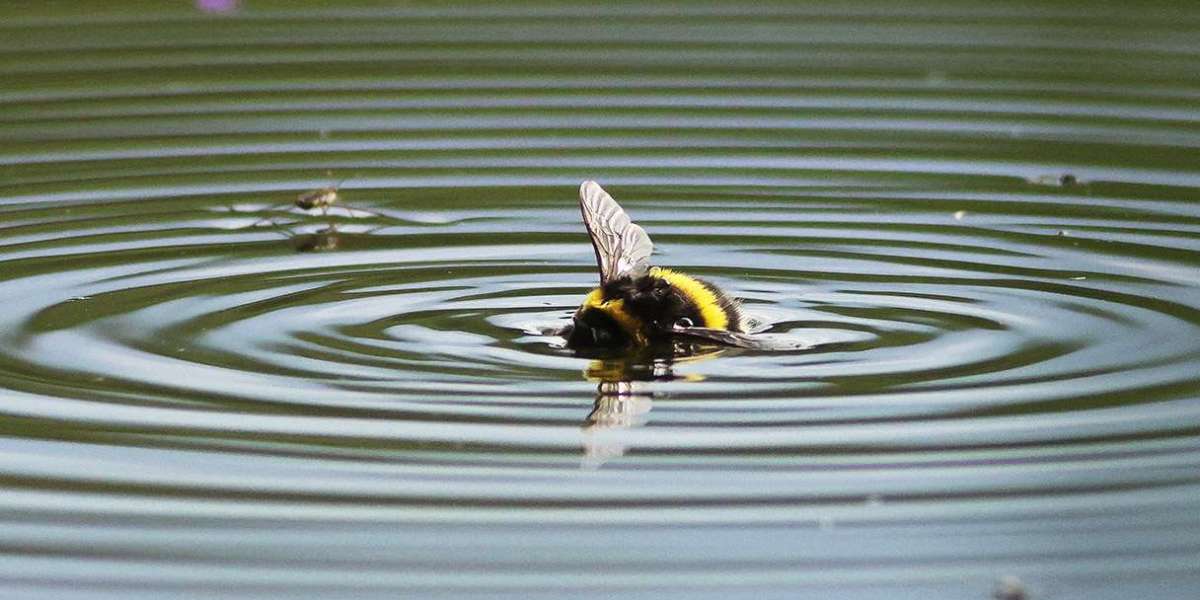
Although foraging bumble bees sometimes drown, dormant queens can survive in flooded burrows in part by slowing their metabolism. Carl Morrow/Alamy
source: science.org (Link)
How Bumblebee Queens Survive Underwater for Days: The Science Behind Their Incredible Flood Survival
Fact or Fiction: Some bumblebees can survive under water for a week? - ABC 10 News
Key Takeaways
Bumblebee queens can survive underwater for up to a week during winter diapause.
They use a rare combination of underwater breathing, anaerobic metabolism, and extreme metabolic slowdown.
This discovery reveals hidden resilience in insects facing climate change and environmental stress.
advertisement
Introduction: A Surprising Survival Skill Hidden Beneath the Soil
Bumblebee queens surviving underwater for days sounds like science fiction—but it’s now a scientifically confirmed reality.
Recent research has uncovered how these vital insects endure prolonged flooding while hibernating underground.
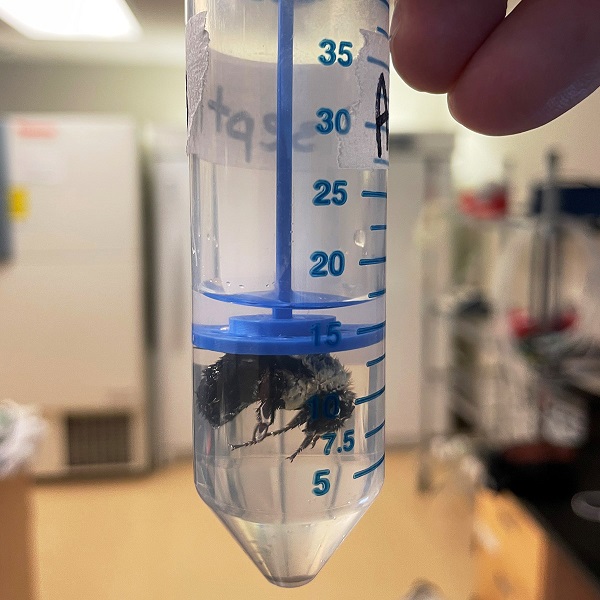
No bumble bees drowned during an experiment with water.
Charles Darveau
image source: science.org
This breakthrough not only reshapes our understanding of insect biology but also highlights how species adapt to extreme and unpredictable environmental conditions.
Why Bumblebee Queens Face Flooding Risks
More than 80 percent of bee species nest underground, making them vulnerable to water saturation.
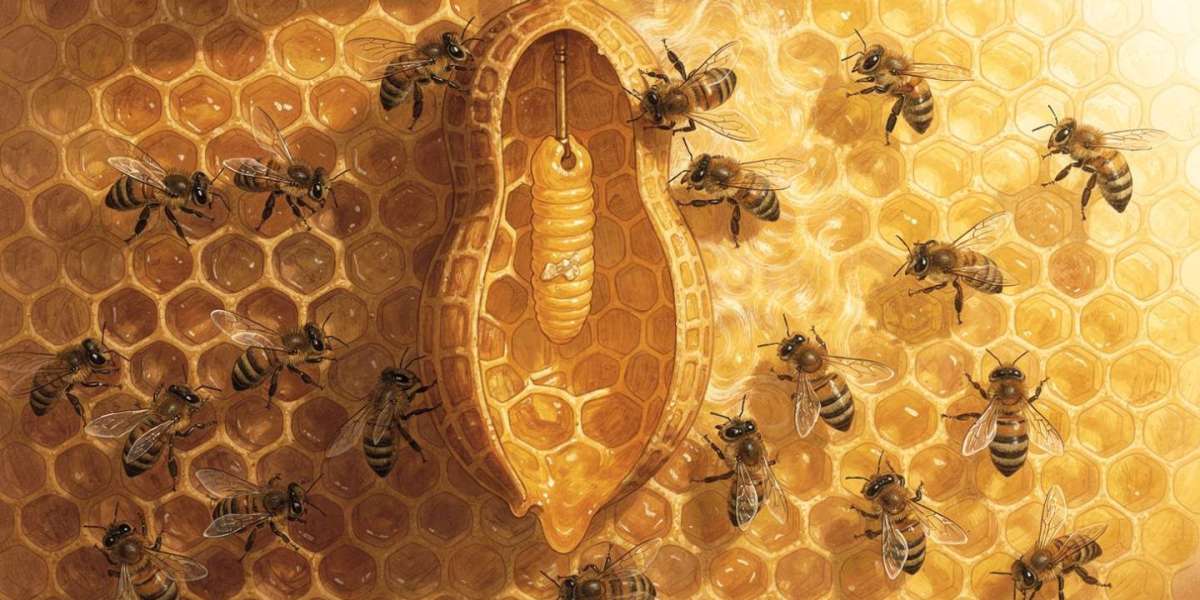
During winter, bumblebee queens enter a hibernation-like state called diapause, where they remain buried in soil and conserve energy until spring.
However, melting snow, heavy rainfall, and rising water tables can flood these underground nests, creating a serious risk of drowning.
Scientists have long wondered how these insects cope with such conditions—until a surprising discovery changed everything.
A Lucky Accident That Changed Everything
The discovery began with an unexpected laboratory mishap.
While studying pesticide effects, researcher Sabrina Rondeau found that condensation had flooded containers holding hibernating bumblebee queens.
Assuming they had died, she was shocked to see them move once removed from the water.
Follow-up experiments confirmed the phenomenon:
Queens submerged for up to a week had a survival rate of around 90 percent.
This accidental finding opened the door to deeper investigation into their survival mechanisms.
The Science Behind Their Underwater Survival
1. They Can Breathe Underwater
The most surprising finding is that bumblebee queens can actually extract oxygen from water.
Experiments showed:
Oxygen levels in water decreased when queens were submerged.
Carbon dioxide levels increased slightly.
This indicates active respiration—meaning the bees were breathing underwater, something rarely observed in terrestrial insects.
Scientists suspect they may use a “physical gill”, a thin layer of trapped air around their bodies that allows gas exchange with the surrounding water, though this is not yet confirmed.
2. They Use Anaerobic Metabolism as Backup
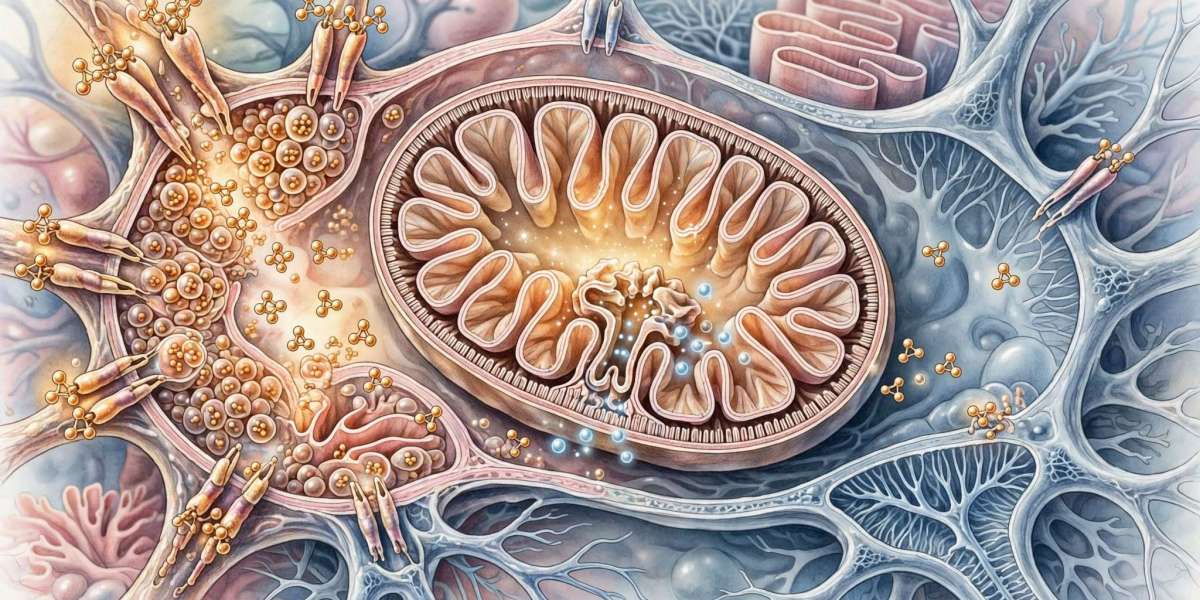
When oxygen becomes limited, the queens switch partly to anaerobic metabolism.
This process:
Generates energy without oxygen
Produces lactate as a byproduct
Studies found:
Lactate levels increased significantly (up to 15-fold in some experiments)
This confirms that anaerobic metabolism supports survival during submersion
However, lactate levels were not high enough to suggest full reliance on this process—indicating it’s only part of the strategy.
3. Extreme Metabolic Slowdown Saves Energy
One of the most critical adaptations is the dramatic reduction in metabolic rate.
During diapause, metabolism is already reduced by more than 95 percent.
When submerged, it drops even further:
Carbon dioxide production fell to as little as one-sixth of normal diapause levels in some experiments
Other findings showed a reduction of over 50–75 percent early in submersion
This extreme slowdown minimizes oxygen demand, making survival underwater possible.
4. A Combined Survival Strategy
Rather than relying on a single mechanism, bumblebee queens use a multi-layered survival system:
Underwater respiration
Partial anaerobic metabolism
Profound metabolic depression
Scientists emphasize that this combination—not any one factor—is what makes their survival so effective.
Conflicting Measurements, Same Conclusion
Different studies reported slightly varying data:
One experiment found carbon dioxide production dropped to about one-sixth of its original rate after eight days.
Another observed an immediate 75 percent reduction in CO₂ output during early submersion.
Similarly:
Lactate increases ranged from more than double to 15-fold, depending on measurement methods and timing.
Despite these differences, all sources agree on the same conclusion:
Bumblebee queens survive underwater through a blend of breathing, metabolic suppression, and anaerobic support.
Why This Discovery Matters
This finding has major implications for ecology and conservation.
Bumblebees play a crucial role in pollination, yet many species are in decline.
Understanding how queens survive winter hazards—like flooding—can help scientists:
Improve conservation strategies
Predict how climate change may impact bee populations
Identify which species are more resilient
It also raises new questions:
Can other bee species survive underwater too?
How long can queens endure repeated flooding events?
Does submersion affect their long-term health or reproduction?
Climate Change and Future Challenges
Environmental changes could influence this survival ability.
Warmer winters may:
Increase metabolic rates
Reduce survival during diapause
Impact fertility
At the same time, changing rainfall patterns could increase flooding frequency in bee habitats.
Scientists are still investigating whether these adaptations will be enough to keep up with rapidly changing conditions.
Conclusion: A Hidden Superpower Beneath Our Feet
The discovery that bumblebee queens can survive underwater for days reveals just how adaptable and resilient nature can be.
By combining underwater breathing, energy-saving metabolic suppression, and biochemical flexibility, these insects defy expectations of what terrestrial life can endure.
Beyond its scientific importance, this finding is a reminder that even the smallest creatures possess extraordinary survival strategies—many of which remain undiscovered.
As environmental challenges grow, understanding these hidden abilities could be key to protecting pollinators and preserving ecosystems worldwide.
Key Points
Bumblebee queens can survive underwater for up to 7–8 days.
They extract oxygen from water, likely using a physical gill.
Anaerobic metabolism helps when oxygen is scarce.
Their metabolism drops to extremely low levels during submersion.
This adaptation may help them survive flooding during winter diapause.
advertisement
Frequently Asked Questions (FAQ)
How long can bumblebee queens survive underwater?
They can survive for up to a week, with about 90 percent surviving in controlled experiments.
Do bumblebees really breathe underwater?
Yes, studies show they can extract oxygen from water, likely through a thin air layer acting as a physical gill.
What is diapause?
Diapause is a hibernation-like state where insects drastically slow their metabolism to survive winter conditions.
What role does anaerobic metabolism play?
It provides energy without oxygen, producing lactate as a byproduct, helping bees survive low-oxygen conditions.
Why is this discovery important?
It improves our understanding of insect resilience and helps scientists develop better conservation strategies for pollinators.
Sources
- Smithsonian Magazine – Discovery of underwater breathing in bumblebee queens
https://www.smithsonianmag.com/science-nature/bumblebee-queens-breathe-underwater-to-survive-drowning-revealing-how-they-can-live-submerged-for-a-week-180988330/ - ScienceAlert – Explanation of survival mechanisms and metabolic processes
https://www.sciencealert.com/we-finally-know-how-bumblebee-queens-can-survive-underwater-for-days - Science.org – Experimental findings and metabolic data insights
https://www.science.org/content/article/how-bumblebees-survive-days-underwater-without-drowning
Thank you !