
Bed Bugs and Water: How Moisture Can Be Your Secret Weapon Against Infestations
Key Points:
Bed bugs actively avoid wet surfaces.
Younger bed bugs are more sensitive to moisture than older ones.
Simple measures, like bathing, can prevent bed bugs from feeding on you.
advertisement
Bed bugs are notoriously stealthy parasites that can invade homes and be difficult to eliminate. These tiny, bloodsucking insects are experts at hiding in cracks, crevices, and bedding, making infestations frustrating for homeowners. However, groundbreaking research from University of California, Riverside reveals a surprising vulnerability: water. Understanding this behavior could revolutionize approaches to controlling bed bugs and protecting yourself from their bites.
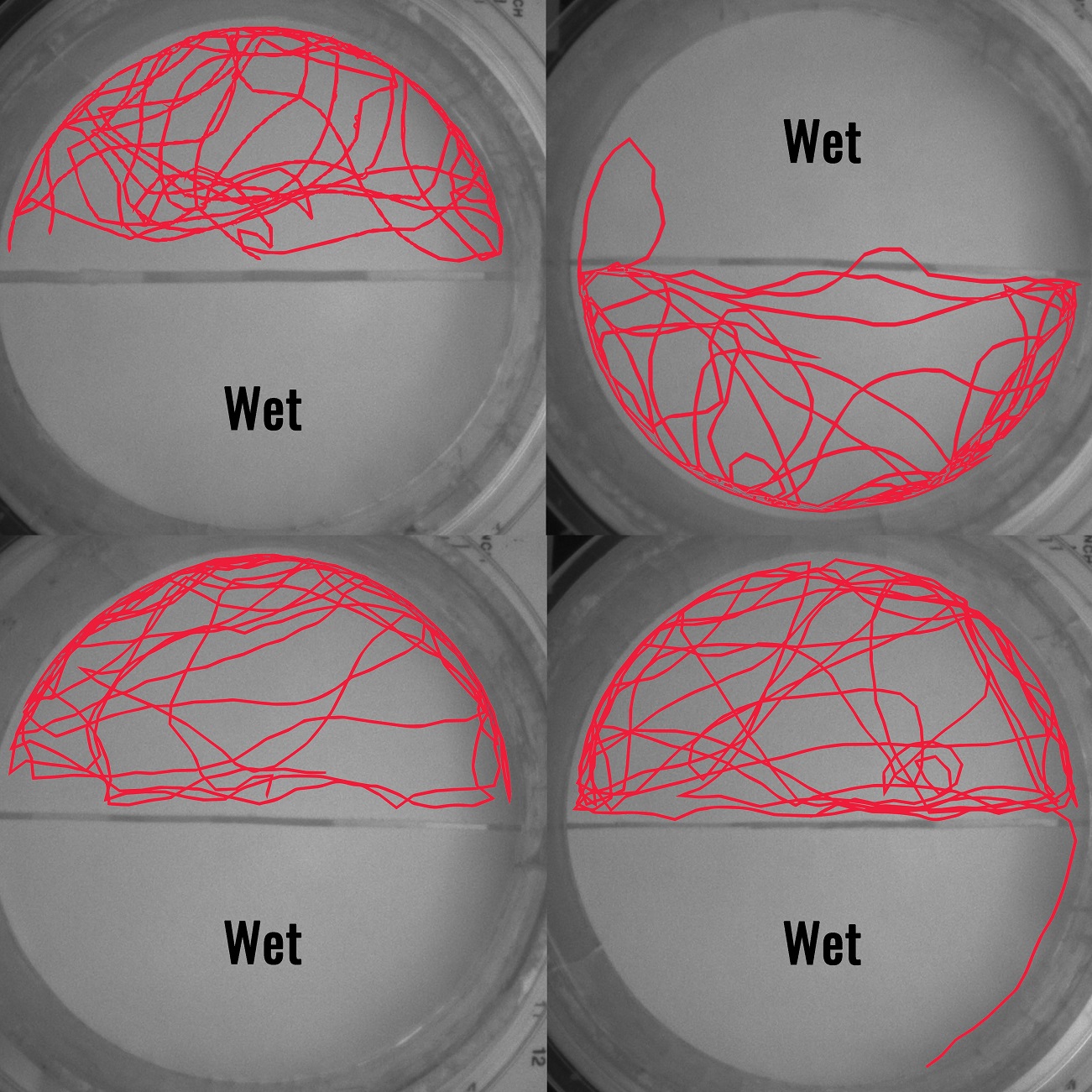
Movement traces of bed bugs in the experiment, recorded using an infrared camera under infrared illumination. It is clear the insects avoid the wet surfaces. (Jorge Bustamante, Jr. /Dong-Hwan Choe/ UCR)
image source: news.ucr.edu
A study published in the Journal of Ethology observed that bed bugs consistently avoid wet surfaces. Researchers found that the insects’ flat bodies and tiny respiratory openings, called spiracles, make them highly susceptible to becoming trapped in water. When bed bugs encounter moisture, they instinctively flee, with younger bugs reacting faster and more decisively than older ones. These findings were discovered serendipitously when leaked blood in a laboratory vial wetted the surface, causing the bugs to avoid it entirely.
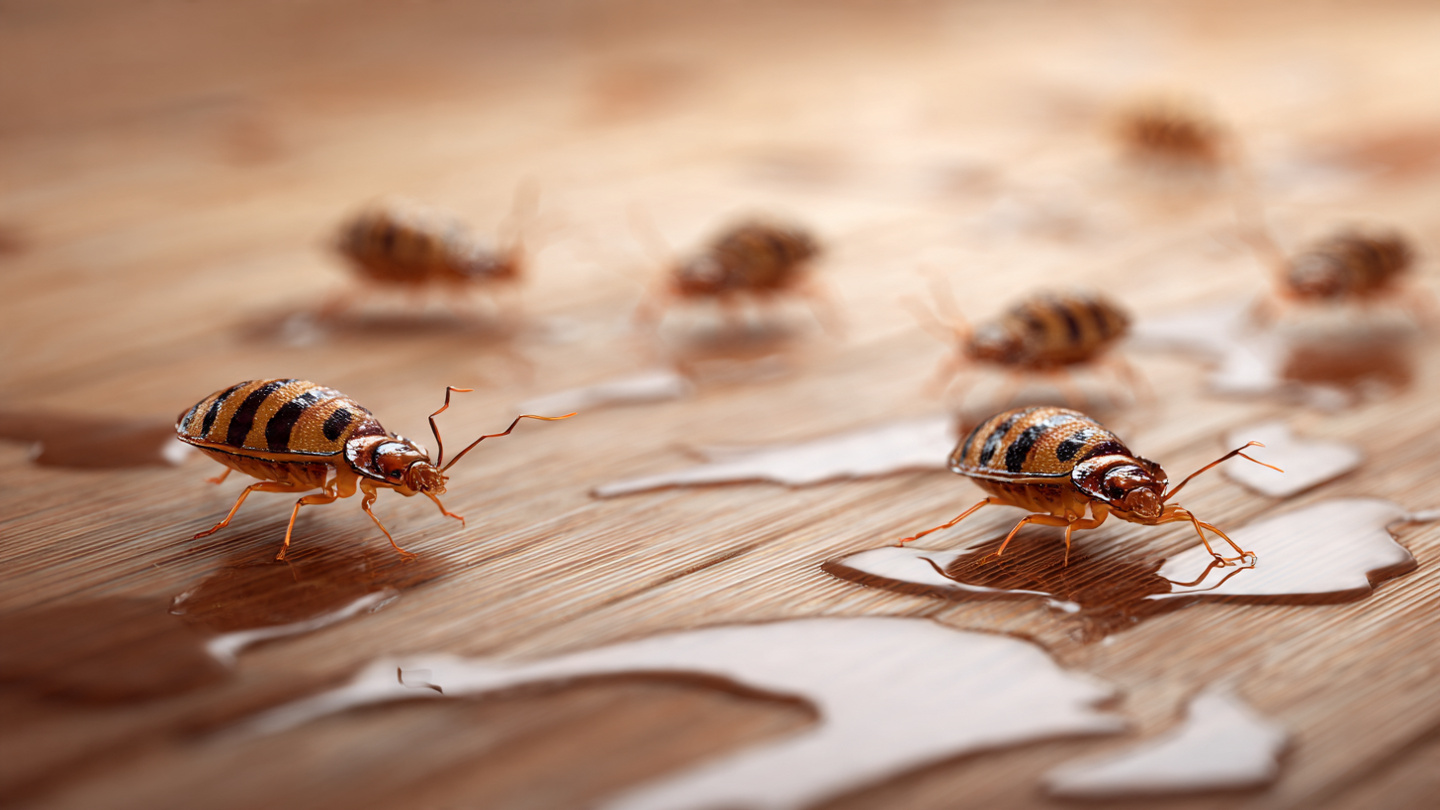
This aversion to moisture has practical implications. While water-based insecticide sprays may seem effective, bed bugs may actively move away from wet areas rather than being eliminated instantly, potentially spreading to untreated parts of a home. Therefore, pest control strategies should consider bed bugs’ sensitivity to water to maximize effectiveness. For personal protection, simple hygiene measures, such as bathing regularly, can prevent bed bugs from latching onto your skin, although additional steps are necessary to tackle infestations on furniture or bedding.
advertisement
Interestingly, the research also highlighted differences in bed bug behavior based on age and size. Younger, smaller insects make quicker U-turns upon encountering wet surfaces, indicating heightened sensitivity. This behavioral insight provides new avenues for developing both preventive and reactive treatments, potentially enhancing the efficiency of pest management products while minimizing chemical use.
In conclusion, while bed bugs remain a persistent problem, understanding their unique aversion to moisture offers hope. This insight empowers homeowners and pest control professionals to apply smarter, targeted strategies—whether through innovative insecticide delivery or simple hygiene practices. By combining knowledge with proactive measures, it’s possible to outsmart these elusive pests and reclaim comfort and safety in your living space.
Key Points Summary
Bed bugs avoid wet surfaces and moisture.
Younger bed bugs react faster to water than older ones.
Bathing and hygiene can prevent bed bugs from feeding on humans.
Water-based insecticides may cause bed bugs to disperse if not lethal.
Research opens new possibilities for smarter pest control strategies.
advertisement
Frequently Asked Questions (FAQ)
Q1: Can water alone kill bed bugs?
A1: Water does not kill bed bugs but prevents them from moving through wet surfaces. Combining moisture awareness with pest control methods is most effective.
Q2: Are younger bed bugs more sensitive to water than adults?
A2: Yes. Studies show smaller, younger bed bugs react faster to wet surfaces than older insects.
Q3: Can bathing prevent bed bugs from biting?
A3: Bathing can help remove bed bugs from the body and prevent feeding but won’t address infestations in your home.
Q4: Will water-based insecticides work better than dry ones?
A4: Not necessarily. Bed bugs may avoid wet areas if the insecticide doesn’t kill them immediately, potentially dispersing to other locations.
Q5: What’s the best approach to treat bed bug infestations?
A5: Use a combination of hygiene, targeted insecticides, and professional pest control. Knowledge of bed bugs’ water aversion can enhance treatment effectiveness.
Sources
- University of California, Riverside – Study on bed bugs’ aversion to water
https://news.ucr.edu/articles/2026/02/19/water-bed-bugs-kryptonite - Journal of Ethology – Original research publication
https://link.springer.com/article/10.1007/s10164-025-00880-6
Thank you !