
Maximize Your Car Engine’s Life: Essential Maintenance Tips for Peak Performance and Fuel Efficiency
Key Points:
Regular oil changes and engine cleaning are vital for longevity and performance.
Using quality fuel and maintaining tire pressure boosts fuel economy and prevents damage.
Timely inspections and diagnostics catch issues early, saving money and enhancing safety.
advertisement
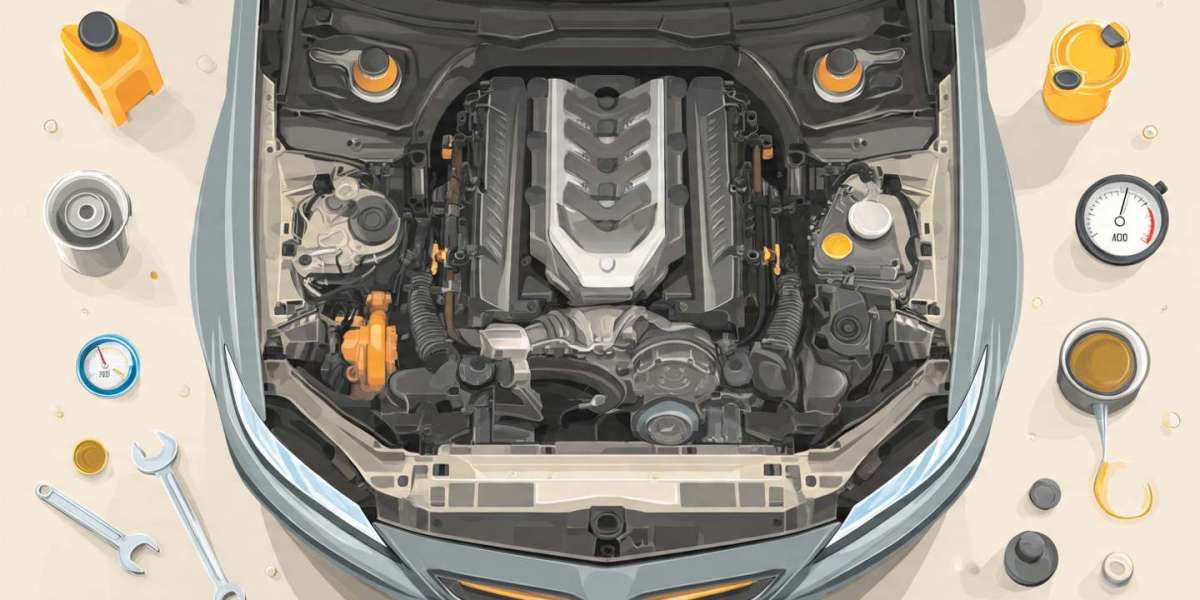
Your car’s engine is the heart of your vehicle, and like any vital organ, it requires care and attention to stay healthy. Proper car engine maintenance not only ensures your vehicle runs smoothly but also improves fuel efficiency, prevents costly repairs, and extends the life of your engine.
Maintaining your engine involves several key practices, from regular oil changes to fuel quality choices and even how you drive. Experts agree that consistent, simple steps can keep your engine running optimally for years to come.
Essential Engine Maintenance Practices for Longevity and Efficiency
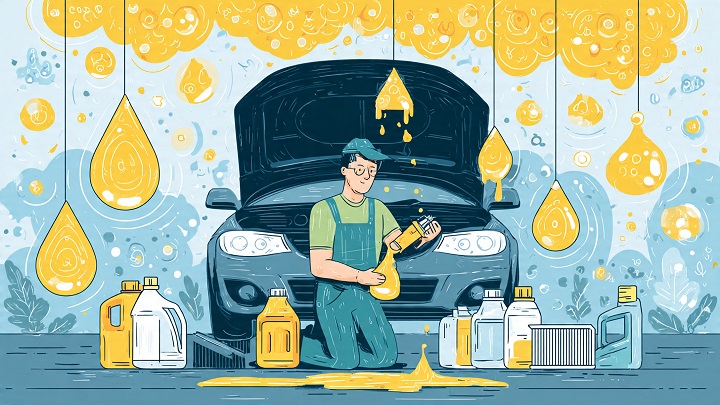
Regular oil changes are fundamental to your engine’s health. Engine oil lubricates moving parts and prevents overheating, but over time, it degrades and loses effectiveness. While traditional advice suggests changing oil every 3,000 to 5,000 miles, many manufacturers now recommend intervals up to 10,000 miles depending on oil type and driving conditions. For city driving with frequent stops, more frequent changes may be beneficial (Yards and Parts, 2026; KBB, 2026).
Keeping the engine clean is often overlooked but crucial. Dust and grime accumulation can hinder performance. Monthly visual checks and cleaning, especially of the air filter—which blocks dirt from entering your engine—are easy yet effective steps to maintain efficiency (Yards and Parts, 2026).
Coolant is the unsung hero preventing your engine from overheating. It circulates heat away from the engine, and if neglected, can cause serious damage. Flushing and replacing coolant every 30,000 miles or two years is widely recommended to keep your cooling system in top shape (Yards and Parts, 2026).
Fuel quality significantly impacts engine performance and longevity. Using cheap, low-grade fuel may save money upfront but can damage engine components and reduce fuel efficiency. Experts advise buying fuel from reputable stations with high detergent content fuels to keep engines cleaner and operating efficiently (Yards and Parts, 2026; KBB, 2026).
advertisement
Fuel-Economy Tips Beyond Maintenance
Fuel economy is not only about maintenance but also driving habits and vehicle setup. Avoid rapid acceleration and hard braking to reduce fuel consumption. Driving smoothly and using the highest gear possible (for manual transmissions) keeps engine RPMs low, saving fuel (KBB, 2026).
Regularly checking tire pressure is another simple yet effective way to boost mileage. Underinflated tires increase rolling resistance, making your engine work harder. Checking pressures monthly, ideally on cold tires, aligns with manufacturer specifications and improves efficiency (KBB, 2026).
Removing unnecessary roof gear such as racks and bike carriers reduces aerodynamic drag, improving fuel economy, especially at highway speeds. Using air conditioning strategically—reducing its use on mild days—also helps trim fuel consumption without compromising comfort (KBB, 2026).
When to Troubleshoot or Replace Engine Components

Common engine problems like overheating, strange noises, or poor performance should never be ignored. Overheating can be caused by low coolant, radiator issues, or thermostat failures. Strange noises often signal internal wear and must be inspected promptly to avoid major repairs (Yards and Parts, 2026).
If your engine has high mileage (over 200,000 miles) or suffers major damage like a cracked block, replacement might be more economical than repair. Older vehicles may also face difficulty sourcing parts, making engine swaps or remanufactured engines practical solutions (Yards and Parts, 2026).
advertisement
The Value of Professional Engine Diagnostics

Modern vehicles have onboard computers that monitor engine performance. Regular engine diagnostics catch sensor failures, worn parts, and system inefficiencies early, preventing costly breakdowns and optimizing fuel efficiency. Diagnostic reports also enhance resale value by providing buyers proof of proper maintenance (Yards and Parts, 2026).
Conclusion

Your car’s engine is a complex but remarkably durable system when cared for properly. Simple, consistent maintenance habits—like timely oil and coolant changes, quality fuel use, tire pressure checks, and smooth driving—can profoundly impact your engine’s lifespan and your vehicle’s fuel economy.
Don’t wait for warning lights or strange noises to prompt action. Regular inspections and diagnostics are investments in your car’s future, offering peace of mind and financial savings.
Embrace engine maintenance as a rewarding routine, and your car will thank you with years of dependable, efficient performance.
Key Points Summary:
Change oil regularly for lubrication and engine protection.
Use high-quality fuel to prevent damage and improve mileage.
Maintain tire pressure and remove extra roof gear to boost fuel economy.
Monitor coolant and engine temperature to avoid overheating.
Conduct regular diagnostics to catch problems early and increase safety.
advertisement
Frequently Asked Questions (FAQ):
Q: How often should I change my engine oil?
A: Typically every 3,000 to 10,000 miles depending on your vehicle and oil type; check your owner’s manual for specifics.
Q: Does fuel quality really affect engine life?
A: Yes, low-quality fuel can damage engine components and reduce efficiency, so always choose reputable gas stations.
Q: Can I clean my engine myself?
A: Yes, basic cleaning and air filter replacement can be done by most car owners to improve performance.
Q: When should I consider replacing my engine?
A: If your engine has high mileage (over 200,000 miles), suffers major damage, or parts are hard to find, replacement might be more cost-effective.
Q: How does driving style impact fuel economy?
A: Smooth acceleration and braking, along with maintaining steady speeds, significantly improve fuel efficiency and reduce wear.
Sources
- Yards and Parts – Comprehensive guide on engine maintenance, problems, and parts replacement
https://yardsandparts.us/blog/engine-maintenance-extending-life-of-car/ - KBB (Kelley Blue Book) – Practical maintenance checks for improving fuel economy
https://www.kbb.com/car-advice/maintenance-checks-that-can-boost-mpg/
Thank you !