
article image source: Reuters.com (Link)
Epic Sahara Desert Expedition Leads to Major Dinosaur Discovery
New dinosaur species discovered deep in the Sahara Desert - ABC News
Key Points:
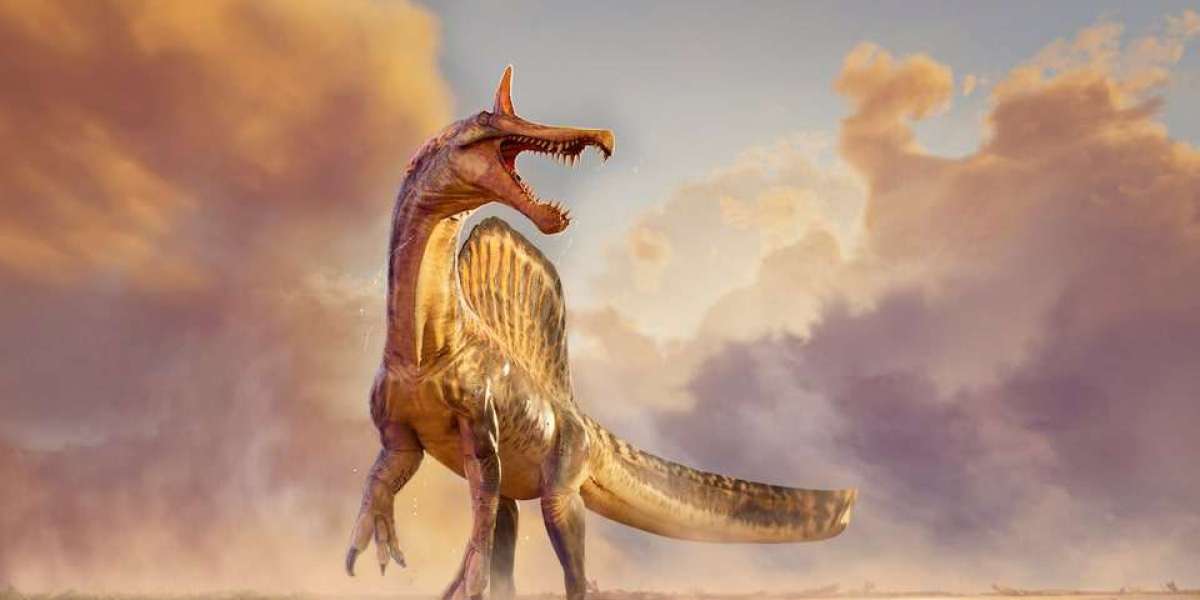
Fossils of the giant fish-eating dinosaur Spinosaurus mirabilis unearthed in Niger.
Remote Jenguebi site offers over 100 fossil localities in under two weeks.
Adventure highlights the harsh yet breathtaking landscapes of the Sahara Desert.
advertisement
A Sahara Desert Odyssey Unearths Prehistoric Giants
In the heart of the Sahara Desert, a daring scientific expedition has unveiled a spectacular discovery: fossils of Spinosaurus mirabilis, one of the largest meat-eating dinosaurs ever to roam Earth. The team, led by University of Chicago paleontologist Paul Sereno, ventured deep into northern Niger to reach the remote site of Jenguebi, a place so isolated that the nearest settlement, Sirig Taghat, fittingly translates in Tamasheq as “no water, no goat.”
The journey was grueling—a three-day trek through sand dunes and barren terrain with a convoy carrying water, equipment, and supplies. Yet the hardships quickly faded once the researchers began uncovering fossilized remnants of Spinosaurus mirabilis and other dinosaur species dating back approximately 95 million years.
“The heart of the Sahara is the most barren, unforgiving, yet beautiful part of the desert,” Sereno reflected, emphasizing the unique blend of adventure and scientific reward in this exploration.
A Treasure Trove of Fossils
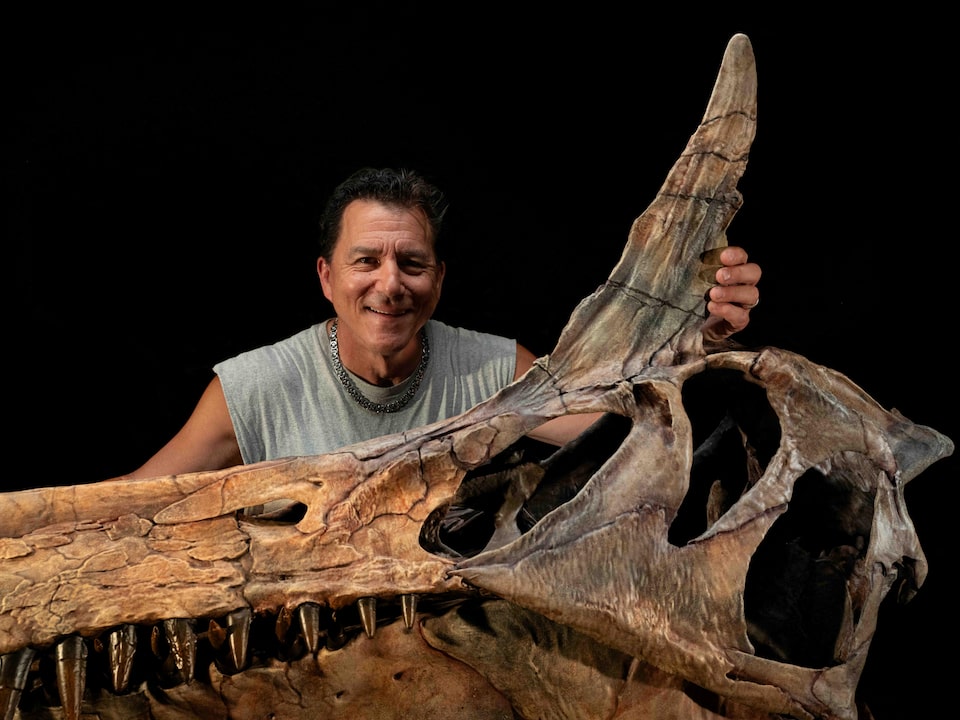
Paleontologist Paul Sereno poses in his Fossil Lab at the University of Chicago with a reconstructed skull of the dinosaur Spinosaurus mirabilis. The photograph was released by the University of Chicago on February 19, 2026.
Keith Ladzinski/Handout via REUTERS. NO RESALES. NO ARCHIVES. THIS IMAGE HAS BEEN SUPPLIED BY A THIRD PARTY
image source: Reuters.com
The Jenguebi region, previously visited only briefly in the 1950s by a French geologist, had lain untouched for more than seven decades. Paleontologist Daniel Vidal described the area as a “Spinosaur archipelago,” where thin, soft sandstone outcrops rise like islands amid vast dunes. In just under two weeks, researchers identified over a hundred fossil localities, revealing an astonishing richness in prehistoric life.
The fossils provide new insights into Spinosaurus mirabilis, a remarkable fish-eating predator that has fascinated scientists since its initial discovery. Vidal noted that the area’s remoteness and sparse vegetation preserved these treasures, allowing paleontologists to study one of the planet’s most iconic predators in unprecedented detail.
Challenges and Triumphs
Reaching Jenguebi tested the team’s endurance. With no roads, few inhabitants, and only a single operational well nearby, the expedition demanded meticulous planning and resilience. Vehicles frequently got stuck in sand dunes, yet the scientists persevered, driven by curiosity and the prospect of uncovering a piece of Earth’s deep past.
The discovery underscores the importance of revisiting historically documented but overlooked sites. A single mention of a fossil tooth from the 1950s sparked a journey that now reshapes our understanding of prehistoric ecosystems in the Sahara.
Conclusion: Unearthing History in the Desert
The Sahara Desert, often seen as an endless sea of sand, has revealed that its barren expanse conceals secrets of Earth’s ancient giants. The Spinosaurus mirabilis fossils highlight not only the richness of prehistoric life in northern Africa but also the perseverance and dedication required in scientific discovery. Expeditions like this remind us that even the harshest landscapes can yield extraordinary treasures, inspiring future generations of explorers and paleontologists to seek knowledge in the world’s most remote corners.
Key Points Summary
Spinosaurus mirabilis fossils discovered in Jenguebi, northern Niger.
Site remained unexplored for over 70 years since a 1950s report.
Expedition faced extreme desert conditions, including sand dunes and scarce water.
Over 100 fossil localities documented in less than two weeks.
Findings provide new insights into one of the largest prehistoric predators.
advertisement
Frequently Asked Questions (FAQ)
Q: Where was the Spinosaurus mirabilis discovered?
A: In Jenguebi, a remote site in northern Niger’s Sahara Desert.
Q: How old are the fossils?
A: The fossils date back approximately 95 million years.
Q: What makes Spinosaurus mirabilis special?
A: It was one of the largest meat-eating dinosaurs and primarily fish-eating, with a unique body adapted to both land and water.
Q: How difficult was the expedition?
A: Extremely challenging, involving a three-day off-road journey across sand dunes and barren terrain with scarce water sources.
Q: How many fossil sites were found?
A: Researchers documented more than 100 fossil localities in under two weeks of fieldwork.
Sources
Reuters – Detailed account of the Sahara expedition and discovery of Spinosaurus mirabilis in northern Niger
https://www.reuters.com/science/sahara-desert-odyssey-yields-major-dinosaur-discovery-2026-02-19/
Thank you !