
Nuclear Weapons, Climate Change, and the Environment: How Twin Existential Threats Endanger Life on Earth
• Nuclear war could trigger global climate collapse and mass starvation
• Climate change increases the risk of conflict among nuclear-armed states
• Ending nuclear weapons and fossil fuel dependence is vital for planetary survival
advertisement
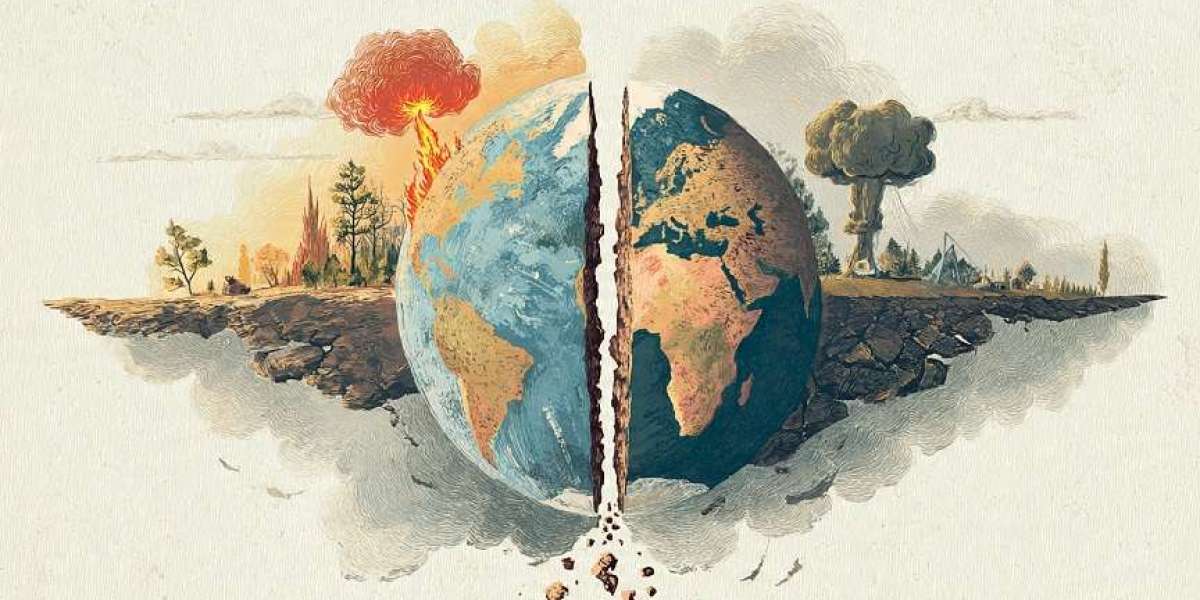
Nuclear weapons and climate change are often discussed as separate global threats, yet scientific research and policy analysis increasingly show that they are deeply interconnected. Both are human-made crises with the power to destabilize the global climate, devastate ecosystems, undermine public health, and threaten the survival of civilization. Understanding how nuclear weapons, climate change, and environmental destruction interact is essential for informed public debate and urgent global action.
Twin Existential Threats to Humanity
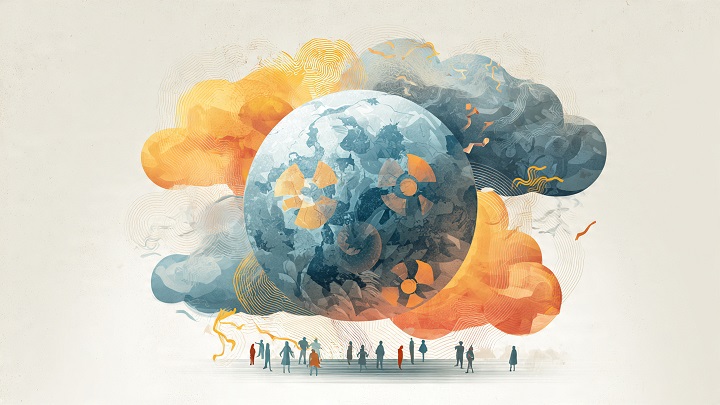
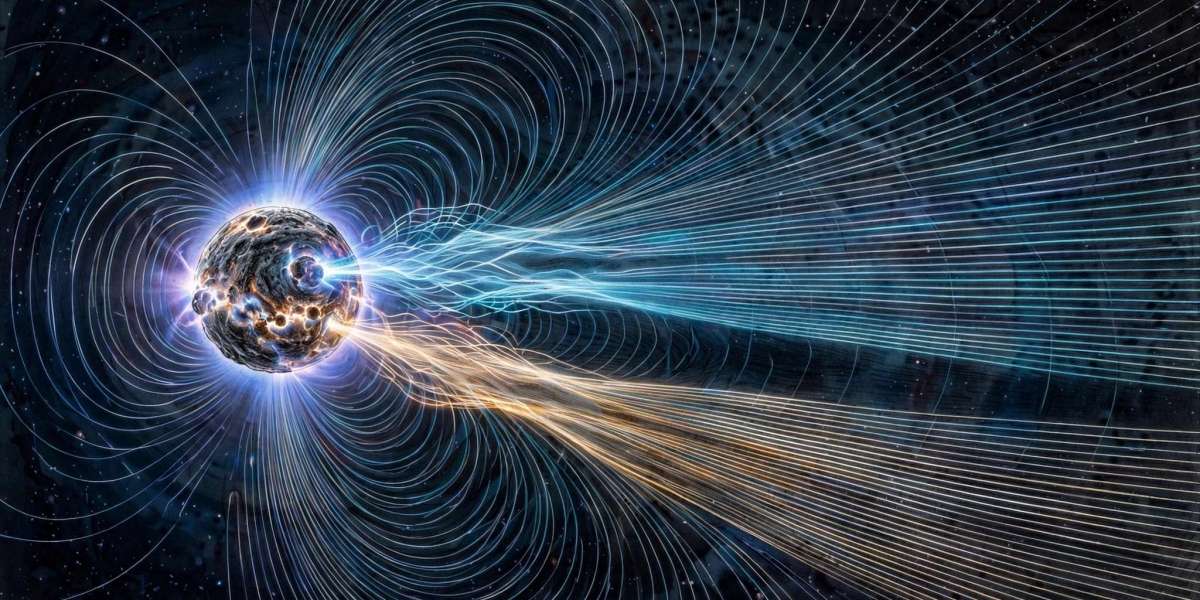
According to the International Physicians for the Prevention of Nuclear War (IPPNW), the accelerating climate crisis and the growing risk of nuclear war are the two greatest man-made dangers facing humanity. Climate change is already causing extreme weather, food insecurity, disease spread, and mental health crises. Nuclear weapons, meanwhile, represent a climate catastrophe waiting to happen. Cold War research showed that large-scale nuclear war could trigger “nuclear winter,” but modern studies reveal that even a limited nuclear exchange—such as a regional conflict—could inject massive amounts of soot into the atmosphere, sharply reducing sunlight and global temperatures.
Nuclear War and Climate Collapse
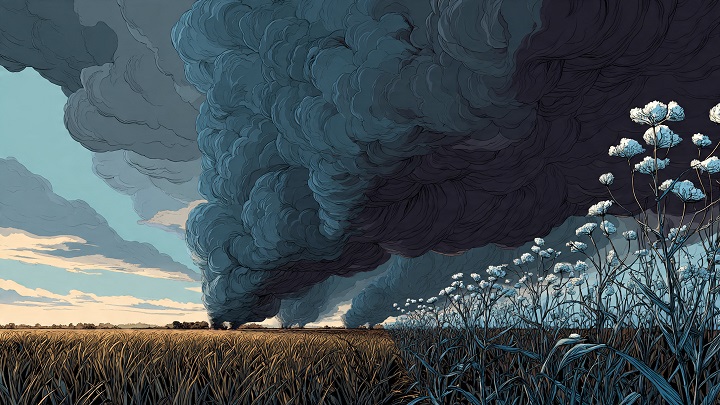
Scientific modeling summarized by IPPNW and the International Campaign to Abolish Nuclear Weapons (ICAN) shows that the detonation of as few as 100 Hiroshima-sized nuclear weapons could release around five billion kilograms of soot into the stratosphere. This would block sunlight, reduce rainfall, shorten growing seasons, and dramatically cut global food production. Crop yields, fisheries, and livestock production would collapse worldwide. Researchers warn that such disruption could place more than two billion people at risk of famine, demonstrating that no nuclear war can ever be limited in its consequences.
Environmental Destruction Beyond Humanity

The environmental impact of nuclear war would extend far beyond human suffering. ICAN emphasizes that ecosystems, wildlife, and plant life would be severely damaged by abrupt climate shifts, reduced sunlight, and falling temperatures. Nuclear winter would not reverse global warming but could worsen certain effects, including ocean acidification and ozone layer damage. Entire ecosystems could fail, threatening biodiversity on a planetary scale and causing long-term ecological instability.
Climate Change as a Threat Multiplier
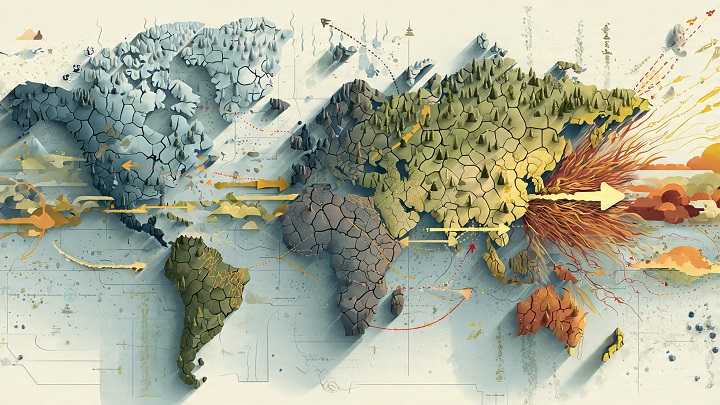
Climate change itself increases the risk of nuclear conflict. As outlined by IPPNW and Waging Peace, rising temperatures, sea-level rise, extreme weather, and resource scarcity intensify social and political instability. Competition over land, water, and food can fuel migration, unrest, and war, including among nuclear-armed states. Political collapse and weakened governance raise the danger of nuclear weapons being used deliberately or accidentally in already tense regions.
The Environmental Cost of Nuclear Weapons Systems
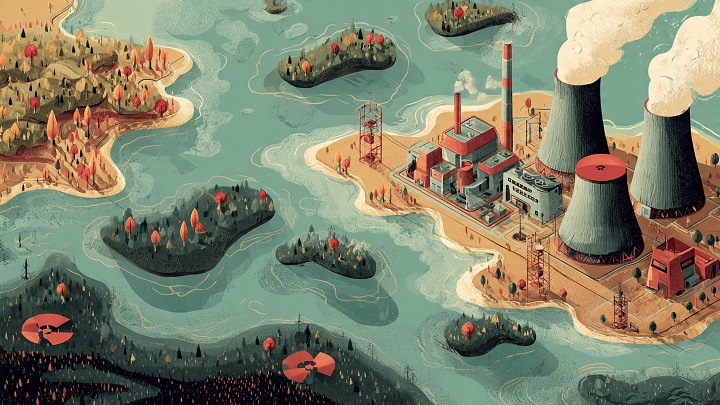
The harm caused by nuclear weapons begins long before any detonation. Their production, testing, and maintenance generate greenhouse gas emissions, deforestation, radioactive contamination, and long-term ecological damage. Some nuclear testing sites remain uninhabitable decades later. Rising sea levels and extreme weather linked to climate change also increase the risk of radioactive contamination from existing nuclear facilities and waste storage sites.
Wasted Resources and Global Instability

Waging Peace reports that nuclear-armed states have spent over $400 billion since 2020 on nuclear weapons and delivery systems. These vast financial and human resources could instead be directed toward climate mitigation, adaptation, environmental protection, and public health. The continued reliance on nuclear deterrence undermines international cooperation at a time when global collaboration is essential to address climate change.
Nuclear Power: A Contested Solution
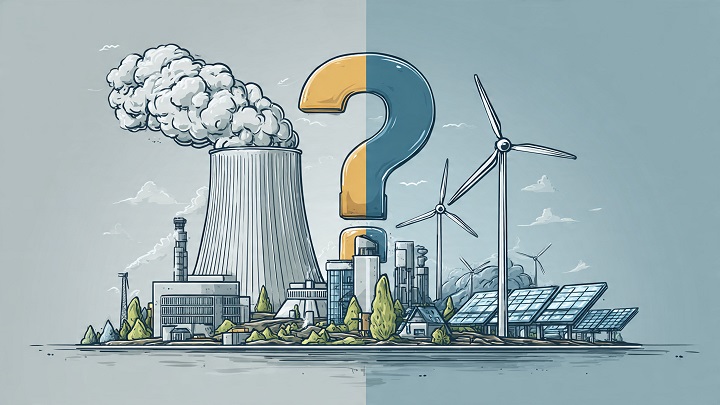
There is disagreement among organizations regarding nuclear power. IPPNW and Waging Peace argue that nuclear energy is not a safe or sustainable solution to the climate crisis, citing high costs, slow deployment, radioactive waste risks, and its link to nuclear weapons proliferation through enriched uranium and plutonium byproducts. While some policymakers promote nuclear energy as low-carbon, these groups warn that its environmental and security risks outweigh its benefits and perpetuate the infrastructure needed for nuclear weapons.
Conclusion: Choosing Survival Over Destruction

The evidence is clear: nuclear weapons, climate change, and environmental degradation form a dangerous feedback loop that threatens life on Earth. Climate change increases the risk of conflict, nuclear war would crash the global climate and food systems, and the continued existence of nuclear arsenals undermines the cooperation needed to address shared planetary challenges. Ending our dependence on fossil fuels and eliminating nuclear weapons are not separate struggles—they are part of the same fight for human and planetary survival. A safer, healthier future depends on political will, global cooperation, and an informed public demanding urgent action.
Key Points Summary
Even a limited nuclear war could trigger global climate collapse and famine
Climate change increases instability and the risk of nuclear conflict
Nuclear weapons production causes long-term environmental damage
Resources spent on nuclear arsenals undermine climate action
Disarmament and climate solutions must advance together
advertisement
Frequently Asked Questions (FAQ)
Can a small nuclear war really affect the global climate?
Yes. Scientific studies show that a regional nuclear conflict could inject enough soot into the atmosphere to cool the planet and disrupt global food production.
Would nuclear winter stop global warming?
No. Nuclear winter would not reverse climate change and could worsen problems like ocean acidification and ozone depletion.
How does climate change increase nuclear risk?
Climate-driven resource scarcity, migration, and political instability raise the likelihood of conflict and accidental or deliberate nuclear weapon use.
Is nuclear power a solution to climate change?
Some argue it is low-carbon, but organizations like IPPNW and Waging Peace highlight its environmental risks, costs, waste issues, and connection to nuclear weapons proliferation.
Sources
- International Physicians for the Prevention of Nuclear War (IPPNW) – Health, climate, and nuclear risk analysis
https://www.ippnw.org/climate-and-nuclear-weapons - International Campaign to Abolish Nuclear Weapons (ICAN) – Environmental consequences of nuclear war
https://www.icanw.org/what_would_nuclear_war_do_to_our_natural_environment - Waging Peace – Nuclear weapons, climate change, and environmental impacts
https://www.wagingpeace.org/learn-more/nuclear-weapons-and-environment/
Thank you !