
(What will be mentioned in this article is for advice and is not a substitute for consulting a doctor)
Iodine: Benefits, Deficiency Risks, Top Food Sources & Safe Daily Intake for Thyroid Health
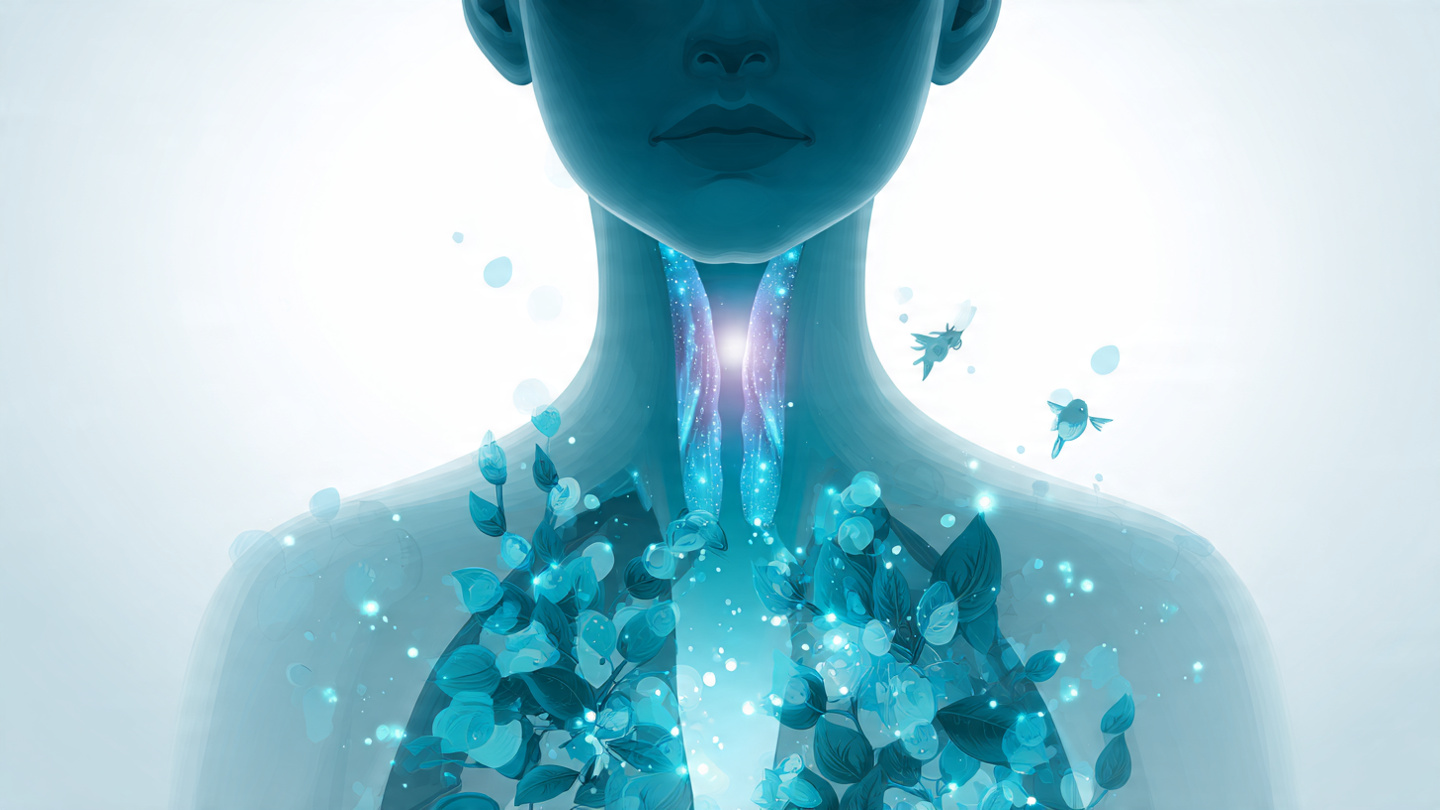
• Iodine is essential for thyroid hormones that control metabolism and brain development.
• Both deficiency and excess iodine can harm thyroid function.
• Pregnant women, children, and people with restricted diets are at highest risk.
advertisement
Iodine is a trace mineral with a massive impact on human health.
It is required for the production of thyroid hormones — thyroxine (T4) and triiodothyronine (T3) — which regulate metabolism, growth, energy balance, and neurological development.
Because the body cannot produce iodine on its own, it must come from food or supplements.
While salt iodization programs have dramatically reduced global deficiency, iodine imbalance — both too little and too much — remains a modern health concern.
What Is Iodine and Why Is It So Important?
Inside the body, iodine is absorbed as iodide and concentrated in the thyroid gland, where about 70–80% of total body iodine is stored.
According to data cited by News-Medical, thyroid hormone production depends on iodine transport into thyroid cells via the sodium–iodide symporter and incorporation into tyrosine to form T3 and T4.
When iodine intake drops, thyroid-stimulating hormone (TSH) rises, causing the gland to enlarge — a condition known as goiter.
Researchers interviewed by Brown University Health explain that while the thyroid can compensate temporarily, chronic deficiency reduces hormone production and may impair metabolism, growth, and cognitive function.
In severe cases, prolonged untreated deficiency can even lead to coma.
Global Iodine Deficiency: A Resurfacing Problem
According to News-Medical, more than 1.8 billion people worldwide have been affected by iodine deficiency, although iodized salt programs have doubled the number of iodine-sufficient countries since 2003.
The World Health Organization estimates that 88% of the global population uses iodized salt, yet mild-to-moderate deficiency persists in at least 21 countries.
Brown University Health reports that physicians are seeing a resurgence of iodine deficiency even in developed regions, partly due to:
Increased use of non-iodized salts (Himalayan, kosher, sea salt)
Reduced dairy consumption
Vegan or highly restricted diets
Public confusion about salt and blood pressure
Lack of mandatory iodization policies in some countries
Historically, before salt iodization in the 1920s, areas around the Great Lakes and Appalachian regions were known as “goiter belts,” where thyroid enlargement was common.
advertisement
Best Natural Food Sources of Iodine
Iodine levels in food vary depending on soil, farming practices, and geography.
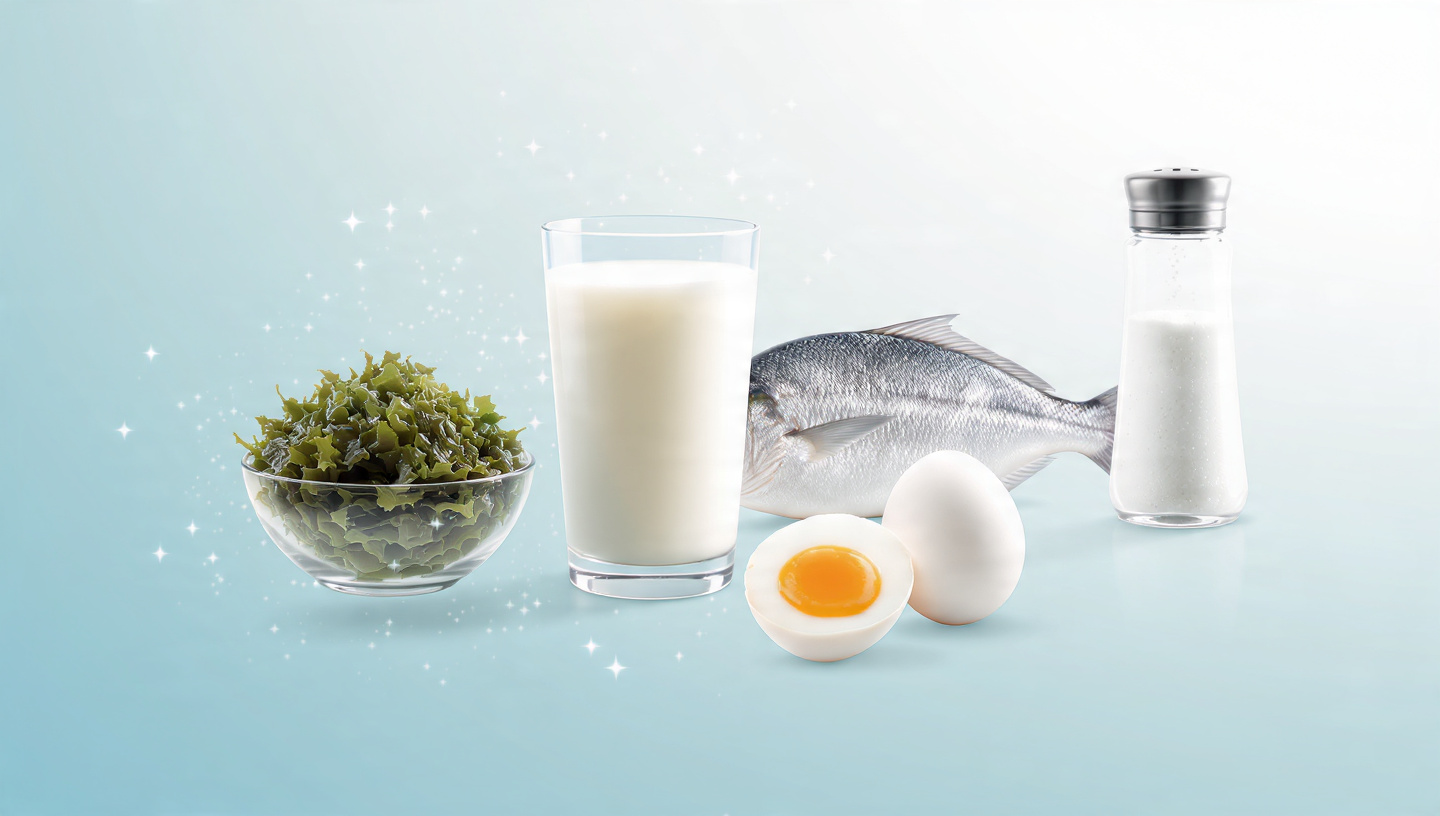
Marine foods are the richest natural sources.
Seaweeds such as Saccharina japonica (kelp/sea tangle) and Undaria pinnatifida (wakame) can contain extremely high iodine concentrations — sometimes thousands of milligrams per kilogram dry weight.
However, News-Medical highlights safety concerns in frequent consumers due to potential excess intake.
Dairy and eggs are major contributors in many Western diets.
A 2024 meta-analysis cited by News-Medical found milk iodine levels ranging from 5.5 to 49.9 µg per 100 g, with:
Higher iodine in conventional milk vs. organic
Higher winter levels vs. summer
Lower levels in grass-fed milk
The Ohio State University Wexner Medical Center explains that iodine in milk partly comes from cow feed and iodine-based disinfectants used in dairy production.
Seafood and iodized salt remain reliable global sources.
In contrast, fruits, vegetables, and inland crops often contain very little iodine unless soil levels are high.
Recommended Daily Intake
There is slight variation in intake recommendations across sources.
According to The Ohio State University Wexner Medical Center, adults generally need 150 micrograms (mcg) per day, and toxicity is considered above 500 mcg daily.
However, News-Medical reports that the Tolerable Upper Intake Level (UL) established by health authorities is 1,100 mcg per day for adults.
During pregnancy and breastfeeding, needs increase significantly.
News-Medical cites 220 mcg/day in pregnancy and 290 mcg/day during lactation.
Meanwhile, Ohio State references American Thyroid Association guidelines recommending an additional 150 mcg supplement during pregnancy, typically included in prenatal vitamins.
These differences reflect varying guideline interpretations but consistently emphasize increased requirements during pregnancy.
advertisement
Iodine and Pregnancy: Protecting Brain Development
Iodine plays a critical role in fetal brain development.
A fetus does not produce its own thyroid hormone until around 18 weeks of gestation, relying on maternal supply early in pregnancy.
News-Medical notes that even mild iodine deficiency during pregnancy is associated with lower offspring IQ, with studies suggesting children in iodine-deficient areas may score 8–13 IQ points lower.
Ohio State also highlights research linking mild deficiency in pregnancy to cognitive delays and possible behavioral concerns such as ADHD.
This makes iodine sufficiency during pregnancy a top public health priority.
Who Is Most at Risk?
Based on all three sources, higher-risk groups include:
Pregnant and breastfeeding women
Infants and children
Vegans and vegetarians
Individuals avoiding dairy or seafood
People using non-iodized salt exclusively
Individuals with highly restricted diets (including autism-related food selectivity)
Brown University Health describes documented cases where restricted diets led to significant goiter formation, which reversed after iodine supplementation.
What Happens If You Get Too Much Iodine?
Iodine follows a U-shaped curve: both deficiency and excess can disrupt thyroid health.
News-Medical explains that excessive intake can trigger iodine-induced hypothyroidism or hyperthyroidism, especially in individuals with preexisting thyroid disease.
High-iodine seaweed consumption, iodinated contrast agents, and medications such as amiodarone are common contributors.
Ohio State suggests toxicity is relatively uncommon and typically requires intake above 500 mcg daily, though official UL guidance cited by News-Medical sets the threshold at 1,100 mcg/day.
In some immigrant populations arriving from non-iodized regions, sudden iodine exposure may temporarily trigger hyperthyroidism, as observed by endocrinologists in Ohio.
Do Most People Need an Iodine Supplement?
For most adults living in countries with iodized salt programs, supplementation is usually unnecessary.
However, individuals with limited dietary diversity may benefit from medical evaluation and possibly supplementation under supervision.
A simple urine test can assess iodine status.
Conclusion
Iodine may be needed only in micrograms, but its influence spans metabolism, growth, brain development, and lifelong thyroid health.
Public health efforts like salt iodization have transformed global health over the past century, yet modern dietary trends, plant-based eating patterns, and salt avoidance have quietly reintroduced risk.
The key is balance: enough iodine to support healthy hormone production, but not so much that it disrupts thyroid stability.
By maintaining dietary diversity, choosing iodized salt in moderation, and ensuring adequate intake during pregnancy, individuals can protect not only their own health but also the cognitive potential of future generations.
Key Points
Iodine is essential for thyroid hormone production and metabolism.
Deficiency can impair cognitive development, especially during pregnancy.
Excess intake can also cause thyroid dysfunction.
advertisement
Frequently Asked Questions (FAQ)
1. What are the symptoms of iodine deficiency?
Fatigue, weight gain, goiter, cognitive slowing, and in children, impaired growth and intellectual development.
2. Is sea salt a good source of iodine?
No. Most sea salt contains only trace amounts unless it is fortified.
3. Should vegans take iodine supplements?
Possibly. Vegans often have lower iodine intake and should discuss testing with a healthcare provider.
4. How much iodine do adults need daily?
Most guidelines recommend about 150 mcg per day.
5. Can too much iodine harm the thyroid?
Yes. Chronic excessive intake may cause hypothyroidism or hyperthyroidism.
Sources
- News-Medical – Overview of iodine health benefits, food sources, intake recommendations, and safety guidelines
https://www.news-medical.net/health/Iodine-Health-Benefits-Top-Food-Sources-and-Safety-Guidelines.aspx - Brown University Health – Q&A on resurgence of iodine deficiency and clinical observations
https://medical.brown.edu/news/2025-08-05/qa-iodine-deficiency - The Ohio State University Wexner Medical Center – Guidance on iodine supplementation and thyroid health
https://health.osu.edu/health/general-health/do-i-need-an-iodine-supplement
Thank you !