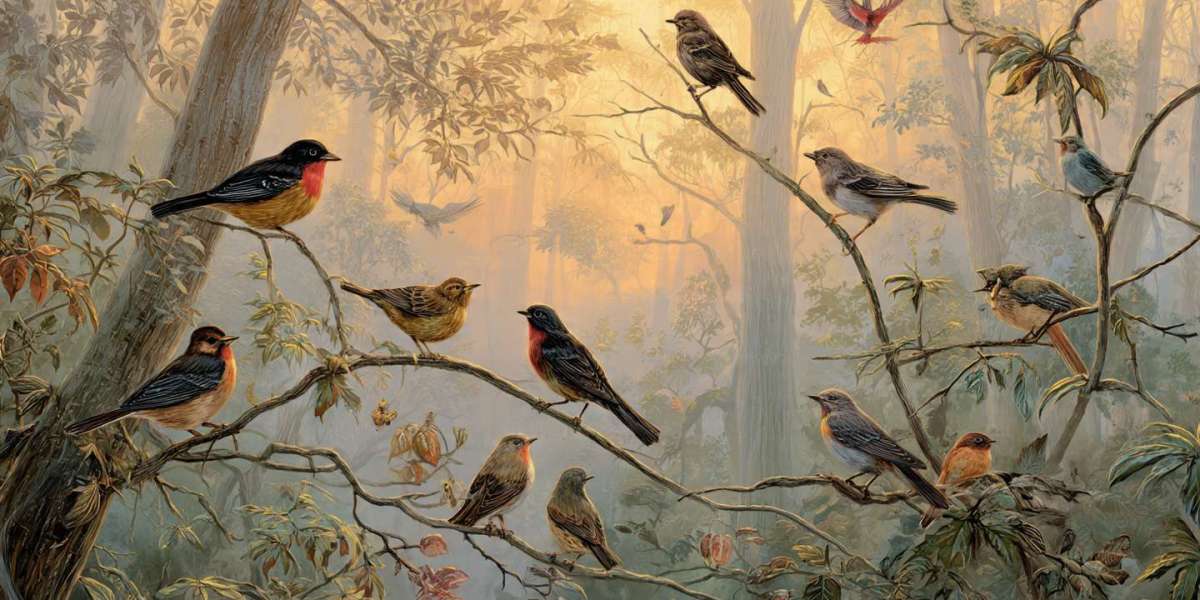

Why Birds Sing at Dawn: Unraveling the Secrets of the Dawn Chorus
Key Points:
Birds sing at dawn primarily to defend territory and communicate about food.
Early morning offers ideal conditions for sound travel and predator avoidance.
The “dawn chorus” varies by species, diet, and behavior, making it a complex phenomenon.
advertisement
Introduction
Every morning, just before the sun peeks over the horizon, the world awakens to a spectacular symphony of birdsong known as the dawn chorus. This enchanting soundscape is one of the most recognizable signs of spring, yet the reasons behind it have fascinated scientists and nature lovers alike for decades. While many have believed that birds sing at dawn because sound travels better in the morning, recent studies suggest the reality is far richer and more complex.
What is the Dawn Chorus?
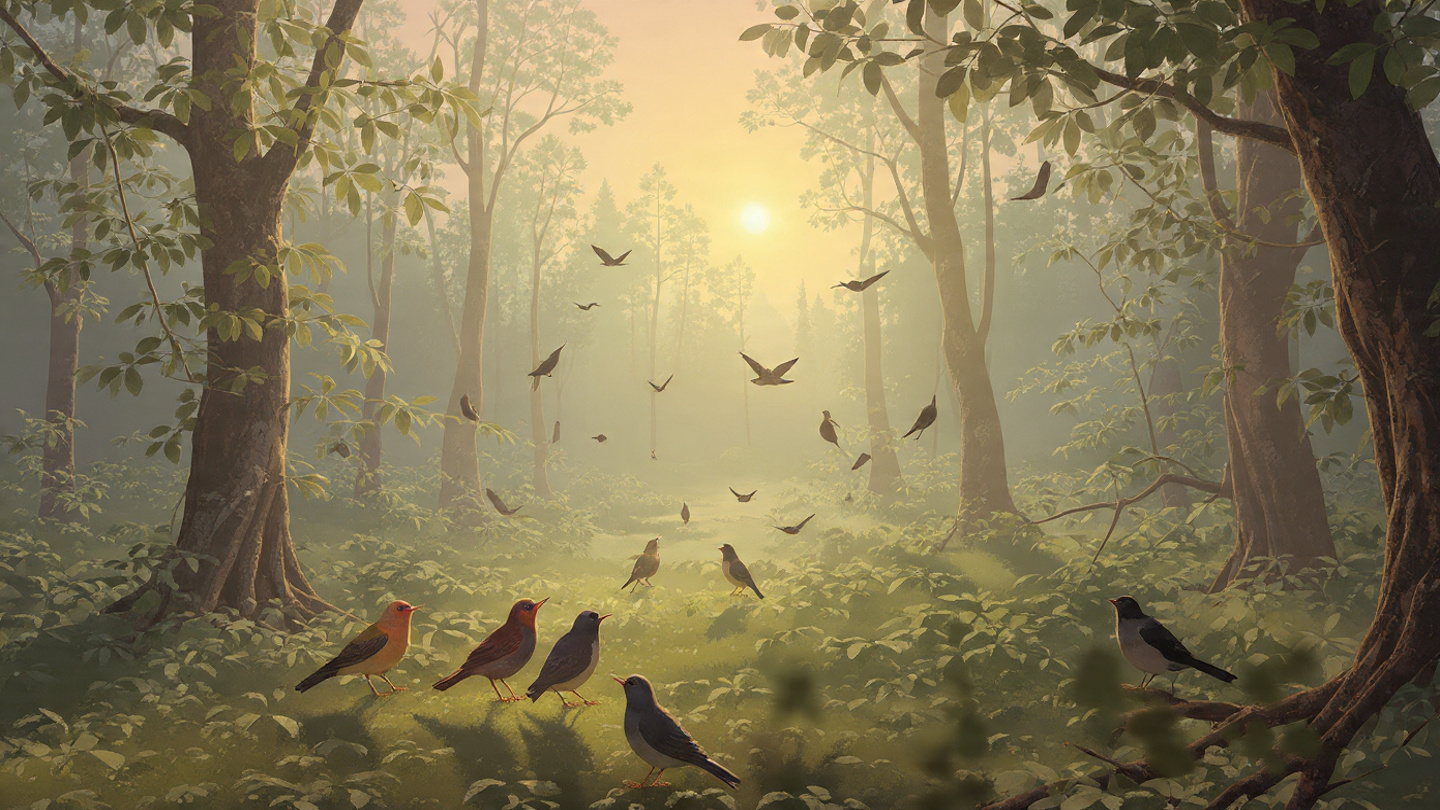
The dawn chorus is the collective singing of wild birds in the early hours of the day. It begins with a few species, such as robins, blackbirds, and thrushes, and quickly swells as other birds join in. By sunrise, the air is filled with overlapping melodies, creating a natural orchestra. This phenomenon can be heard from March to July in temperate regions, with the peak of activity occurring in May and June.
Why Birds Sing in the Morning
1. Territory and Mating Signals
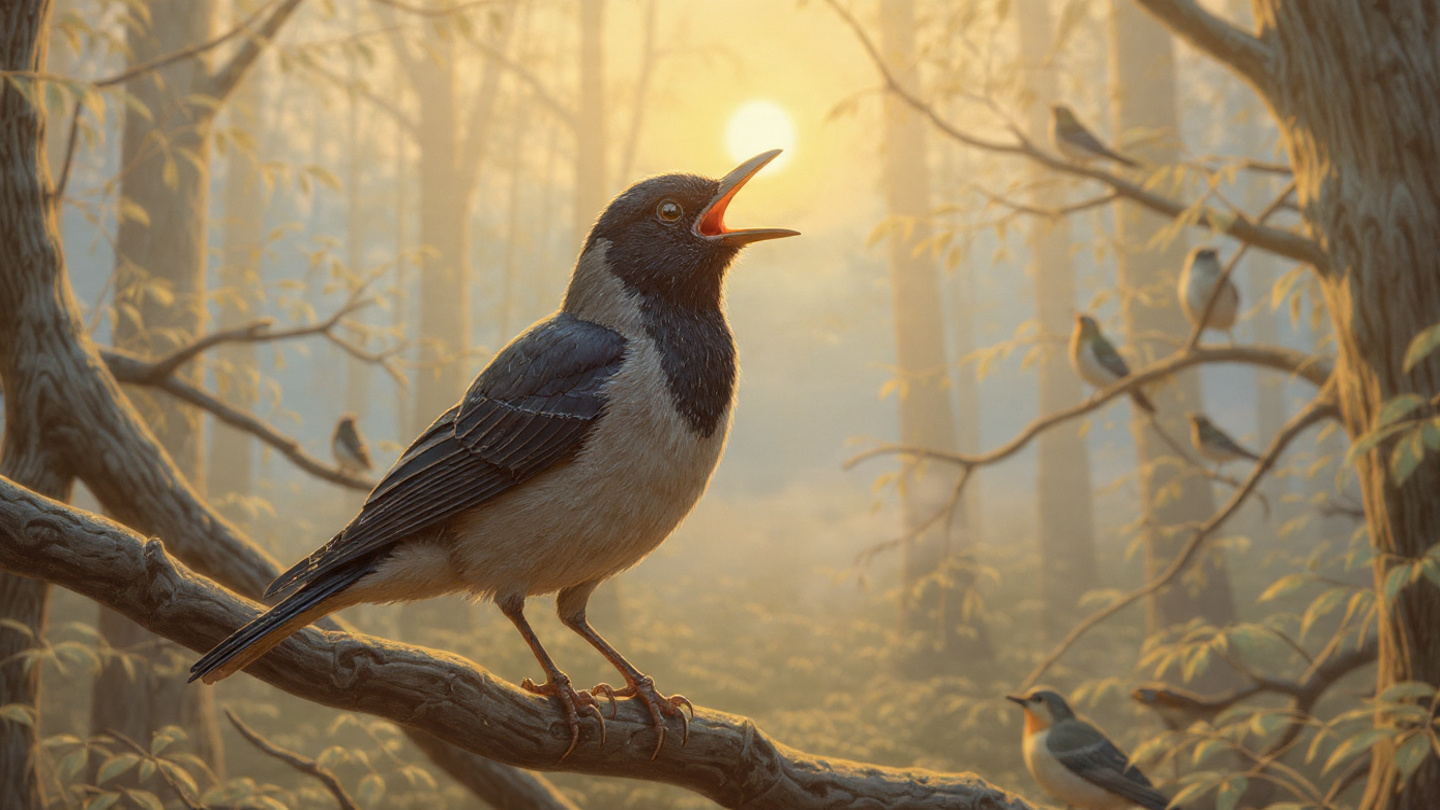
According to the Woodland Trust, male birds are the primary participants in the dawn chorus. Singing requires significant energy, especially on an empty stomach after a chilly night. By producing loud and frequent songs, males signal their health, strength, and control over a resource-rich territory. This not only attracts females but also deters rival males from encroaching.
2. Food-Related Communication

Research from the Cornell Lab of Ornithology and Project Dhvani in India suggests that dawn singing is linked to communication about food. Birds with omnivorous diets often form “hunting parties” at dawn, coordinating and sharing information about resources. Although the exact reason these gatherings happen at dawn remains uncertain, it highlights that the chorus is not just about mating but also social organization and survival.
3. Environmental Factors

Earlier theories proposed that birds sing at dawn because of optimal sound transmission: the morning air is more humid, and wind is minimal, reducing distortion. However, the 2025 Cornell study found little evidence supporting this hypothesis. Similarly, low light conditions at dawn were once thought to discourage foraging, making singing more practical. Yet, many species are far more vocal at dawn than at dusk, challenging the idea that darkness alone drives the behavior.
4. Predator Avoidance and Early Activity

Early morning provides a window where predators are less active, and food-searching is inefficient due to low light. Singing at this time allows birds to broadcast their presence while minimizing risk, taking advantage of still air and quiet surroundings. This combination of safety and effectiveness may explain why the chorus is largely confined to early hours.
How the Dawn Chorus Varies Among Species
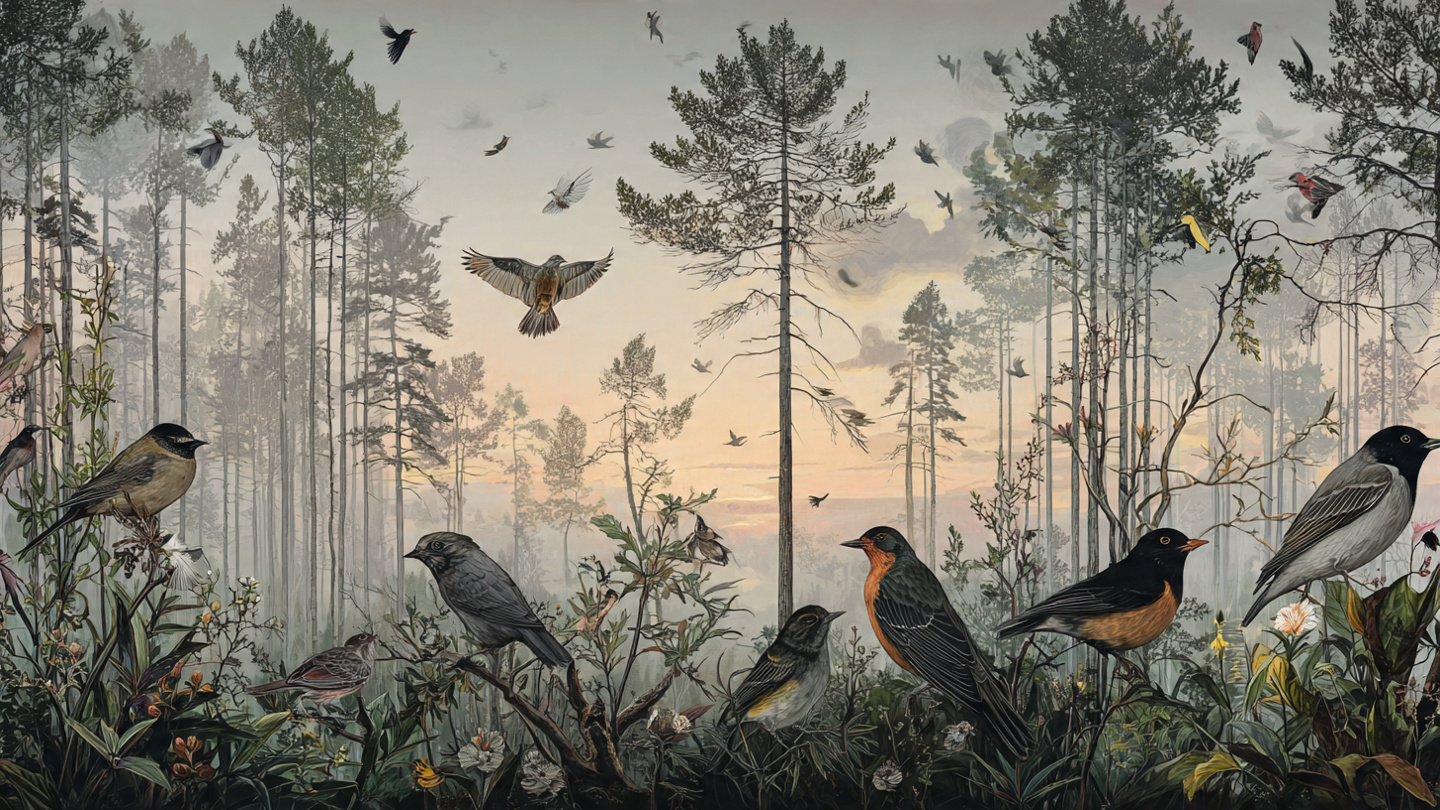
Not all birds participate equally. Highly territorial species and omnivores are generally more vocal at dawn. Birds also follow a sequence in their singing: robins, blackbirds, and thrushes start before sunrise, followed by woodpigeons, wrens, warblers, and, finally, great tits, blue tits, sparrows, and finches as light increases. This natural “orchestration” ensures a rich, layered soundscape.
Conclusion: The Dawn Chorus as Nature’s Orchestra

The dawn chorus is more than a simple morning ritual. It is a multifaceted communication system shaped by territory, diet, mating strategies, and environmental conditions. Although scientists are still uncovering the precise triggers for each species, the chorus remains a symbol of resilience, vitality, and natural harmony. Next time you hear birds greeting the day, remember: you are listening to millions of years of evolution in action, a morning performance where each note serves survival, sociality, and beauty.
Key Points Summary
The dawn chorus peaks before and around sunrise, particularly in spring.
Singing serves multiple purposes: mating, territory defense, and food communication.
Environmental conditions like still air and low light support effective vocalization.
Different species participate at different times, creating a layered natural orchestra.
Research shows that simple environmental explanations don’t fully explain the behavior.
advertisement
Frequently Asked Questions (FAQ)
Q1: Why do birds sing at dawn instead of dusk?
A1: Birds are more vocal at dawn due to territorial behavior, mating displays, and communication about food. Environmental conditions, predator avoidance, and early activity also play roles.
Q2: Which birds sing first in the dawn chorus?
A2: Early singers include robins, blackbirds, and thrushes, followed by woodpigeons, wrens, warblers, and finally, species like sparrows and finches.
Q3: Does every bird species participate in the dawn chorus?
A3: No, the chorus is more pronounced in territorial and omnivorous species. Participation varies by species, region, and individual behavior.
Q4: Can I hear the dawn chorus in my garden?
A4: Yes! Gardens with trees or shrubs can be excellent spots. The chorus is loudest around sunrise but can continue well into the morning.
Q5: Is the dawn chorus the same everywhere?
A5: No. It differs by region, species composition, and season. Tropical regions may have different participants compared to temperate zones.
Sources :
NPR – Reporting on recent research examining hypotheses for the dawn chorus.
https://www.npr.org/2025/06/20/nx-s1-5436078/why-birds-sing-dawn-chorus-research-studyWoodland Trust – Explains the dawn chorus, species involved, and reasons birds sing at sunrise.
https://www.woodlandtrust.org.uk/blog/2019/04/dawn-chorus/
Thank you !