Dogs That Eavesdrop: Study Finds Some Dogs Can Learn Words Just by Listening to Conversations
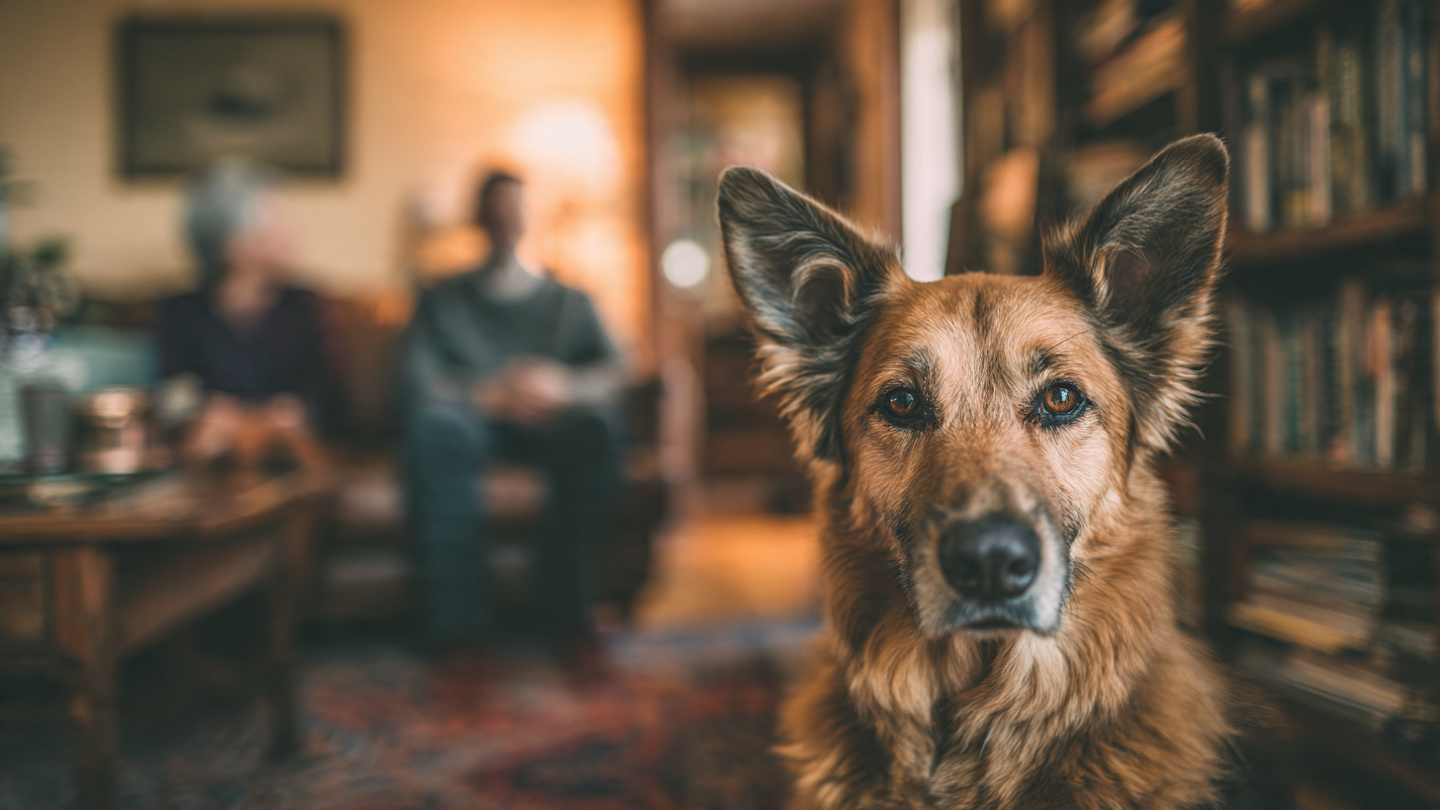
For many dog owners, it feels obvious that dogs understand far more words than we consciously teach them. A new scientific study now suggests that, for a small group of exceptional dogs, this intuition is correct in a surprising way: some dogs can learn the names of objects simply by overhearing human conversations. According to researchers, these dogs pick up new words in a manner strikingly similar to how very young children learn language.
advertisement
Key Points
A small group of dogs, called Gifted Word Learner dogs, can learn object names by overhearing human conversations
Their learning ability is comparable to that of 18-month-old children in similar situations
Typical family dogs do not show the same capacity for word learning
Some gifted dogs can learn words even when the object is not visible and remember them weeks later
The findings suggest that social learning skills linked to language are not exclusively human
Dogs With an Unusual Talent for Words
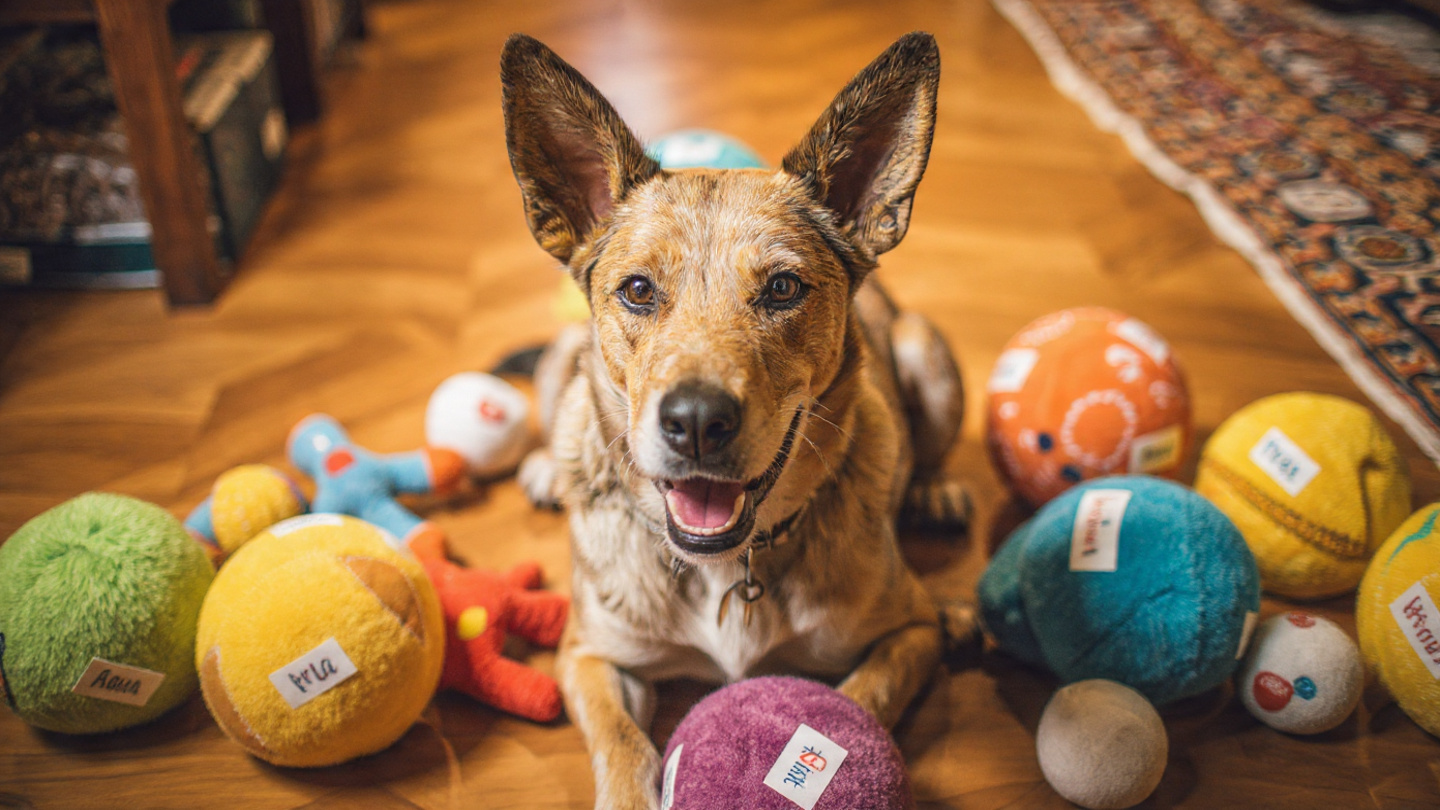
The study, published in Science in January 2026, focuses on a rare group known as Gifted Word Learner dogs. These dogs stand out because they already know the names of many objects, often dozens or even hundreds of toys, without having gone through formal training.
Researchers have found that these gifted dogs appear across different countries, breeds, and household types. What unites them is an extraordinary sensitivity to human communication. Instead of learning words only when someone talks directly to them, these dogs seem able to learn just by listening in.
Learning by Overhearing: Not Just a Human Skill
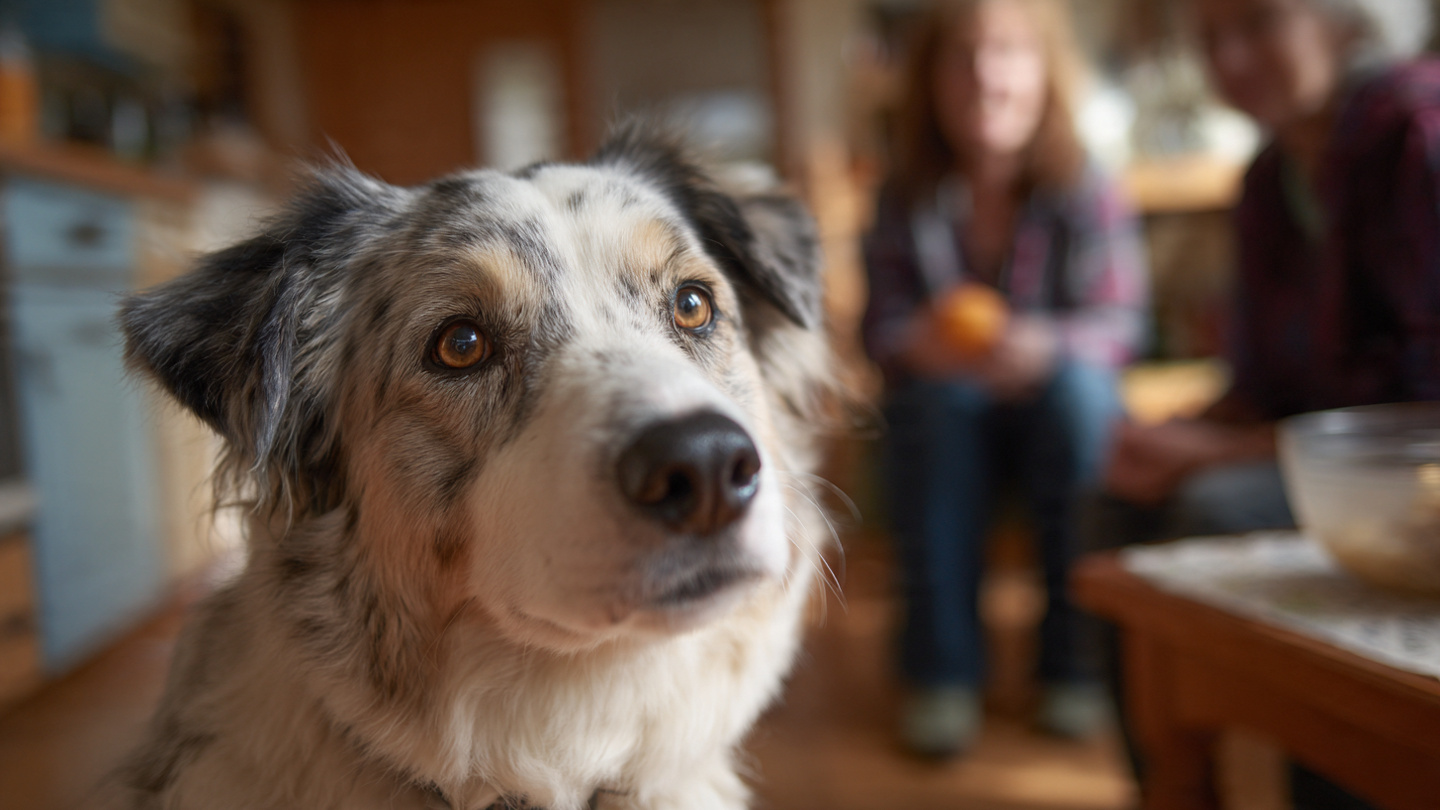
Human children can start learning new words around 18 months of age, even when adults are not speaking directly to them. For example, a toddler might hear two adults talking about a toy and later recognize its name. Scientists wanted to know whether a nonhuman species could do something similar.
To test this, researchers designed experiments inspired by studies of toddlers. Dog owners talked to another person about a new toy while the dog was nearby but ignored. The dogs were not prompted, praised, or directly engaged. Later, the dogs were asked to retrieve the toy by name.
The results were remarkable. Gifted Word Learner dogs successfully identified the correct objects at rates well above chance. In many cases, they performed just as well when overhearing conversations as when they were directly addressed. This suggests that, like young children, these dogs can absorb information from social situations without being the focus of attention.
What Makes These Dogs Different?
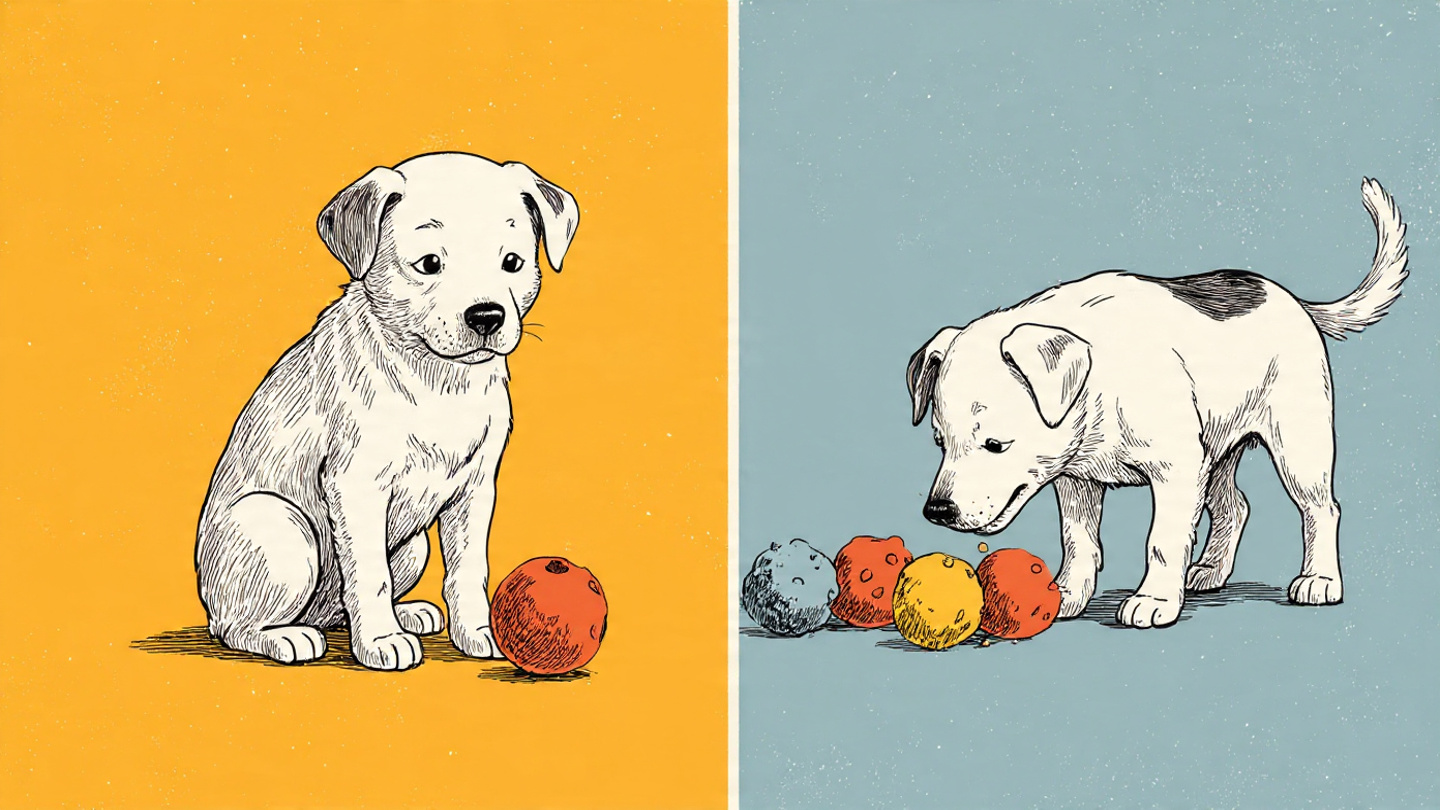
The study also tested typical family dogs with no known vocabulary of object names. These dogs did not show true word learning under the same conditions. While they were curious about new toys, their choices appeared driven by novelty rather than understanding the words.
This contrast highlights an important point: the ability to learn object names by overhearing is not common among dogs. It appears limited to a small, unusual group with preexisting word knowledge.
Listening Without Seeing: Memory and Flexibility
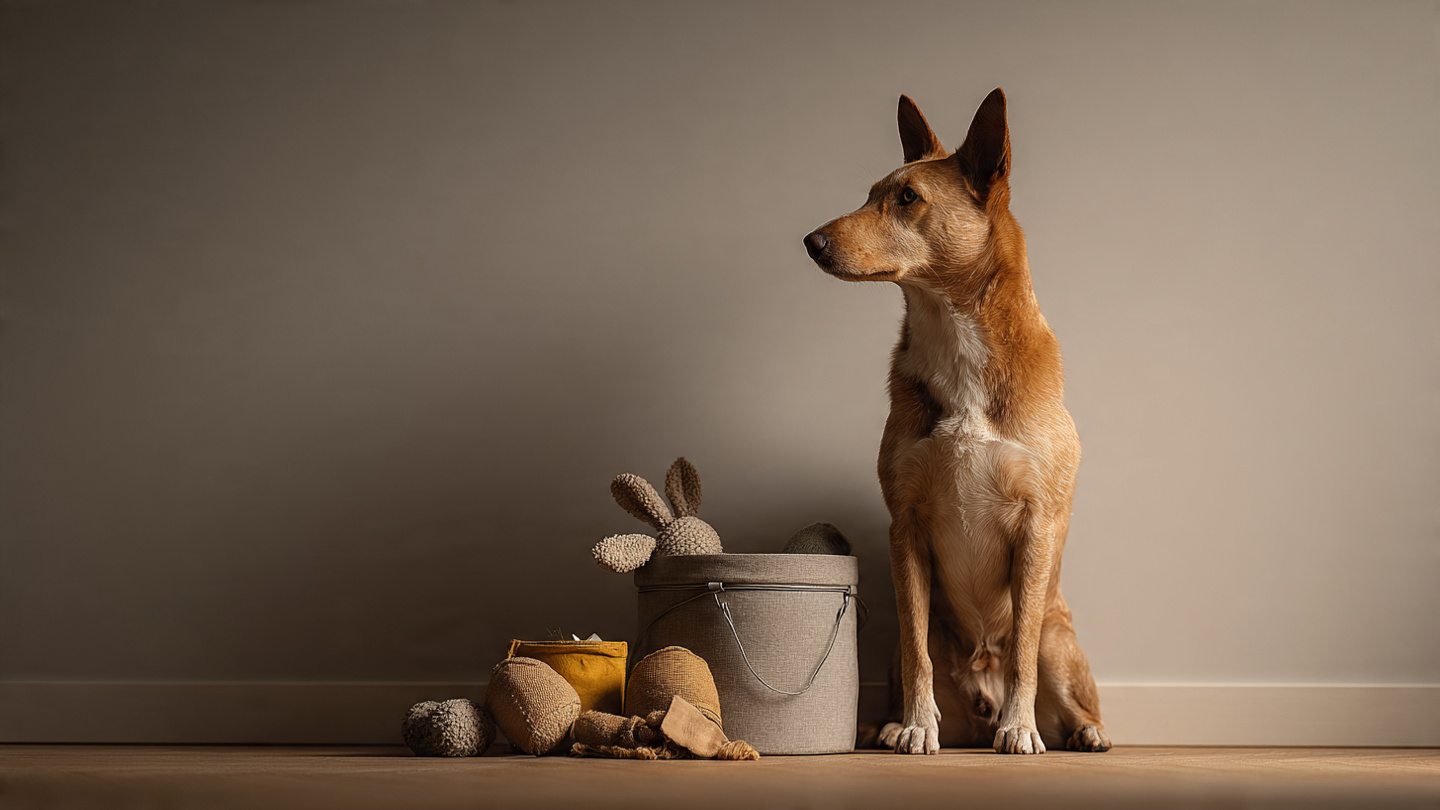
In a further set of experiments, researchers pushed the limits of what these gifted dogs could do. In some cases, dogs heard the name of a toy while the object itself was hidden from view. Even then, many dogs later matched the correct word to the correct object.
Even more impressive, the dogs remembered these word-object pairings weeks later. This shows that their learning was not fleeting but formed stable, lasting memories.
What This Tells Us About Dogs—and Ourselves
Dogs evolved alongside humans, adapting to our social world over thousands of years. Scientists believe this close relationship may have shaped dogs’ sensitivity to human cues like gaze, tone of voice, and shared attention.
However, the researchers caution against overgeneralizing. These findings do not mean all dogs can learn words this way, nor do they suggest dogs understand language like humans do. Instead, the study reveals that some dogs possess flexible social-cognitive skills that overlap with those seen in early childhood.
These results also offer clues about the roots of human language. The ability to learn from overheard conversations may build on older social skills that existed before language itself. Studying gifted dogs helps scientists explore how such abilities can emerge outside our own species.
Conclusion: A Quiet Reminder of Dogs’ Hidden Intelligence
This research paints a fascinating picture of canine intelligence. It shows that, under the right conditions, dogs are not just passive listeners waiting for commands. Some are active observers, quietly piecing together meaning from the conversations around them.
For dog lovers, the findings offer a humbling and inspiring reminder: when you talk at home, your dog may be listening more closely than you think. For science, these gifted dogs open a new window into how learning, communication, and social understanding can cross the boundary between species.
advertisement
Frequently Asked Questions (FAQ)
Can all dogs learn words by listening to conversations?
No. The study found this ability only in a small group of gifted dogs, not in typical family dogs.
Does this mean dogs understand language like humans?
No. Dogs do not use language the way humans do, but some can associate words with objects using advanced social learning skills.
How many words can Gifted Word Learner dogs know?
Some gifted dogs are known to understand dozens or even hundreds of object names.
Can owners train their dogs to learn this way?
The study suggests this ability is rare and likely depends on individual factors rather than training alone.
Why is this research important?
It helps scientists understand how social learning and communication abilities evolve across species.
Sources
Science – Research study on dogs learning object labels by overhearing human conversations
https://www.science.org/doi/10.1126/science.adq5474
Thank you !