
article image source: nationalgeographic.com (Link)
(What will be mentioned in this article is for advice and is not a substitute for consulting a doctor)
Hantavirus Explained: Symptoms, Transmission, Cruise Ship Outbreak, and Global Health Risks in 2026
Hantavirus Explained: Symptoms, Transmission, Cruise Ship Outbreak, and Global Health Risks
Key Points Summary
The 2026 MV Hondius outbreak became the first known cruise ship cluster linked to the rare Andes strain of hantavirus.
Unlike most hantaviruses, the Andes variant can spread between humans through close contact.
Health authorities worldwide say the public risk remains low despite international monitoring efforts.
advertisement
Hantavirus is a rare but potentially deadly virus that has recently captured global attention following an unusual outbreak linked to the Dutch cruise ship MV Hondius during its voyage from Argentina to the Canary Islands in 2026. The incident surprised infectious disease experts because cruise ships are usually associated with outbreaks such as norovirus, E. coli, or respiratory illnesses like COVID-19, not hantavirus infections.
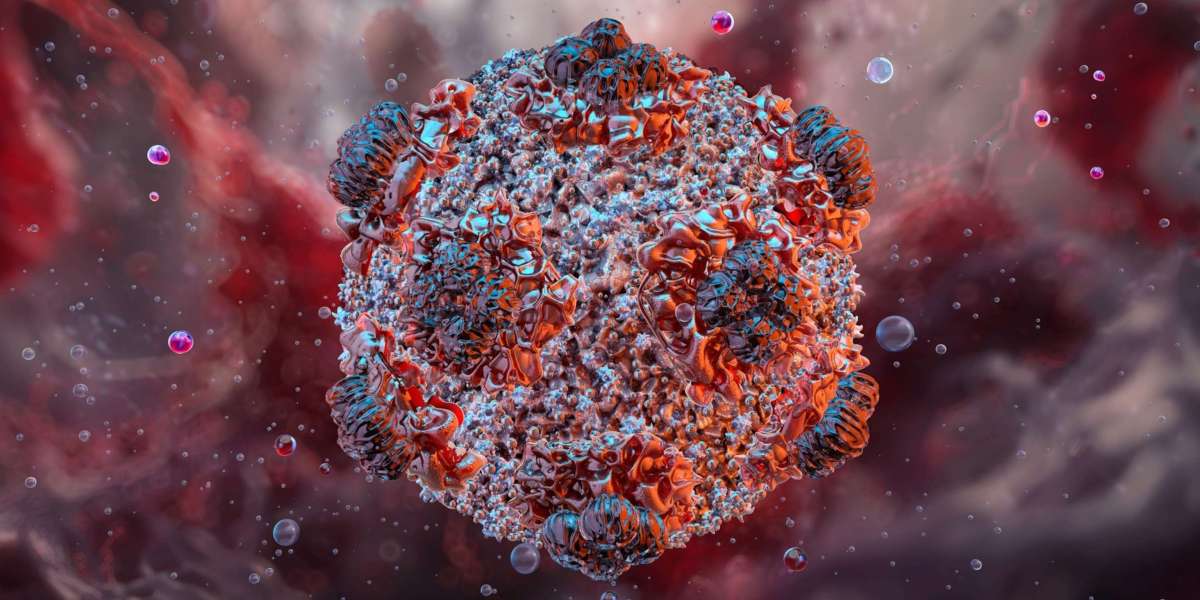
According to researchers and public health officials, this appears to be the first known cruise ship-associated outbreak involving hantavirus, specifically the Andes strain, which is one of the few variants capable of spreading from person to person. Hantavirus belongs to the Hantaviridae family of viruses carried primarily by rodents, which can harbor the virus without becoming sick themselves.
What is hantavirus and how is it spread? | BBC News
The virus spreads through rodent urine, droppings, and saliva, and humans may become infected when these contaminated materials are disturbed and become airborne, especially during activities such as sweeping barns, cleaning enclosed spaces, farming, or entering rodent-infested environments. Infection can also occur through contaminated food or by touching infected surfaces and then touching the mouth, nose, or eyes.
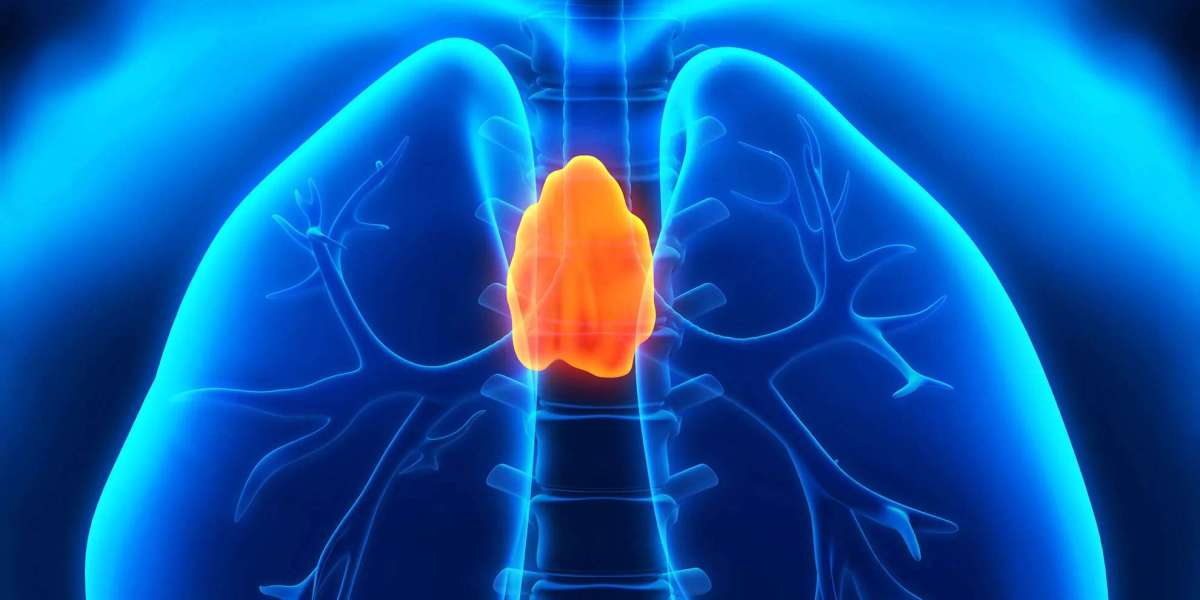
Experts explain that more than 40 species of hantavirus exist worldwide, generally divided into Old World and New World hantaviruses. Old World strains, commonly found in Europe and Asia, usually cause hemorrhagic fever and kidney dysfunction, while New World strains, mostly found in the Americas, tend to cause severe pulmonary disease in which fluid accumulates in the lungs.
Mortality rates vary significantly depending on the strain involved. In Europe and Asia, death rates may range between 1 and 15 percent, while approximately half of hantavirus infections in the Americas can be fatal. Scientists estimate that between 10,000 and 100,000 hantavirus infections occur annually worldwide, mostly in Asia and Europe, whereas only 150 to 300 cases are typically reported each year in the Americas. Countries such as Argentina, Brazil, Chile, and Bolivia account for many of these cases, while the United States generally records between 15 and 50 cases annually.
The specific strain involved is extremely important because it determines not only how dangerous the infection may be but also whether human-to-human transmission is possible. Most hantaviruses do not spread between people, and scientists are still studying why.
One laboratory study suggested that many strains produce very few mature viral particles in the lungs of infected humans, reducing their ability to transmit between individuals. However, the Andes strain is a notable exception. Found mainly in Argentina, Chile, and Uruguay, the Andes virus can spread between humans through close physical contact. Researchers believe this strain may resist antiviral components found in human saliva that typically neutralize other hantavirus strains before they can spread.
Even so, experts stress that Andes virus transmission remains relatively inefficient compared to highly contagious viruses like measles or COVID-19. According to immunologist Steven Bradfute from the University of New Mexico Health Sciences Center, transmission usually requires very close interactions such as sleeping in the same bed, sexual contact, or sharing food. It does not easily spread to large groups through casual exposure or lingering airborne particles.
A previous outbreak in Argentina between 2018 and 2019 demonstrated the potential consequences of Andes virus transmission after one infected individual attended social gatherings, eventually contributing to 34 infections and 11 deaths. The recent outbreak aboard the MV Hondius raised alarm because passengers from multiple countries traveled internationally before the outbreak was fully recognized.
The World Health Organization confirmed several infections connected to the vessel, with cases reported or monitored in the Netherlands, South Africa, Switzerland, the United Kingdom, the United States, Singapore, and Canada. According to reports, three people died, including a Dutch couple and a German national. The first suspected patient, a 70-year-old Dutch man, became ill with fever, headache, abdominal pain, and diarrhea before dying onboard in April.
Other infected individuals developed symptoms including fever and gastrointestinal illness that rapidly progressed to pneumonia and, in severe cases, cardiovascular collapse. WHO later identified the virus involved as the Andes strain of hantavirus. At one stage, the ship remained stranded after being denied permission to dock in Cape Verde, while passengers were confined to their cabins under strict precautionary measures.
More than 140 people from over 20 countries reportedly remained onboard while health authorities coordinated monitoring, testing, and international contact tracing. Several passengers were medically evacuated to Europe, while others entered self-isolation in their home countries.
Monitoring efforts extended even to individuals who had shared flights with infected passengers, including airline crew members and people who never boarded the cruise itself. In the Netherlands, medical teams tested several people who showed symptoms after possible exposure, while health authorities in the United States monitored asymptomatic individuals in states including Georgia and Arizona. Singapore, Canada, and the UK also implemented precautionary isolation and testing measures. Despite comparisons by some observers to the early days of the COVID-19 pandemic, WHO officials emphasized that there is currently no evidence suggesting the outbreak could evolve into a widespread global epidemic.
WHO’s Maria van Kerkhove stated that the overall risk to the general public remains low because hantaviruses generally transmit poorly between humans, even in the case of the Andes strain. Researchers note that although a significant percentage of rodents in certain regions may carry hantavirus, human infections remain relatively rare. One study referenced by Bradfute found that around a quarter of randomly tested rodents in New Mexico carried hantavirus, yet the state still experiences only a small number of human infections each year.
Health authorities believe the Dutch couple involved in the outbreak may have been exposed before boarding the cruise ship while traveling through Argentina, Chile, and Uruguay on a bird-watching trip to locations inhabited by rodent species known to carry the virus. Because hantavirus incubation periods typically range from one to six weeks, officials believe the travelers may have become infected well before symptoms appeared.
Scientists and global health agencies continue to investigate exactly how the outbreak unfolded and whether all infections resulted from rodent exposure, close human contact, or a combination of both. Although hantavirus remains rare, the 2026 outbreak has highlighted the importance of global disease surveillance, rapid contact tracing, and public awareness about zoonotic diseases that originate in animals and occasionally spill over into human populations.
The incident also serves as a reminder that even uncommon viruses can create international concern when travel allows infected individuals to move rapidly across borders before symptoms appear. Experts continue to stress that while the Andes strain deserves careful monitoring because of its limited human-to-human transmission ability, the virus is far less contagious than many common respiratory diseases. Public health guidance continues to focus on reducing exposure to rodents, avoiding contaminated environments, maintaining good hygiene, and seeking medical attention quickly if symptoms develop after potential exposure.
Ultimately, the hantavirus outbreak aboard the MV Hondius demonstrates both the challenges and strengths of modern global health systems. While the spread of passengers across continents created understandable concern, rapid international cooperation, monitoring, and scientific investigation helped contain fears and provide clearer understanding of the virus.
The event underscores how critical awareness, preparedness, and transparent communication are in protecting public health. It also reminds the world that scientific research and international collaboration remain essential tools in responding to emerging infectious diseases, even those that are rare and poorly understood.
Key Points
Hantavirus is a rodent-borne virus carried mainly through urine, saliva, and droppings.
The Andes strain is the only major hantavirus known to spread between humans.
The 2026 MV Hondius outbreak led to deaths, international monitoring, and global contact tracing efforts.
Most hantavirus infections occur in Asia and Europe, while cases in the Americas are rarer but often more severe.
Experts and WHO state the virus spreads inefficiently compared to diseases like COVID-19 or measles.
Symptoms may begin with fever and gastrointestinal illness before rapidly progressing to pneumonia and cardiovascular collapse.
Human infection often occurs when contaminated rodent materials become airborne during cleaning or farming activities.
advertisement
Frequently Asked Questions (FAQ)
What is hantavirus?
Hantavirus is a group of viruses carried mainly by rodents. Humans can become infected through contact with contaminated rodent urine, droppings, or saliva.
How does hantavirus spread?
The virus usually spreads when contaminated particles become airborne and are inhaled. Infection may also occur through contaminated food or touching infected surfaces and then touching the face.
Can hantavirus spread between humans?
Most hantavirus strains cannot spread between humans. However, the Andes strain found in South America can spread through close personal contact.
What are the symptoms of hantavirus?
Symptoms often begin with fever, headache, fatigue, abdominal pain, nausea, and diarrhea. Severe cases may rapidly progress to pneumonia and cardiovascular failure.
Why was the 2026 cruise ship outbreak unusual?
Experts say this was the first known cruise ship-associated hantavirus outbreak, making it highly unusual and important for global health monitoring.
Is hantavirus as contagious as COVID-19?
No. Health experts and WHO emphasize that hantavirus spreads much less efficiently than COVID-19 and does not easily spread through casual contact.
Which countries reported cases connected to the MV Hondius outbreak?
Cases or monitoring efforts were reported in the Netherlands, South Africa, Switzerland, the UK, the US, Singapore, and Canada.
How deadly is hantavirus?
Mortality rates vary by strain. Some Old World strains have death rates between 1 and 15 percent, while certain New World strains in the Americas can be fatal in about half of cases.
How can people protect themselves from hantavirus?
People should avoid contact with rodents, ventilate enclosed spaces before cleaning, avoid stirring up dust in rodent-infested areas, and maintain good hygiene.
What is the incubation period for hantavirus?
Health authorities say symptoms may appear between one and six weeks after exposure.
Sources
- National Geographic – Explanation of hantavirus transmission, Andes strain characteristics, mortality rates, and details about the MV Hondius outbreak
National Geographic Source: https://www.nationalgeographic.com/health/article/hantavirus-virus-mice-transmission - CNN – International monitoring efforts, WHO updates, country responses, and timeline of the MV Hondius outbreak
CNN Source: https://edition.cnn.com/2026/05/07/world/hantavirus-ship-tenerife-outbreak-intl
Disclaimer:
What is mentioned in this article is for advice and is not a substitute for consulting a doctor
Thank you !