Understanding Inflation in 2026: Causes, Impacts, and What It Means for Investors
Key Points:
U.S. inflation held steady at 2.4% in February 2026, above the Federal Reserve’s 2% target.
Oil price spikes due to the U.S.-Israel conflict with Iran could drive inflation higher in the coming months.
Tariffs, energy costs, and food supply shocks remain key drivers of persistent inflation.
advertisement
Introduction

Inflation remains a pressing concern for Americans in 2026, influencing the cost of everyday goods like gasoline, groceries, electricity, and medical care. February data from the Bureau of Labor Statistics shows the Consumer Price Index (CPI) rose 2.4% from a year earlier, unchanged from January, signaling stubbornly high inflation levels above the Federal Reserve’s long-term target of 2%.
Economists note that this steady rate masks underlying pressures. Rising tariffs from previous U.S. trade policies have contributed to higher consumer prices, while recent geopolitical events—most notably the U.S.-Israel attack on Iran on February 28—have sharply increased oil prices, leading to higher costs for gasoline, diesel, jet fuel, and other energy-intensive goods.
The Energy Factor: Iran Conflict and Oil Prices
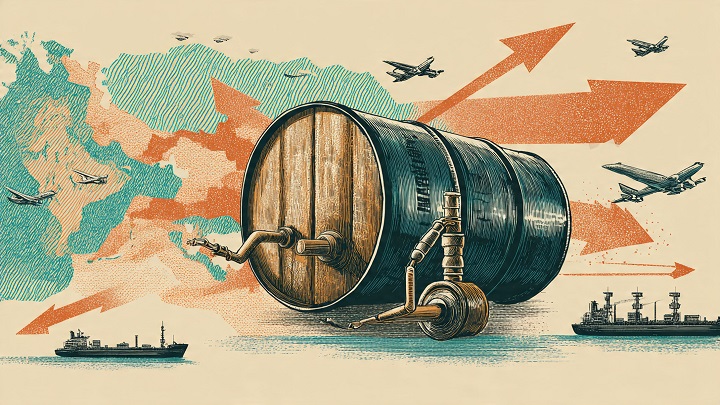
The conflict in the Middle East has caused Brent crude oil prices to spike from roughly $70 per barrel pre-conflict to a peak near $120, before stabilizing around $87-$90. Economists warn that a prolonged disruption in the Persian Gulf shipping lanes, which handle a significant portion of the world’s oil supply, could sustain higher prices for months.
The average U.S. gasoline price has already risen to $3.50–$3.58 per gallon, a 19–20% increase in just two weeks. Analysts suggest that if oil shipments remain disrupted, gas prices could approach $5 per gallon, while airline fares, shipping, and food prices may also rise due to higher transportation costs.
advertisement
Core Inflation and Everyday Necessities

Even excluding volatile food and energy prices, core inflation remains elevated. February data shows core prices increased 2.5% year-over-year, the lowest in five years but still above the Fed’s target. Essentials like housing, medical care, and apparel continue to feel the pinch, demonstrating that inflation affects more than just fuel costs.
Food prices are particularly vulnerable. Supply shocks have pushed beef prices up 15% and coffee prices up 18%, driven by low cattle supply in the U.S. and adverse weather in major coffee-producing nations like Vietnam and Brazil. Fertilizer supply disruptions linked to energy prices could further impact crop production, adding to long-term food inflation risks.
Tariffs and Policy Implications
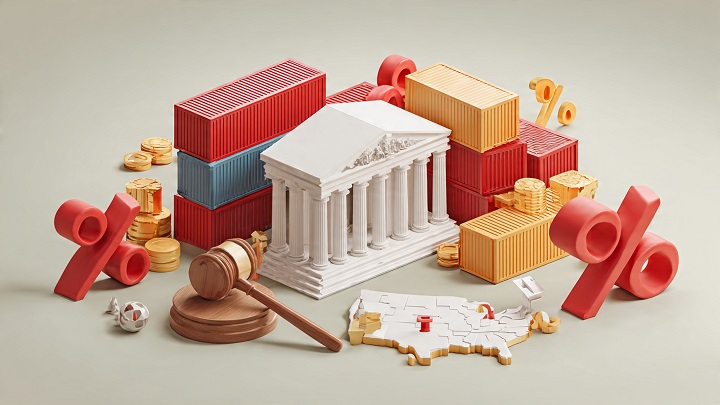
Economists highlight that tariffs from previous years remain a primary contributor to inflation. Even after the Supreme Court struck down some tariffs under the International Emergency Economic Powers Act, new tariffs maintained an average effective rate of 10.5%, the highest since 1943. These trade-related costs continue to influence consumer prices across multiple sectors.
advertisement
Federal Reserve and Policy Challenges
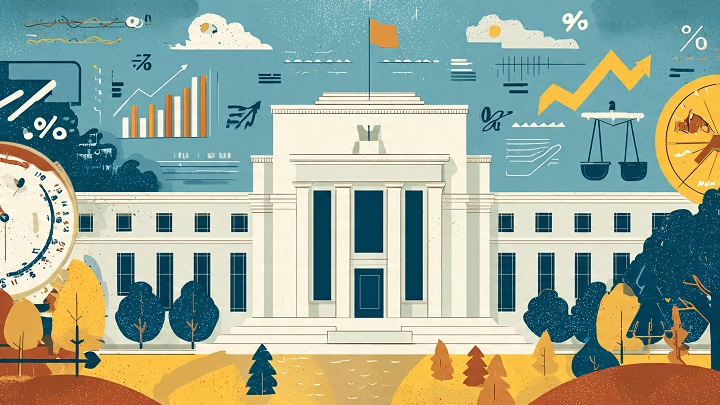
The Fed faces a delicate balancing act. Interest rate decisions must consider persistent inflation, geopolitical uncertainties, and recent job market data. Weak employment reports and high inflation create conflicting pressures, making rate cuts risky while raising rates could slow economic growth. Historical experiences with temporary oil shocks suggest caution; policymakers are wary of repeating past mistakes during volatile periods.
Conclusion: Navigating Inflation in 2026

Inflation in 2026 is influenced by a combination of policy, global conflict, and supply chain disruptions. Consumers face higher prices for essentials, while businesses grapple with rising operational costs. Awareness and strategic financial planning—like budgeting for energy and food costs—remain crucial. While the situation is challenging, experts agree that short-term spikes may stabilize if global conflicts ease and supply chains recover.
Understanding these forces empowers households and businesses to adapt, turning uncertainty into informed decision-making and financial resilience.
Key Points Summary
February 2026 CPI: +2.4% YoY, steady but above Fed’s 2% target.
Energy price spikes from Iran conflict may push inflation higher.
Tariffs and supply chain disruptions continue to influence food and consumer prices.
Core inflation remains at 2.5%, affecting necessities beyond energy and food.
Fed faces a challenging policy environment amid volatile economic signals.
advertisement
Frequently Asked Questions (FAQ)
Q: What is the current inflation rate in the U.S.?
A: February 2026 CPI inflation is 2.4% year-over-year, with core inflation at 2.5%.
Q: How does the Iran conflict impact inflation?
A: The conflict has disrupted oil shipments through the Persian Gulf, causing spikes in gasoline, diesel, and jet fuel prices, which indirectly raise costs for goods and services.
Q: Are food prices affected by inflation?
A: Yes. Supply shortages, weather events, and rising energy costs have pushed up beef and coffee prices, with potential further increases due to fertilizer and crop production issues.
Q: What role do tariffs play in inflation?
A: Tariffs maintain higher import costs for goods, adding to overall consumer prices. Even after legal challenges, the effective tariff rate remains historically high.
Q: What is the Federal Reserve doing about inflation?
A: The Fed is cautiously monitoring inflation, employment data, and global events. They must balance the risk of cutting rates too early against slowing economic growth.
Sources
CNBC – Inflation breakdown for February 2026, including tariffs and energy impacts
https://www.cnbc.com/2026/03/11/cpi-inflation-february-2026-breakdown.htmlPBS NewsHour – Inflation steady before Iran conflict sent energy costs soaring
https://www.pbs.org/newshour/economy/inflation-held-steady-last-month-before-attack-on-iran-sent-energy-costs-soaring
Thank you !