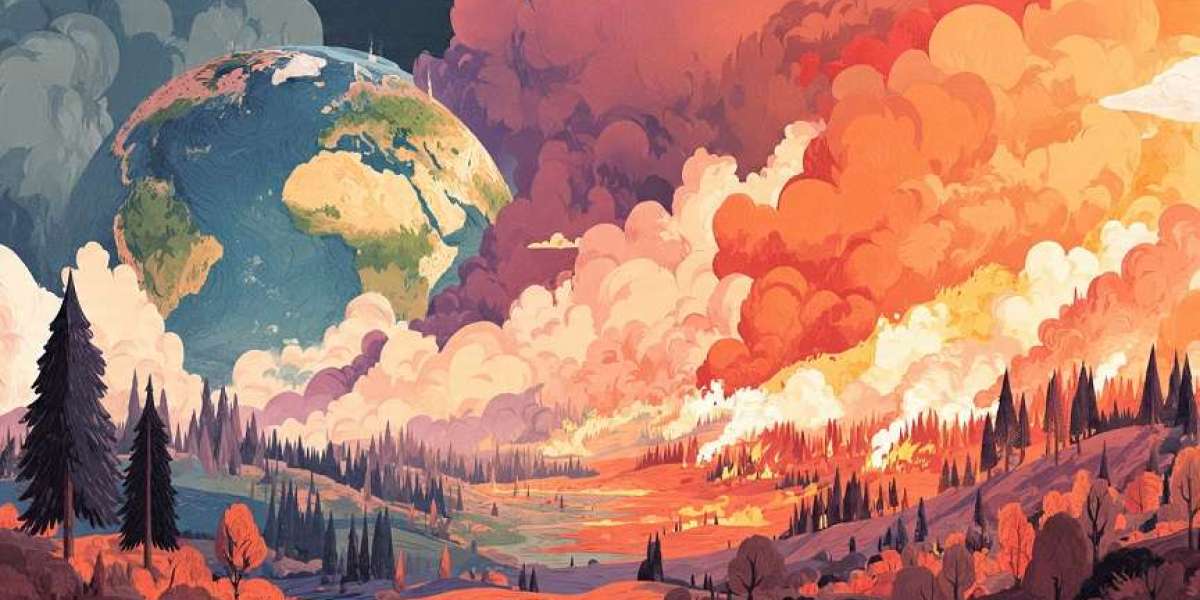

Earth's Climate Crisis: How Heatwaves, Droughts, and Rising CO2 Are Transforming Our Planet

Key Points:
Compound heatwaves and droughts are accelerating globally.
Rising CO2 is not only warming the planet but altering human blood chemistry.
Climate change impacts are complex, interconnected, and intensifying rapidly.
advertisement
Understanding Earth's Changing Climate
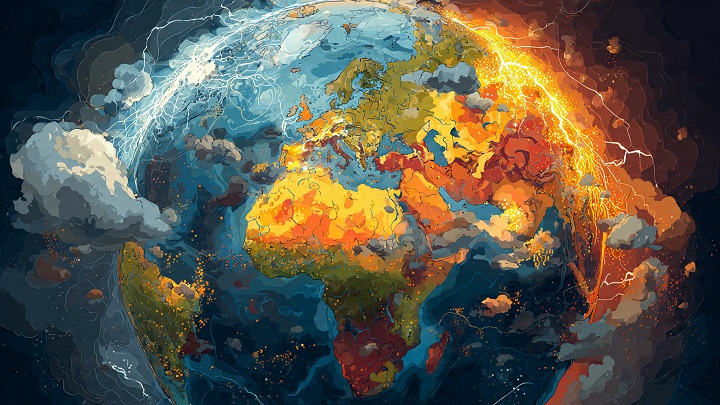
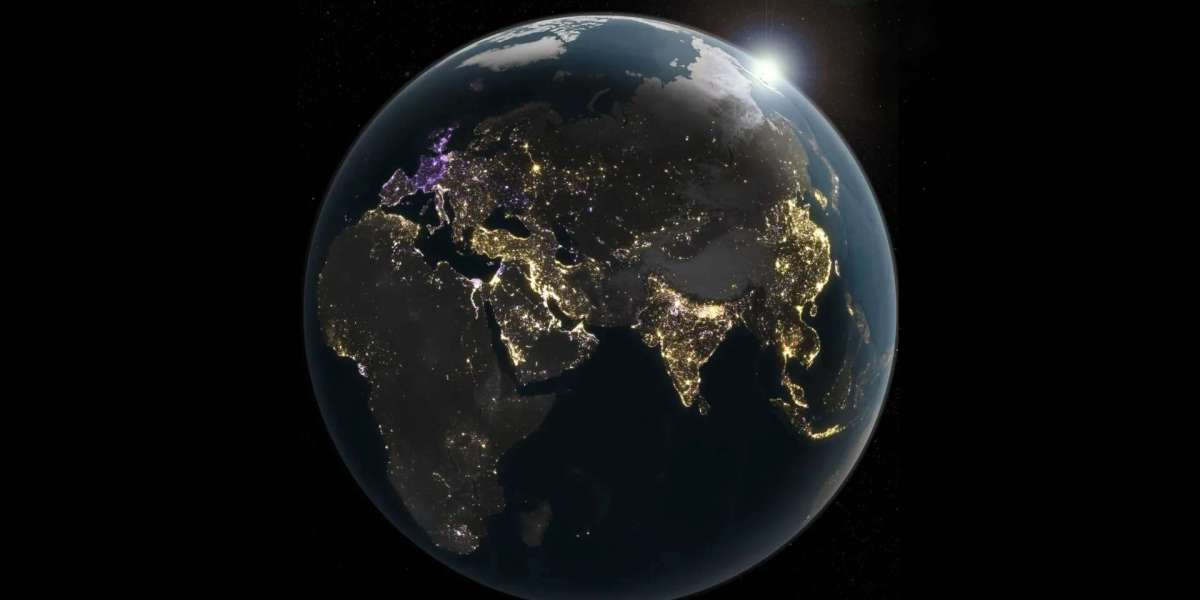
Earth’s climate is undergoing dramatic changes, with far-reaching consequences for ecosystems, human health, and societies worldwide. Recent studies reveal that extreme weather events and rising atmospheric carbon dioxide (CO2) levels are interacting in ways that intensify damage, creating unprecedented challenges for our planet and ourselves.
One alarming trend is the rapid increase of compound extreme events, particularly heatwaves followed by droughts. Research from South Korea and Australia shows that the type of extreme event where heat triggers drought has expanded from covering 2.5% of the Earth’s land in the 1980s to 16.7% by 2023, with likely further increases in 2024–2025 (Yahoo News, 2026). These flash droughts occur suddenly, giving communities and farmers little time to prepare, and are especially damaging to crops, water supplies, and ecosystems.
The regions most at risk include South America, western Canada, Alaska, the western United States, and parts of central and eastern Africa. Scientists also note a “change point” around 2000, coinciding with rapid Arctic warming, sea-ice loss, and declining spring snow cover, suggesting that Earth may have crossed a tipping point where these extreme weather patterns could become irreversible (Yahoo News, 2026).
Rising CO2 and Its Hidden Impacts on Human Health
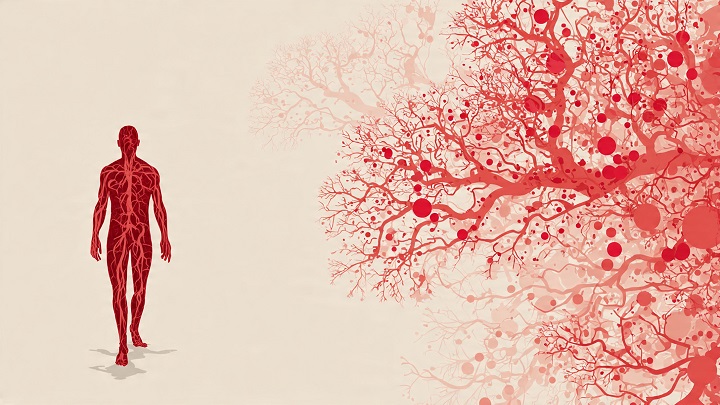
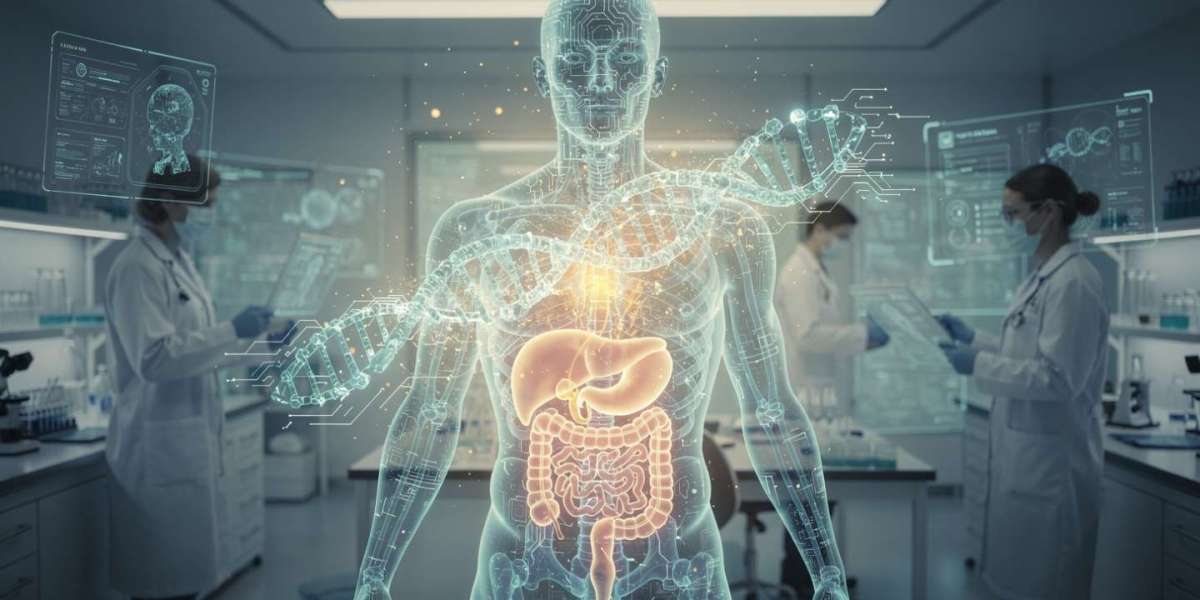
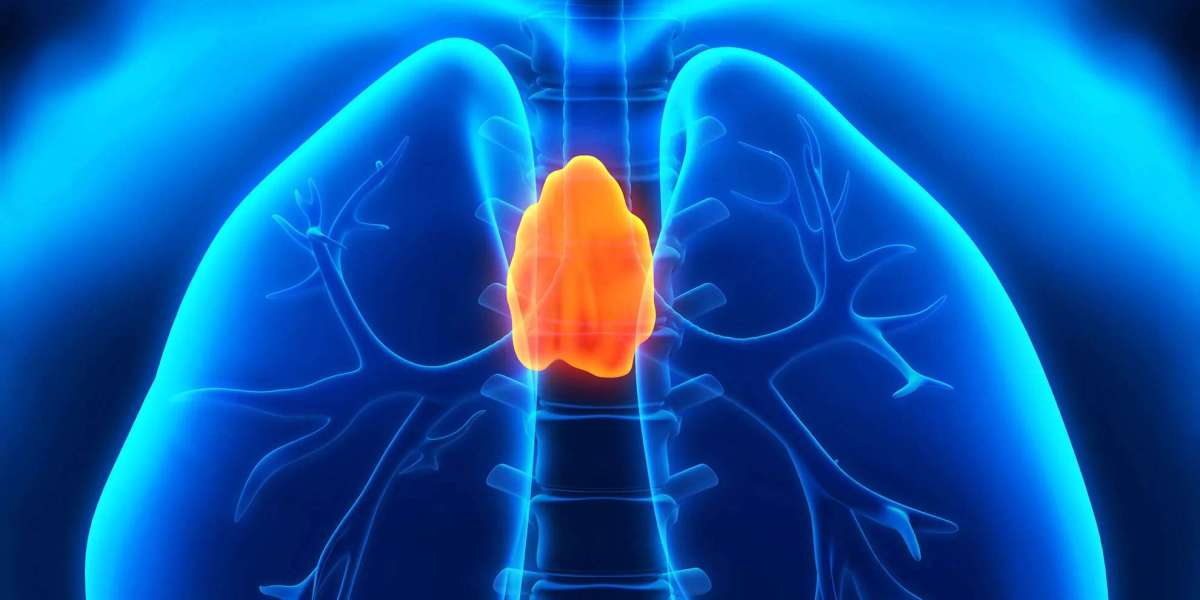
While climate change’s environmental impacts are well-known, rising CO2 levels are now shown to affect human physiology in surprising ways. A study published in Air Quality, Atmosphere & Health found that increasing CO2 in the atmosphere is altering the chemical balance of human blood, specifically increasing bicarbonate levels while reducing calcium and phosphorus. These changes could, over decades, push these vital blood components to the limits of healthy ranges (The Week, 2026).
Bicarbonate helps regulate blood pH, but higher CO2 forces the body to conserve it, while bones release calcium and phosphorus to buffer excess acidity. Chronic exposure may lead to metabolic acidosis, potentially causing calcification of kidneys and arteries. Elevated CO2 has also been linked to slower decision-making, increased stress, and oxidative stress, highlighting a connection between climate change and human health that extends beyond the environment (The Week, 2026).
Children and adolescents are particularly vulnerable, as their developing bodies face the longest cumulative exposure to rising CO2 levels. Scientists emphasize that even moderate increases in CO2 could cause gradual physiological changes at the population level, underscoring the urgency for climate action.
advertisement
The Interconnected Nature of Climate Risks
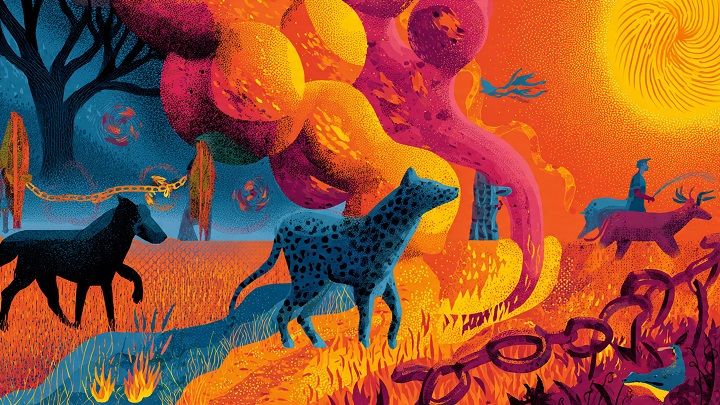
These two emerging issues—compound heat-drought events and rising CO2’s physiological effects—illustrate how interconnected and complex Earth’s climate system has become. Heatwaves, droughts, wildfires, and elevated CO2 don’t act in isolation; they amplify one another, increasing risks to both natural ecosystems and human societies.
Examples of extreme events include the 2021 Pacific Northwest heat dome, the 2019–2020 Australian bushfires, and recent record heat and drought in the Amazon. Each demonstrates how quickly combined extremes can escalate, destroying communities, ecosystems, and livelihoods.
The latest studies show that climate change is not just a long-term issue—it is accelerating, compounding risks, and even altering human biology in ways previously unimagined.
Conclusion: A Call for Awareness and Action
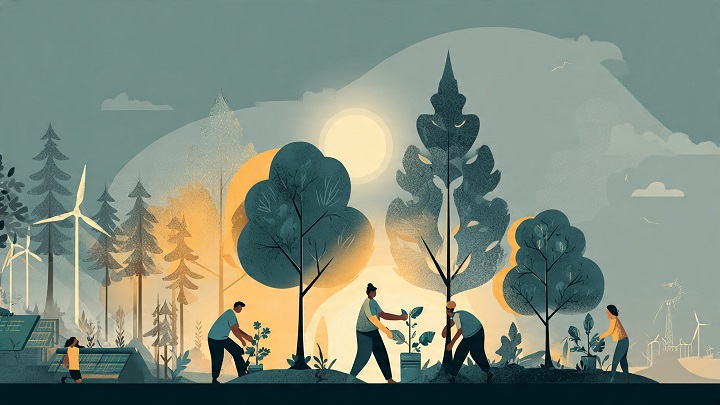
Earth’s climate is changing faster than many anticipated, with compound extremes and rising CO2 posing risks that span the environment, agriculture, and human health. While these findings may seem alarming, they also provide an opportunity: understanding the complex dynamics of climate change empowers societies to adapt, mitigate, and innovate.
By reducing emissions, investing in sustainable infrastructure, and preparing for compound extremes, humanity can navigate these challenges. Addressing climate change is not only about protecting the planet—it is about protecting ourselves, our children, and future generations, ensuring a livable and resilient world for all.
Key Points Summary
Heat-triggered droughts and flash droughts are increasing globally.
Rising CO2 alters human blood chemistry, affecting health over decades.
Climate change impacts are interconnected, creating cascading environmental and physiological risks.
Children and vulnerable populations are particularly at risk from rising CO2 exposure.
Immediate action on emissions and climate adaptation is crucial.
advertisement
Frequently Asked Questions (FAQ)
Q1: What is a flash drought?
A: A flash drought occurs when extreme heat rapidly dries soil, giving little time for preparation. It’s more damaging than regular droughts.
Q2: How does rising CO2 affect humans?
A: Elevated CO2 changes blood chemistry, increasing bicarbonate and lowering calcium and phosphorus, which may affect kidneys, bones, and overall health over time.
Q3: Which areas are most affected by heat-first droughts?
A: South America, western Canada, Alaska, western United States, and parts of central and eastern Africa.
Q4: Are children more vulnerable to CO2 changes?
A: Yes, because their developing bodies experience longer cumulative exposure, which may have lasting physiological impacts.
Q5: Can these climate changes be reversed?
A: While some tipping points may be irreversible, reducing emissions and adapting to extreme events can mitigate risks and protect ecosystems and human health.
Sources
Yahoo News – Study reveals accelerating heat-first droughts worldwide
https://ca.news.yahoo.com/dangerous-droughts-triggered-heatwaves-accelerating-115405383.htmlThe Week – Rising CO2 levels are altering human blood chemistry
https://theweek.com/environment/rising-co2-levels-human-blood-climate-change
Thank you !