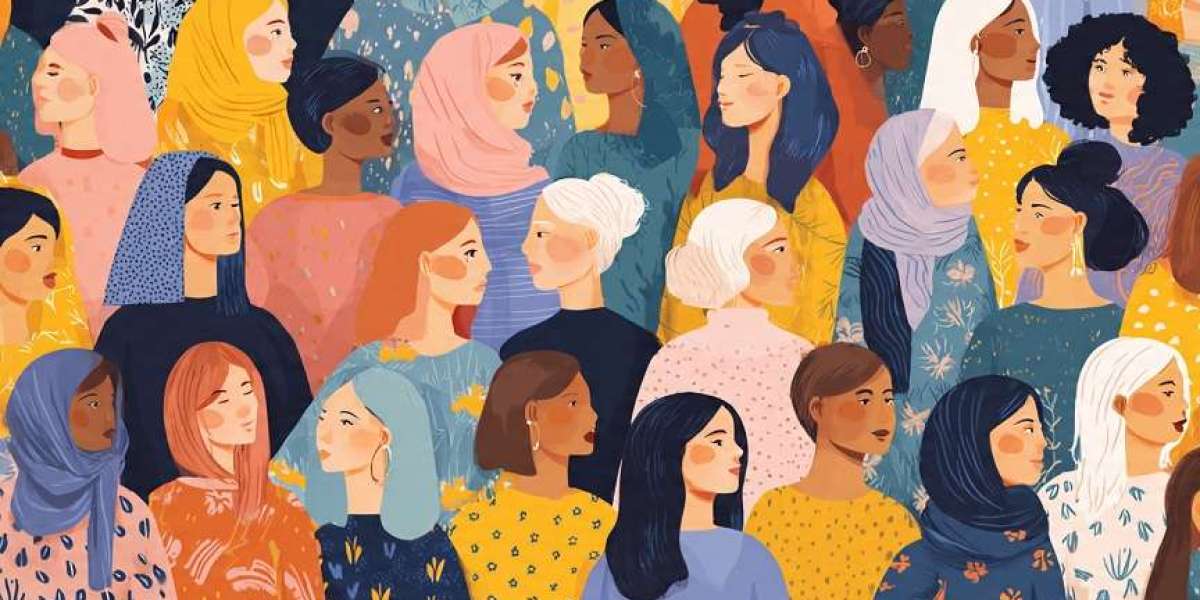

International Women’s Day 2026: Celebrating Progress and Advancing Equality for Women Worldwide
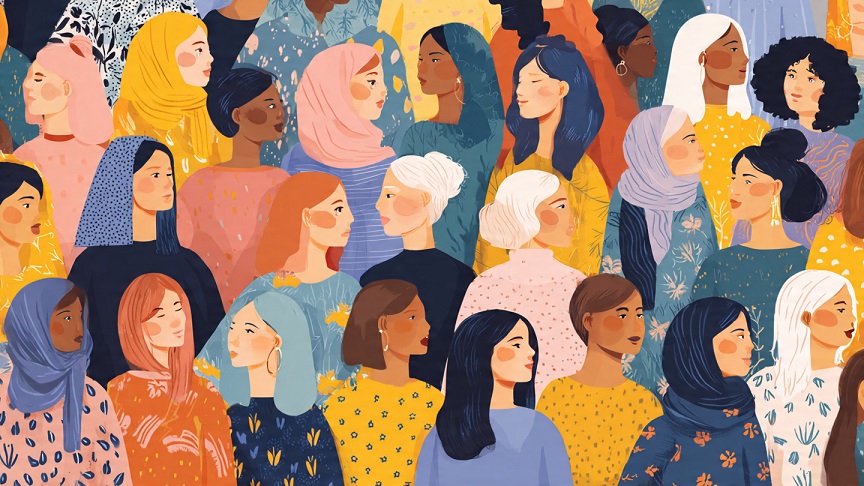
International Women's Day 2026 - UN Chief's message | United Nations
Key Highlights:
115 years of International Women’s Day: a global celebration and call to action.
Women still hold only 64% of the legal rights men enjoy globally.
Focus on empowerment, climate justice, and gender equality in 2026.
advertisement
Introduction
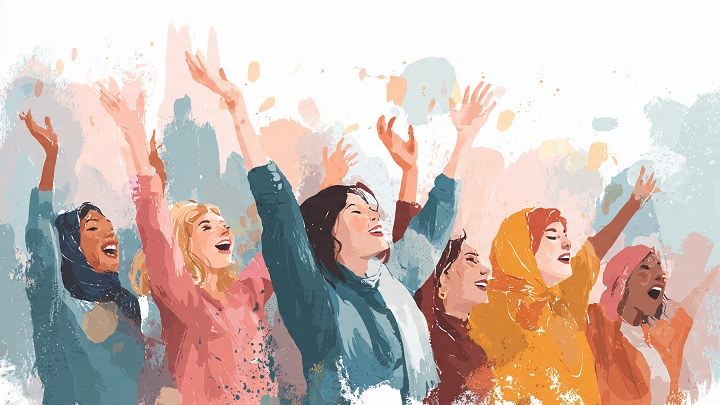
International Women’s Day (IWD), observed globally on March 8, is much more than a celebration—it is a call to action for gender equality, women’s empowerment, and justice. From historic protests to modern advocacy, IWD unites women and allies worldwide to push for equal pay, reproductive rights, education, safety, and decision-making roles. In 2026, the theme “Give to Gain” emphasizes both tangible support, like fundraising for women-focused initiatives, and intangible contributions, such as mentoring, celebrating achievements, and challenging discrimination.
The History and Significance of International Women’s Day

The roots of International Women’s Day trace back to the early 20th century. The American Socialist Party first proposed a national Women’s Day in 1909, and German feminists pushed for a global observance during a 1910 socialist women’s conference in Copenhagen. By 1911, countries across Europe marked the day, and during World War I, it became a platform for protesting armed conflict. March 8 was solidified after Russian women staged a pivotal protest on Feb. 23, 1917 (Julian calendar), which contributed to ending the war. The United Nations officially recognized IWD in 1977. Today, it is an official holiday in more than 20 countries, including Afghanistan, Burkina Faso, Ukraine, Russia, and Cuba, while in the United States, March is celebrated as Women’s History Month.
advertisement
Global Observances and Current Challenges
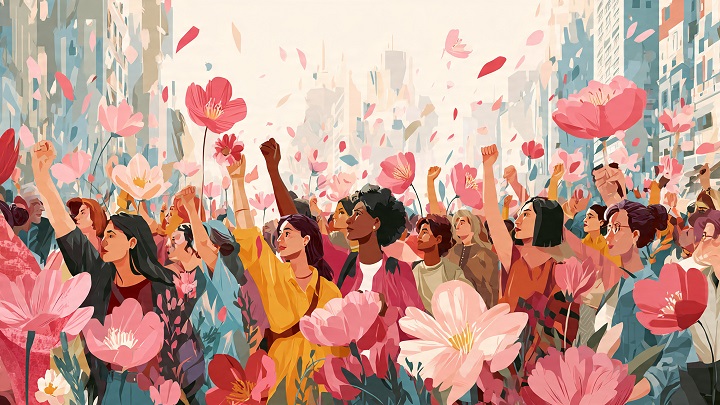
IWD is observed in diverse ways: from marches in Berlin, rallies in Karachi, and protests in Brazil, to flower-selling and local celebrations in China, Russia, and Cambodia. Demonstrations often highlight persistent issues such as gender-based violence, femicide, unequal pay, and restricted legal rights. According to UN data, women worldwide hold only 64% of the legal rights men enjoy, with discriminatory laws affecting property ownership, employment, education, and even freedom of movement in many countries. In over 40 nations, marital rape is not recognized as a crime.
The urgency of IWD is underscored by contemporary challenges. For example, the U.S. Supreme Court’s 2022 decision to overturn nationwide abortion rights has reignited debates on reproductive freedom globally. Rising authoritarianism, political instability, and entrenched patriarchy threaten to roll back decades of progress in women’s rights.
Women as Leaders of Change
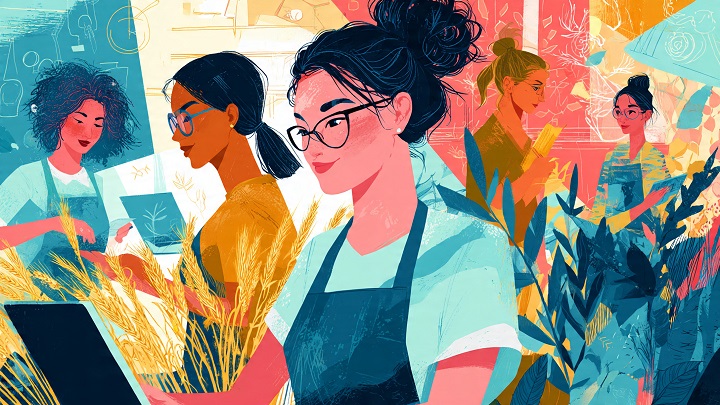
Despite persistent challenges, women continue to lead transformative change across the globe. The Commonwealth Secretary-General highlighted women’s contributions to climate resilience, digital innovation, entrepreneurship, and peacebuilding. Particularly in climate-vulnerable countries and Small Island Developing States, women are disproportionately affected but are also driving solutions when given access to finance, data, and decision-making platforms. Programs like the Belém Gender Action Plan at COP30 exemplify initiatives supporting gender-responsive climate action through inclusive technology, safer participation, and equitable financial access.
advertisement
The Future of Equality and Empowerment

Achieving gender equality remains unfinished business. None of the targets under Sustainable Development Goal 5 have been fully realized, and gender parity in parliaments could still take decades at current rates. However, IWD provides a platform to amplify women’s voices, celebrate achievements, and push for actionable change. Global campaigns focus on dismantling legal and social barriers, expanding access to education and finance, and promoting climate justice as integral to gender justice.
The collective goal is clear: to ensure that every woman and girl has full rights, agency, and opportunities to lead. Commemorating International Women’s Day is not just symbolic—it is a reminder that rights, justice, and action for women are essential for building equitable, resilient, and sustainable communities worldwide.
Conclusion
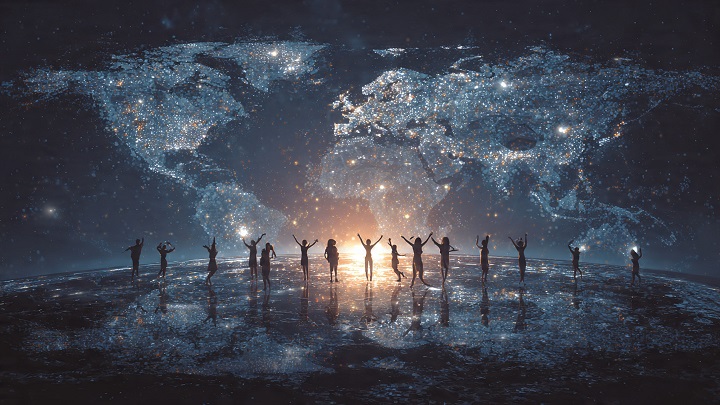
International Women’s Day 2026 is both a celebration of progress and a rallying cry for the work still ahead. Across continents, women are demonstrating courage, creativity, and leadership, challenging inequalities, and transforming societies. By uniting efforts—through advocacy, policy, education, and grassroots action—societies can move toward a future where women and girls enjoy the full spectrum of legal, social, and economic rights. Each contribution, whether large or small, fuels the ongoing journey toward equality. The message is clear: when women thrive, communities, nations, and the planet flourish.
Key Points Summary
International Women’s Day 2026 emphasizes rights, justice, and action for all women and girls.
Women still face legal and social inequalities worldwide, holding only 64% of men’s legal rights.
Women are leading change in climate action, innovation, education, and community rebuilding.
The day blends celebration with advocacy for equal pay, reproductive rights, and gender justice.
Global initiatives focus on dismantling barriers and promoting inclusive decision-making.
advertisement
Frequently Asked Questions (FAQ)
Q1: When is International Women’s Day celebrated?
A1: International Women’s Day is observed annually on March 8.
Q2: What is the theme for 2026?
A2: The theme is “Give to Gain,” emphasizing support for women-focused initiatives and community empowerment.
Q3: Why is International Women’s Day important?
A3: It celebrates women’s achievements while highlighting ongoing challenges like legal inequality, gender-based violence, and limited representation in leadership.
Q4: How did International Women’s Day start?
A4: It began in 1909 in the U.S. as a national Women’s Day and became an international observance after 1910, with the UN officially recognizing it in 1977.
Q5: How can I participate?
A5: Attend rallies, support women-led organizations, mentor peers, advocate for policy change, or use social media to amplify women’s voices.
Sources
NBC News – Overview of International Women’s Day 2026 celebrations and global activism
https://www.nbcnews.com/news/us-news/international-womens-day-celebration-call-action-rcna262306The Commonwealth – Speech from the Commonwealth Secretary-General on gender equality and climate action
https://thecommonwealth.org/speech/commonwealth-secretary-generals-speech-international-womens-day-2026UN Women – UN Secretary-General António Guterres’s message on International Women’s Day 2026 and women’s legal rights
https://www.unwomen.org/en/news-stories/statement/2026/03/un-secretary-generals-message-on-international-womens-day
Thank you !