
RSPB Garden Birdwatch 2026: How Cold European Winters Are Bringing More Birds to UK Gardens
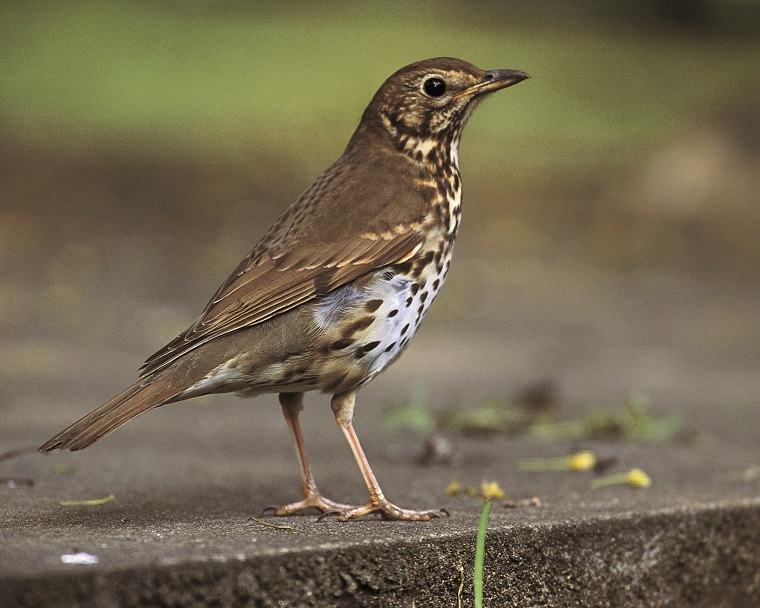
A song thrush. Photograph: Chris Gomersall (rspb-images.com)
source: theguardian.com
Surprise migratory birds could appear in your garden this winter
One hour of birdwatching helps protect millions of birds nationwide
Europe’s cold snap highlights the growing importance of UK gardens for wildlife
Introduction
The RSPB garden birdwatch has become a defining winter tradition for nature lovers across the UK, offering a simple yet powerful way to track how birds are coping with environmental change. In 2026, experts believe the event could be especially exciting. Prolonged cold and unsettled weather across Europe is expected to drive higher numbers of migratory birds into UK gardens, making this year’s RSPB Big Garden Birdwatch one of the most revealing yet. With nearly 600,000 people taking part annually, the survey plays a vital role in understanding garden bird populations while encouraging everyday connections with nature.
Why Cold Weather in Europe Matters for UK Gardens
According to the RSPB, extreme winter conditions across continental Europe are a major factor influencing bird migration patterns. Species such as Fieldfare and Redwing typically spend much of the year in countries including Poland and Scandinavia. However, when food becomes scarce or temperatures plunge, many birds travel west to the UK, where winters are relatively mild. Both Inside Ecology and The Guardian report that the recent European cold snap could lead to a bumper year for these migratory visitors, increasing the chances of spotting them in gardens, parks, balconies, and other green spaces across the UK. Beccy Speight, Chief Executive of the RSPB, notes that bird numbers fluctuate each year depending on weather conditions, meaning unexpected and exciting sightings are entirely possible.
advertisement
The RSPB Big Garden Birdwatch: A Snapshot of Nature
Launched in 1979, the RSPB Big Garden Birdwatch has grown into the world’s largest garden wildlife survey. Participants are asked to spend one hour counting the birds they see in their garden or local outdoor space over the final weekend of January, which in 2026 runs from 23 to 25 January. The survey’s scale is remarkable: in 2025, almost 600,000 people recorded more than 9 million birds from over 80 species. Over four decades, the Birdwatch has logged more than 200 million birds and accumulated over 12.6 million hours of observation, providing invaluable long-term data on the health of UK bird populations.
What Recent Results Reveal About Garden Birds
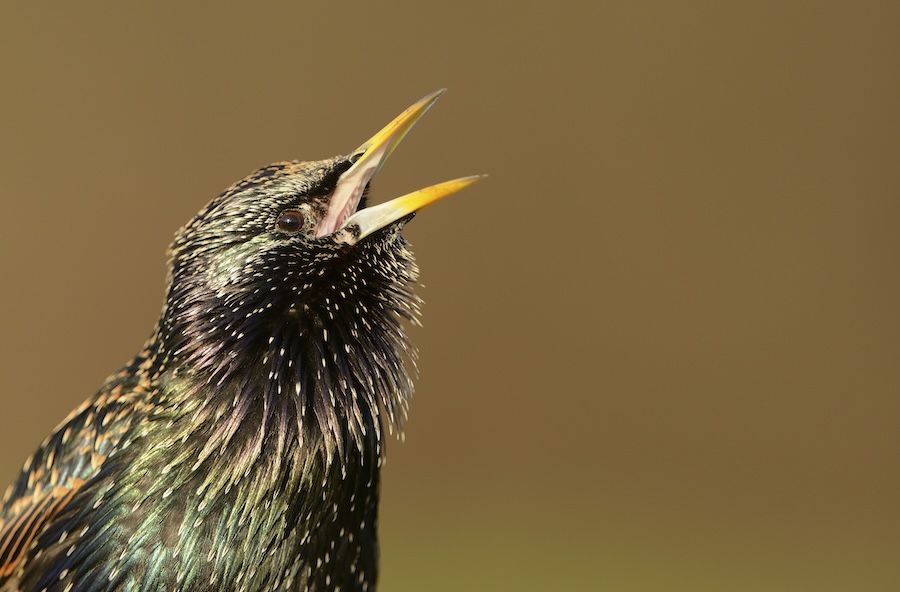
Starlings dropped out of the top three most spotted birds in the annual survey.
Photograph: Ben Andrew/Ben Andrew (rspb-images.com)
source: theguardian.com
The Birdwatch not only celebrates wildlife but also highlights concerning trends. Results from 2025 showed that the House Sparrow remained the UK’s most commonly recorded garden bird for the 22nd consecutive year, yet its numbers fell by 11% compared with the previous year and are now 64% lower than in 1979. Starlings, once a familiar sight, dropped out of the top three birds recorded, reaching their lowest average count on record. In contrast, Woodpigeons saw a significant rise, becoming the third most recorded species for the first time, reflecting wider national population trends. These contrasting patterns underline why ongoing participation in the RSPB garden birdwatch is so important.
Migratory Birds to Watch for in 2026
Both sources highlight that Fieldfares and Redwings are among the species most likely to benefit from the colder European winter. Around 3,000 individuals of these birds were recorded during the 2025 Birdwatch, and experts expect numbers could be higher in 2026. The Guardian emphasizes that reduced food availability on the continent is another factor driving migration, while Inside Ecology points to the combination of UK and European weather conditions as key. Whether you spot a rare winter visitor or familiar garden regulars like robins and blue tits, every sighting contributes to a clearer national picture.
advertisement
Taking Part: Accessible to Everyone
One of the strengths of the RSPB Big Garden Birdwatch is its accessibility. You do not need a garden to participate; observations can be made from a balcony, local park, allotment, or even a window box. Participants are asked to count only birds that land and to record the highest number of each species seen at any one time during the hour. A parallel initiative, the RSPB Big Schools’ Birdwatch, runs during the spring term and helps connect children with nature in their school grounds, extending the survey’s impact to younger generations.
Conclusion: Why Your Garden Matters More Than Ever
The RSPB garden birdwatch 2026 arrives at a critical moment for wildlife. As climate patterns shift and habitats face increasing pressure, UK gardens are becoming essential refuges for both resident and migratory birds. The expected influx of winter visitors due to Europe’s cold snap highlights how interconnected ecosystems truly are. By taking part in the Birdwatch, individuals contribute more than just data; they help shape conservation efforts, raise awareness of declining species, and rediscover the quiet joy of watching nature up close. Even on the coldest winter day, an hour spent observing birds can make a lasting difference for wildlife and for our own wellbeing.
Key Points Summary
Europe’s cold snap may increase migratory birds like Redwings and Fieldfares in UK gardens
The RSPB Big Garden Birdwatch is the world’s largest garden wildlife survey
Results reveal both rising and declining trends among common garden birds
Anyone can take part, even without a garden
Every observation supports long-term bird conservation
advertisement
Frequently Asked Questions (FAQ)
What is the RSPB Big Garden Birdwatch?
It is an annual citizen science survey where people across the UK spend one hour counting birds in their garden or local outdoor space.
When does the 2026 Birdwatch take place?
It runs from 23 to 25 January 2026.
Why are more migratory birds expected this year?
Cold and unsettled weather in Europe reduces food availability and pushes birds toward the UK’s milder climate.
Do I need a garden to take part?
No, you can participate from a park, balcony, allotment, or window.
How does the data help birds?
The results track population trends and inform conservation efforts nationwide.
Sources
Inside Ecology – Report on RSPB Big Garden Birdwatch 2026 and the impact of European cold weather
https://insideecology.com/2026/01/23/rspb-big-garden-birdwatch-2026-cold-weather-in-europe-could-mean-bumper-year-for-migratory-birds-in-gardens/
The Guardian – Coverage of increased bird migration to the UK linked to European cold snap
https://www.theguardian.com/environment/2026/jan/23/cold-snap-europe-increased-bird-migration-to-uk
Thank you !