
White Strawberries: Benefits, Varieties, Taste, Price, and Why They’re So Unique
- Naturally Sweet, Rarely Seen, and Surprisingly Complex
- A White Strawberry Isn’t Unripe — It’s a Different Kind of Delicious
- From Luxury Fruit to Grocery Store Curiosity
White strawberries have quietly moved from luxury fruit markets and high-end restaurant menus into everyday grocery stores, sparking curiosity among shoppers who stumble upon these pale, cream-colored berries. Unlike traditional red strawberries, white strawberries are fully ripe when harvested and offer a sweeter, more tropical flavor profile. Their rise in popularity has led many people to ask the same questions: what are white strawberries, why are they white, and why do they often cost more than their red counterparts?
advertisement
What Are White Strawberries?
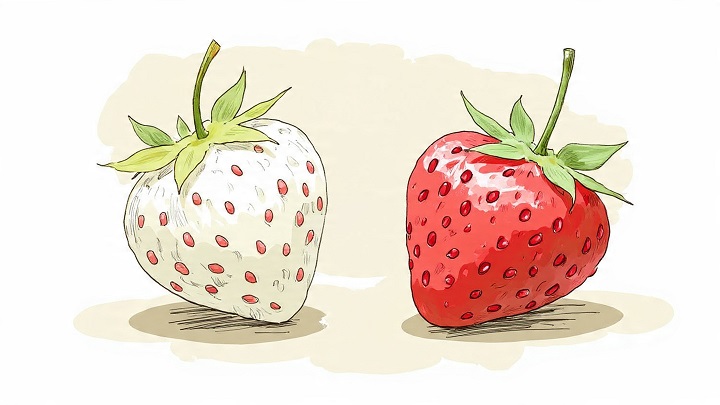
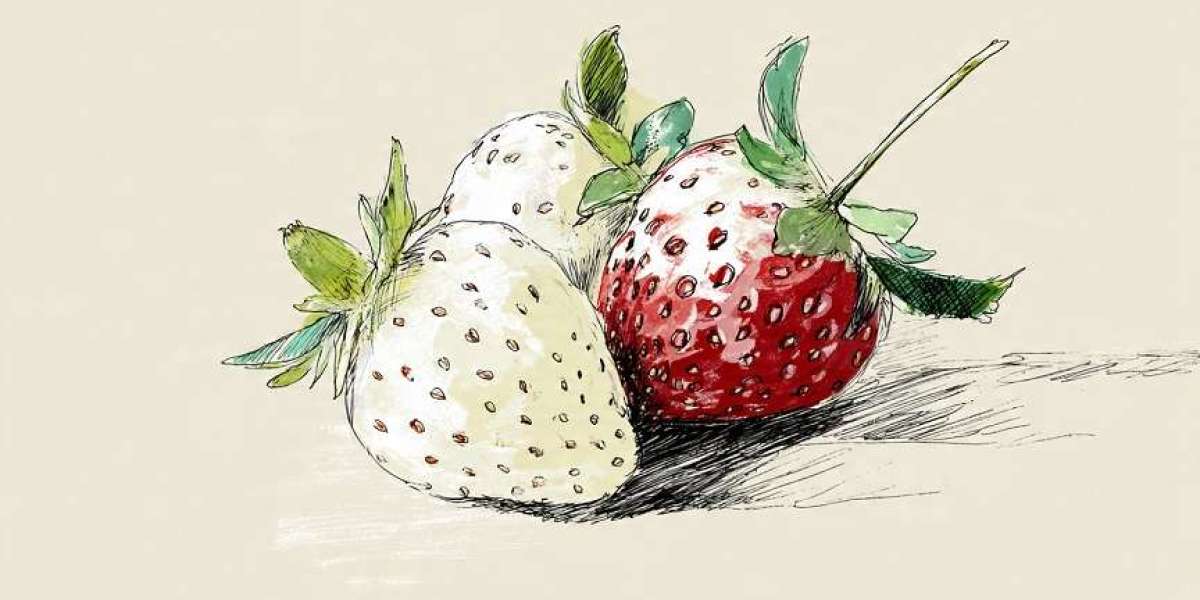
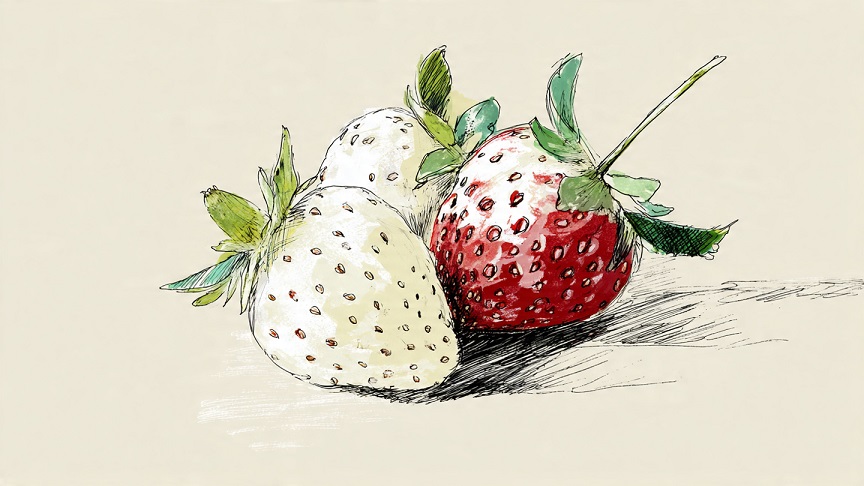
White strawberries are a distinct group of strawberry varieties that remain white or pale pink even when fully ripe. They are not underripe red strawberries. Visually, they are characterized by creamy white flesh, red seeds, and green stems. According to both Southern Living and A Healthier Michigan, these strawberries tend to be sweeter than conventional strawberries and often carry subtle tropical notes, sometimes compared to pineapple.
From a botanical perspective, white strawberries differ because they lack or contain very low levels of a ripening protein known as Fragaria allergen 1 (Fra a1). This protein is responsible for the red pigment in traditional strawberries. Without it, white strawberries do not develop the familiar red color, even at peak ripeness.
Why Are White Strawberries White?
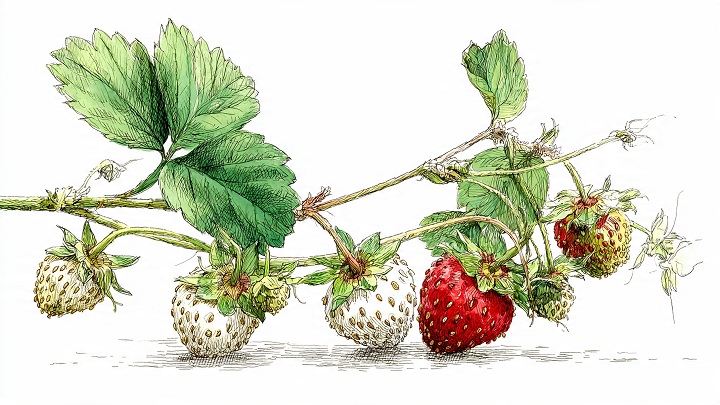
All strawberries begin their development as small white fruits before ripening. In red strawberries, increasing levels of the Fra a1 protein cause the fruit to turn red. White strawberries, however, either do not produce this protein or produce it in very small amounts. As a result, the berries stay white or develop only a faint pink blush, even when fully ripe. Some hybrid varieties may show slight color changes when exposed to sunlight, but they never achieve a deep red hue.
White Strawberry Varieties and Origins
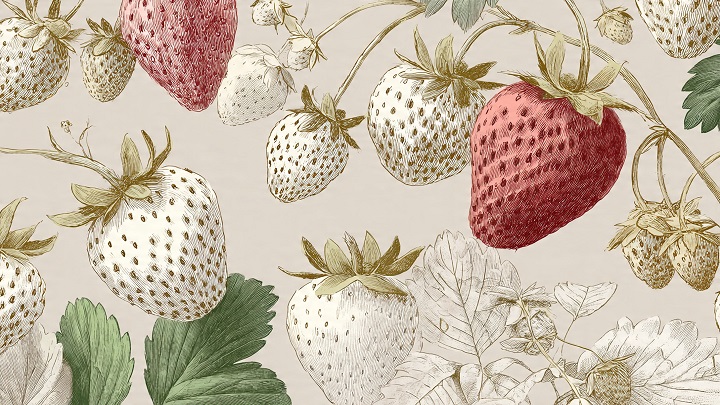
There are dozens of white strawberry varieties grown across different regions of the world, including Europe, South America, Asia, and North America. Southern Living highlights three of the most common types. Alpine strawberries, also known as woodland strawberries, are native to Europe and include varieties such as Pineapple Crush and White Delight. Beach strawberries originate from Chile and are considered true white strawberries. Pineberries, the most common type found in U.S. grocery stores, are hybrids created by crossing South American and North American strawberry species.
A Healthier Michigan notes that white strawberries are often referred to collectively as pineberries, though technically pineberries are just one subgroup. One of the most famous varieties is the White Jewel strawberry, developed in Japan. This variety was bred to achieve an almost pure white appearance and has become a symbol of luxury fruit cultivation.
advertisement
What Do White Strawberries Taste Like?
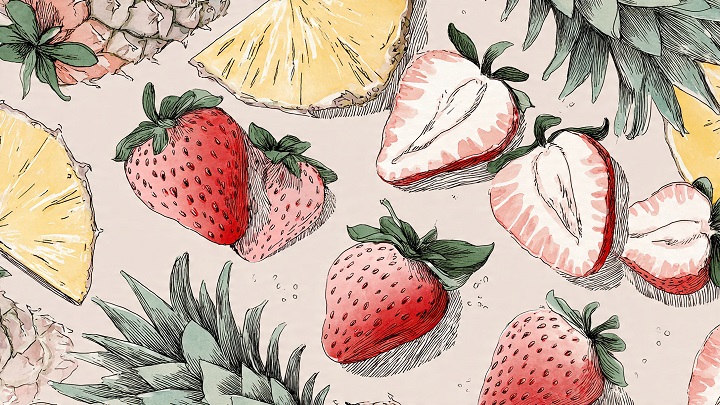
Despite their pale appearance, white strawberries are notably sweet. Both sources agree that they often taste sweeter than red strawberries, with some varieties offering a distinctly tropical aroma and flavor. Pineberries, in particular, are frequently described as having pineapple-like notes. Because of their natural sweetness, white strawberries are popular in desserts, smoothies, and fruit salads, where they can reduce or eliminate the need for added sugar.
Why Are White Strawberries So Expensive?

White strawberries are more expensive primarily because they are difficult to grow. They are more delicate than red strawberries, bruise easily, and often produce fewer and smaller fruits. Southern Living explains that some growers cultivate them indoors to carefully control sunlight exposure and preserve their white coloration.
The Japanese White Jewel strawberry illustrates this challenge perfectly. Only about 10 percent of each crop meets the strict visual standards required for sale, contributing to its rarity and high price. When first introduced, individual berries reportedly sold for around $10 each. While most white strawberries are not that expensive, their lower yield and higher labor requirements still drive prices above those of conventional strawberries.
Growing White Strawberries at Home

For home gardeners, growing white strawberries is possible but requires planning. According to A Healthier Michigan, non-hybrid varieties can be grown from seed, making them more affordable for gardeners willing to invest time. One unexpected advantage is that birds tend to ignore white strawberries because they are less visually striking than red berries.
However, yields are generally lower, meaning gardeners must plant more to achieve a substantial harvest. Successful cultivation requires full sun, proper spacing, well-drained soil, and consistent watering without soaking the leaves. Regional planting times vary, with spring planting recommended in cooler climates such as Michigan.
advertisement
Where to Buy White Strawberries

Commercially grown white strawberries in the United States are primarily produced in Florida, with peak availability beginning in late winter or early spring. Major grocery chains such as Walmart, ALDI, and Publix now carry them seasonally. Specialty produce retailers and online sellers may offer white strawberries outside the main season, making them accessible even when local supplies are limited.
Conclusion: A Rare Strawberry Worth Discovering
White strawberries are more than a novelty. They represent the diversity of nature, the innovation of growers, and the evolving tastes of consumers seeking new food experiences. Whether prized for their sweetness, admired for their unusual appearance, or grown as a conversation-starting garden crop, white strawberries offer a unique alternative to the familiar red berry. As availability continues to grow, these once-exclusive fruits may soon become a regular, if still special, part of the produce aisle — inviting more people to discover that sometimes the most surprising flavors come in the palest packages.
Key Points Summary
White strawberries are fully ripe berries that naturally remain white due to low levels of a ripening protein.
They are often sweeter than red strawberries and may have tropical or pineapple-like flavors.
Higher prices reflect lower yields, delicate growing conditions, and limited availability.
advertisement
Frequently Asked Questions (FAQ)
Are white strawberries just unripe strawberries?
No. White strawberries are fully ripe and are genetically different from red strawberries.
Do white strawberries taste different from red ones?
Yes. They are usually sweeter and may have tropical or pineapple-like flavor notes.
Can white strawberries be used like regular strawberries in recipes?
Yes. They can replace red strawberries in most recipes without major flavor changes.
Why don’t birds eat white strawberries as much?
Because they lack the bright red color that typically attracts birds.
Are pineberries and white strawberries the same?
Pineberries are one type of white strawberry, but not all white strawberries are pineberries.
Sources
Southern Living – Overview of white strawberries, varieties, flavor, and pricing
https://www.southernliving.com/white-strawberries-6533592
A Healthier Michigan – Differences from red strawberries, taste, and growing tips
https://www.ahealthiermichigan.org/stories/food-and-recipes/white-strawberries
Thank you !