
(What will be mentioned below is for advice and is not a substitute for consulting a doctor)
Vitamin D Warning: Four Symptoms That Mean You Should Stop Taking Supplements Immediately
Quick facts you should know before reading
Vitamin D supports bones, muscles, and immunity, but too much can cause real harm
Over-supplementing is easier than many people realise, especially when combining products
Certain physical and mental symptoms may signal vitamin D toxicity and should not be ignored
advertisement
Introduction
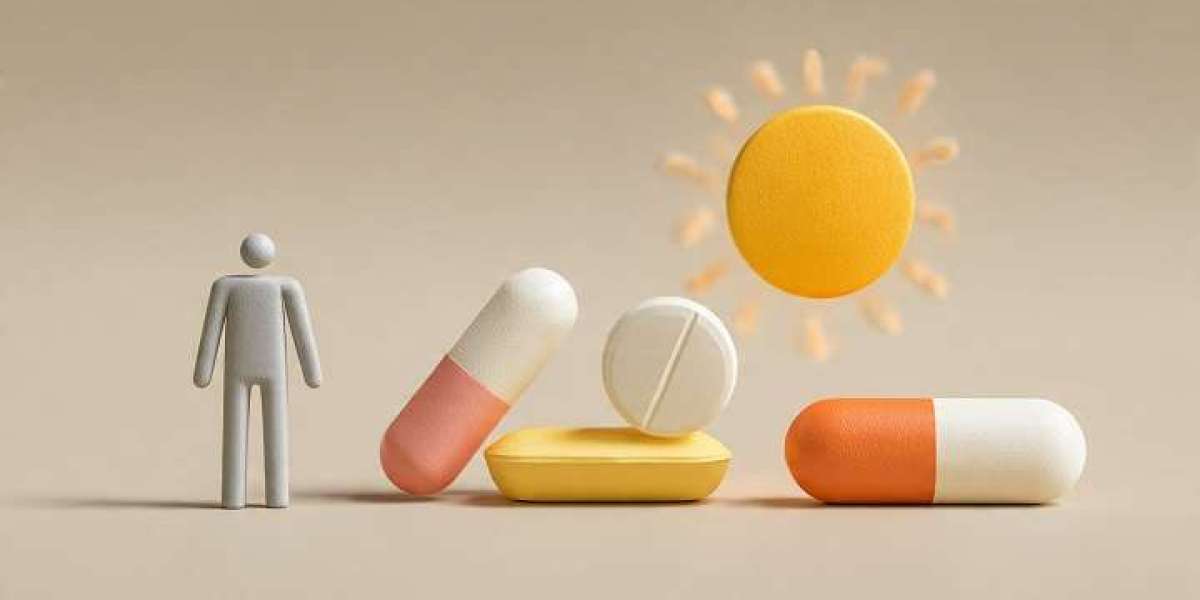
Vitamin D supplements are widely recommended, especially during autumn and winter when sunlight exposure is limited. In the UK, health authorities advise many adults to take a daily vitamin D supplement to support bone strength, muscle function, and immune health. However, health experts are warning that taking too much vitamin D can backfire, causing uncomfortable and potentially serious symptoms.
A growing number of people may be unknowingly exceeding safe limits by combining tablets, sprays, gummies, multivitamins, and fortified foods. According to experts, recognising the early warning signs of vitamin D overdose is crucial to preventing long-term health problems.
Why Vitamin D Is Important – and Why Too Much Is a Problem
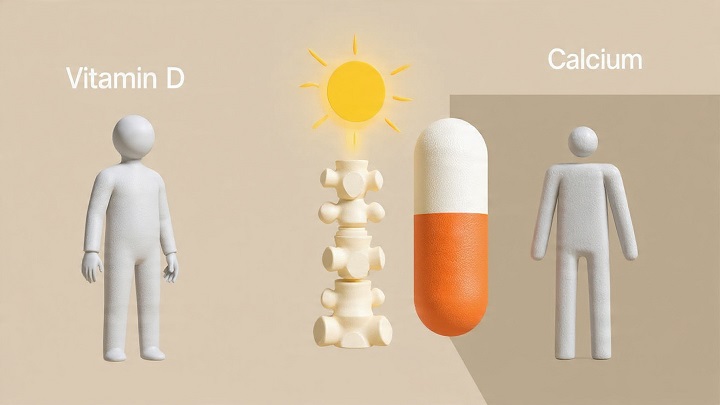
Vitamin D plays a key role in helping the body absorb calcium, which is essential for healthy bones and teeth. It also contributes to muscle function and supports the immune system. During the darker months, the body struggles to produce enough vitamin D naturally because sunlight is not strong enough to trigger its production in the skin.
The UK government advises adults to consider taking 10 micrograms (400 IU) of vitamin D daily during autumn and winter. However, exceeding this amount for prolonged periods can raise calcium levels in the blood, a condition known as hypercalcaemia. This can strain the kidneys, disrupt digestion, affect muscles, and impair mental clarity.
Experts Warn of Accidental Overdosing

Biomedical scientist Tobias Mapulanga, co-founder of Repose Healthcare, warns that many people unintentionally consume excessive amounts of vitamin D. This often happens when supplements are combined with fortified foods or high-strength products.
Research shows that a significant portion of UK adults take vitamin D supplements, and consumer investigations have found some products containing doses many times higher than the recommended level. NHS England has also reported cases where high-strength vitamin D was taken too frequently, sometimes leading to hospital treatment.
Four Warning Symptoms That Mean You Should Stop Taking Vitamin D

1. Constant Thirst and Frequent Urination
Sudden and persistent thirst, along with needing to urinate more often, can be an early sign that vitamin D levels are too high. Excess vitamin D can disrupt fluid and salt balance in the body, leaving you dehydrated despite drinking more.
If this occurs, experts recommend reducing intake to a single 10 microgram supplement and eliminating other vitamin D sources such as multivitamins, sprays, gummies, and fortified foods.
2. Nausea, Burping, or Ongoing Stomach Problems
Digestive discomfort, including nausea, bloating, excessive burping, or constipation, may indicate that your body is struggling to process the supplement. Taking vitamin D on an empty stomach or consuming flavoured sprays and gummies can worsen irritation.
Switching to a simple vitamin D3 tablet taken with a meal and lowering the dose often helps relieve these symptoms.
3. Bone Pain and Muscle Cramps
While vitamin D supports bones and muscles at safe levels, too much can interfere with mineral balance. This may result in muscle cramps, stiffness, or unexplained aches.
Hydration, gentle movement, and mineral-rich foods can help, but experts stress that supplement intake should be reduced immediately if these symptoms appear.
4. Brain Fog and Headaches
Difficulty concentrating, headaches, or a sense of mental cloudiness can signal elevated calcium levels linked to excessive vitamin D intake. Multivitamins and high-dose products may increase this risk.
Switching to a single low-dose vitamin D3 supplement and avoiding combination products can help restore mental clarity.
advertisement
How to Reduce Your Risk of Vitamin D Overdose
Experts advise checking all supplement labels carefully and calculating total daily vitamin D intake from every source. International units can be converted to micrograms by dividing by 40, making it easier to track how much you are consuming.
Keeping just one vitamin D product and sticking to the recommended daily amount is the safest approach. Monitoring symptoms and noting any changes after adjusting intake can help identify problems early.
Conclusion
Vitamin D remains an essential nutrient for overall health, especially during months with limited sunlight. When taken at the right dose, it strengthens bones, supports muscles, and contributes to immune resilience. However, more is not always better.
Listening to your body, avoiding supplement stacking, and following official guidance can protect you from unnecessary discomfort and serious health complications. Used wisely, vitamin D can be a powerful ally in maintaining long-term wellbeing.
Key Points Summary
Vitamin D is vital, but excessive intake can cause physical and mental symptoms
Overdosing often occurs when multiple supplements or fortified foods are combined
Thirst, stomach upset, muscle pain, and brain fog are warning signs to stop and reassess intake
A single daily dose of 10 micrograms is generally sufficient for most adults
advertisement
Frequently Asked Questions (FAQ)
How much vitamin D is considered safe per day?
UK guidance recommends 10 micrograms (400 IU) daily for most adults during autumn and winter.
Can you get too much vitamin D from food alone?
It is very difficult to overdose from food sources alone. The risk mainly comes from supplements and fortified products.
How long do overdose symptoms last after stopping supplements?
Symptoms often improve within days to weeks after reducing intake, depending on severity and individual health.
Should everyone take vitamin D supplements?
Many people benefit during winter months, but individual needs vary. Those with medical conditions should consult a healthcare professional.
Is vitamin D toxicity common?
It is uncommon but becoming more frequent due to high-dose supplements and combined products.
Sources
Mirror – Report on NHS vitamin D guidance and expert warnings about overdose symptoms
https://www.mirror.co.uk/news/health/vitamin-d-users-told-stop-36586981
Thank you !