
article image source: sciencealert.com (Link)
Verticillin A: The Newly Synthesized Fungal Compound with Promising Anti-Cancer Potential
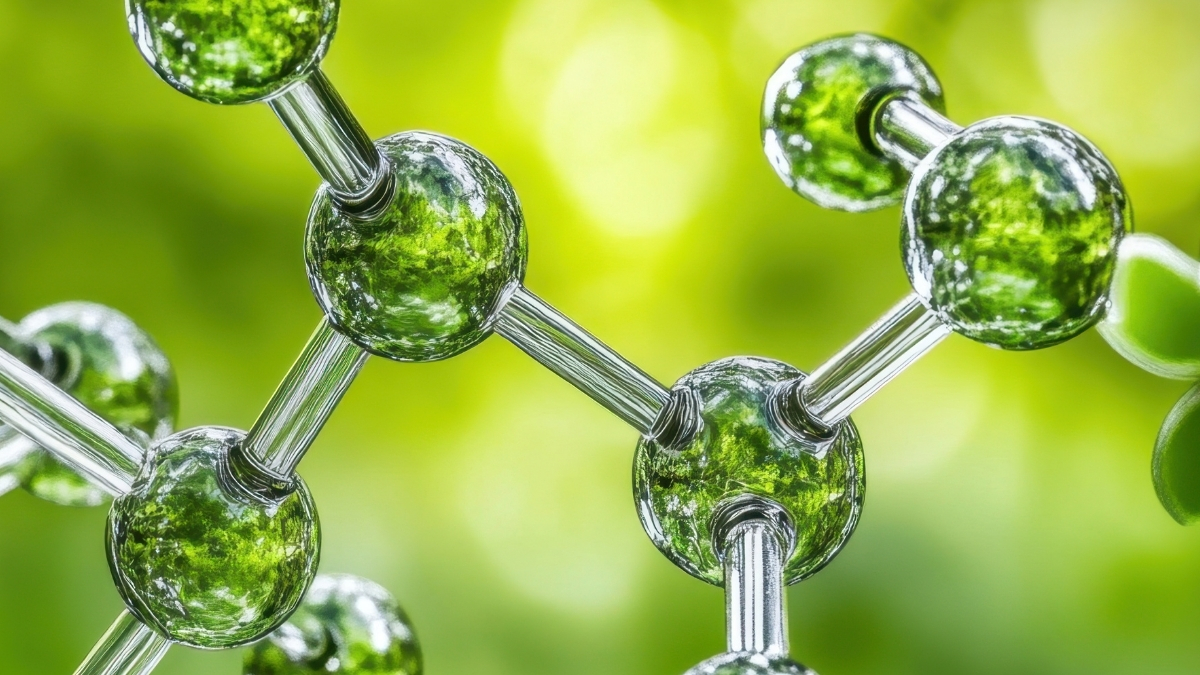
image source: sciencealert.com
Introduction
For over half a century, verticillin A—a compound derived from a microscopic fungus—has intrigued scientists for its potential to combat cancer. Until recently, studying it was almost impossible due to its rarity in nature and chemical instability. Now, researchers from MIT and Harvard Medical School have successfully synthesized verticillin A in the lab, marking a monumental step in cancer research.
This breakthrough opens the door to a deeper understanding of how verticillin A interacts with cancer cells and its potential to form the foundation of future anti-cancer therapies.
Key Points
Verticillin A is a fungal compound with strong potential against cancer.
It was difficult to study due to rarity and chemical instability.
MIT and Harvard researchers developed a 16-step synthesis method.
Laboratory tests show effectiveness against diffuse midline glioma (DMG).
The compound targets specific proteins in cancer cells.
Synthetic production allows for further research and development of treatments.
advertisement
What is Verticillin A?
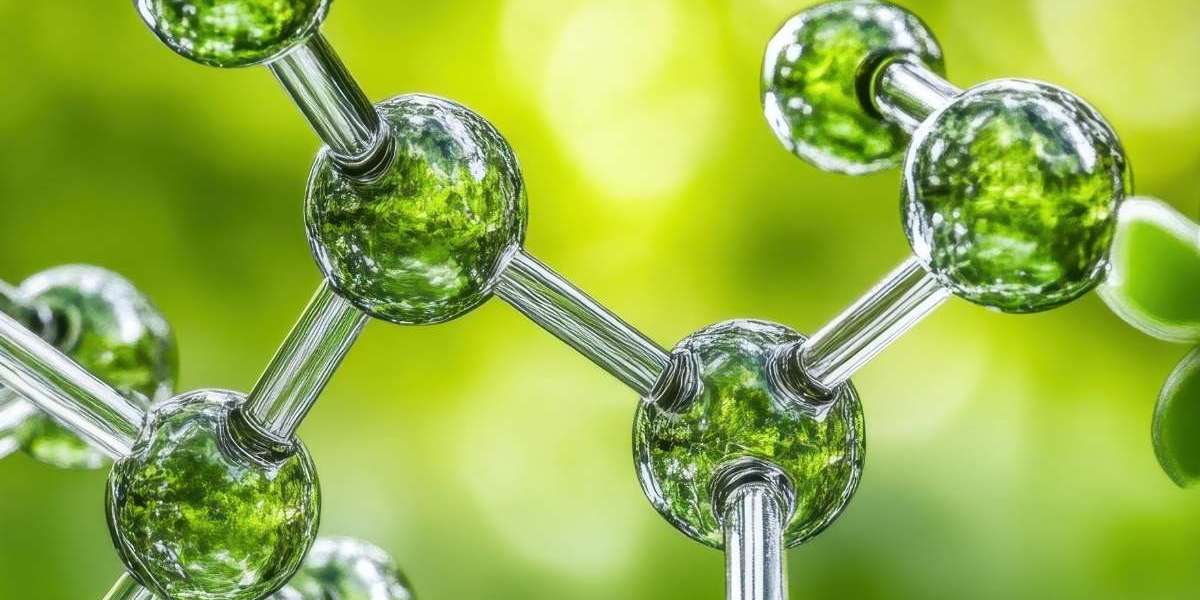
Verticillin A is a natural compound first discovered more than 50 years ago. Structurally, it is a dimer molecule, meaning it consists of two identical halves fused together. While this may sound simple, its precise 3D structure is crucial for its biological activity. Even minor deviations can render it ineffective, which has historically made it incredibly difficult to study.
Found naturally in tiny amounts in a rare fungus, extracting verticillin A from nature is both challenging and inefficient. Until now, its complex chemical structure and instability meant that scientists could not reliably produce enough to explore its full therapeutic potential.
The Breakthrough in Synthesis
The team, led by MIT chemist Mohammad Movassaghi and Harvard’s chemical biologist Jun Qi, developed a 16-step laboratory process to synthesize verticillin A for the first time. This method involved carefully controlling the sequence in which molecular bonds were formed and protecting fragile bonds from breaking during the process.
Movassaghi explained, "The timing of the events is absolutely critical. We had to significantly change the order of the bond-forming events." This precision allowed the researchers to replicate the compound’s exact 3D structure, which is essential for its anti-cancer activity.
Anti-Cancer Potential
Early laboratory tests of synthetic verticillin A have shown promising results. Researchers examined its effects on diffuse midline glioma (DMG), an aggressive brain cancer that primarily affects children.
Previous studies suggested that verticillin-related molecules could kill DMG cells, and these new synthetic compounds confirmed those findings. Furthermore, the researchers observed that the compound specifically targeted proteins within the cancer cells, a key factor in developing precise and effective treatments.
The Road Ahead
With verticillin A now accessible in the lab, scientists can explore its therapeutic potential in greater detail. The research team aims to study how it interacts with cancer cells and design variations that could lead to safer and more effective drugs.
Jun Qi emphasized, "Natural compounds have been valuable resources for drug discovery, and we will fully evaluate the therapeutic potential of these molecules by integrating our expertise in chemistry, chemical biology, cancer biology, and patient care."
While much work remains before verticillin A could become an approved treatment, its successful synthesis represents a leap forward in cancer research, offering hope for future therapies targeting some of the most aggressive forms of the disease.
Conclusion
The synthesis of verticillin A is a landmark achievement in medicinal chemistry and cancer research. By unlocking the ability to produce this rare compound in the lab, scientists can now rigorously study its mechanisms and develop potentially life-saving treatments. This breakthrough illustrates the power of combining natural compounds with modern chemistry, reaffirming that even molecules discovered decades ago can inspire the next generation of cancer therapies.
As research continues, verticillin A may one day become a cornerstone in the fight against aggressive cancers, offering new hope to patients and families worldwide.
advertisement
FAQ
Q1: What is verticillin A?
A1: Verticillin A is a rare natural compound from fungi, notable for its potential anti-cancer properties.
Q2: Why was it difficult to study before?
A2: It occurs in very small amounts in nature and is chemically unstable, making extraction and analysis challenging.
Q3: Who synthesized verticillin A?
A3: Researchers from MIT and Harvard Medical School successfully synthesized it in the lab.
Q4: What types of cancer could it potentially treat?
A4: Early studies show promise against diffuse midline glioma (DMG), an aggressive brain cancer.
Q5: What does synthetic production mean for cancer research?
A5: Scientists can now study the compound in detail, develop variations, and explore new treatment options.
Sources
ScienceAlert – Article on the synthesis of verticillin A and its anti-cancer potential
https://www.sciencealert.com/potential-anti-cancer-fungal-compound-finally-synthesized-after-55-yearsJournal of the American Chemical Society – Research publication on the synthesis of verticillin A
https://doi.org/10.1021/jacs.5c16112
Thank you !