
Tesla Stock: A Comprehensive Overview of Challenges and Future Prospects in 2026
Tesla, the electric vehicle (EV) giant founded by Elon Musk, continues to dominate headlines with both impressive advancements and unexpected setbacks. As of early 2026, the company faces several challenges despite its groundbreaking innovations, leaving investors and analysts alike with mixed feelings. In this article, we dive deep into the latest Tesla stock performance, sales data, and what the future holds for this influential player in the EV market.
Key Points Summary:
Q4 2025 Delivery Results: Tesla missed sales targets with 418,227 vehicles delivered, a 16% drop from the previous year.
Second Consecutive Sales Decline: Tesla’s annual sales dropped by 15.6%, marking its second year of declining sales.
Competition on the Rise: BYD surpassed Tesla in total EV sales in 2025, and local rivals are gaining ground in China and Europe.
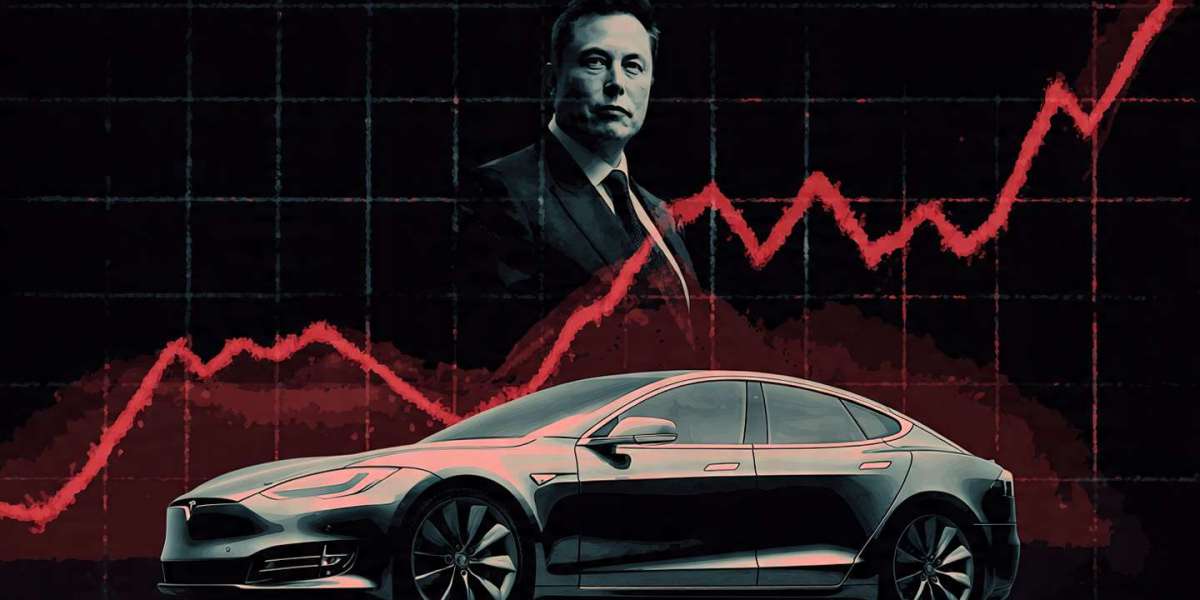
Stock Price Soars: Tesla’s stock reached a record high, driven by optimism surrounding autonomous vehicles and the robotaxi rollout.
Future Outlook: Tesla's robotaxi ambitions and AI-driven technologies could steer the company through its challenges, despite fierce market competition.
advertisement
Q4 2025: A Missed Target, But Optimism Remains
Tesla's fourth-quarter deliveries for 2025 came in below Wall Street expectations. The company reported delivering 418,227 vehicles, which fell short of analysts’ estimates that ranged between 422,850 and 440,907 units. While this was a disappointment, it's important to note that Tesla still managed to produce 434,358 vehicles during the quarter, though production also saw a decline of 5.5% compared to the previous year.
The company’s flagship models, the Model 3 and Model Y, also saw a dip in deliveries, down by 14% year-over-year to 406,585 units. Despite these setbacks, Tesla's stock price rose, signaling investor optimism. Analysts, including Wedbush’s Dan Ives, noted that the company’s Q4 performance was "better than feared," emphasizing the importance of Tesla’s artificial intelligence (AI) innovations heading into 2026. However, Europe remains a challenging market for the company, with a steady decline in vehicle registrations across several countries.
2025: Tesla’s Second Consecutive Sales Decline
For the second year in a row, Tesla has reported a decrease in sales. In 2025, the company delivered 1.64 million vehicles, a 15.6% decrease from the previous year. This marks a significant departure from the company's historical trajectory of explosive growth. In comparison, Chinese competitor BYD saw a nearly 28% increase in sales, surpassing Tesla for the first time in annual battery-electric vehicle sales.
Tesla’s decline was attributed to several factors, including the expiration of the $7,500 US tax credit for EVs in September 2025. This tax credit had encouraged US buyers to rush in and buy EVs, leading to record sales earlier in the year. Once the credit ended, EV sales across the board—including at Ford, Hyundai, and Kia—plummeted, and Tesla was no exception.
Internationally, Tesla faced increasing competition, especially in China and Europe. In China, local rivals have gained ground with high-tech electric vehicles at competitive prices, while in Europe, the company's sales were hit by controversies surrounding Musk’s political endorsements, notably his support for the far-right German party AfD. This controversy, combined with a stagnant product lineup, further hindered Tesla’s ability to compete.
advertisement
Stock Performance: A Surprising High Amidst Declining Sales
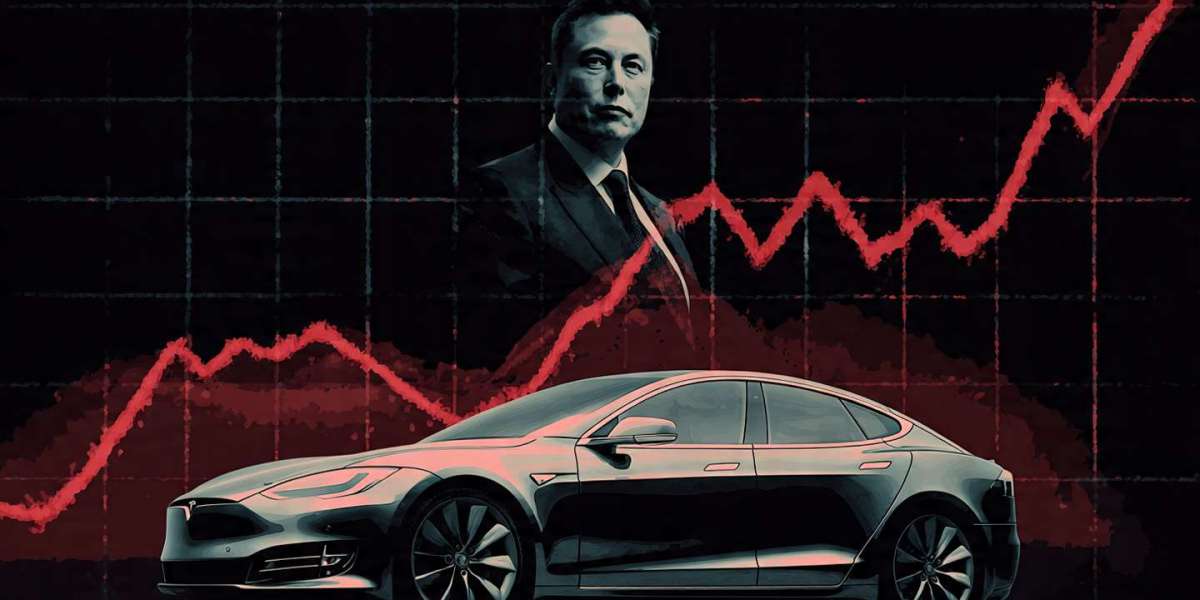
Despite the dip in deliveries and sales, Tesla's stock hit a record high in December 2025. Investors are placing their bets on the future of Tesla's autonomous vehicle ambitions, particularly its robotaxi service. Tesla launched its robotaxi service in Austin, Texas, in mid-2025 and has plans for rapid expansion in 2026. Musk's vision of a driverless, autonomous future is being realized through the mass production of Tesla's Cybercab robotaxi, which is expected to hit the roads in 2026.
The rise of Tesla's stock, despite these challenges, can largely be attributed to investor optimism surrounding the robotaxi service and Tesla’s ongoing advancements in AI and self-driving technology. Musk has stated that the future of Tesla will rely heavily on these innovations, with a plan to scale the autonomous ride-hailing service to multiple cities in the coming years.
Tesla’s Future: A Look Ahead
Tesla’s path forward appears filled with both obstacles and opportunities. While the company continues to face challenges in terms of declining sales and increasing competition, its focus on autonomous vehicles and AI offers a bright spot. With upcoming innovations like the Cybercab robotaxi and Full Self-Driving software, Tesla may yet revolutionize the transportation sector. However, Europe’s resistance and competition from established automakers and new entrants like BYD will continue to challenge Tesla's market dominance.
Despite the roller-coaster year in 2025, Tesla remains one of the most influential players in the EV industry, and its ability to navigate these challenges will be crucial in maintaining its position as a leader in electric vehicles and autonomous technologies.
advertisement
Conclusion: A Resilient Future or an Ongoing Struggle?
Tesla’s performance in 2025 shows that while the company faces significant hurdles—ranging from production issues to increasing competition and political controversy—its focus on long-term innovations, such as autonomous driving and robotaxi services, provides hope for a resilient future. While 2026 may continue to present challenges, Tesla’s advancements in AI and robotics may prove to be the company’s saving grace as it strives to reclaim its place at the top of the EV market.
FAQ:
1. Why did Tesla miss its Q4 delivery estimates?
Tesla delivered 418,227 vehicles in Q4 2025, missing Wall Street's consensus of 422,850 to 440,907 vehicles. The company faced challenges in production and sales in both domestic and international markets.
2. What is Tesla’s strategy to recover from declining sales?
Tesla is focusing on its robotaxi and autonomous vehicle initiatives, which are expected to be key drivers of growth in the coming years. The company has also launched new versions of its Model 3 and Y to attract more customers.
3. How has competition from BYD affected Tesla?
BYD surpassed Tesla in total EV sales for 2025, highlighting the increasing competition in the global electric vehicle market, especially in China, where local brands offer competitive prices and high-tech features.
4. What is Tesla’s outlook for 2026?
While Tesla faces challenges in terms of declining sales and market resistance, its investments in autonomous vehicles and AI may offer substantial opportunities for growth. If successful, these innovations could secure Tesla's future leadership in the EV industry.
Sources:
Investing.com – "Tesla misses Q4 delivery estimates, shares rise"
Published: January 2, 2026Business Insider – "Tesla sales fall for the second year in a row"
Published: January 2, 2026
Thank You & Happy New Year!