
UK Household Debt Hits Record High, Retail Demand Weakens, and Corporate Cost Strains Deepen
Key Points
UK household energy debt reaches a record £4.79 billion, according to Ofgem, as inflation pressures persist.
StepChange warns of worsening arrears, with average household energy debt rising sharply over recent years.
H&M reports weaker Western European demand, including softness in the UK and Germany, despite improved profitability.
Retail sector continues restructuring, with store closures, inventory cuts, and expansion into new markets such as Latin America.
Corporate financial strain intensifies in the US, highlighted by a lawsuit involving Red Lobster and its former controlling shareholder Thai Union over its failed shrimp promotion strategy.
advertisement
Global economic conditions showed continued strain on households, retailers, and corporate operators on Thursday, 26 June 2026, as new data and corporate disclosures highlighted the uneven recovery across major developed markets. Rising living costs in the United Kingdom, shifting consumer demand in Europe, and ongoing legal and financial fallout in the United States underscored a broader picture of pressure on both consumers and companies navigating higher costs and tighter spending patterns.
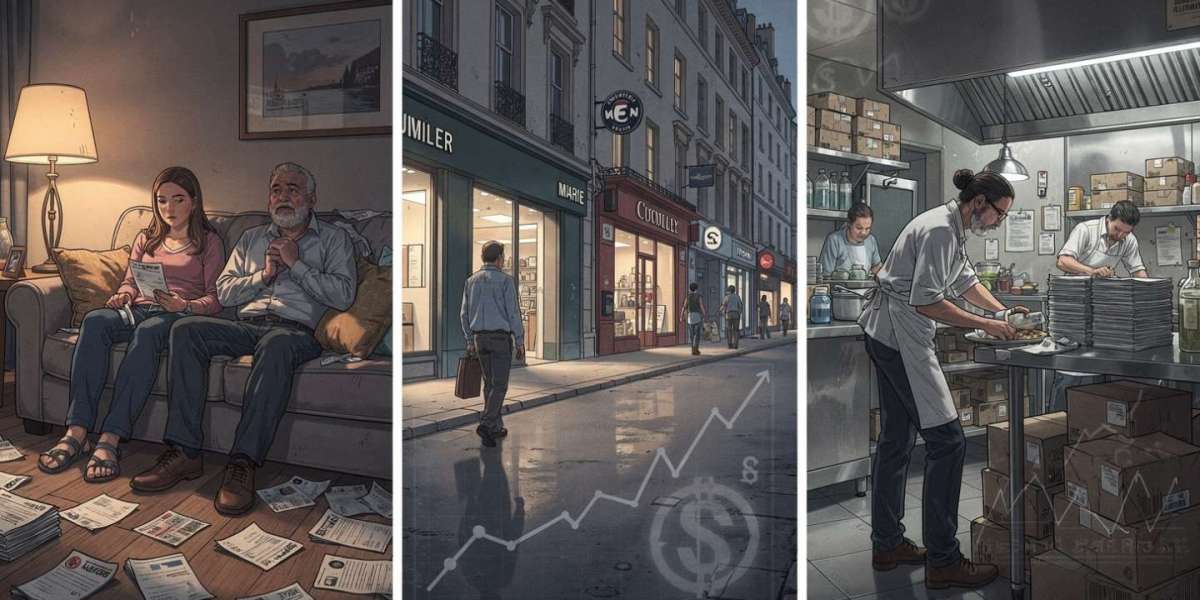
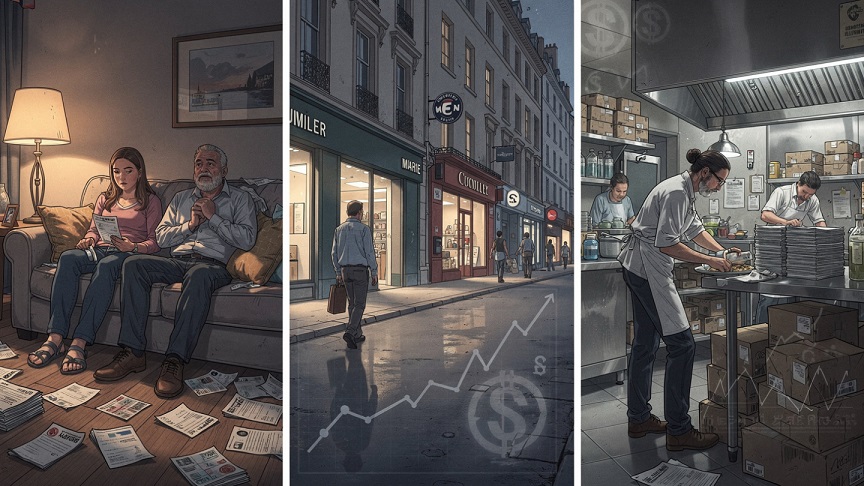
In the United Kingdom, household financial stress deepened further as energy-related borrowing reached a new milestone. Data published by regulator Ofgem showed that UK energy debt has risen to £4.79 billion, marking a 15% year-on-year increase and a 5% rise from the previous quarter. The figures highlight growing strain on households already grappling with elevated living costs, with millions of consumers falling behind on essential bills.
The data also showed that repayment activity is increasing, with the number of accounts on repayment plans rising by 3% for electricity and 4% for gas, suggesting more households are being pushed into structured debt management rather than clearing balances outright. Average arrears among those in repayment plans stand at £828 for electricity and £679 for gas, reflecting persistent affordability challenges across basic utilities.
Debt charity StepChange reinforced the warning, reporting that its own client data shows energy arrears have increased by approximately 79% over five years, averaging around £1,000 in additional debt per client. The organisation said households are increasingly being forced into difficult trade-offs, including reducing spending on food and essentials in order to keep up with energy payments.
StepChange also warned that conditions may worsen further in the coming weeks, as the UK energy price cap is set to rise by 13%, potentially adding additional pressure ahead of the winter season. The charity has called for government intervention, including the introduction of an energy social tariff and a structured debt relief scheme to help households manage arrears more sustainably. It also urged consumers struggling with bills to seek early support from suppliers or independent advice services.
The UK cost-of-living pressures form part of a broader European consumer slowdown that is also affecting the retail sector. In corporate earnings released this week, Swedish fashion retailer H&M reported that sales in local currencies were broadly flat in the three months to 31 May 2026, while reported revenue fell 3.3% year-on-year to 54.82 billion kronor (€4.95 billion), largely due to currency effects and softer demand in key European markets.
Chief executive Daniel Ervér said that Western Europe, including the UK and Germany, remained the weakest region, reflecting lower consumer confidence and inflation-driven caution among shoppers. The company said demand patterns have become increasingly uneven, with price-sensitive households reducing discretionary spending while higher-income consumers remain comparatively resilient.
Despite weaker sales, H&M reported improved profitability, supported by tighter cost control, margin gains, and inventory reduction efforts. The company has been actively restructuring its global operations, closing underperforming stores and reducing its global footprint to about 4,038 locations, down from the previous year. At the same time, it continues to expand selectively in growth regions, particularly in Latin America, with new stores opening in Brazil, Paraguay, and Argentina, as well as entry into new markets including Malta and Azerbaijan.
A major part of the company’s strategy involves supply chain and operational efficiency. Inventory levels fell 10% year-on-year to 34.94 billion kronor, as H&M attempts to balance stock control with product availability. However, executives acknowledged that overly cautious inventory planning has at times constrained sales, particularly in Western Europe and parts of the United States.
The company is also accelerating its digital transformation, using AI-driven tools for trend forecasting, product design, and merchandising decisions. Online sales now account for just over 30% of total revenue, highlighting the ongoing shift toward digital channels in global apparel retail.
While Europe continues to show signs of consumer fatigue, corporate and legal pressures in the United States are also reflecting broader structural challenges in consumer-facing industries. In a lawsuit detailed in filings referenced this week, creditors of Red Lobster accused former controlling shareholder Thai Union of pushing aggressive supply agreements and supporting a costly marketing strategy that contributed to the chain’s financial collapse.
The case centers on the chain’s “Everyday $20 Ultimate Endless Shrimp” promotion, which creditors described as a “car crash” for the business. The lawsuit alleges that Thai Union, a major seafood producer, pressured Red Lobster into purchasing increasing volumes of shrimp at above-market prices, contributing to operational strain and oversupply issues.
According to the filing, the promotion led to operational disruption across restaurants, including shortages and reduced table turnover, as demand exceeded supply capacity. The creditors argue that the strategy prioritized supplier sales over the long-term health of the restaurant chain, ultimately worsening its financial position as it moved toward insolvency.
Red Lobster filed for bankruptcy in May 2024, citing a combination of rising costs, competitive pressure, and the financial impact of the shrimp promotion. The company exited bankruptcy in September 2024 under new ownership through RL Holdings, linked to investment group Fortress Investment Group. The lawsuit seeks damages and raises broader questions about governance and supplier influence in distressed corporate environments.
Taken together, the developments across the UK, Europe, and the United States illustrate a global economy still adjusting to persistent inflationary pressure, shifting consumer behavior, and corporate restructuring cycles. While some companies are improving profitability through efficiency and cost discipline, household finances remain under strain, and consumer demand continues to show uneven recovery patterns across regions.
Key Points Summary
UK energy debt rises to a record £4.79 billion amid inflation pressure.
StepChange warns household arrears have surged significantly over five years.
H&M reports weak Western European demand but improved profitability.
Retailers continue restructuring through store closures and global expansion.
Red Lobster lawsuit highlights corporate governance and supply-chain conflict issues.
What This Means
These developments show a global economy where household finances remain under pressure, particularly in the UK, while businesses respond with restructuring, efficiency drives, and expansion into higher-growth markets. Consumers are becoming more cautious in spending, especially in Europe, while companies increasingly rely on cost control and operational changes to protect margins. In the US, corporate legal disputes also highlight how aggressive commercial strategies can create long-term financial and governance risks.
advertisement
Frequently Asked Questions (FAQ)
Why is UK energy debt rising?
Higher energy prices and cost-of-living pressures have led more households to fall behind on bills, increasing arrears.
What is the UK energy price cap change?
It is set to rise by 13%, potentially increasing household energy costs further.
Why is H&M struggling in Europe?
Weaker consumer confidence, especially in Western Europe, is reducing discretionary retail spending.
Is H&M profitable despite lower sales?
Yes, the company reports improved margins due to cost control and restructuring efforts.
What is the Red Lobster lawsuit about?
Creditors allege that supplier-linked decisions and a shrimp promotion contributed to financial distress and bankruptcy.
Sources
Disclaimer:
This material may contain third-party opinions, none of the data and information on this webpage constitutes investment advice
The content shared in economics articles is solely for research and informational purposes.
We are not a financial advisory service, and the information provided should not be considered investment or trading advice.
Thank you !