
Stock Market News Today: Apple Slides on Price Hikes, Polestar Hit by U.S. Ban, SpaceX Debt Deal Draws Attention

Key Points
Apple (AAPL) fell after announcing price increases for several MacBook and iPad models.
Polestar (PSNY) dropped after saying U.S. restrictions will force it to stop selling vehicles in America from the 2027 model year.
SpaceX completed a $25 billion bond sale, and credit-default swaps tied to its debt began trading.
Microsoft (MSFT) remained in focus after Janus Henderson said it trimmed its position in the first quarter.
Investors continued assessing the impact of AI-related spending, rising component costs, and evolving U.S.-China technology restrictions.
advertisement
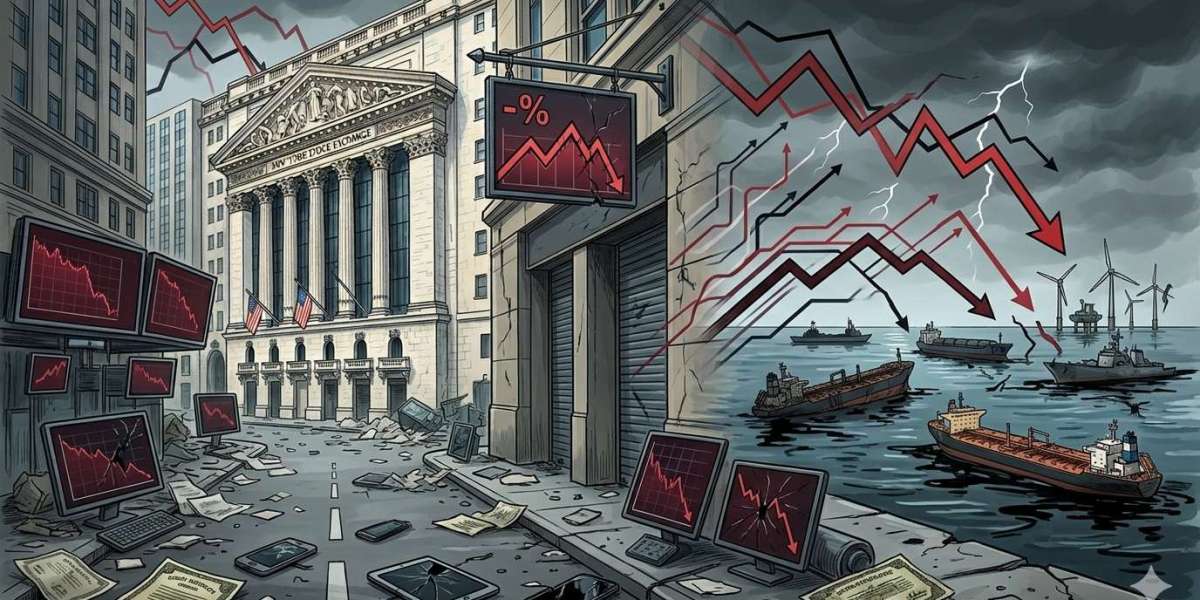
Global equity markets were dominated on June 25, 2026 by a mix of technology, automotive, and credit-market developments, with investors weighing the effects of rising artificial-intelligence spending, higher hardware costs, and stricter U.S. policies toward China-linked companies.
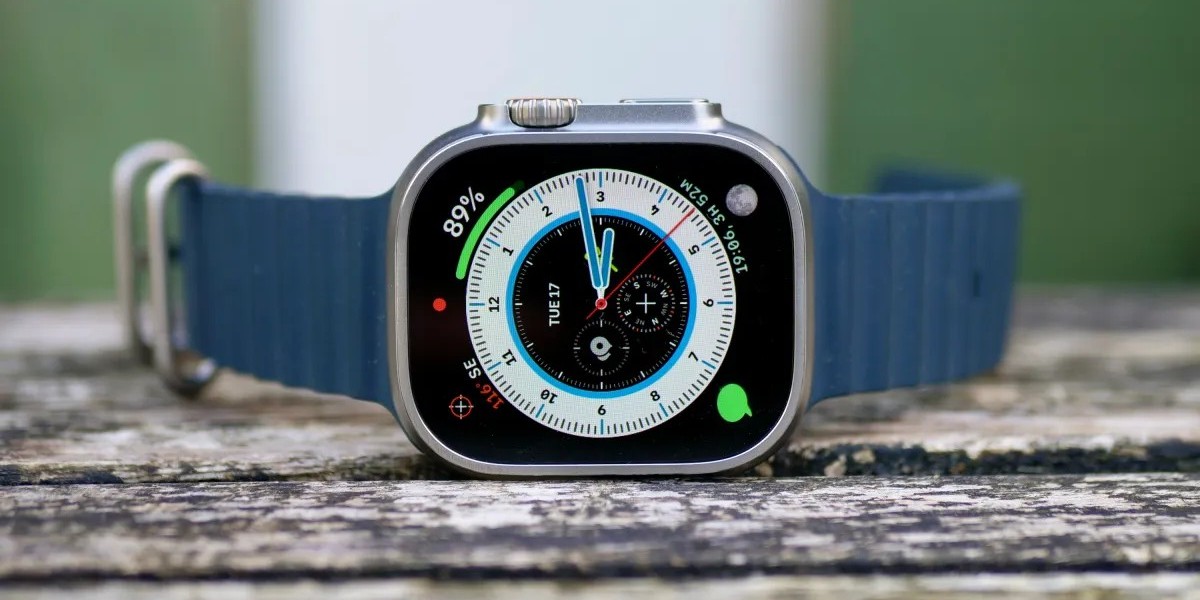
One of the day's biggest stock movers was Apple, whose shares fell sharply after the company announced price increases across several MacBook and iPad models. The move marked Apple's first formal step to pass rising memory and storage costs on to consumers after Chief Executive Tim Cook warned that surging component prices tied to the AI boom had become increasingly difficult to absorb.
Apple said entry-level products such as the MacBook Neo, MacBook Air, MacBook Pro, iPad Air, and iPad Pro would all see higher prices. The company cited extraordinary demand for memory and storage driven by AI data-center expansion, saying the industry was experiencing unusually rapid cost increases.
Investors reacted negatively to the announcement, sending Apple shares down more than 6% during Thursday trading, according to the source report. The decline highlighted growing concerns that higher AI-related infrastructure costs may increasingly pressure profit margins across the technology sector.
The Apple announcement also drew attention to the broader semiconductor supply chain. Rising demand for high-bandwidth memory used in AI servers has benefited suppliers such as Micron Technology, whose recent financial results showed a significant jump in revenue and margins as AI-related demand accelerated.
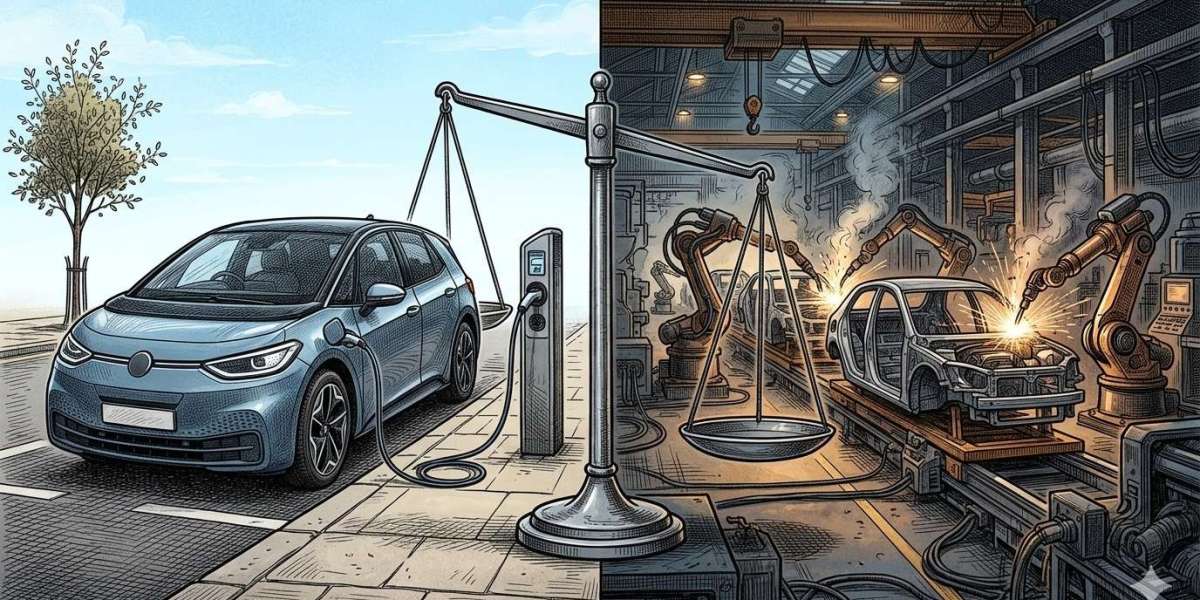
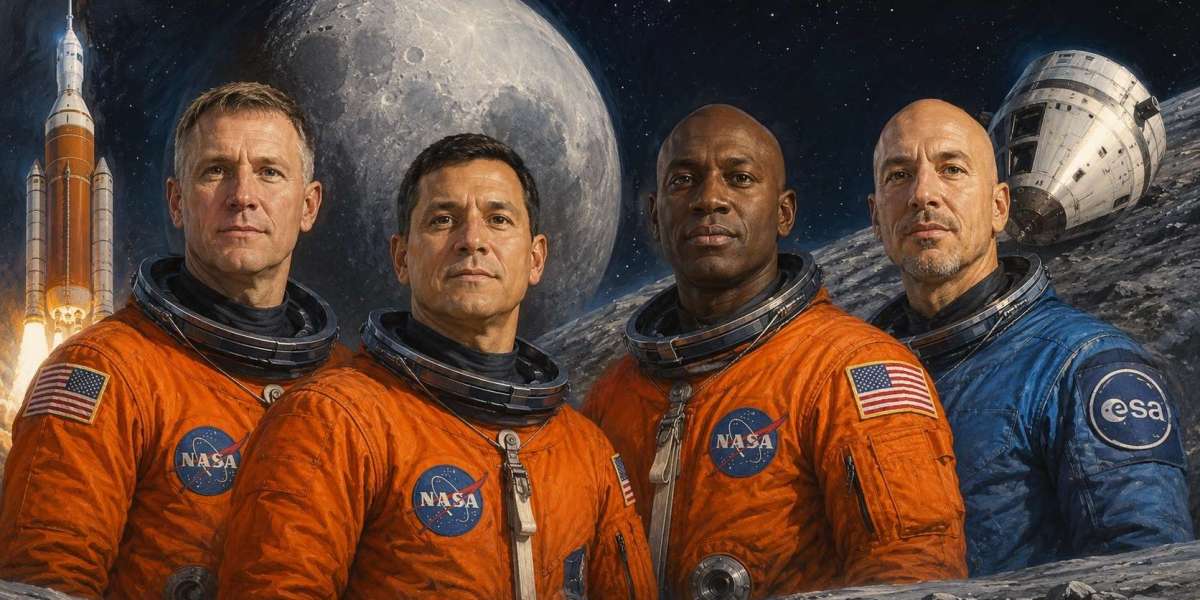
In the automotive sector, Polestar said the Trump administration was effectively forcing the electric-vehicle maker to end U.S. sales beginning with the 2027 model year. The company said it did not receive authorization under the Connected Vehicles Rule, which restricts the import and sale of vehicles with certain China-linked connected-vehicle technologies.
Shares of Polestar fell after the announcement. The rule, originally adopted in January 2025 under former President Joe Biden and maintained under President Donald Trump, covers technologies such as Bluetooth, Wi‑Fi, cellular connectivity, and some satellite communications systems because of national-security concerns related to data collection.
The decision represents another step in Washington's broader effort to limit the presence of China-linked vehicles in the U.S. market. Polestar, which is majority-owned by Geely Holding, said it would continue supporting existing customers and selling current inventory, including the Polestar 3 and Polestar 4, while reassessing its long-term strategy.
The company has increasingly shifted its focus toward Europe, which accounted for 78% of first-quarter sales, while only 6% came from the United States.
Meanwhile, activity in credit markets centered on SpaceX, which completed a $25 billion bond offering earlier this week. Following the sale, credit-default swaps (CDS) linked to SpaceX debt began trading, giving investors a way to hedge against or speculate on changes in the company's creditworthiness.
According to the report, dealers quoted five-year default protection at roughly 1.255 percentage points annually, equivalent to about $125,500 per year for every $10 million of debt protected. The pricing was notably higher than comparable protection costs for some similarly rated issuers, suggesting investors are demanding a meaningful premium to insure against SpaceX-related credit risk.
SpaceX's 10-year notes also widened from about 1.4 percentage points over Treasuries at issuance to around 1.57 percentage points in secondary trading, indicating some selling pressure after the initial deal.
Although SpaceX remains a private company, the size of the transaction drew considerable attention across Wall Street because of the company's role in launch services, satellite communications, and AI-related infrastructure.
Another closely watched technology name was Microsoft. In a first-quarter investor letter, Janus Henderson Global Sustainable Equity Fund said it had trimmed its Microsoft position, citing concerns about near-term returns from elevated cloud-infrastructure investment and slower growth in parts of the company's legacy software business.
The fund emphasized that its long-term investment thesis remained intact, pointing to Microsoft's strong ecosystem across productivity software, cloud computing, developer tools, and generative AI. Microsoft shares had faced pressure over the past year as investors debated whether massive AI-related spending by major technology companies would generate sufficient returns.
Together, Thursday's developments illustrated the market's current focus on three themes: the cost of the AI buildout, tightening geopolitical restrictions affecting global companies, and investor appetite for large-scale financing deals. While the immediate market reaction was most visible in Apple and Polestar shares, the broader implications extend across technology, manufacturing, and capital markets.
Investors will now watch upcoming corporate earnings, semiconductor pricing trends, and further policy moves from Washington for clues about whether AI-driven spending can continue supporting growth without putting additional pressure on consumers and company margins.
Key Points Summary
Apple raised prices on several MacBook and iPad models.
Apple shares fell more than 6% after the announcement.
Polestar said U.S. rules will block new sales from the 2027 model year.
SpaceX completed a $25 billion bond sale and saw CDS trading begin.
Microsoft remained under scrutiny as investors assessed AI-related spending and cloud profitability.
What This Means
Why it matters: The day's developments show how AI investment, rising hardware costs, and geopolitical policy are increasingly shaping stock-market performance.
Who may be affected: Technology investors, EV manufacturers, semiconductor companies, and credit-market participants.
What to watch next: Corporate earnings, memory-chip pricing, AI infrastructure spending, and additional U.S. policy actions involving China-linked technology companies.
advertisement
Frequently Asked Questions (FAQ)
Why did Apple stock fall on June 25, 2026?
Apple shares fell after the company announced price increases for several MacBook and iPad models, citing higher memory and storage costs linked to AI-driven demand.
Why is Polestar ending future U.S. vehicle sales?
Polestar said it did not receive authorization under U.S. connected-vehicle rules, which restrict certain China-linked vehicle technologies beginning with the 2027 model year.
What happened with SpaceX's bond sale?
SpaceX completed a $25 billion bond offering, and credit-default swaps tied to its debt began trading, allowing investors to hedge or speculate on its credit risk.
Did Janus Henderson sell all of its Microsoft shares?
No. The fund said it trimmed its Microsoft position in the first quarter but maintained a positive long-term view of the company.
Sources
Disclaimer:
This material may contain third-party opinions, none of the data and information on this webpage constitutes investment advice
The content shared in economics articles is solely for research and informational purposes.
We are not a financial advisory service, and the information provided should not be considered investment or trading advice.
Thank you !